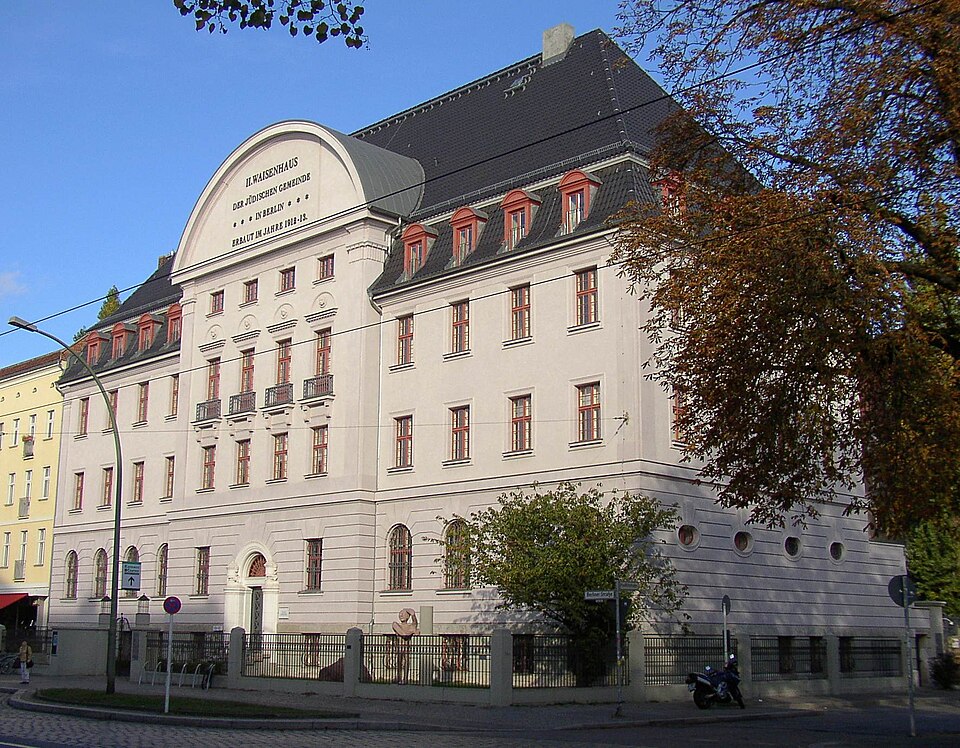
Child protection
Safeguarding systems.
Practice with people under strain — casework, systems, law and the ethics of intervening.
Also called: Social welfare · BSW/MSW path
Reviewed 2026-08-08·Media credits
Darker cells mean a higher score for this topic on that metric.
LessMore
Each bar is a 0-100 atlas score for this topic, not a timeline.
Last reviewed Sources & creditsMedia creditsMethodology
Social work is practice with people under strain — casework, systems, law and the ethics of intervening. Supervision and placement hours are not optional garnish.
Skills labs and agency placements define the degree; pure theory online can support knowledge but rarely completes professional registration alone. Emotional load and caseload realism should be discussed before enrolment.
Careers include statutory services, NGOs, healthcare settings and policy roles. Scores are relative on this site.
Typical bachelor years: 4
Scores are relative across the forty majors on this site — not absolute rankings of universities.
Popularity & Demand →Sectors where graduates and research from this field show up most often — plates from Wikimedia Commons.
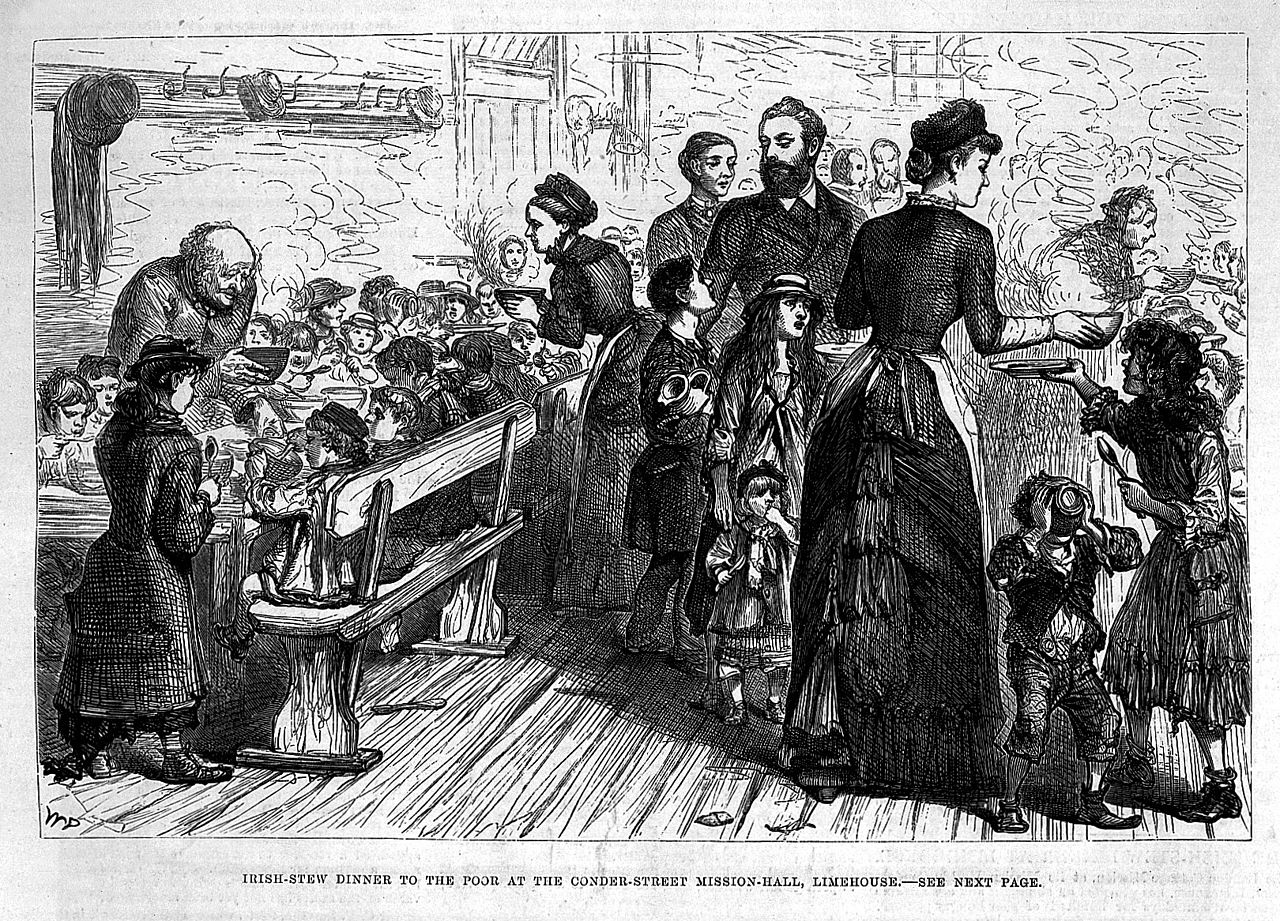
Safeguarding systems.

Casework and crisis.
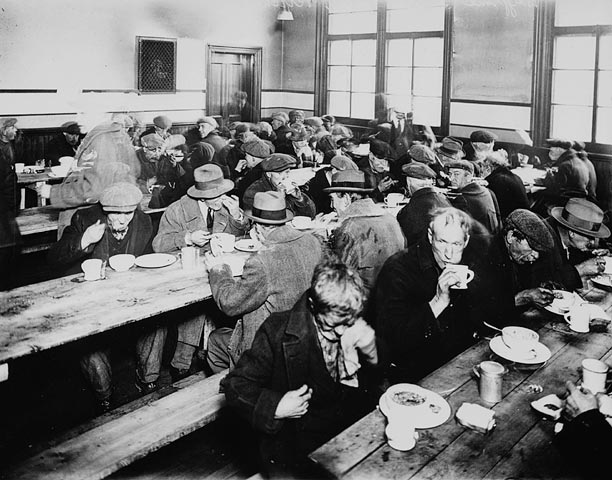
Shelter and rehousing.
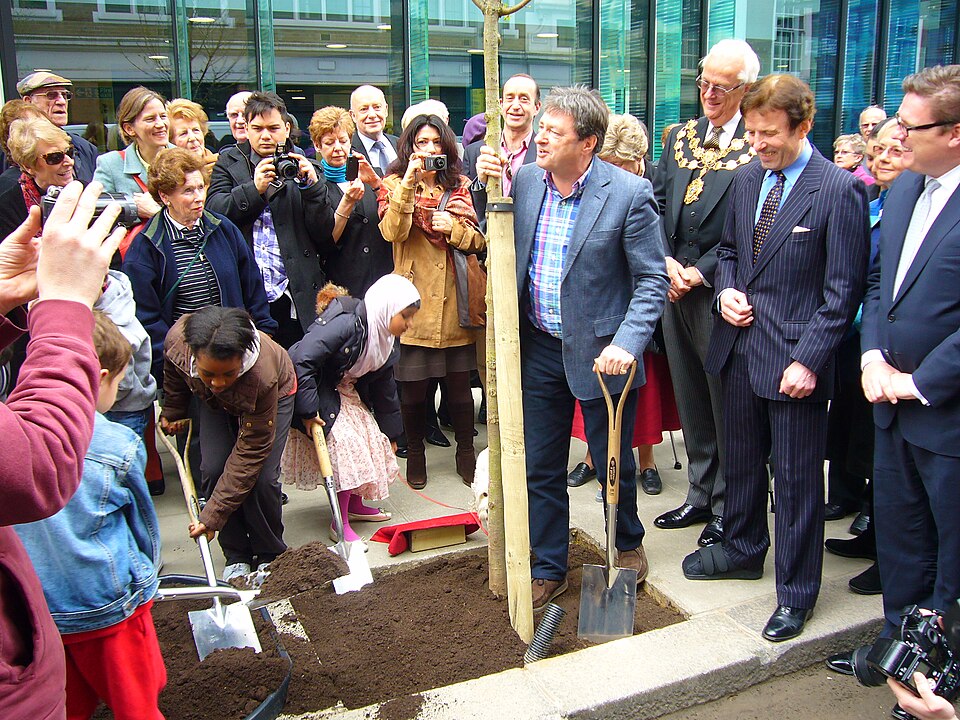
Local organising.
Checkable figures whose work still frames how the discipline is taught and practised.
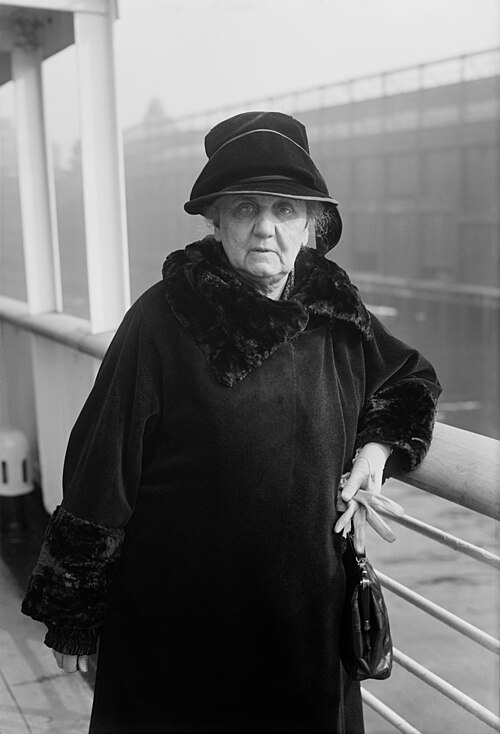
Settlement houses
1860–1935
Adam Cuerden · Public domain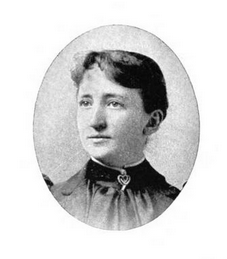
Casework method
1861–1928
May Wright Sewall · Public domain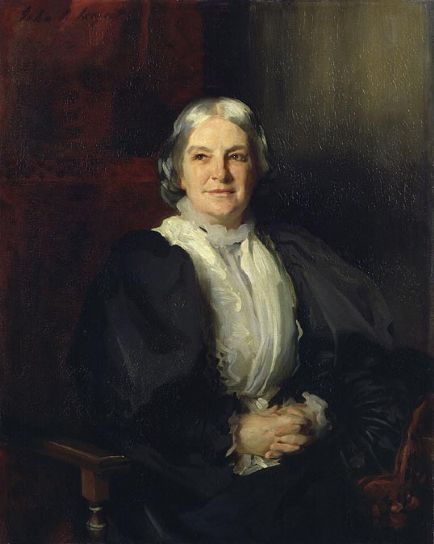
Housing reform
1838–1912
John Singer Sargent · Public domain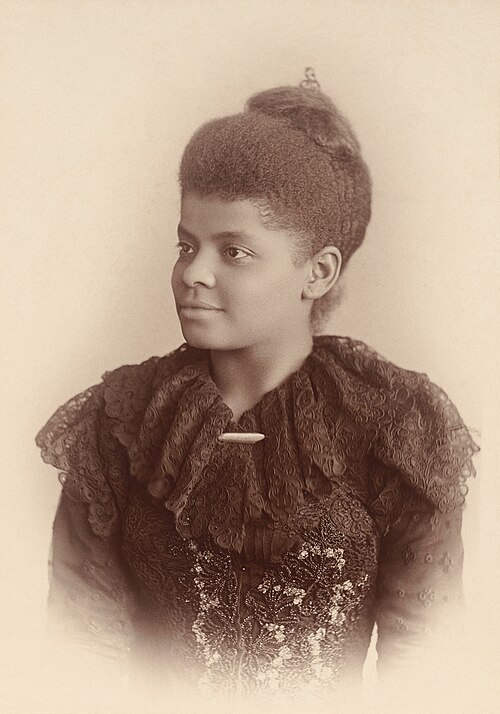
Advocacy journalism
1862–1931
Adam Cuerden · Public domainSame-field head-to-heads built from the six score axes.
Why labels are thematic — not a ranking of better majors.
Scores are browsing aids for curriculum and career lanes, not a league table of worth.
States, markets and norms across borders — diplomacy, security and global governance.
Employability 62 Same field neighbourHow groups make worlds — class, institutions, methods and the politics of categories.
Employability 58 Same field neighbourArgument under rules — statutes, cases, procedure and the power to bind strangers.
Employability 74 🏛️Power, institutions and ideas — how states decide, fail and reinvent themselves.
Employability 60 🌐States, markets and norms across borders — diplomacy, security and global governance.
Employability 62 👥How groups make worlds — class, institutions, methods and the politics of categories.
Employability 58