Athlete: The body as a career: from Olympia's crowned victors to today's global stars, a short, brutal, winner-take-most profession watched by billions.
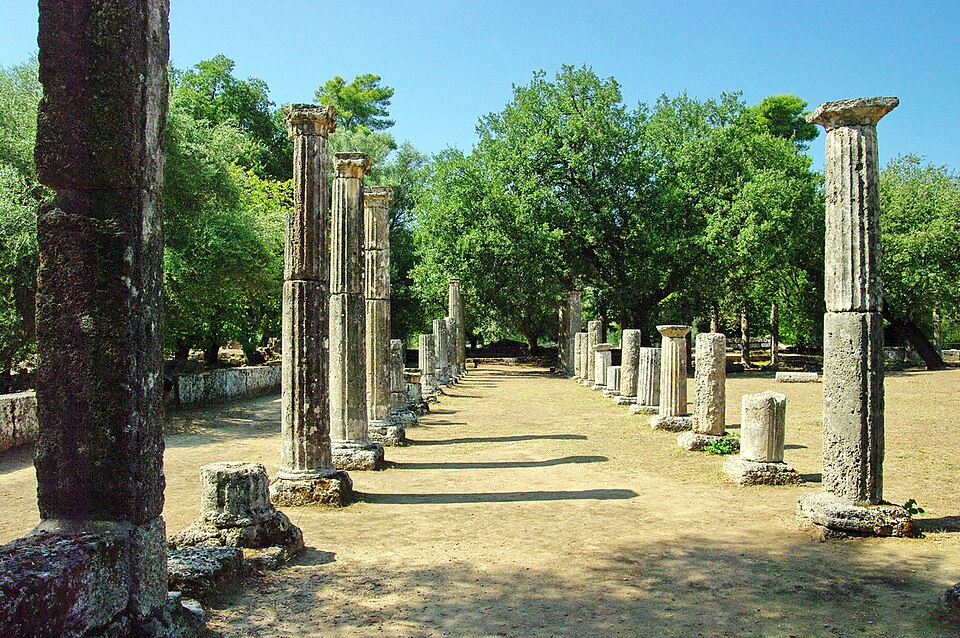
"Athlete" comes from the Greek athlon — prize — so the word has had money in it from the start. Coroebus of Elis, the cook who won the first recorded Olympic sprint in 776 BCE, took home an olive wreath, but Athens later paid Olympic victors 500 drachmas — years of an ordinary wage — and Rome's star charioteers died richer than senators. The pious idea that sport and pay must not mix is, historically, the anomaly: a Victorian invention that lasted barely a century.
It is the only major profession where the pipeline starts before the age of ten and the retirement party often comes before forty. Entry is controlled not by exams or licenses but by pure selection: academy cuts, drafts, tour cards and qualifying standards that admit a fraction of one percent of those who try. The pay distribution is equally extreme — minor leaguers earning less than schoolteachers share a job title with the planet's highest-paid entertainers.
This page follows the job from Olympia and the Roman circus through the amateur century, the Open Era and free agency, to today's data-monitored, brand-managed professional. It covers how people actually get in — club academies, college sport, state systems and open trials — what a training day is really made of, the eight athletes who defined the profession's ceiling, and how much of the work AI and robotics can realistically claim.
Inside the profession
An athlete's job is measurable performance under rules — training, recovering and competing while a body, a calendar and often a commercial apparatus all make conflicting demands.
Training is the workday
Competition is the public product; most hours are periodised training, sleep, nutrition, physiotherapy and film study or technical drill. The craft is absorbing load without breaking: knowing when soreness is adaptation and when it is injury recruiting a longer absence. Support staff multiply at the top; earlier, athletes often self-manage the same trade-offs with less information and more guesswork.
Careers are short and front-loaded
Peak windows differ by sport — gymnastics earlier, endurance later — but few athletic careers resemble a forty-year profession. Education, dual careers and exit planning are not soft extras; they are risk management. Agents, federations and clubs speak the language of potential; the athlete lives the language of expiring physical capital. Identity collapse after retirement is a documented occupational hazard, not a personality flaw.
Selection systems shape childhood
Talent pathways, academy systems and early specialisation decide who even reaches senior start lines. Some sports reward diverse early play; others still push single-sport hours before adolescence. Parents, coaches and schools become part of the labour process. The ethical line between development and unpaid youth labour is contested precisely because the industry's future workforce is recruited as children.
Money follows visibility unevenly
A global star's endorsements obscure the median athlete: minor-league salaries, national-team stipends, prize-money volatility and unpaid development years. Team sports and individual sports distribute risk differently; Olympic sports often depend on public funding and sponsorship patchworks. Injury can end income overnight. Financial literacy and contract advice matter as much as a finishing kick.
How the work branches
Five common shapes of the same title — specialty, setting or career path.
Clubs and leagues
Team-sport professional
Trains and competes inside roster politics, tactics and season-long recovery management.
Federations and high-performance centres
Individual Olympic athlete
Peaks toward quadrennial cycles with funding often tied to ranking and medal potential.
Road, trail and multisport circuits
Endurance / ultra athlete
Manages huge training volumes, sponsorship patchworks and race-by-race economics.
Boxing, MMA, wrestling, martial arts
Combat-sport athlete
Cycles weight, sparring risk and promotional narratives between short, high-stakes fights.
Classified parasport pathways
Paralympic athlete
Combines elite training with classification rules and often thinner commercial support.
How it reads by country
Same craft, different gatekeeping, status and daily texture — rewritten for readers in each language.
United States — NCAA pipeline and league economics
College sport remains a major (and contested) development pathway into pro leagues. NFL, NBA, MLB, NHL and NWSL/MLS structures differ wildly in pay and career length. Title IX, NIL deals and unionisation debates reshape amateur and pro boundaries; most athletes never reach the salary billboards.
South Korea — school teams and military service calculus
School and university team systems feed many sports; corporate and national-team funding matter at the elite edge. Mandatory military service shapes male athletes' timelines unless exemptions apply. Public attention spikes around Olympics and baseball/football leagues; depth of pay varies sharply by sport.
Japan — corporate teams and high-school theatre
Corporate-sponsored teams and strong high-school competitions (notably baseball and soccer) structure careers differently from pure club models. Lifetime-company ideals collide with short athletic peaks. Precision training cultures are admired; transition support after retirement remains uneven.
Germany — Verein culture and Olympic bases
Club (Verein) systems and federal Olympic support centres underwrite development. Dual education and vocational paths are more culturally available than in pure scholarship models. Bundesliga economics sit atop a broad amateur base; many sports live on sparse public and sponsor funds.
United Kingdom — lottery funding and academy football
UK Sport lottery funding reshaped Olympic success and athlete stipends, with periodic reviews cutting sports that miss medal targets. Football academies dominate public imagination and youth hours; rugby, cricket and athletics offer different professional shapes. University sport rarely matches the US commercial engine.
Singapore — SPEX support and small talent pools
High-performance athletes often rely on SPEX scholarships and national sporting associations in a small population base. Multi-sport careers and overseas training camps are common. Commercial leagues are limited in several sports, so teaching, coaching or public-sector roles often sit beside competition.
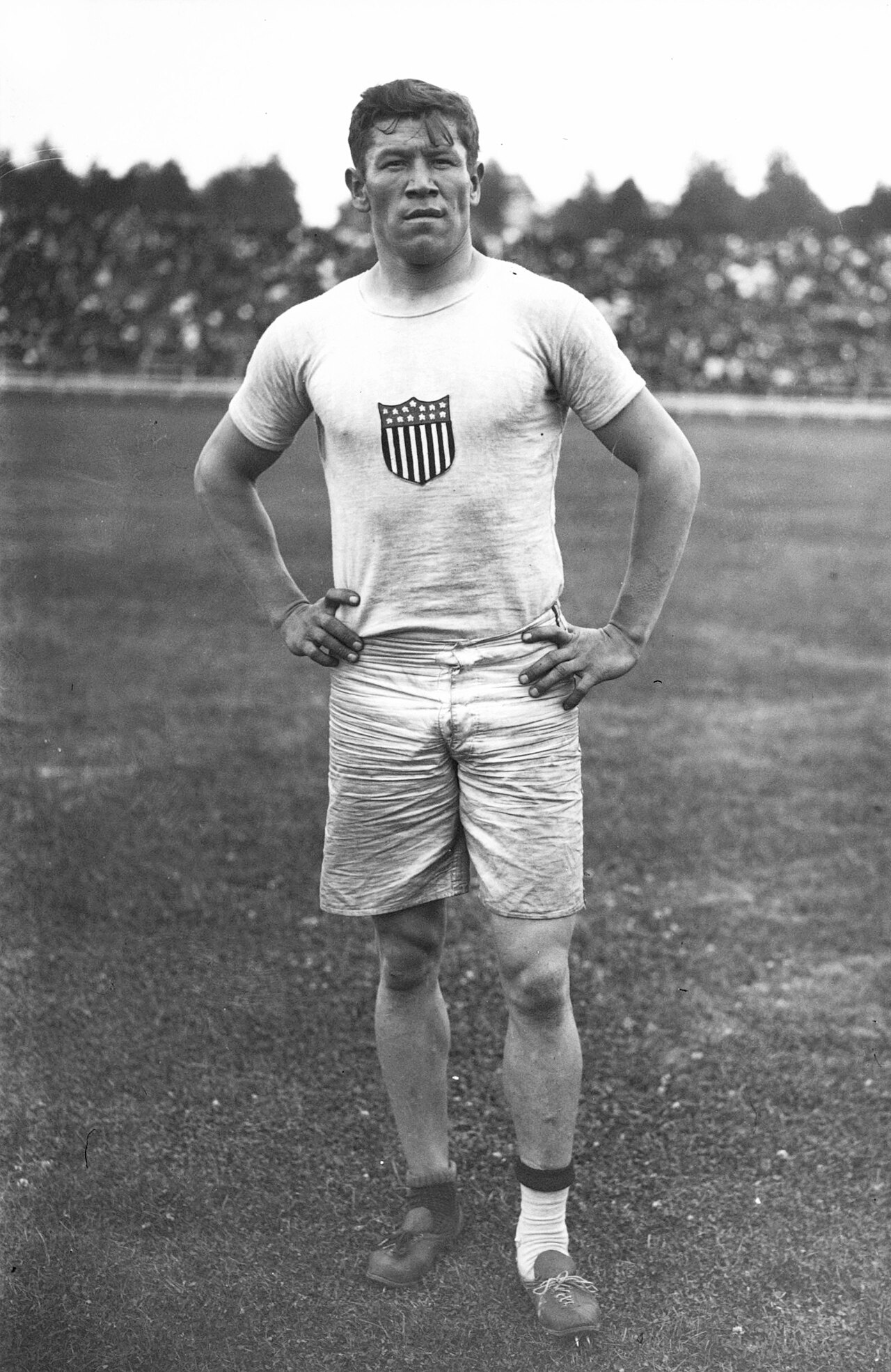
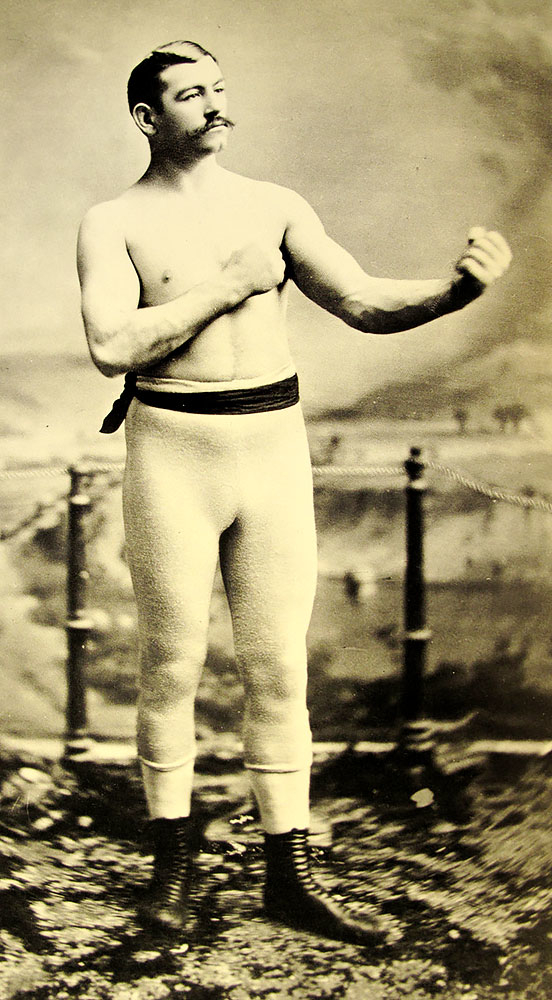
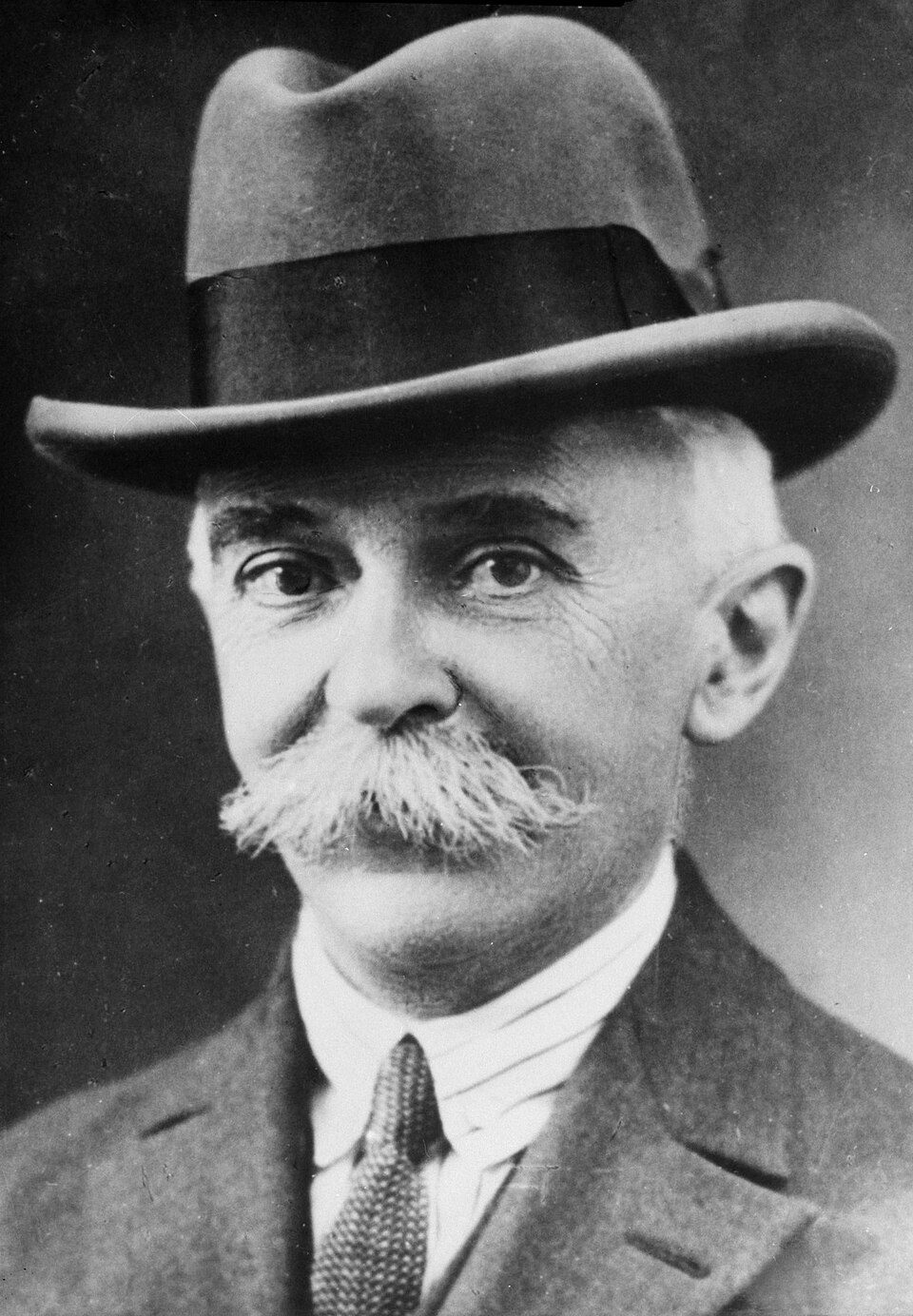
From the archive
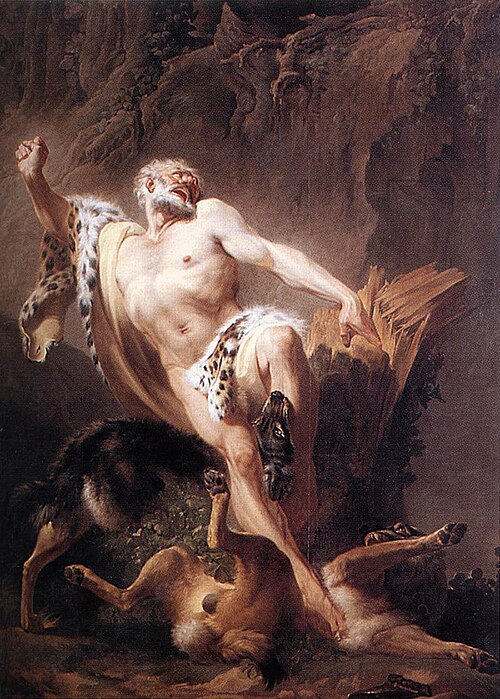
Commons CC/PD images self-hosted for this profession.
Why attitude matters here
An athlete's times and scores are public; what decides whether a career lasts is whether they train, recover and compete honestly when coaches, parents and sponsors want results faster than a body can give.
The body keeps the only ledger that matters
Training logs can lie; tendons and hormones do not. Athletes who hide pain to keep a lineup spot, or push through red-flag fatigue because someone called it softness, convert short-term selection into long-term absence. Attitude toward recovery is performance craft, not lifestyle branding.
Competition rewards focus that can become tunnel vision
Elite sport demands obsession and also exits. Athletes who treat every relationship and education plan as optional often discover, at retirement, that the scoreboard was not a personality. Holding dual plans without using them as an excuse to train casually is a mature stance the system rarely teaches.
Teams win when individuals report honestly
Concealing illness, throwing teammates under the bus after a loss, or sandbagging rehab status corrupts selection and tactics. In squad sports especially, character shows in film sessions and medical rooms — places fans never see and coaches always remember.
Stances that hold up under pressure
Five concrete postures the work rewards, not slogans.
Tells medical staff the truth about pain and sleep
Minimising symptoms to stay selected is a common career tactic and a common career ender. Accurate reporting lets staff manage load; false toughness makes them guess with someone else's ACL, and it teaches younger athletes the same silence.
Trains the plan on boring Tuesdays, not only on camera days
Intensity when watched and shortcuts when alone show up in competition as unexplained gaps. Consistency without an audience is the stance that separates professionals from performers who peak only when the clip might go public.
Accepts role changes without poisoning the locker room
Benchings and position shifts happen in every long season. Athletes who still prepare teammates and execute assignments under reduced status keep teams functional; those who lobby in corridors burn months of trust for a highlight they may not get.
Keeps financial and identity plans beyond the peak window
Ignoring contracts, savings and post-sport skills because "focus" sounds virtuous is negligence dressed as commitment. Building an exit while still competing is responsibility, not disloyalty to the dream or the badge on the chest.
Credits the invisible labour around them
Physios, analysts, cooks, drivers and junior training partners make performances possible. Athletes who treat that labour as furniture teach the next generation the same contempt — and lose the people who keep them available to compete.
Moments that reveal it
Situations that separate résumé language from how someone actually practices.
A starter feels a sharp tendon warning two days before a televised match and selection is on the edge.
Do they report it and risk the lineup for a managed return, or inject silence into the medical process and gamble a season on ninety minutes of image that sponsors and family will celebrate for one night only?
A coach encourages a weight cut or training load the athlete's experience says is reckless.
Do they push back with data, medical allies and a written plan, or comply to protect favour and hope the body negotiates later when the competition calendar will not wait for a real repair cycle at all?
A teammate's error costs a match and microphones are waiting outside.
Does the athlete own the collective performance and protect the locker room, or feed a quote that shifts blame for personal brand protection while the clip spreads faster than any correction can follow?
Rehab clears them for modified training while social media demands a comeback date.
Do they follow the graded return even when followers mock the pace, or accelerate publicly to satisfy narrative and quietly undo months of repair that medical staff cannot rebuild on demand next week?
Where "calling" turns harmful
Early specialisation and unpaid youth labour
"Paying your dues" often means children training like employees — unpaid, over-specialised, missing ordinary education — while adults extract status from results. Passion rhetoric justifies academy hours that resemble labour without wages or informed consent. Sustainable athlete development protects childhood and diversified play; it does not treat kids as raw material for someone else's medal table.
The profile
Resists AI88
Pay70
Barrier to entry92
Autonomy40
Demand55
Impact62
How exposed is it to AI?
Very low
The athlete's core task — competing as a human body under pressure, witnessed by other humans — cannot be automated without ceasing to be the product people pay for. The realistic automation surface is the support work: analysis, programming, judging and routine content, much of which is already machine-assisted. The profession's real risks remain what they always were: injury, deselection and time.
By surviving selection, over and over, from childhood. The usual pipeline runs from youth clubs to a professional academy, US college program or national sports school, then across a final gate that differs by sport: a draft, a first professional contract, a tour card earned at qualifying school, or an official qualifying standard. There is no license and no degree requirement — only being picked, repeatedly, for fifteen years.
What are the odds of becoming a professional athlete?
Brutally low in every measured system. The NCAA estimates only around 2 percent of its college athletes reach the major US professional leagues, and college itself is already a filter. Studies of English football academies find that well under 1 percent of boys who enter at young ages ever play a Premier League first-team match. Individual sports are no kinder: thousands chase a few hundred viable tour spots.
How much do professional athletes earn?
The spread is wider than in any other profession. A US minor-league baseball player earns roughly $20,000–$45,000 a season (2024), an average NBA player around $12 million, and Forbes estimated Cristiano Ronaldo's 2024 income at about $260 million, most of it from endorsements. The median professional athlete worldwide earns a modest living for a short career; the visible superstars are a statistical sliver.
How long does an athletic career last?
Short, and shorter the more violent the sport. The NFL players' association has long put the average career near three years; footballers typically retire in their mid-thirties, gymnasts often before twenty-five, while golfers, sailors and equestrians can compete past fifty. Even a long career ends decades before normal retirement age, which is why the second career is a core part of the job, not an afterthought.
Do you need to go to university to become an athlete?
Only in the United States, and only in some sports. American football and basketball effectively route talent through college programs, since the NFL and NBA draft mainly from them. Almost everywhere else the path runs through professional club academies, national training institutes or state sports schools, and many athletes turn professional at sixteen to eighteen. A growing number study part-time or after retiring instead.
How many hours a day do professional athletes train?
Fewer than most people expect: usually four to six hours of actual physical work, split into two sessions, because the body adapts during recovery, not during effort. The rest of the working day is the invisible part — physiotherapy, gym prehab, video analysis, meals timed to training, naps and early nights. Elite programs treat sleep and recovery as scheduled sessions, not free time.
Will AI or robots replace athletes?
No — the human is the product. Machines have outperformed humans before without ending the contest: chess engines have beaten world champions since Deep Blue defeated Kasparov in 1997, yet human chess is more popular than ever. Spectators pay to watch people strain, fail and win under pressure. AI is instead absorbing the support work: analysis, training-load planning, officiating and media production.
What do athletes do after they retire?
Coaching, media, business and, too often, struggle. The transition is the profession's known hazard: income stops in the early thirties, identity is bound to the sport, and financial distress within a few years of retirement is repeatedly documented in player-association surveys and press investigations. The prepared minority move into coaching, commentary, front offices or businesses built on their name; leagues now run transition programs because so many were not prepared.
Embed this ranking
Paste this code into your blog or site — the ranking stays up to date.