
Recording industry
Labels, A&R, distribution.
Sound as craft — practice rooms, ensembles, theory and the markets that pay (or do not).
Also called: Music performance · Musicology/composition
Reviewed 2026-08-08·Media credits
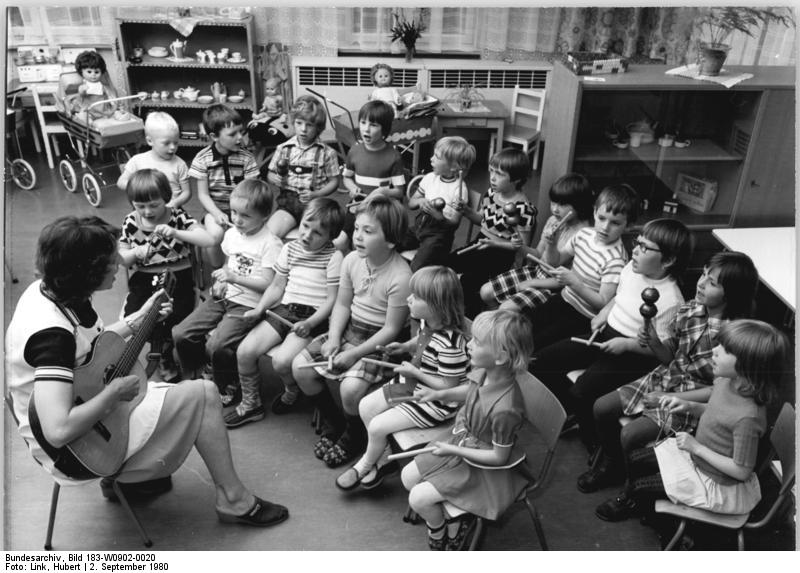
Darker cells mean a higher score for this topic on that metric.
LessMore
Each bar is a 0-100 atlas score for this topic, not a timeline.
Last reviewed Sources & creditsMedia creditsMethodology
Music is sound as craft — practice rooms, ensembles, theory and markets that may or may not pay. Juried performance and rehearsal discipline are the core, not generic “capstone clinics”.
Practice rooms, recital halls and ensemble schedules define the week; moot courts and wet labs do not. Auditions gate entry and often scholarships.
Paths include performance, teaching, composition, production and hybrid portfolio careers. Relative scores among forty majors only.
Typical bachelor years: 4
Scores are relative across the forty majors on this site — not absolute rankings of universities.
Popularity & Demand →Sectors where graduates and research from this field show up most often — plates from Wikimedia Commons.
Labels, A&R, distribution.
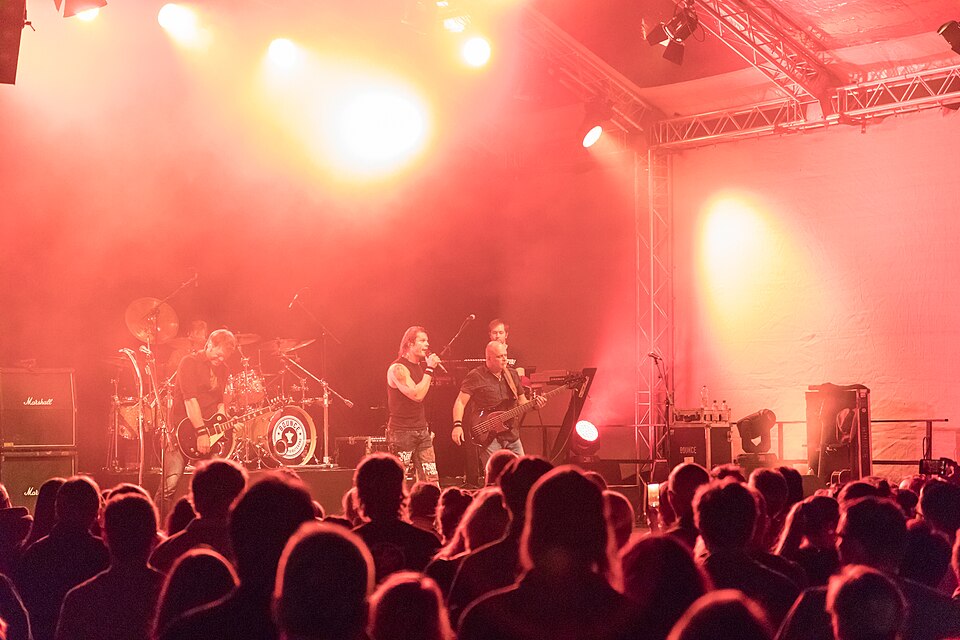
Venues and touring.
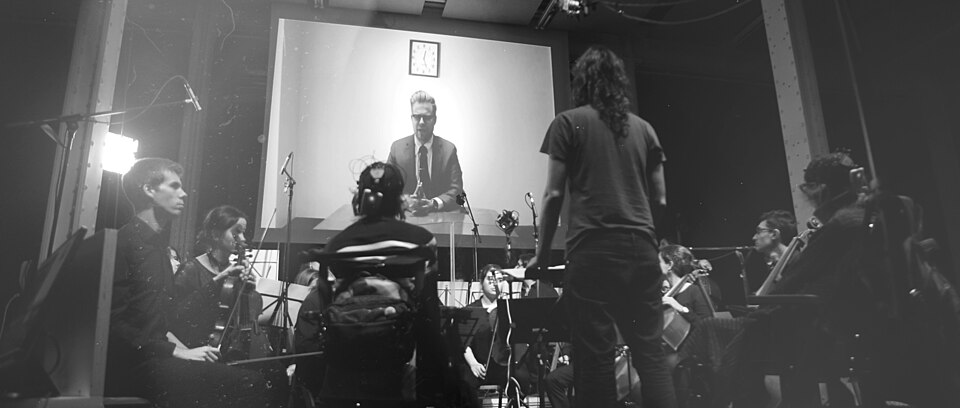
Scores for film and games.
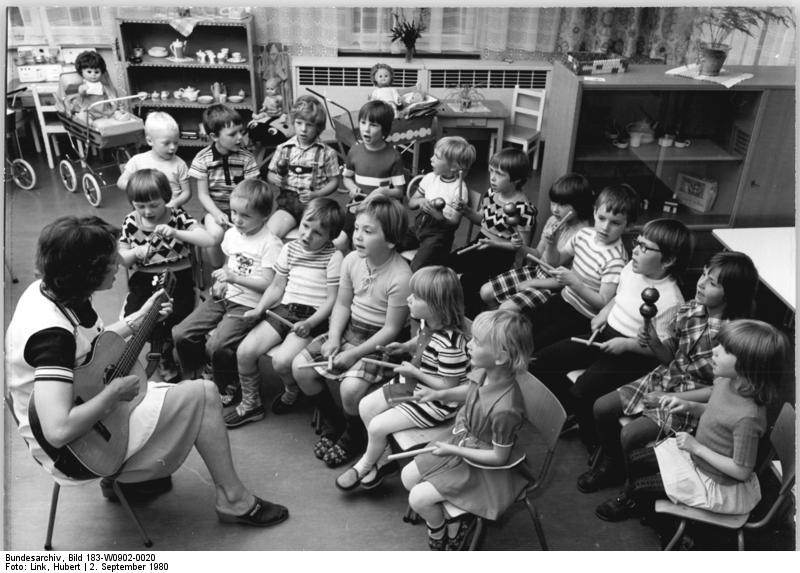
Studios and conservatories.
Checkable figures whose work still frames how the discipline is taught and practised.
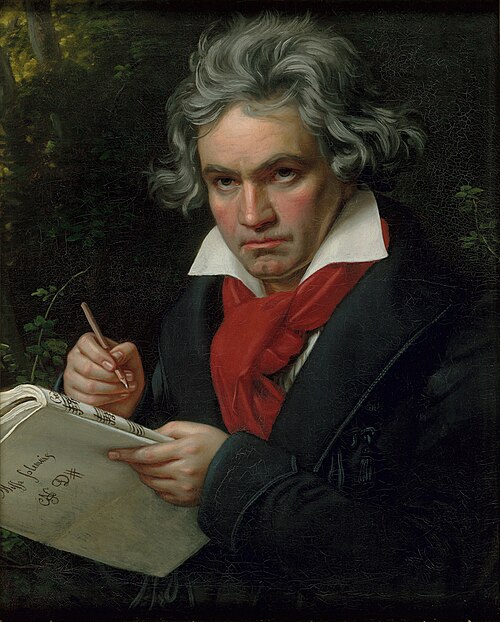
Composer
1770–1827
Joseph Karl Stieler · Public domain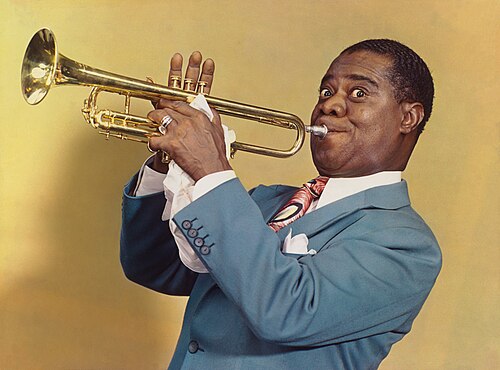
Jazz pioneer
1901–1971
Harry Warnecke / Gus Schoenbaechler · Public domain
Cellist
1955–
Joi Ito · CC BY 2.0
Experimental pop
1965–
Frédéric Vicomte · CC BY-SA 4.0Same-field head-to-heads built from the six score axes.
Why labels are thematic — not a ranking of better majors.
Scores are browsing aids for curriculum and career lanes, not a league table of worth.
Space made lasting — design studios, structure, cities and the politics of who gets to build.
Employability 70 Same field neighbourObjects people use — research, form, manufacturing and the ethics of making more stuff.
Employability 74 Same field neighbourSpace made lasting — design studios, structure, cities and the politics of who gets to build.
Employability 70 ✏️Objects people use — research, form, manufacturing and the ethics of making more stuff.
Employability 74 🖼️Making and meaning — studio practice, critique and the institutions that show work.
Employability 42 🎬Cinema as art, industry and archive — watching closely and sometimes making.
Employability 56