🎬Origins & Evolution

Film Director · Turns a screenplay into a finished film by deciding every shot, performance and cut, then persuades a producer, a studio and an audience the vision was worth the budget.

Film directing is one of the youngest professions in this collection, invented twice over: once when the Lumière brothers proved a projected photograph could move, and again a few years later when Georges Méliès realized a camera could lie as easily as it could record, that a story, not just a scene, could be staged for it.

This page follows the job through ten turning points, five longer eras, and three directing roles the profession lost along the way, from the newsreel director to the studio's contract journeyman, as filmmaking moved from a fairground novelty to a globally financed, globally contested art form.

Where it began

1895Paris, France

On 28 December 1895, Auguste and Louis Lumière charged admission for the first time to a programme of ten short films at the Salon Indien du Grand Café in Paris, including Workers Leaving the Lumière Factory and the fifty-second Arrival of a Train at La Ciotat, a screening later mythologized, probably with exaggeration, as having sent the audience fleeing from an oncoming train that was only a projection. No one in that room held the job title 'director' yet; the Lumières worked as inventors and camera operators, and the idea that someone should stage, rather than simply record, a scene for the camera was still a few years away.

Timeline

1895The Lumière brothers charge admission

Auguste and Louis Lumière hold the first paying public film screening at the Salon Indien du Grand Café in Paris, a programme of ten short, single-shot actuality films that establishes projected film as a commercial medium.

1902Méliès invents the trick-film blockbuster

Georges Méliès releases A Trip to the Moon, a fourteen-minute fantasy built from stop-motion substitution splices, double exposures and hand-painted colour, cinema's first true special-effects spectacle and proof a director could stage a story rather than record one.

1915Griffith codifies film grammar, and Confederate propaganda

D. W. Griffith's The Birth of a Nation pioneers the close-up, the cross-cut and feature-length narrative structure that still underpin film editing, while glorifying the Ku Klux Klan so explicitly that the NAACP organizes protests and several cities ban it outright.

1925Eisenstein codifies montage

Sergei Eisenstein's Battleship Potemkin builds its Odessa Steps massacre almost entirely through the collision of shots in the edit, turning montage from an editing habit into a teachable Soviet theory of how meaning is generated on screen.

1929The Academy hands out its first Best Director award

The Academy of Motion Picture Arts and Sciences presents its first directing awards, split that year between Frank Borzage for drama and Lewis Milestone for comedy, formalizing Hollywood's own hierarchy of directorial prestige.

1936Directors organize against the studios

Frank Capra and roughly a dozen other directors found the Screen Directors Guild, later the Directors Guild of America, to win directors minimum pay, creative protections and, eventually, more control over the first cut of their own films.

1941Welles proves a studio contract can still make room for authorship

Orson Welles, given unprecedented creative control by RKO at age twenty-five, directs Citizen Kane using deep-focus cinematography and a fractured, nonlinear structure, a film that still tops most critics' lists of the greatest ever directed.

1951Kurosawa wins Venice and opens world cinema

Akira Kurosawa's Rashomon, told through four contradictory eyewitness accounts of the same crime, wins the Golden Lion at the Venice Film Festival, introducing Japanese cinema to a global audience and giving film theory the term 'Rashomon effect.'

1959The French New Wave puts auteur theory into practice

François Truffaut's The 400 Blows, followed a year later by Jean-Luc Godard's Breathless, apply Cahiers du Cinéma's 'auteur theory' on location with handheld cameras and jump cuts, launching the French New Wave and a new model of the director as sole author.

2019A Netflix film wins Best Director

Alfonso Cuarón wins the Academy Award for Best Director for Roma, a black-and-white, Spanish- and Mixtec-language memoir financed and distributed by Netflix, confirmation that a streaming service could now finance and win with director-driven prestige filmmaking.

The eras

A silent film being screened with live musical accompaniment
Metro Pictures Corporation (still) · Public domain · Wikimedia Commons
1895–1912

Cinema before the director

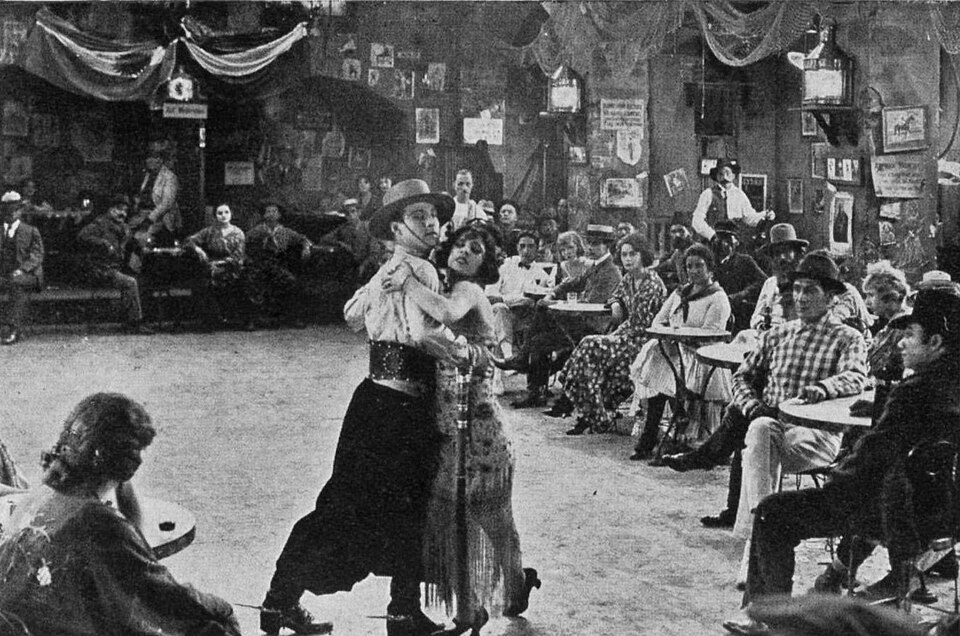
Before 'director' was a job title, cinema's earliest images came from inventors and camera operators: the Lumière brothers documented real life, while in the United States Edwin S. Porter experimented with editing shots together into a sequence in The Great Train Robbery (1903). Georges Méliès, a former stage magician, went furthest fastest, building a glass-walled studio at Montreuil in 1897 and treating the camera itself as a magic trick, stopping it mid-shot to make objects vanish, multiply or transform, and staging elaborate fantasy narratives years before anyone called that work 'directing.'
Portrait photograph of director D. W. Griffith
Unknown author Unknown author · Public domain · Wikimedia Commons
1913–1927

Hollywood standardizes a director-led grammar

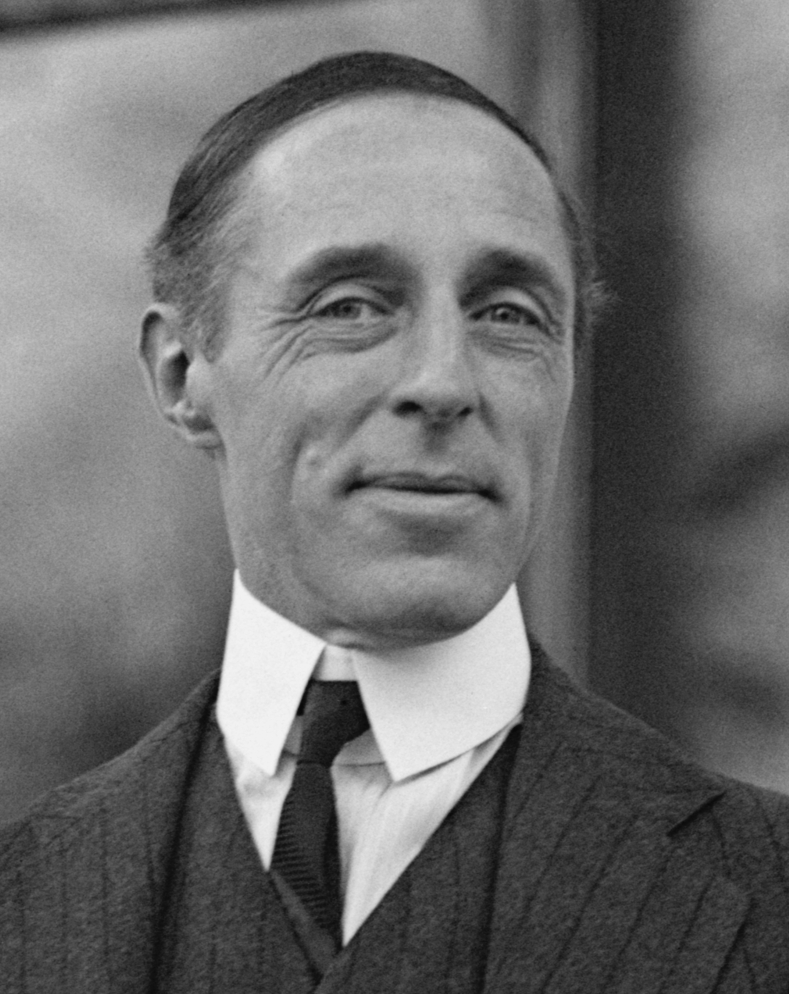
As films stretched from a few minutes to feature length, someone had to organize dozens of shots into a coherent story, and D. W. Griffith did more than anyone to define how: parallel editing, the close-up and the iris shot became standard vocabulary through films like The Birth of a Nation (1915), whose narrative innovations are inseparable from its explicit glorification of the Ku Klux Klan and the protests it provoked. The same years saw Universal, Paramount and other studios consolidate into vertically integrated companies that would soon employ directors as salaried staff.

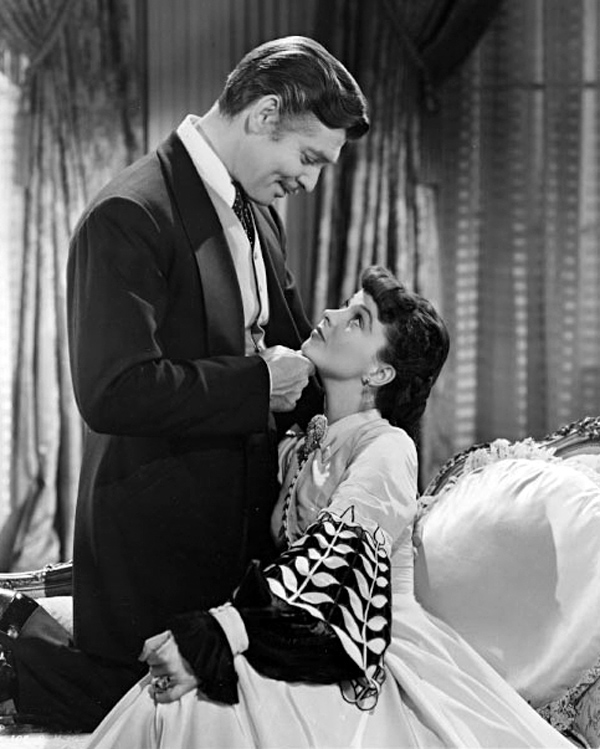
A production still from a classic-era Hollywood studio soundstage
Selznick International Pictures; Fred Parrish, photographer · Public domain · Wikimedia Commons
1927–1949

Sound arrives, the studio system consolidates

Sound arrived commercially with The Jazz Singer in 1927, forcing directors used to purely visual storytelling to suddenly stage dialogue and manage new recording equipment on set. Hollywood's major studios now owned production, distribution and their own theatre chains, employing contract directors like John Ford and Michael Curtiz on fixed multi-year deals with little control over final cut; in 1936, Frank Capra and other directors founded the Screen Directors Guild to win back some of that authority. In the Soviet Union, Sergei Eisenstein pursued an opposite, state-funded model built entirely around directorial editing theory.

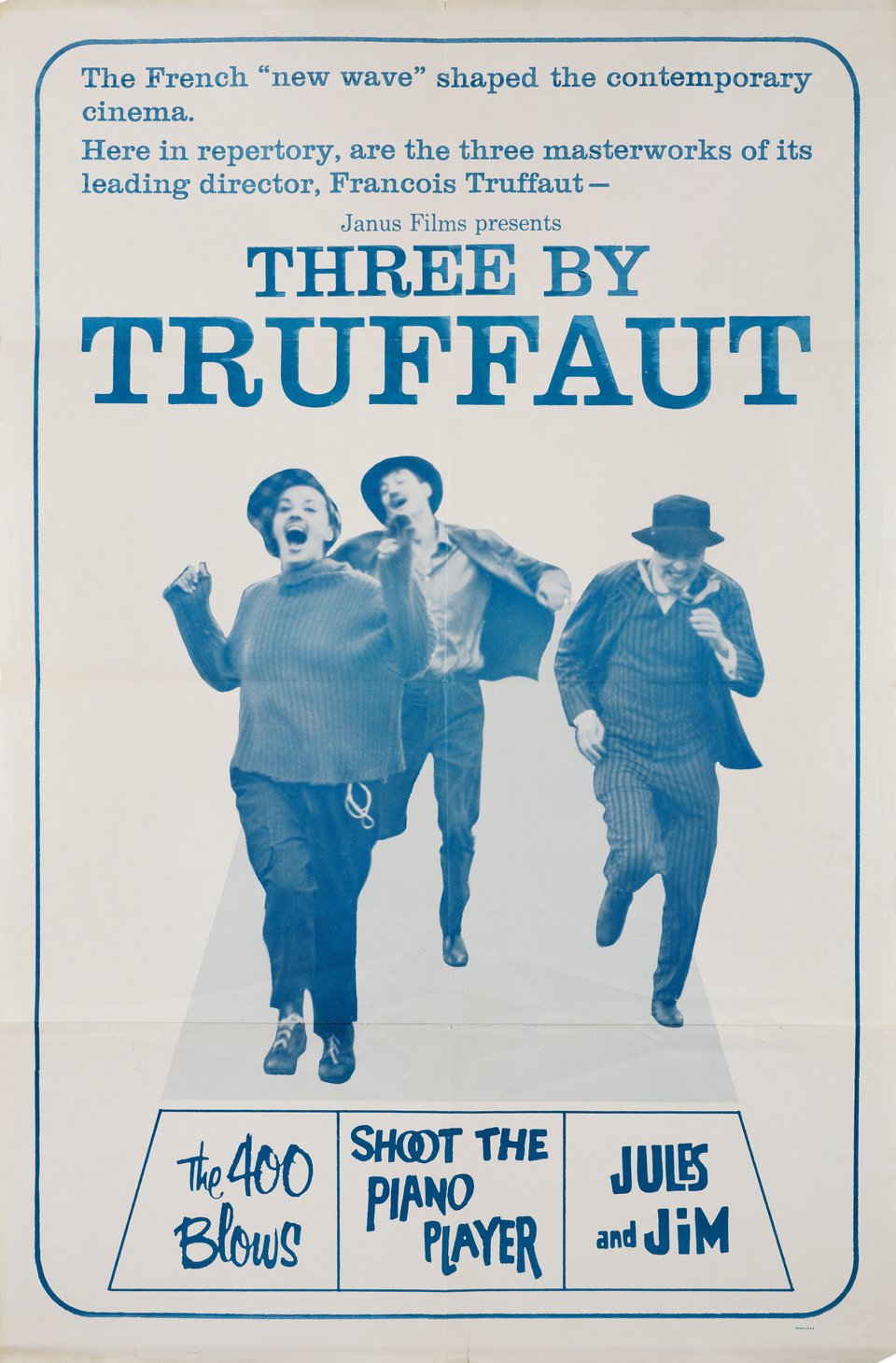
A scene evoking the handheld, on-location style of the French New Wave
Janus Films · Public domain · Wikimedia Commons
1950–1968

Global new waves challenge the studio director

Postwar audiences discovered Hollywood was not the only, or even the most inventive, source of cinema. Akira Kurosawa's Rashomon (1950) and Ingmar Bergman's austere Swedish dramas won prizes at Venice and Cannes, Federico Fellini turned Italian cinema inward and surreal, and in France critics-turned-directors at Cahiers du Cinéma, Truffaut and Godard among them, alongside Left Bank filmmakers like Agnès Varda, shot on real streets with small crews and jump cuts, arguing in print and on screen that a director could be a film's true author.

A 1970s film camera setup evoking the New Hollywood era
Distributed by Warner Bros.-Seven Arts . · Public domain · Wikimedia Commons
1969–present

New Hollywood, blockbusters and the streaming platform

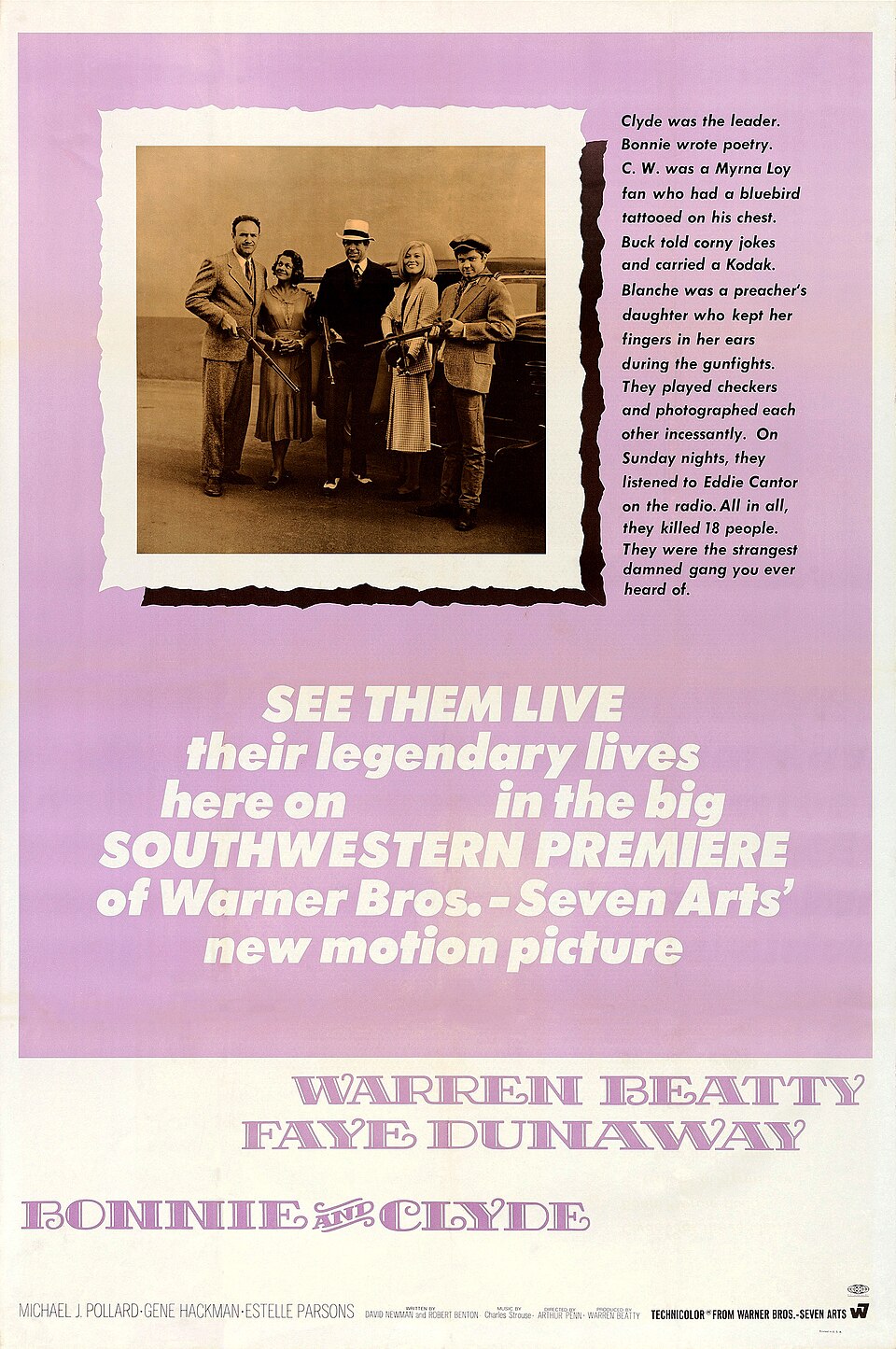
New Hollywood directors, Coppola, Scorsese, Altman and Spielberg among them, briefly won studios' trust to make personal, director-driven films in the early 1970s, before Jaws (1975) and Star Wars (1977) proved a single blockbuster could out-earn a studio's entire prior slate and pulled the industry toward franchise-scale, effects-driven filmmaking. Digital cameras and non-linear editing then dissolved the cost of experimentation, and by the 2010s streaming platforms were financing and distributing director-led films directly, bypassing theatres for projects a decade earlier would have needed a traditional studio to make at all.

What this job replaced

Neighbouring trades that no longer exist — absorbed, automated or regulated away.

The newsreel director

c. 1910–1967

Theatrical newsreels, Pathé News, Universal Newsreel and Fox Movietone among them, employed their own directors to shoot and cut short factual programmes screened before every feature film, a directing career built entirely around weekly deadlines rather than narrative control. Television news made theatrical newsreels obsolete through the 1960s; Universal Newsreel, the last major American one, shut down in 1967.

The contract studio director

c. 1920s–1950s

Golden Age Hollywood directors were routinely salaried studio employees under exclusive multi-year contracts, assigned to projects rather than choosing them and rarely controlling the final cut of their own films. The 1948 United States v. Paramount Pictures antitrust ruling forced studios to sell their theatre chains and abandon exclusive contracts, and within a decade most directors were negotiating film by film as freelancers instead.

The serial chapter-play director

c. 1913–1956

Studios like Republic Pictures and Universal employed directors who specialized entirely in serials, action stories released in weekly twelve- to fifteen-chapter installments that each ended on a cliffhanger, shot fast and cheap for Saturday matinee audiences. Republic released its last American theatrical serial in 1955, and the format vanished from cinemas within a couple of years as television delivered a weekly cliffhanger straight into living rooms instead.

Trades that vanished →

The thread running through 130 years of the profession is a widening argument over who actually gets to be called an author: Méliès and Griffith could still touch nearly every frame of their own films, while today's director increasingly shares authorship with a studio's franchise rules, a streaming platform's data, and software that can generate an entire storyboard overnight.

What has not changed is where the responsibility sits on the day of the shoot. Whoever holds the title, in whatever decade, is the person a hundred-person crew, a nervous financier and eventually an audience will hold accountable for whether the footage in the can actually becomes a film.

Keep exploring

More in Arts & Creation