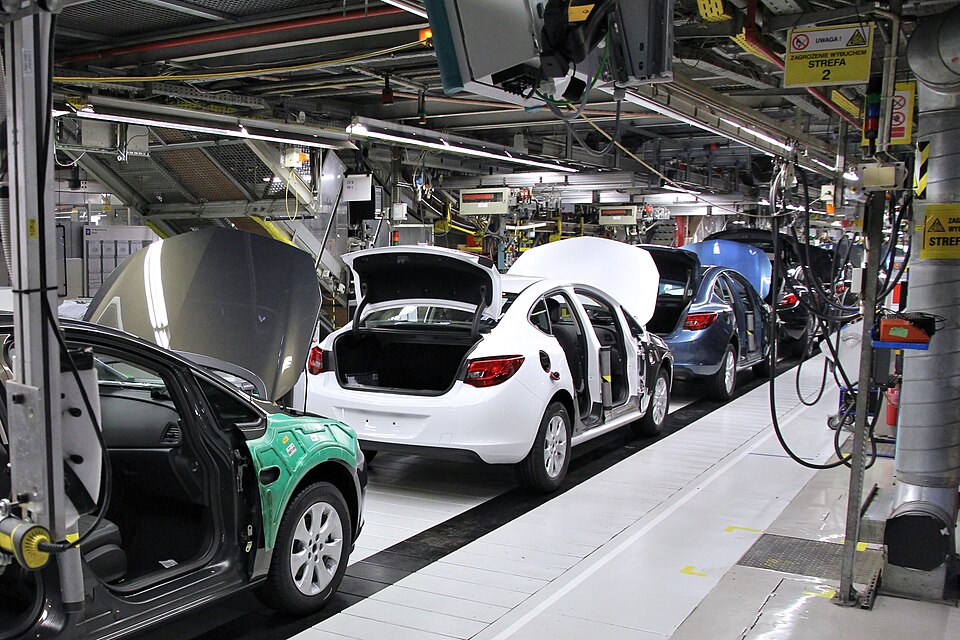
Automotive
Vehicles, drivetrains and factories.
Forces, materials and machines — designing things that move, bear load and last.
Also called: ME · Mech Eng
Reviewed 2026-08-08·Media credits
Darker cells mean a higher score for this topic on that metric.
LessMore
Each bar is a 0-100 atlas score for this topic, not a timeline.
Last reviewed Sources & creditsMedia creditsMethodology
Mechanical engineering is the design of things that move, bear load and fail safely — solids, fluids, heat and manufacturing as one habit. Capstones usually end in a prototype, test report or plant-facing analysis, not a purely verbal thesis.
Machine shops, CAD labs and materials testing facilities shape the week; risk assessments and tooling queues are part of the pedagogy. Theory-heavy tracks exist, but accreditation often still expects hands-on evidence.
Graduates enter aerospace-adjacent, robotics, energy, manufacturing and product roles. Scores are relative among the forty majors here.
Typical bachelor years: 4
Scores are relative across the forty majors on this site — not absolute rankings of universities.
Popularity & Demand →Sectors where graduates and research from this field show up most often — plates from Wikimedia Commons.
Vehicles, drivetrains and factories.
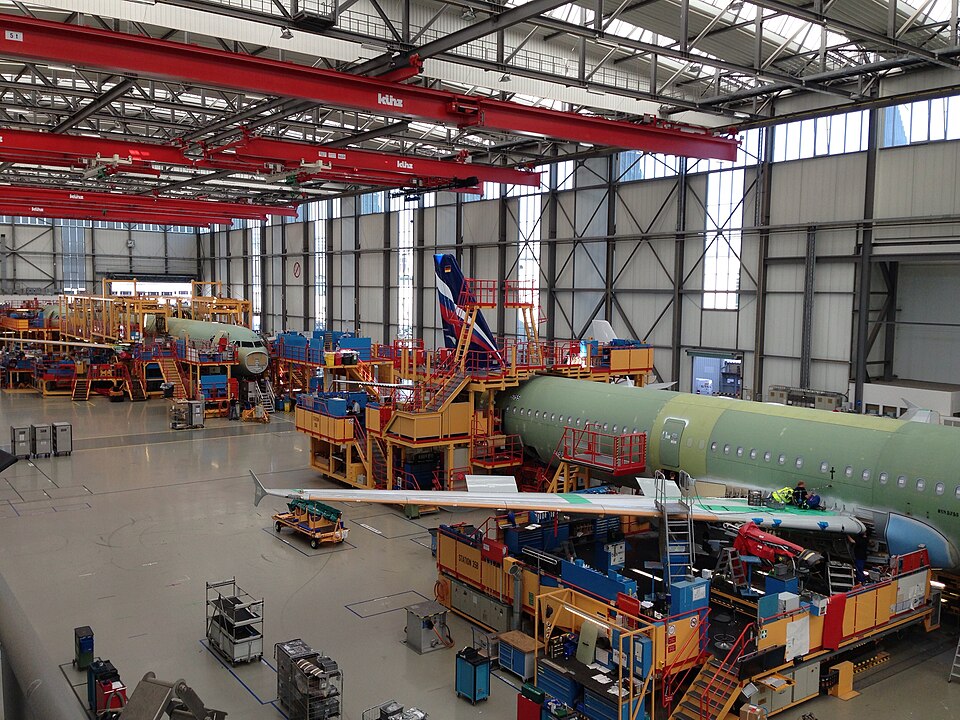
Airframes, engines and tooling.
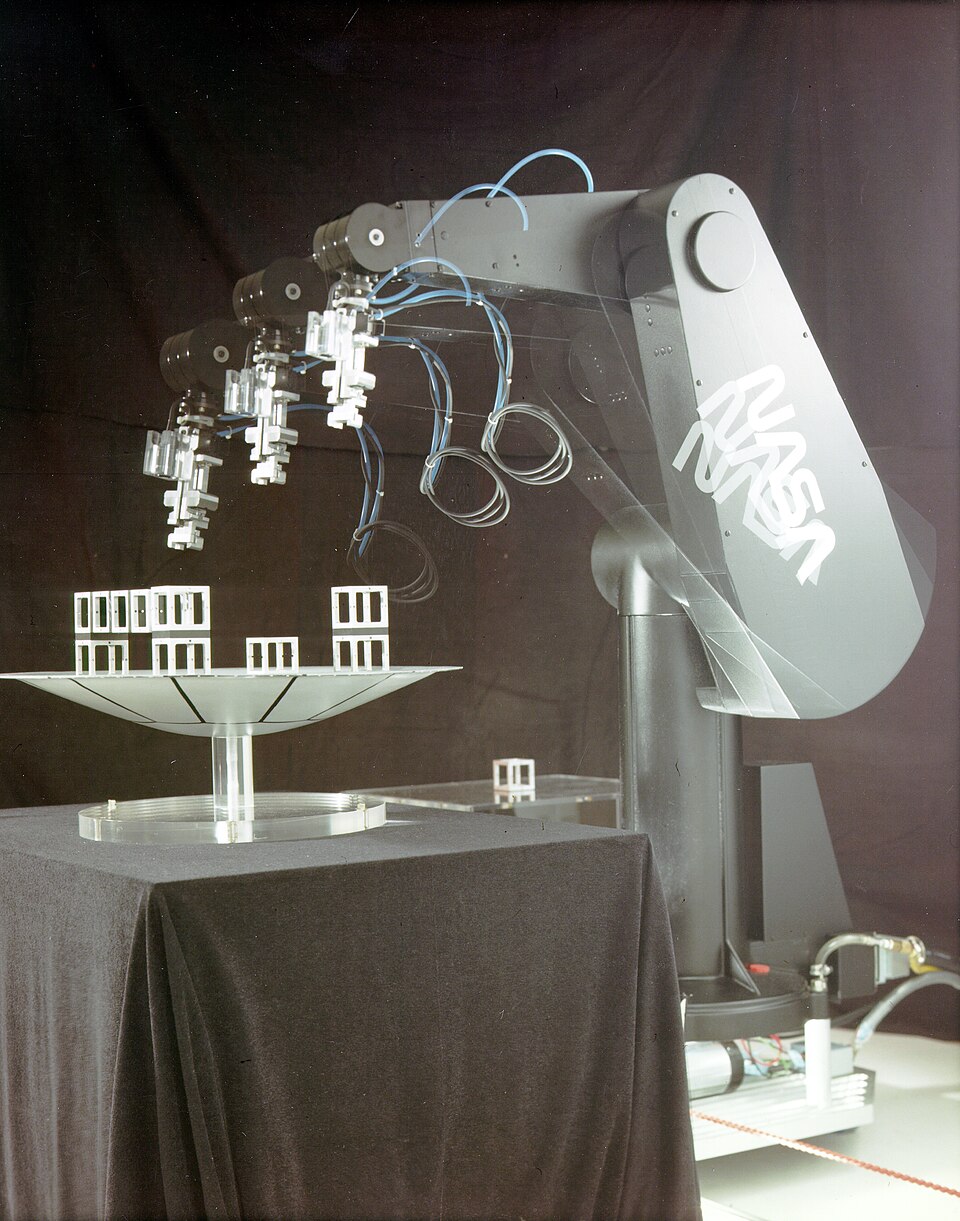
Industrial arms and motion systems.
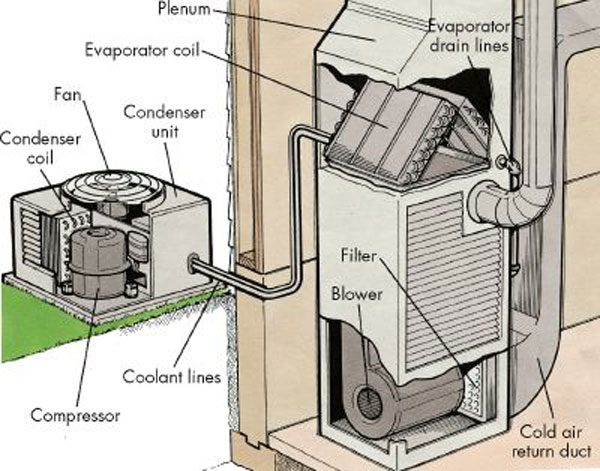
Buildings that breathe efficiently.
Checkable figures whose work still frames how the discipline is taught and practised.
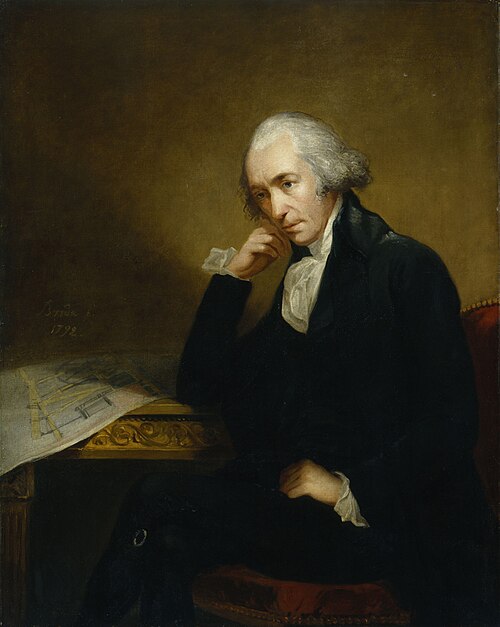
Steam engine
1736–1819
Carl Frederik von Breda · Public domain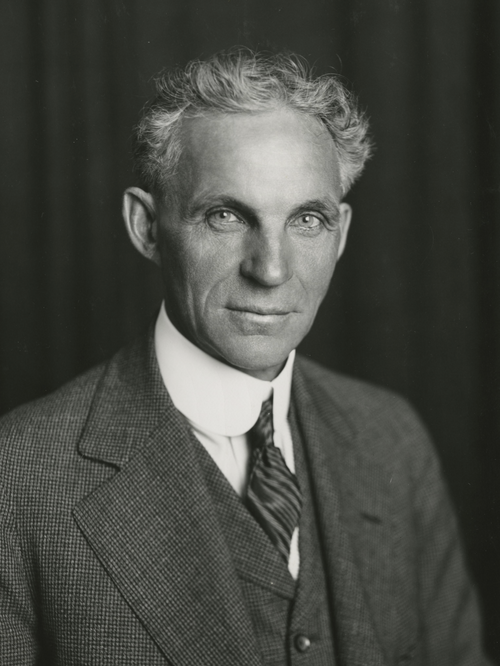
Mass production
1863–1947
Ford Motor Company. Photographic Department · Public domain
Kevlar inventor
1923–2014
Staff photographer · CC BY-SA 3.0
Engine maker
1906–1991
財界研究社、撮影者不明 · Public domainSame-field head-to-heads built from the six score axes.
Why labels are thematic — not a ranking of better majors.
Scores are browsing aids for curriculum and career lanes, not a league table of worth.
Statistics, computing and domain sense — turning messy data into decisions that hold up.
Employability 92 Same field neighbourUncertainty made usable — design, inference and the ethics of claiming a pattern is real.
Employability 88 Same field neighbourAlgorithms, systems and software — how machines are made to reason, store and communicate.
Employability 94 ⚡Circuits, fields and signals — powering, sensing and communicating the physical world.
Employability 88 🌉Infrastructure that societies stand on — bridges, water, roads, cities and codes.
Employability 84 ⚗️Turning reactions into plants — scale, safety and efficiency from molecule to factory.
Employability 82 🛰️Flight in air and vacuum — structures, propulsion, guidance and certification.
Employability 76 📊Statistics, computing and domain sense — turning messy data into decisions that hold up.
Employability 92 🧮Proof, structure and abstraction — the language that other sciences borrow.
Employability 70 ⚛️Matter, energy, space and time — from lab benches to the edge of the observable.
Employability 68 🧪Molecules and reactions — how substances change, bind and are made safely.
Employability 72 📉Uncertainty made usable — design, inference and the ethics of claiming a pattern is real.
Employability 88