c. 1200Fitted clothing creates the trade
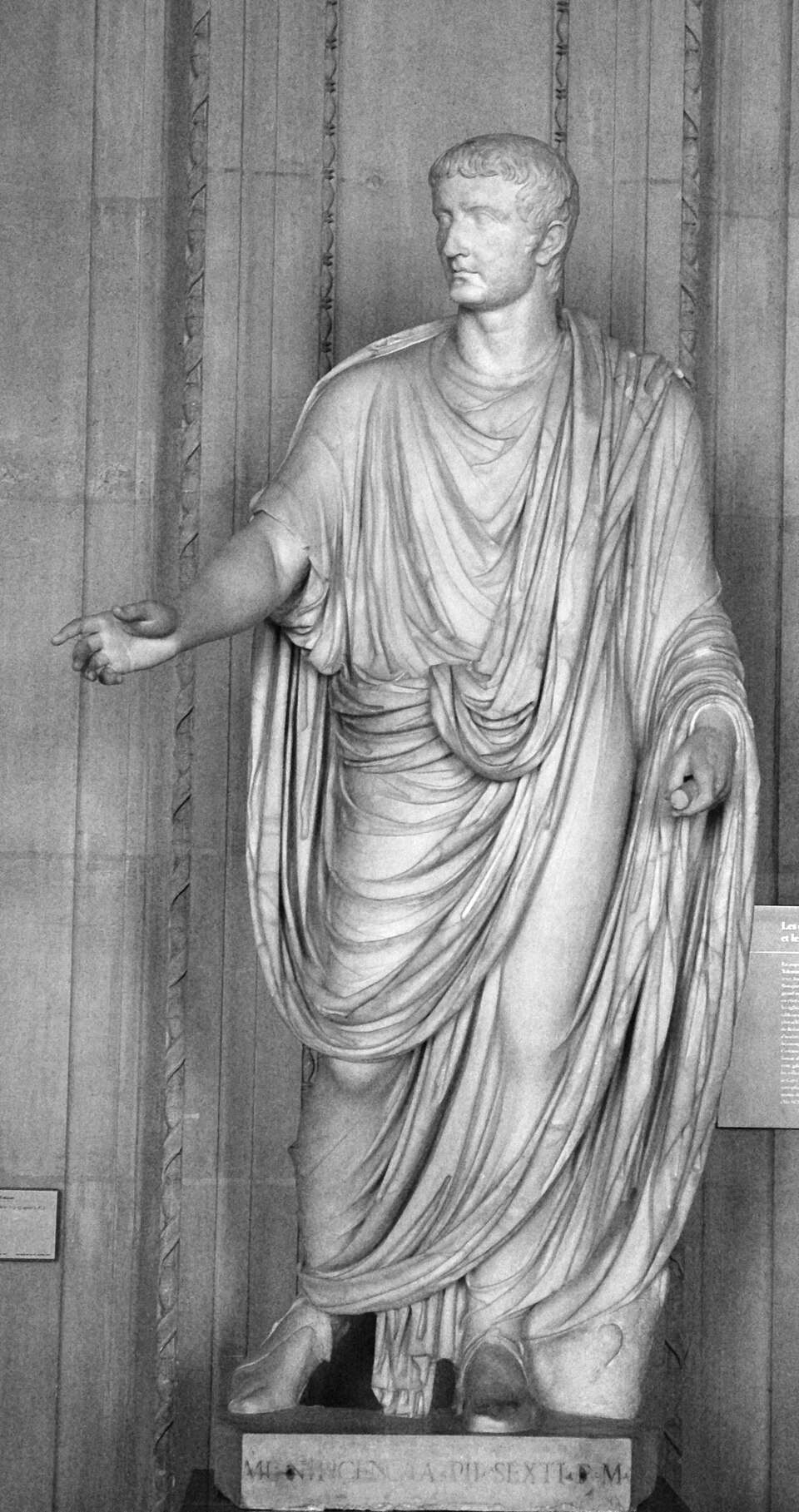
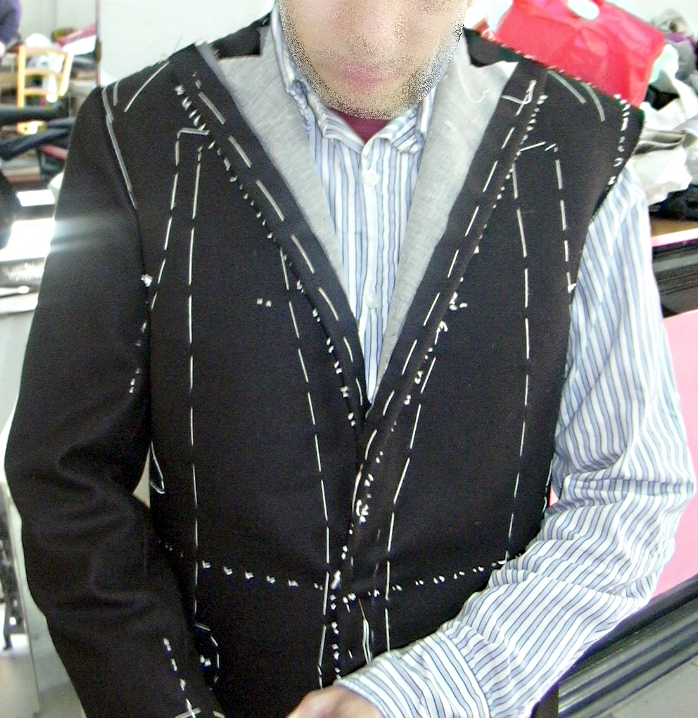
European dress shifts from draped and woven-to-shape garments toward fitted ones built from shaped, curved pieces. Cutting to fit becomes a distinct urban craft, separate from weaving and cloth dealing, and tailors' guilds begin appearing in city records across France, Italy, England and the German lands, controlling who may practice and how apprentices are trained.
1327London's tailors win a royal charter
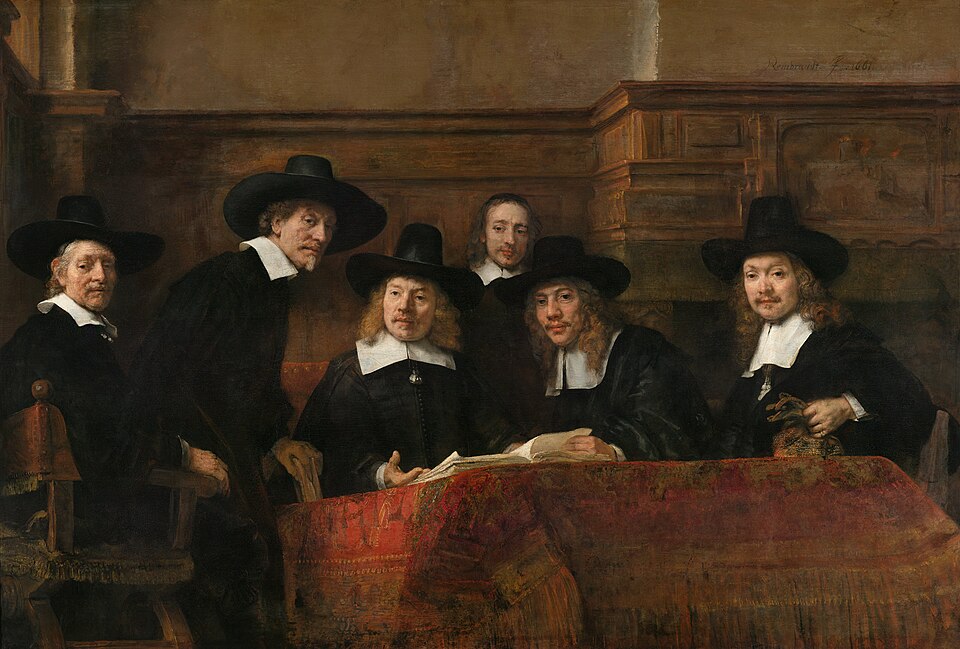
Edward III grants a charter to the Fraternity of St John the Baptist of Tailors and Linen Armourers of London — tailors and the makers of padded garments worn under armor, chartered together. Reincorporated as the Merchant Taylors in 1503, the guild became one of the Great Twelve livery companies of the City of London, wealthy enough to found schools that still exist.
1580Alcega puts cutting into print
Spanish tailor Juan de Alcega publishes his Libro de Geometría, Práctica y Traça in Madrid — the earliest surviving printed tailor's pattern book, showing how to lay out doublets, cloaks and gowns on cloth of stated widths with minimal waste. Cutting, until then a jealously guarded oral guild secret, becomes geometry a stranger could study.
1666Charles II invents the waistcoat
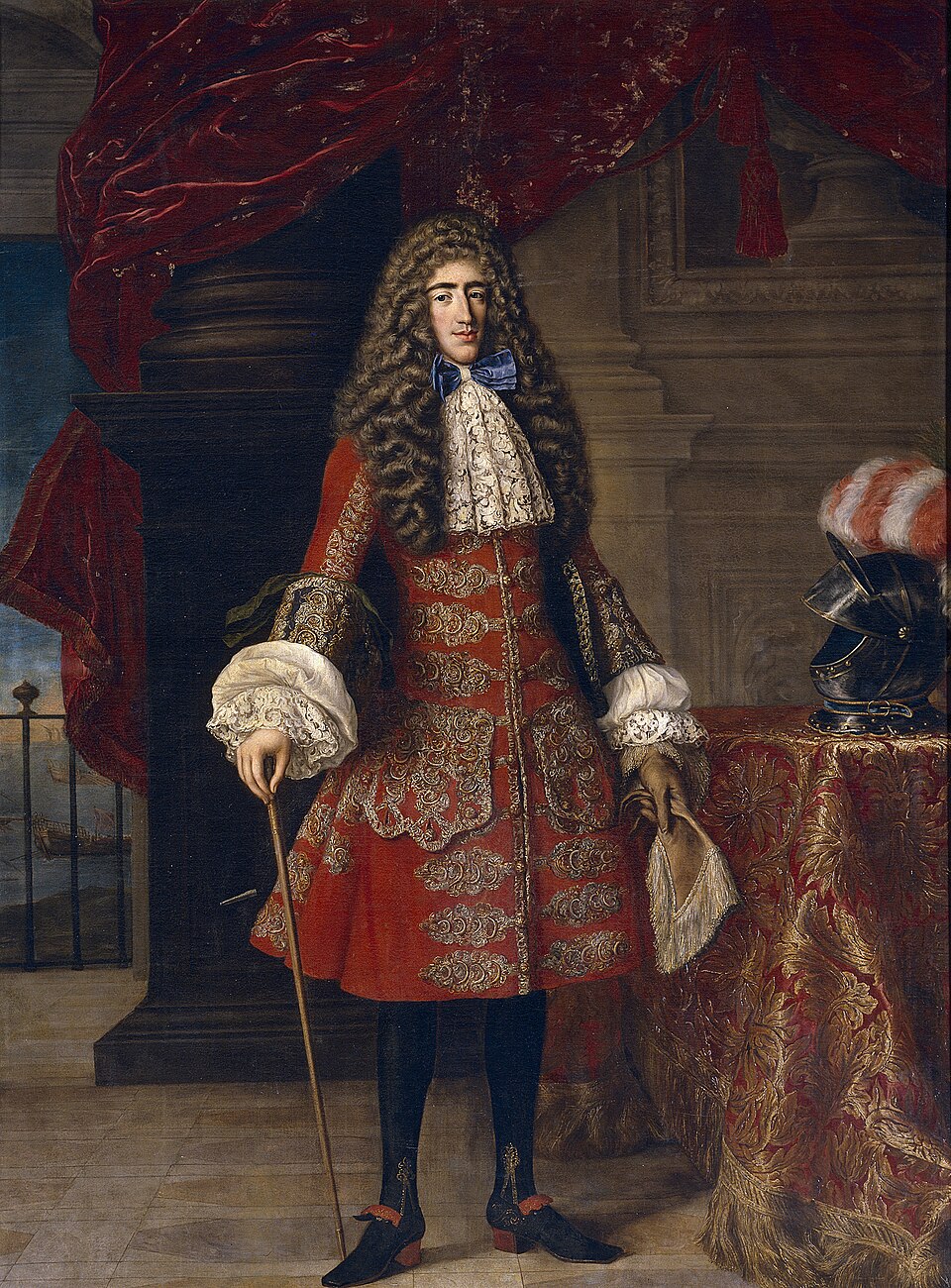
In October 1666, weeks after the Great Fire, Charles II declares he will set a new fashion — a long vest worn under a coat, recorded by Samuel Pepys in his diary. Conceived partly to end English dependence on French fashion, the coat-vest-breeches ensemble is the direct ancestor of the three-piece suit, the garment around which men's tailoring still revolves.
1846Howe patents the sewing machine
Elias Howe patents his lockstitch sewing machine in the United States on 10 September 1846, having staged a race in which his machine out-sewed five hand sewers. Isaac Singer's improved and aggressively marketed machines followed from 1851. Seams that took hours now took minutes — the foundation of the ready-made clothing industry that would swallow most of the trade.
1861–1865War data makes standard sizes
Mass production of Union Army uniforms during the American Civil War generates the first large-scale body-measurement data, revealing that men's proportions cluster into predictable size sets. After the war, manufacturers use these 'drop' sizes to build a ready-made menswear industry, splitting clothing permanently into factory garments for the many and custom tailoring for the few.
1865Henry Poole cuts the first dinner jacket
Henry Poole & Co of Savile Row makes Edward, Prince of Wales, a short informal evening jacket for dinners at Sandringham, in place of the long tailcoat. In 1886 the prince refers the American James Brown Potter to Poole for the same garment; Potter wears his home to the Tuxedo Park club in New York, and America names the jacket after the club.
1930sScholte drapes the modern suit
Dutch-born London tailor Frederick Scholte develops the drape cut — extra fullness over the chest and shoulder blades, a defined waist, adapted from the proportions of Brigade of Guards officers' greatcoats. Worn for three decades by his client the Duke of Windsor and copied by Hollywood's tailors, it becomes the dominant suit silhouette of the mid-twentieth century.
1969Nutters breaks Savile Row open
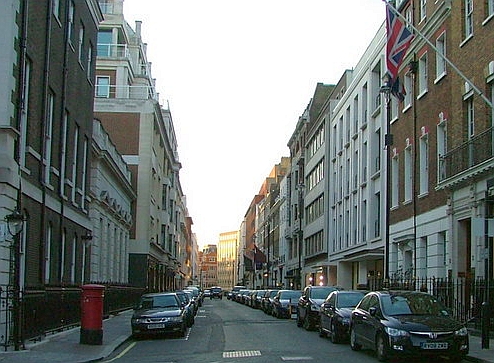
On 14 February 1969, 25-year-old Tommy Nutter opens Nutters of Savile Row, backed by the singer Cilla Black and Apple Corps executive Peter Brown, with Edward Sexton at the cutting board. The first new house on the Row in decades puts open display windows on a street of famously closed shopfronts, and dresses Beatles and Rolling Stones in bespoke.
2004The Row organizes to defend 'bespoke'
Fifteen leading houses found the Savile Row Bespoke Association, defining what the word must mean on the Row: a garment cut and made on or around Savile Row, from an individually drafted pattern, with more than fifty hours of hand work. A 2008 UK Advertising Standards Authority ruling that a machine-made suit could also be advertised as 'bespoke' sharpened the association's cause.