Community pharmacy
Dispensing and counselling.
Medicines from molecule to patient — chemistry, counselling and systems that keep doses safe.
Also called: Pharmaceutical sciences · PharmD path
Reviewed 2026-08-08·Media credits
Darker cells mean a higher score for this topic on that metric.
LessMore
Each bar is a 0-100 atlas score for this topic, not a timeline.
Last reviewed Sources & creditsMedia creditsMethodology
Pharmacy runs from medicinal chemistry to the counter — formulation, pharmacokinetics and counselling that keep doses safe. Dispensing errors are a professional, not academic, category of failure.
Compounding labs, pharmacology suites and experiential rotations in hospitals or community pharmacies shape the degree. Purely online pathways usually cannot replace supervised practice hours.
Careers include community and hospital pharmacy, industry and regulatory science. Scores are relative among majors here.
Typical bachelor years: 5
Scores are relative across the forty majors on this site — not absolute rankings of universities.
Popularity & Demand →Sectors where graduates and research from this field show up most often — plates from Wikimedia Commons.
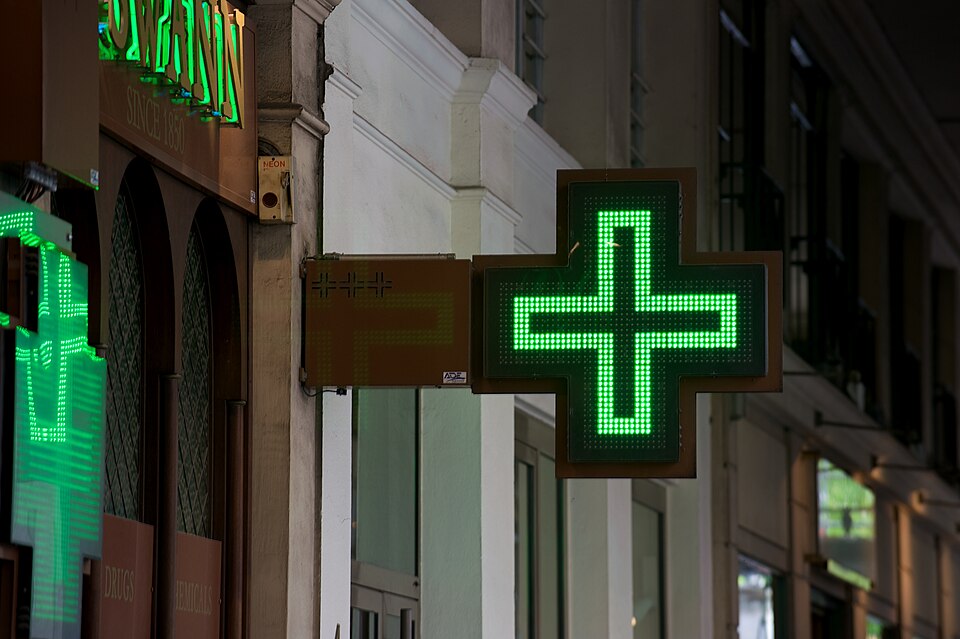
Dispensing and counselling.
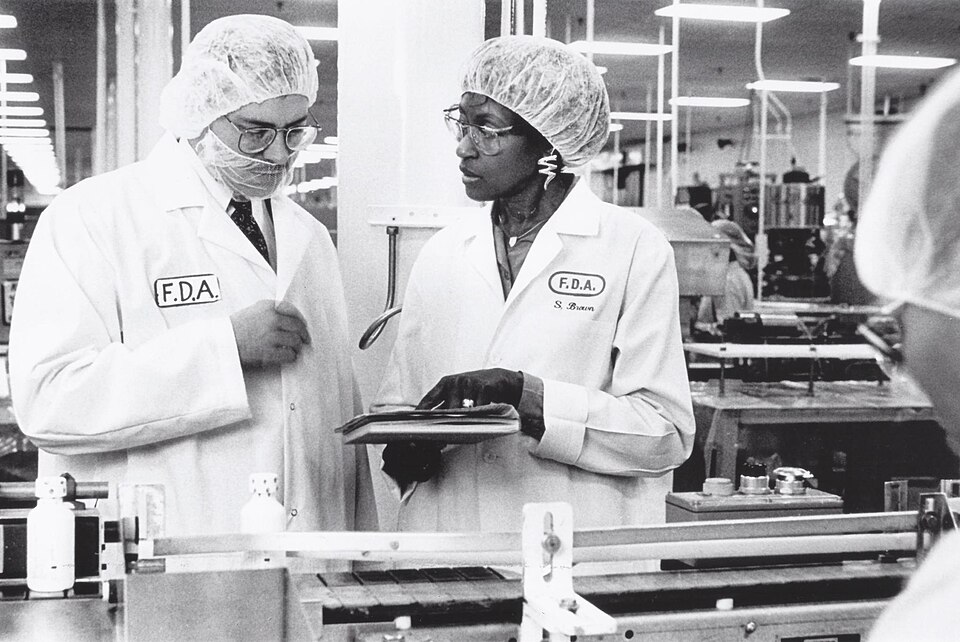
Manufacturing and regulatory.
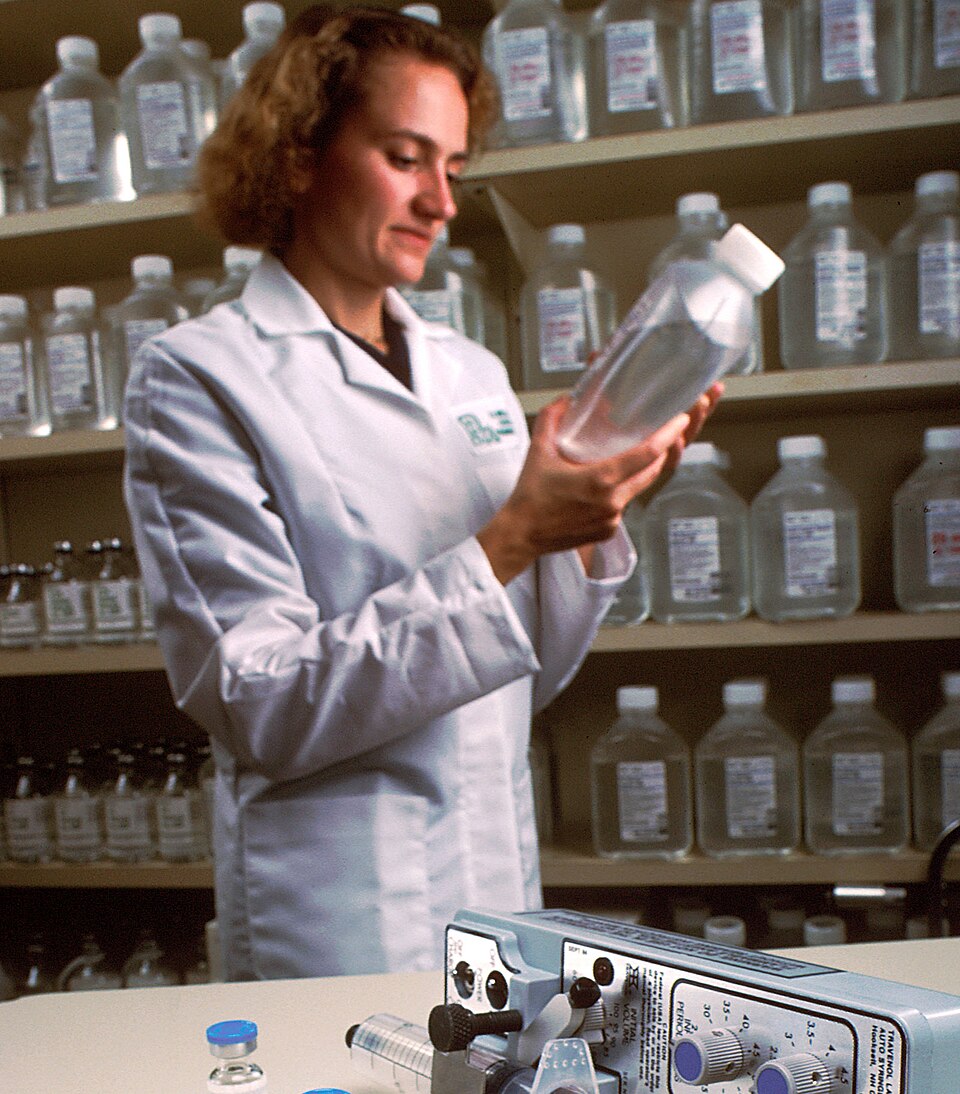
Clinical rounds and IV.
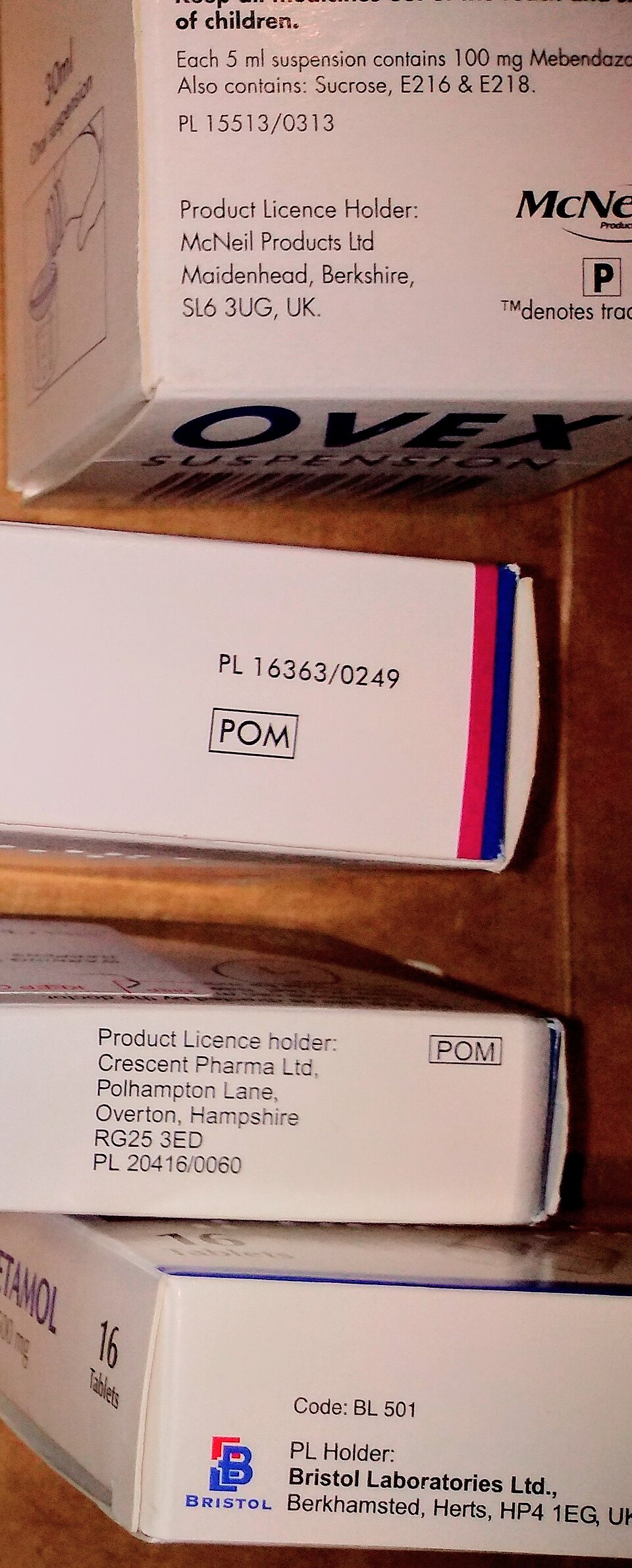
Signals after launch.
Checkable figures whose work still frames how the discipline is taught and practised.
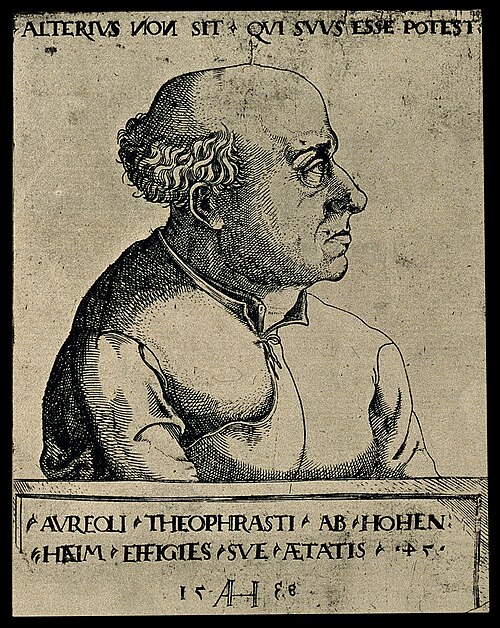
Dose & toxins
1493–1541
Unknown author · CC BY 4.0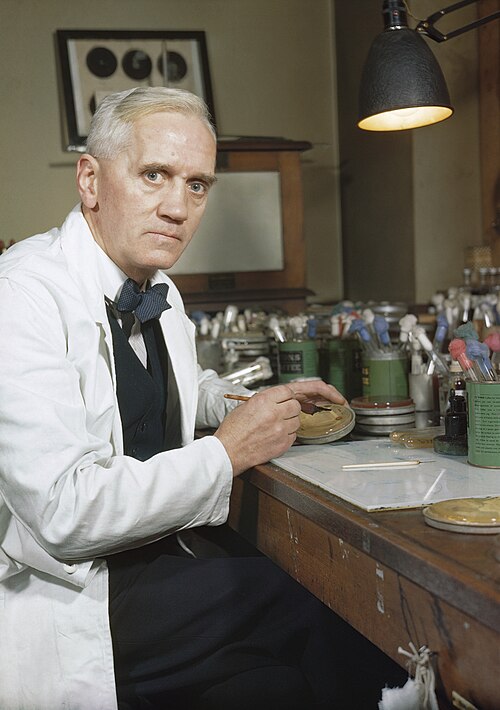
Penicillin
1881–1955
Official photographer · Public domain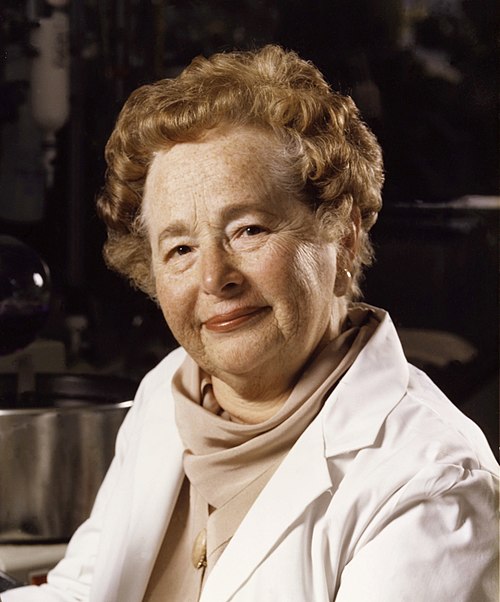
Rational drugs
1918–1999
GlaxoSmithKline plc · CC BY 4.0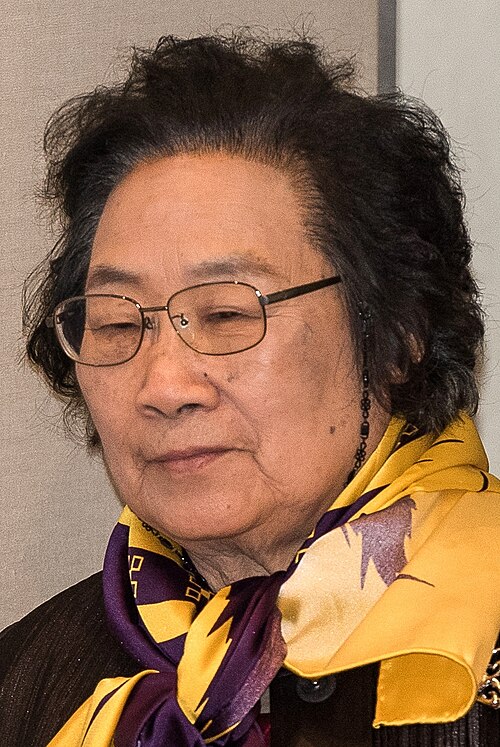
Artemisinin
1930–
Bengt Nyman from Vaxholm, Sweden · CC BY 2.0Same-field head-to-heads built from the six score axes.
Why labels are thematic — not a ranking of better majors.
Scores are browsing aids for curriculum and career lanes, not a league table of worth.
Diagnosing and treating illness — science, judgement and long apprenticeship at the bedside.
Employability 90 Same field neighbourHealth of populations — epidemiology, policy, prevention and the politics of who gets care.
Employability 78 Same field neighbourDiagnosing and treating illness — science, judgement and long apprenticeship at the bedside.
Employability 90 💉Continuous care at the bedside and in the community — assessment, advocacy and stamina.
Employability 96 🏥Health of populations — epidemiology, policy, prevention and the politics of who gets care.
Employability 78 🧠Mind and behaviour — experiments, clinics and the limits of what self-report can tell.
Employability 66