776 BCEThe first recorded Olympic champion
Coroebus of Elis, a cook, won the stadion — a sprint of roughly 190 meters and the only event at the first recorded Olympic Games. The crown was olive, but the rewards at home were material: Plutarch records that Solon's Athens paid Olympic victors 500 drachmas, a small fortune, and Greek cities competed to shower champions with pensions and privileges.
c. 146 CERome's richest athlete retires
Charioteer Gaius Appuleius Diocles retired at 42 after 24 years and 1,462 race victories, his monument recording career winnings of nearly 36 million sesterces. Classicist Peter Struck argued in 2010 that, measured against the economy of his day, Diocles was plausibly the best-paid athlete in human history — evidence of how professional ancient sport truly was.
1869Baseball's first openly professional team
The Cincinnati Red Stockings became the first baseball club to pay every player an open, declared salary — shortstop George Wright earned a team-high $1,400 — and toured the United States undefeated that season. Openly buying a whole team scandalized the sporting press and worked so well that a fully professional league followed within two years.
1885English football legalizes the professional
After years of clubs slipping money into players' boots, the Football Association legalized professionalism in July 1885, largely because northern working-class clubs threatened to break away. The Football League, founded in 1888, built the first modern league season around those salaried players — the template most of the world's team sports still use.
1896The amateur Olympics revive
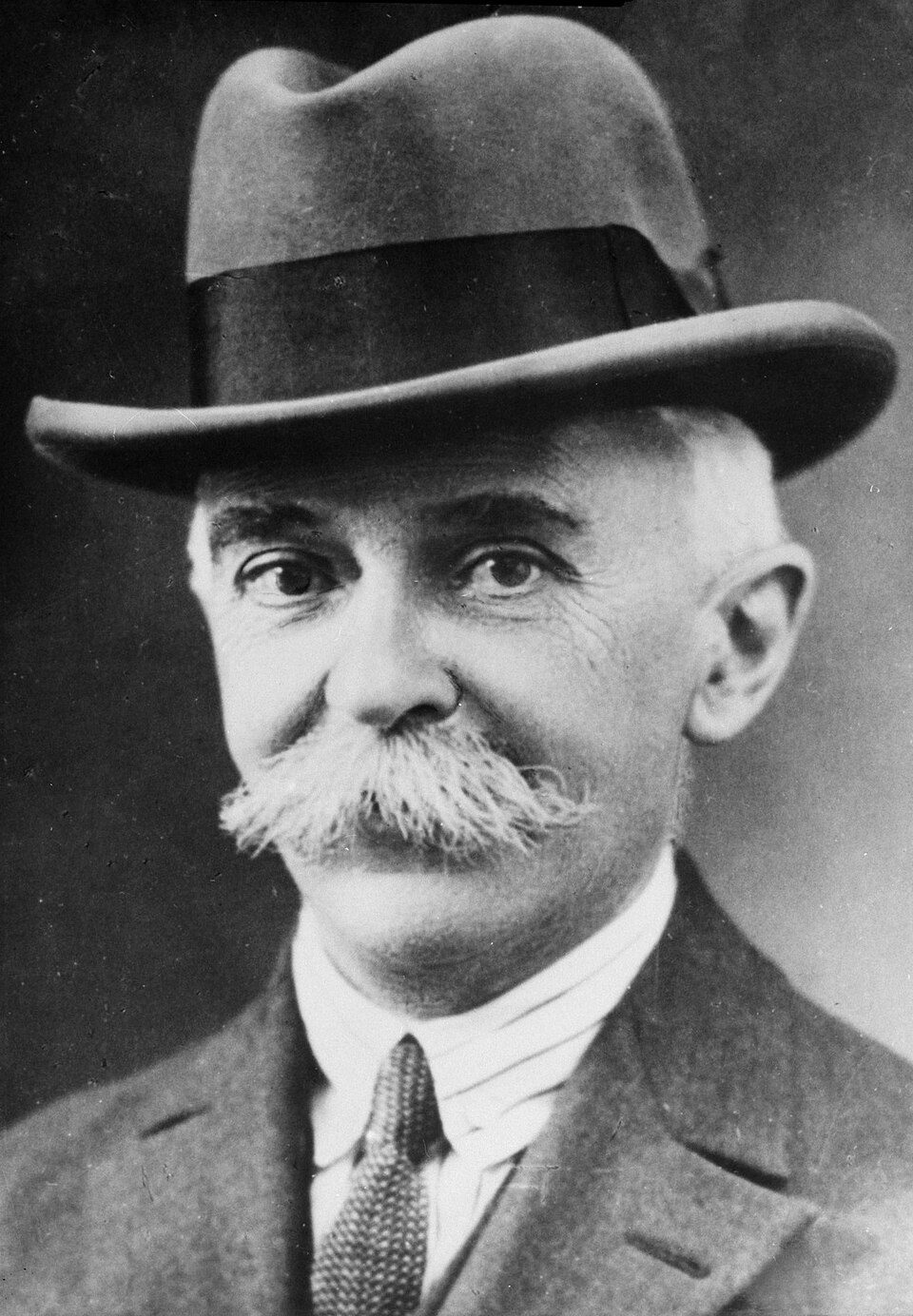
Pierre de Coubertin's revived Olympic Games opened in Athens under strict amateurism: anyone who had ever competed for money was barred. The rule policed class as much as commerce — Jim Thorpe was stripped of his 1912 decathlon and pentathlon golds for having played semi-professional baseball at roughly $25 a week; the IOC restored him as sole champion only in 2022.
1926Ederle swims the Channel
Nineteen-year-old American Gertrude Ederle became the first woman to swim the English Channel, in about fourteen and a half hours — nearly two hours faster than the fastest man before her. An estimated two million people lined her New York ticker-tape parade, an early demonstration that a woman athlete could command a mass paying audience.
1936Owens in Berlin
Jesse Owens, a Black American sharecropper's son, won four gold medals — 100 meters, 200 meters, long jump and 4×100 relay — at the Berlin Olympics that Hitler's regime had staged as racial propaganda. Owens returned to a segregated America that offered him exhibition races against horses for pay; the gap between glory and livelihood defined the amateur era.
1968Tennis opens to professionals
The British Hard Court Championships at Bournemouth in April 1968 became the first tournament open to amateurs and professionals alike, and Wimbledon followed that summer. The Open Era ended decades of "shamateurism" — under-the-table payments to nominal amateurs — and let the world's best players finally compete against each other for open prize money.
1975Free agency arrives in baseball
On 23 December 1975, arbitrator Peter Seitz ruled that pitchers Andy Messersmith and Dave McNally, having played a season without signed contracts, were free agents — breaking the reserve clause that had bound each player to one club for life. Player salaries multiplied within a decade, and every major league eventually followed.
1995The Bosman ruling frees footballers
The European Court of Justice ruled on 15 December 1995 in favor of Jean-Marc Bosman, an unremarkable Belgian midfielder whose club, RFC Liège, had blocked his move after his contract expired. Out-of-contract players within the EU could now move without a transfer fee, shifting power and wages decisively toward players across world football.