c. 57 CEPhoebe, the deaconess of Cenchreae
Paul's Letter to the Romans commends Phoebe, a deaconess of the port town of Cenchreae, to the church in Rome. The deaconess orders of the early church organized visiting and care of the sick poor as a religious duty, and nursing histories conventionally begin the Western tradition of organized care with them.
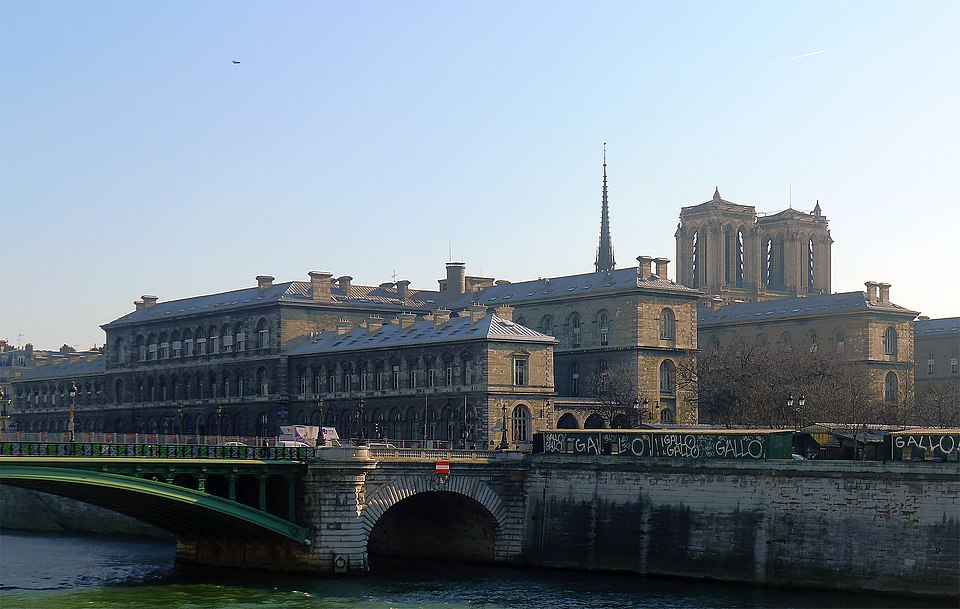
651The Hôtel-Dieu de Paris
Bishop Landry of Paris is traditionally credited with founding the Hôtel-Dieu beside Notre-Dame in 651. Nursed for centuries by Augustinian sisters, it is often cited as the world's oldest continuously operating hospital, and its sisters as Europe's longest-serving nursing workforce — unpaid, uncloistered only within the wards, and on duty for life.
1633The Daughters of Charity leave the cloister
Vincent de Paul and Louise de Marillac found the Daughters of Charity in Paris — a community of women serving the sick poor in their homes and hospitals rather than behind convent walls. Vincent told them their convent would be the houses of the sick and their cloister the streets of the city; the model spread across Europe and its colonies.
1836Kaiserswerth trains the first deaconess nurses
Pastor Theodor Fliedner and his wife Friederike open the Deaconess Institute at Kaiserswerth on the Rhine, giving respectable Protestant women systematic training in bedside care, pharmacy and ethics. Its alumnae seeded hospitals across Europe and the Middle East, and a 31-year-old Florence Nightingale spent three formative months training there in 1851.
1854Nightingale at Scutari
Nightingale arrives at the Barrack Hospital at Scutari, near Constantinople, with 38 nurses during the Crimean War. Hospital mortality, which peaked above 40 percent in February 1855, fell to a few percent within months after a Sanitary Commission flushed the sewers and Nightingale imposed order on supplies, food and wards — a collapse in death rates she later analyzed statistically for the rest of her life.
1860The Nightingale Training School opens
Funded by roughly £45,000 in public donations to the Nightingale Fund, the first secular nurse training school opens at St Thomas' Hospital, London, with 15 probationers. Its graduates — 'Nightingales' — exported the model to hospitals across Britain, its empire and the United States, and Nightingale's 1859 'Notes on Nursing' became the profession's founding text.
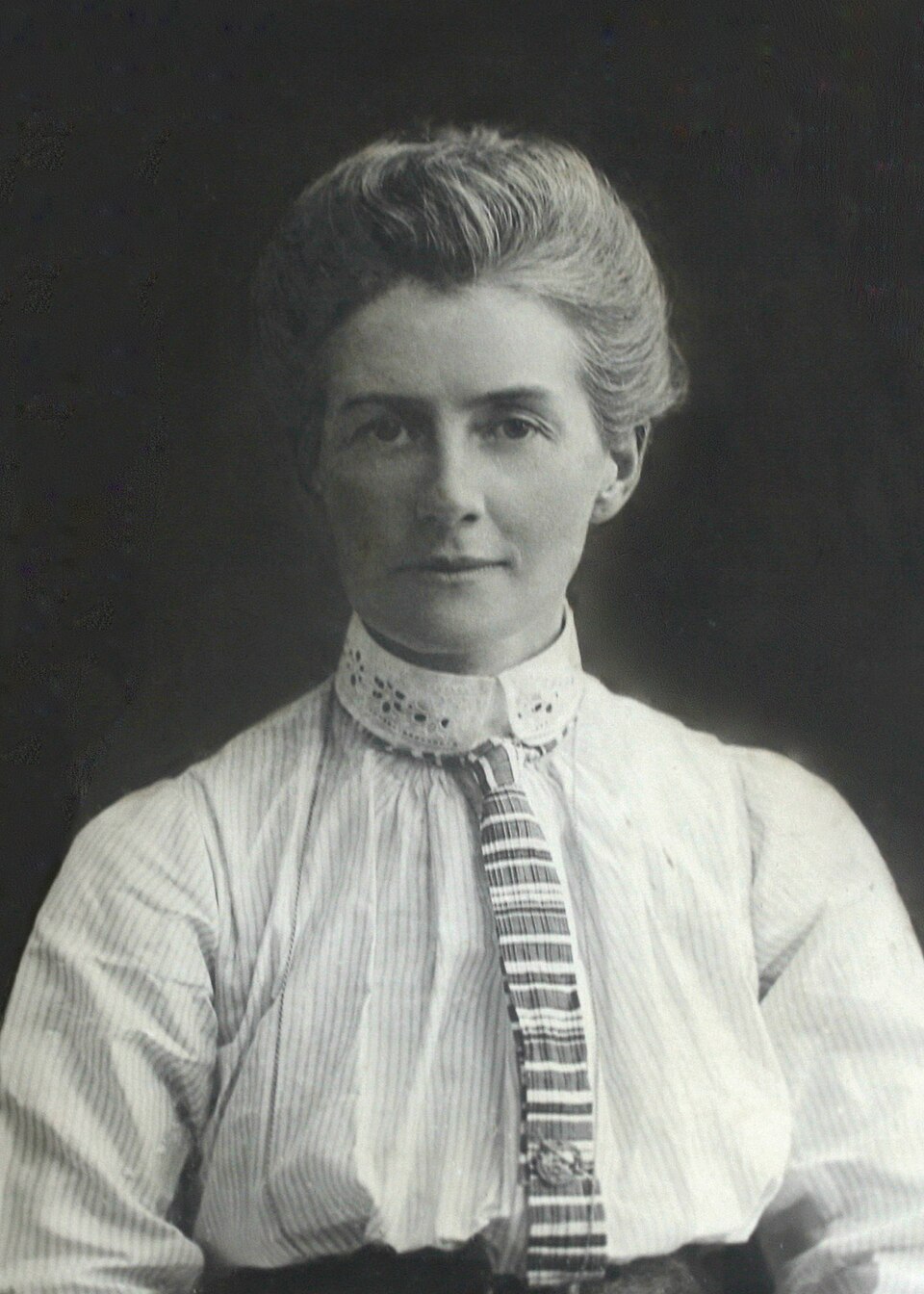
1899The International Council of Nurses
British nurse Ethel Gordon Fenwick founds the International Council of Nurses in London — the world's first international organization for health professionals, and among the first for professional women of any kind. The ICN campaigned country by country for state registration of nurses, the reform Fenwick had fought for in Britain for decades.
1901New Zealand registers the world's first nurses
New Zealand's Nurses Registration Act, championed by public-health administrator Grace Neill, makes it the first country to require state registration of nurses. On 10 January 1902, Ellen Dougherty of Palmerston North becomes the world's first registered nurse; Britain followed in 1919, and registration became the global norm within decades.
1965The first nurse practitioner program
Nurse Loretta Ford and pediatrician Henry Silver create the first nurse practitioner program at the University of Colorado, training experienced nurses to diagnose, treat and manage care for children in underserved areas. The advanced-practice model spread worldwide; nurse practitioners now hold full independent practice authority in more than half of US states.
2020The Year of the Nurse meets COVID-19
The WHO designates 2020 — Nightingale's bicentenary — the International Year of the Nurse and Midwife and publishes its first State of the World's Nursing report, counting some 28 million nurses and a 5.9-million shortfall. The COVID-19 pandemic then makes nursing's centrality, and its burnout and attrition crisis, visible worldwide.