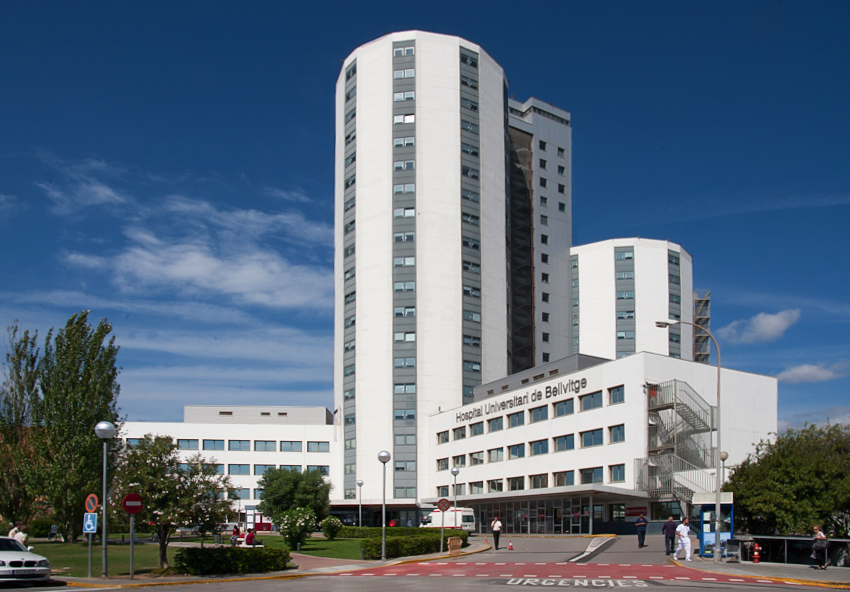
Acute nursing
Wards and intensive care.
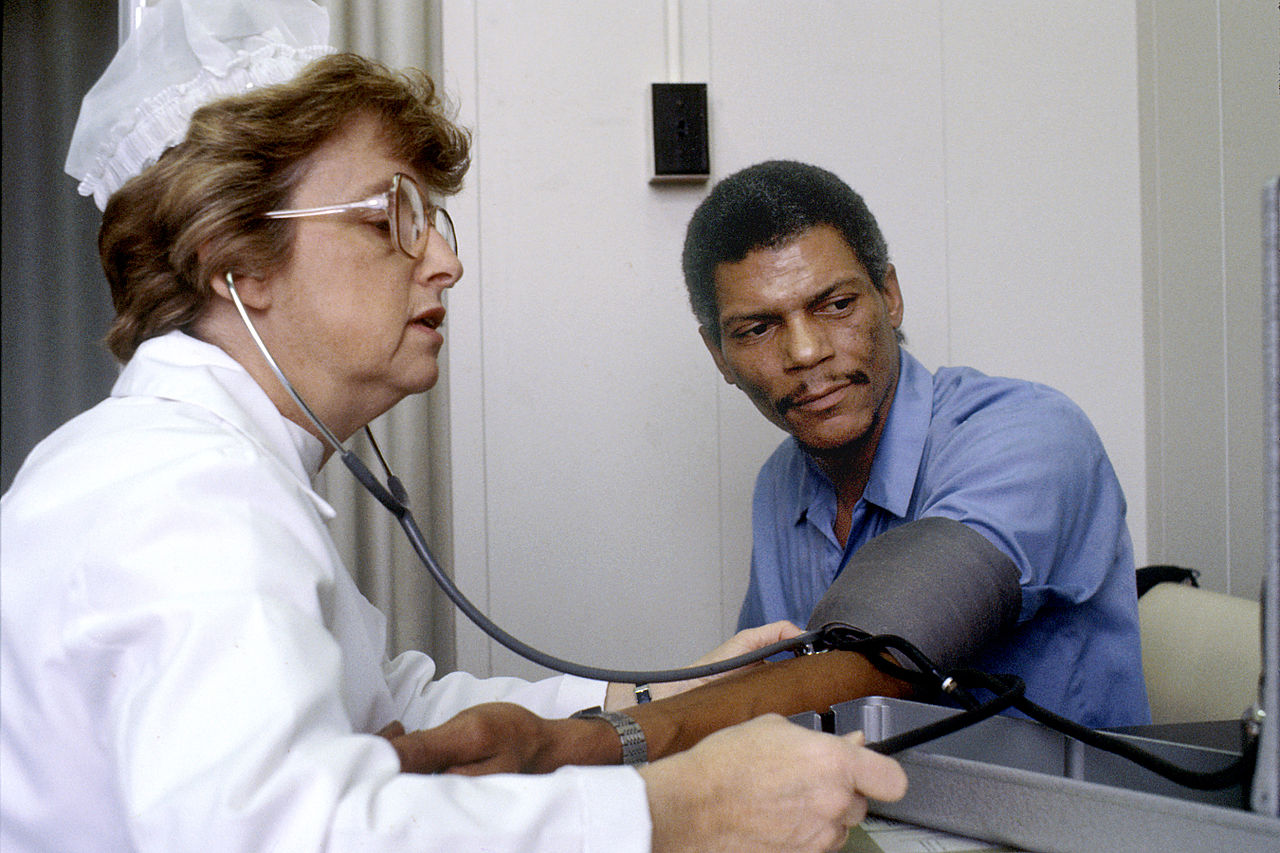
Continuous care at the bedside and in the community — assessment, advocacy and stamina.
Also called: Bachelor of Nursing · Nursing science
Reviewed 2026-08-08·Media credits
Darker cells mean a higher score for this topic on that metric.
LessMore
Each bar is a 0-100 atlas score for this topic, not a timeline.
Last reviewed Sources & creditsMedia creditsMethodology
Nursing is continuous assessment and advocacy at the bedside and in the community — skills checklists, pharmacology and stamina under shift work. Professional registration rules the endgame.
Skills labs, simulation wards and clinical placements dominate; campus “studio culture” is the wrong metaphor. Placement quality and preceptor load vary sharply by hospital partnership.
Outcomes include hospital and community nursing, advanced practice pathways where available, and public-health roles. Relative scores only.
Typical bachelor years: 4
Scores are relative across the forty majors on this site — not absolute rankings of universities.
Popularity & Demand →Sectors where graduates and research from this field show up most often — plates from Wikimedia Commons.
Wards and intensive care.
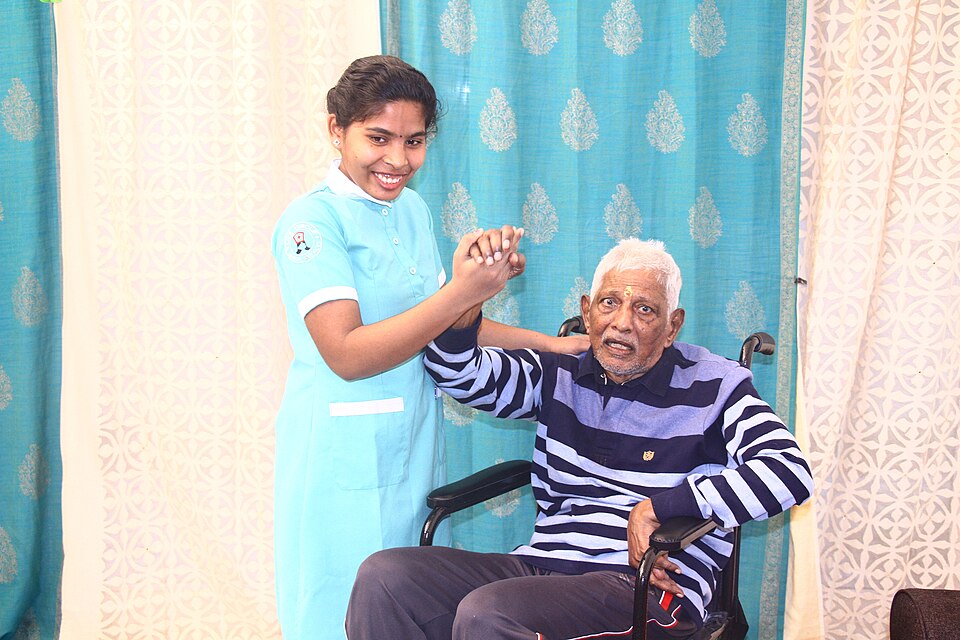
Home and primary teams.
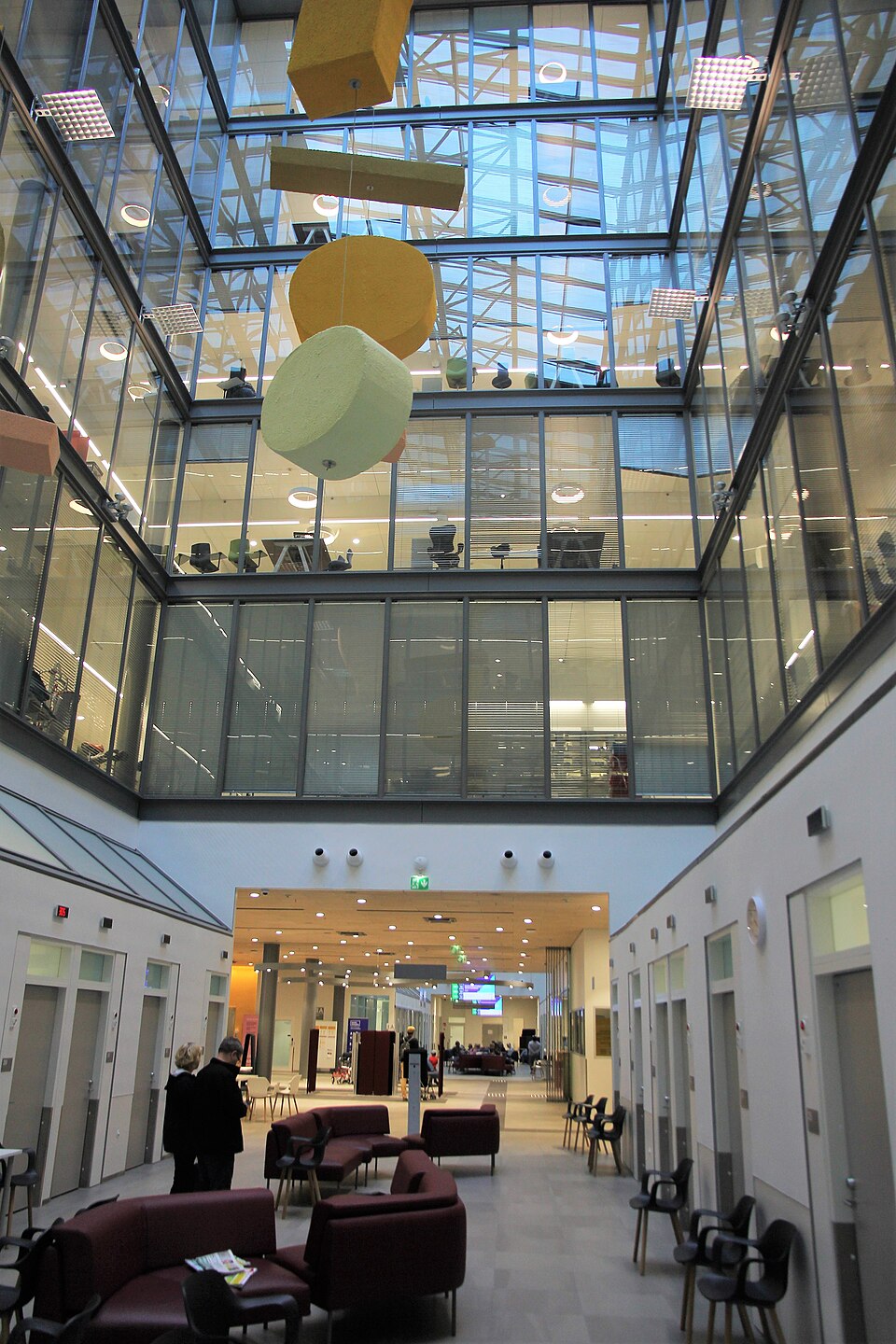
Prevention at population scale.
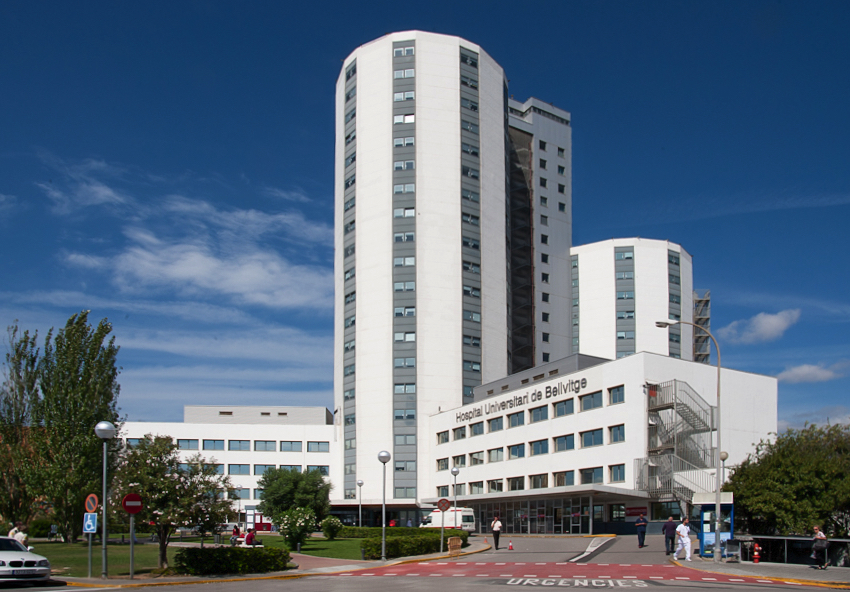
Teaching the next cohort.
Checkable figures whose work still frames how the discipline is taught and practised.
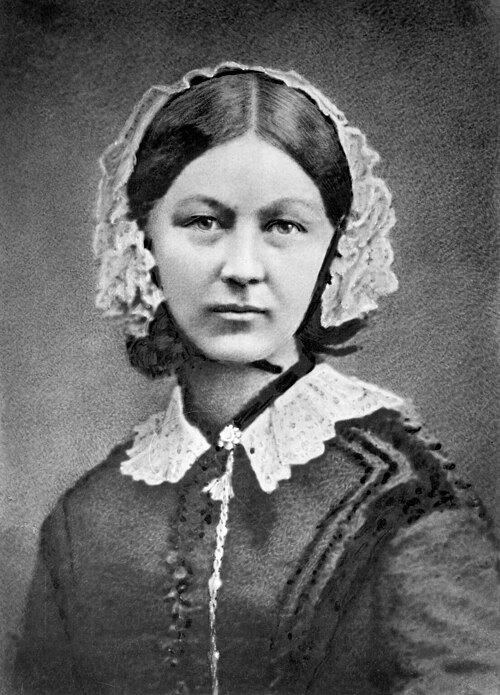
Modern nursing
1820–1910
Henry Hering (1814-1893) · Public domain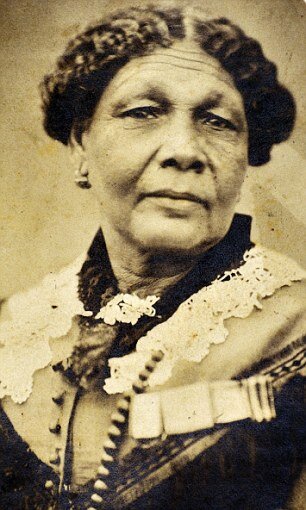
Crimean care
1805–1881
Unknown author Unknown author · Public domain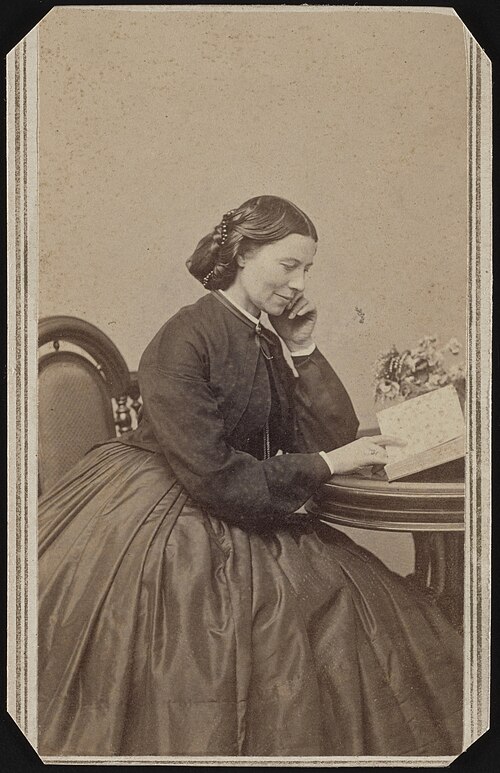
Red Cross USA
1821–1912
The Library of Congress · No restrictions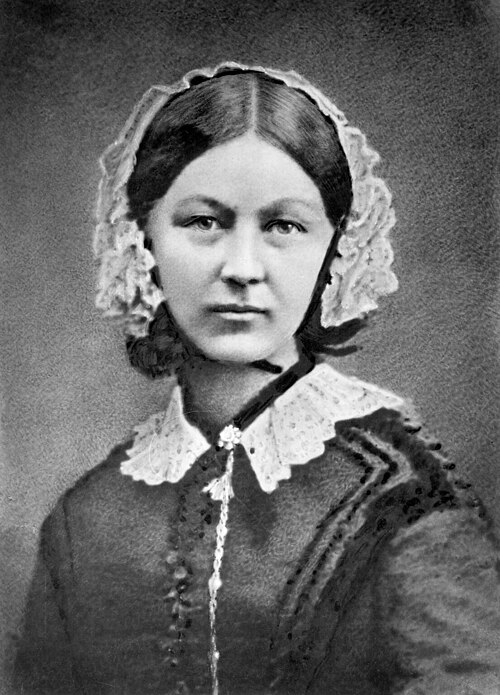
Nursing theory
1897–1996
Henry Hering (1814-1893) · Public domainSame-field head-to-heads built from the six score axes.
Why labels are thematic — not a ranking of better majors.
Scores are browsing aids for curriculum and career lanes, not a league table of worth.
Health of populations — epidemiology, policy, prevention and the politics of who gets care.
Employability 78 Same field neighbourMind and behaviour — experiments, clinics and the limits of what self-report can tell.
Employability 66 Same field neighbourDiagnosing and treating illness — science, judgement and long apprenticeship at the bedside.
Employability 90 💊Medicines from molecule to patient — chemistry, counselling and systems that keep doses safe.
Employability 86 🏥Health of populations — epidemiology, policy, prevention and the politics of who gets care.
Employability 78 🧠Mind and behaviour — experiments, clinics and the limits of what self-report can tell.
Employability 66