c. 1754 BCEHammurabi puts judges on notice
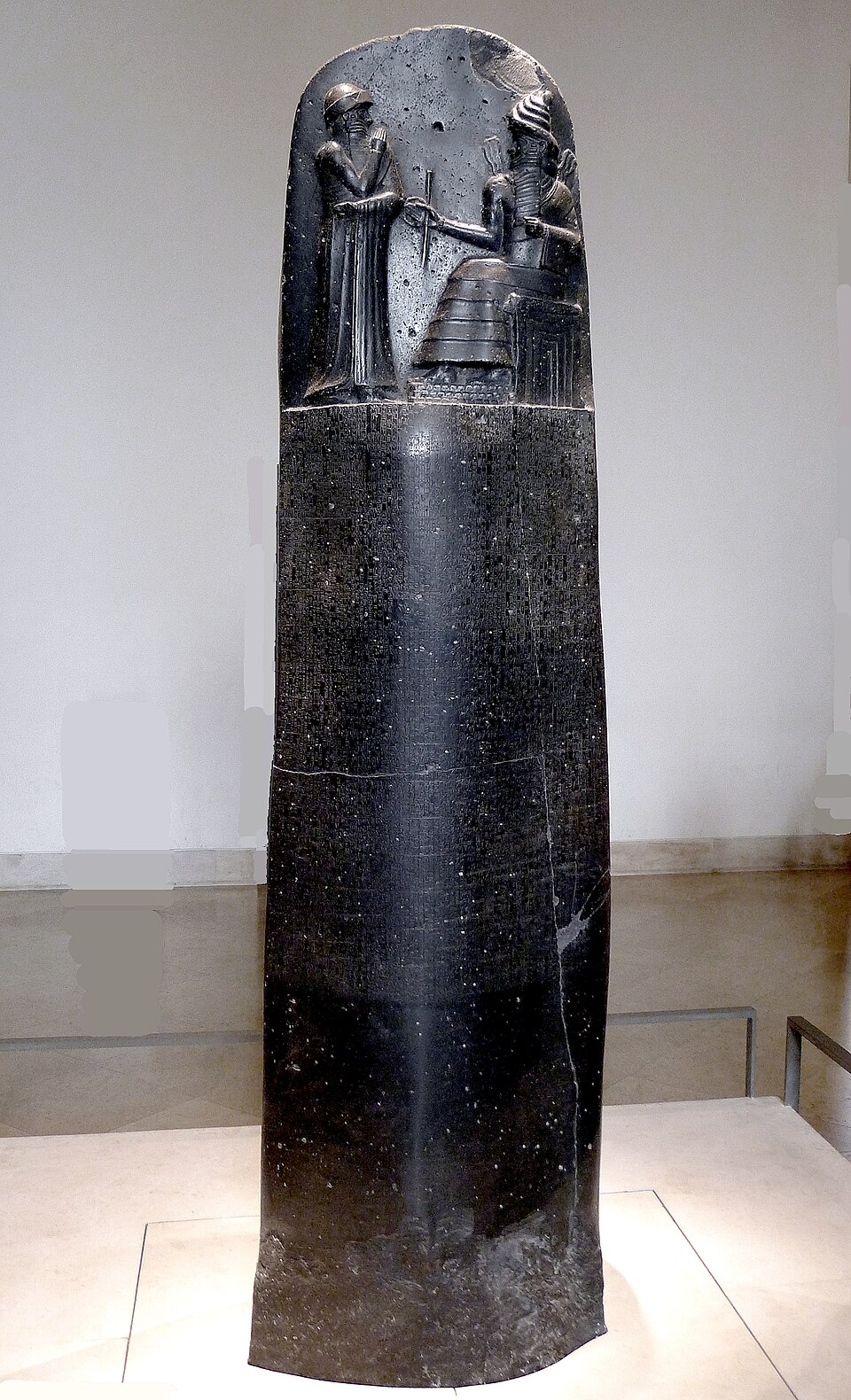
The Babylonian king's law code, carved on a basalt stele now in the Louvre, regulates the judges themselves: its fifth paragraph orders that a judge who alters a sealed verdict pay twelve times the claim at stake and be expelled from the bench permanently. Nearly four thousand years ago, the office already came with status — and personal liability for getting it wrong.
399 BCEAthens judges by mass jury
Socrates was tried before a dikasterion of 501 male citizens chosen by lot, who voted by simple majority with no presiding legal professional — one vote to convict, a second to choose between the penalties each side proposed. Athenian democracy deliberately spread judging across huge random panels so that no single powerful judge could be bribed or intimidated.
533 CEJustinian's Digest codifies Roman judging
Emperor Justinian's commission under the jurist Tribonian distilled centuries of Roman legal opinion into the Digest, the heart of the Corpus Juris Civilis. Rediscovered in Italy in the eleventh century and taught at Bologna, it became the foundation on which continental Europe built its professional judiciaries — the civil-law tradition that still trains most of the world's judges.
c. 700The qadi takes the bench
The Umayyad and Abbasid caliphates appointed qadis — salaried, legally trained judges applying Islamic law — to every major city, one of history's earliest professional judiciaries. A famous letter on judging attributed to the caliph Umar instructs the judge to treat litigants equally "in your attention, your countenance and your seat" — an impartiality standard courts still recognize.
1166Henry II sends out the justices
The Assize of Clarendon dispatched royal justices on circuit through England's counties, backed by local juries of presentment that named suspects on oath. The travelling judges gradually welded regional customs into a single "common law," and their successors — the circuit judges of the common-law world — still ride versions of those circuits today.
1608Coke tells the king he is under the law
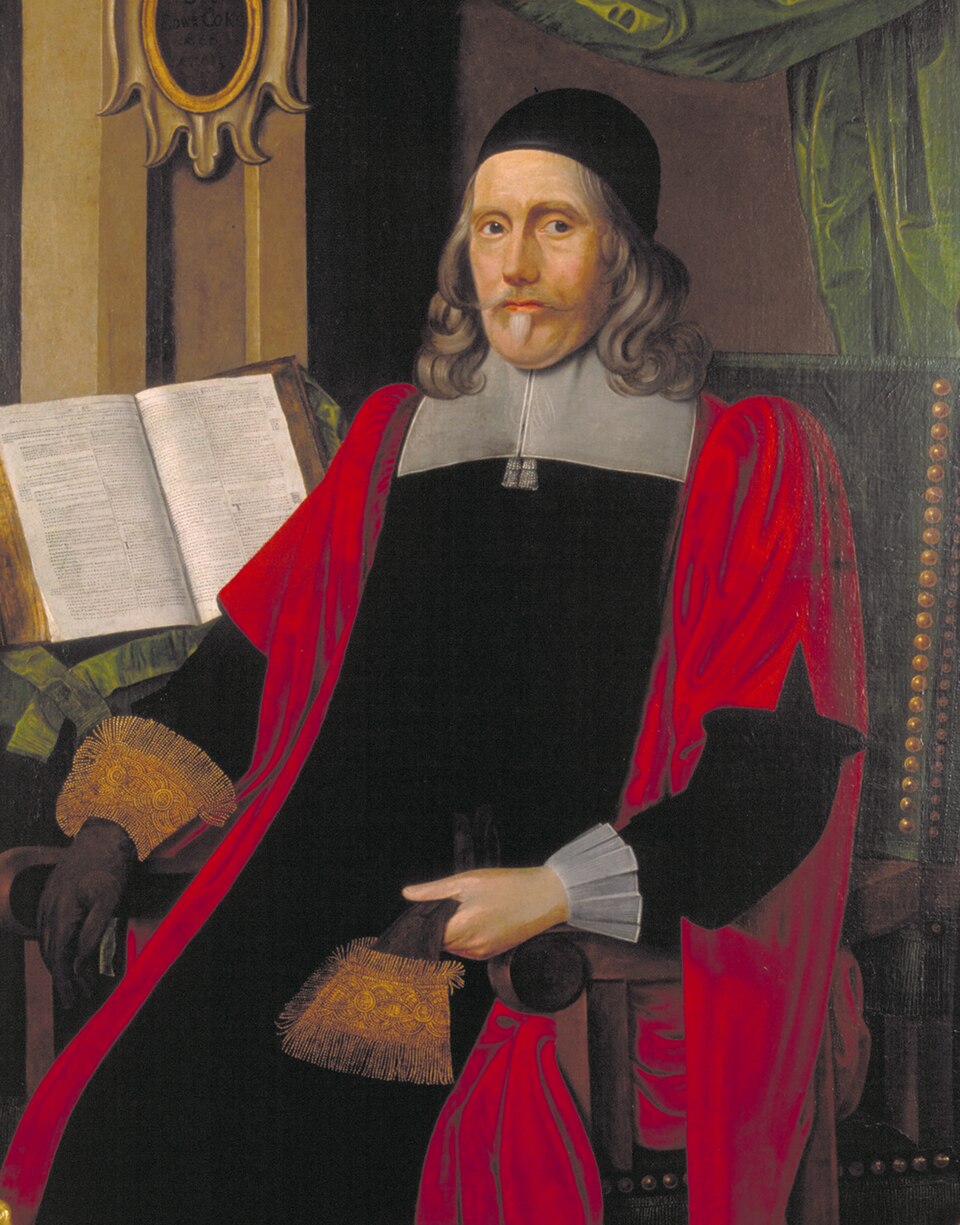
When James I claimed he could withdraw cases from his courts and decide them personally, Chief Justice Edward Coke answered that cases are decided by the "artificial reason" of law, mastered only through long study, and quoted Bracton: the king ought to be under no man, but under God and the law. Dismissed in 1616, Coke fixed the idea that a judge's loyalty runs to law, not to the ruler who appoints him.
1701The Act of Settlement grants tenure
England's Act of Settlement provided that judges hold office "during good behaviour" rather than at the monarch's pleasure, removable only on the address of both Houses of Parliament. Security of tenure — the structural guarantee that a judge cannot be sacked for an unwelcome ruling — became the exportable core of judicial independence, copied into constitutions worldwide.
1803Marbury v. Madison invents judicial review
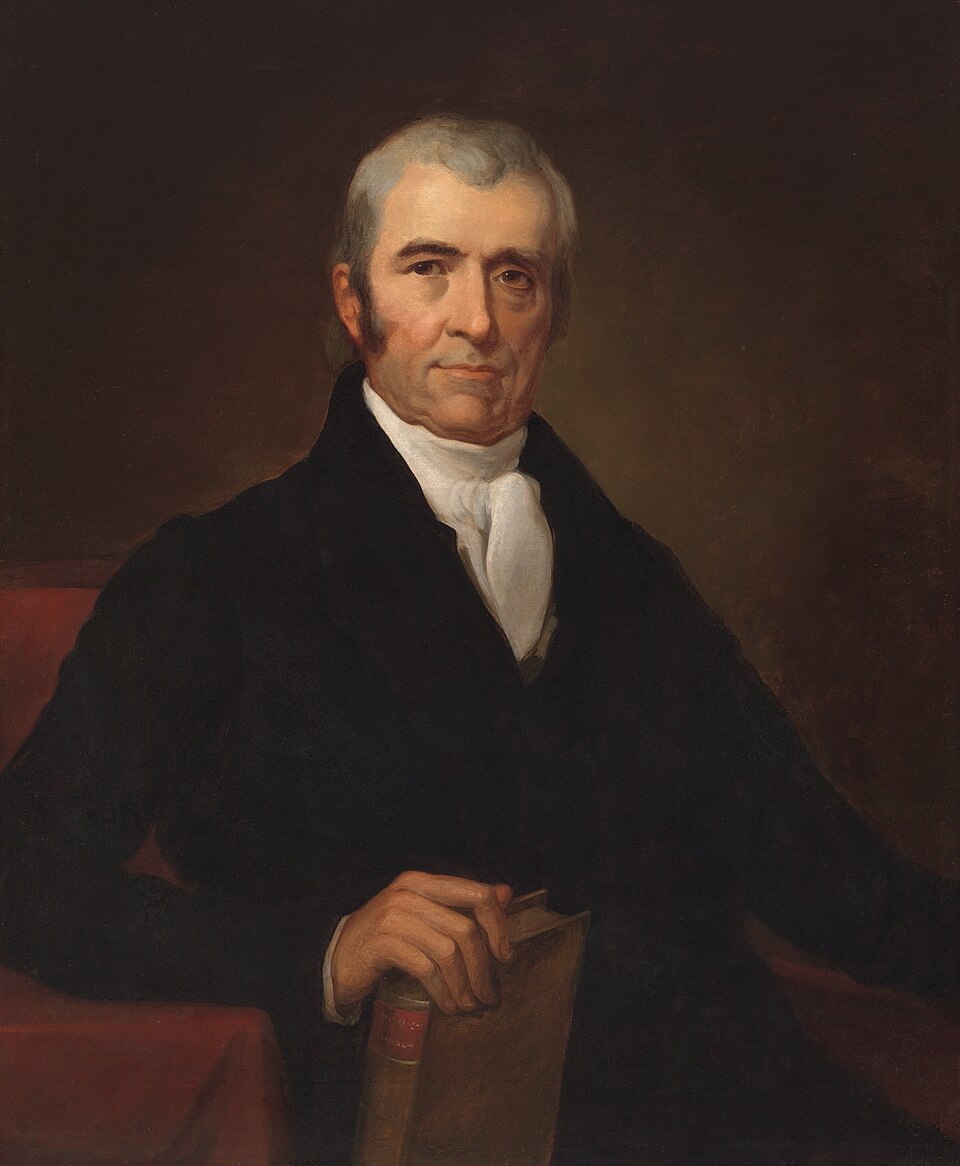
Chief Justice John Marshall held that the US Supreme Court could strike down an Act of Congress that conflicted with the Constitution — while carefully denying the plaintiff his remedy, so President Jefferson had nothing to defy. Judicial review spread across the world, most explosively after 1945, and made constitutional judges a check on every other branch of government.
1945Nuremberg puts leaders before judges
On 20 November 1945, eight judges from the United States, Britain, France and the Soviet Union, presided over by Britain's Lord Justice Geoffrey Lawrence, opened the trial of the surviving leadership of Nazi Germany. For the first time an international bench judged the men who had run a state — the precedent behind every international criminal tribunal since.
2003The International Criminal Court's first bench
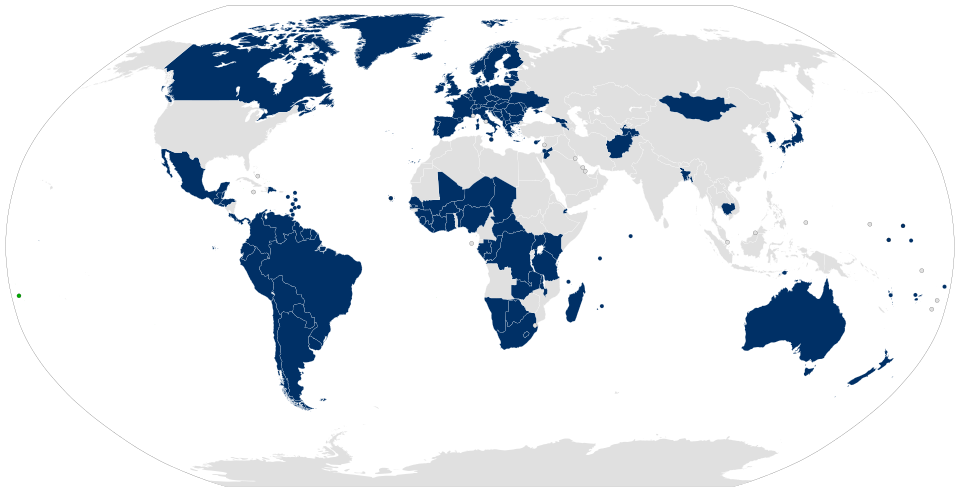
The first eighteen judges of the ICC, elected by the Rome Statute's member states from every region of the world, were sworn in at The Hague on 11 March 2003. For the first time a permanent court existed whose judges may try genocide, war crimes and crimes against humanity when national courts will not — the profession's jurisdiction stretched, at least on paper, to the whole planet.