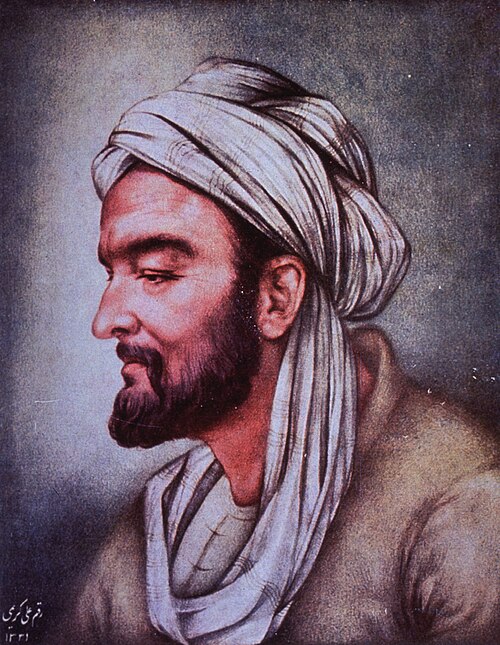
 National Library of Medicine · No restrictions
Ibn Sina (Avicenna)
Ibn Sina's medical encyclopedia the Canon of Medicine devoted sections to melancholia, love-sickness and other conditions of the mind, treating them as bodily illness rather than possession — an early attempt to diagnose mental distress through physical signs, centuries before psychiatry existed as its own field.
According to accounts recorded by his students, Ibn Sina was called to treat a young nobleman wasting away from an illness no physician could name. Suspecting lovesickness, he held the patient's wrist while a servant slowly recited the names of the city's neighborhoods and families, watching for the pulse to race at one name — revealing a hidden beloved. The diagnosis, arranged marriage and the patient's recovery became one of medicine's earliest recorded cases of treating a physical symptom as a sign of unspoken emotional distress.
“A symptom with no obvious physical cause may still leave a physical sign — watch the body closely enough and it can reveal what a patient won't say.”