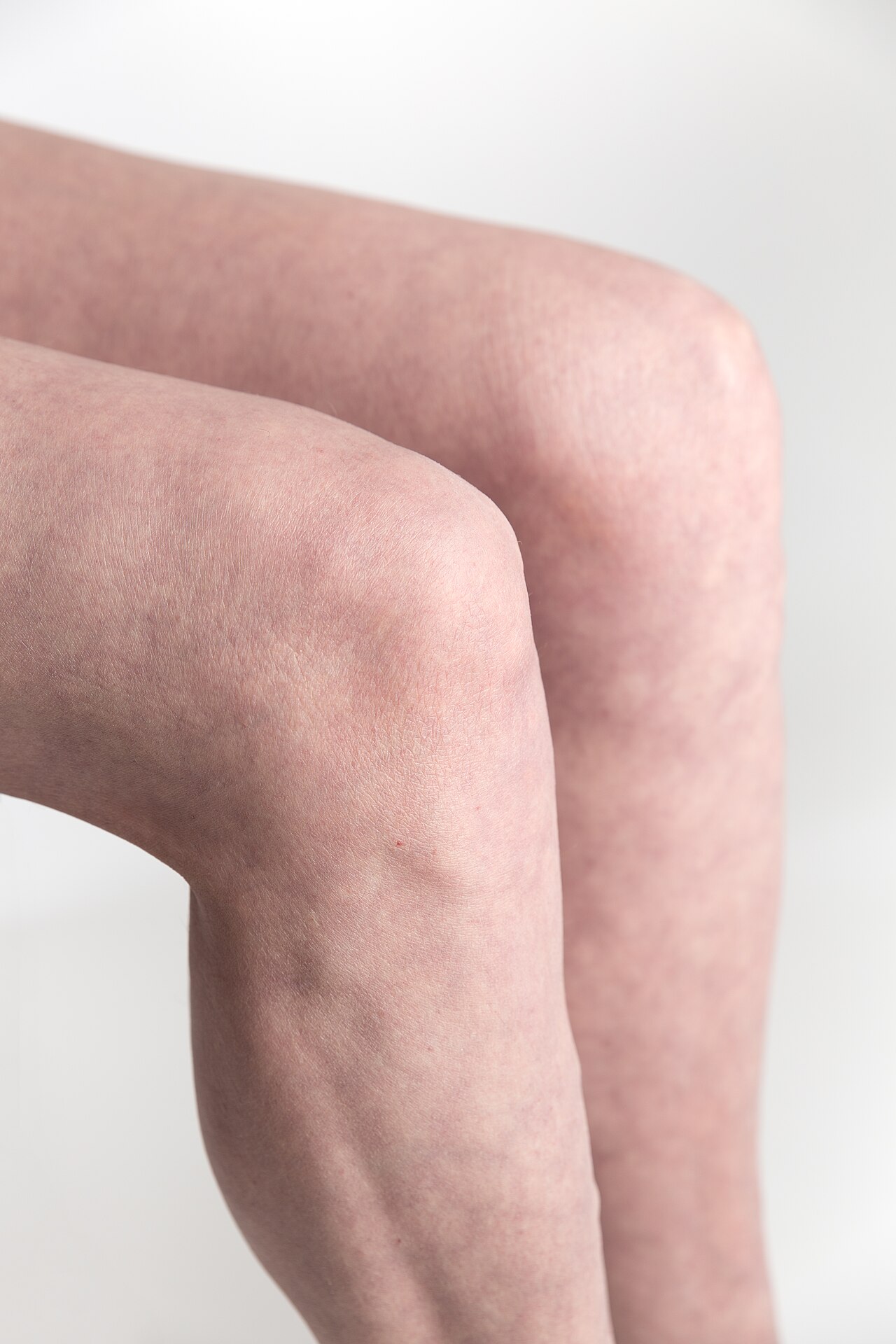
The knee is the body's largest joint and one of its most frequently injured, relying on ligaments and surrounding muscles rather than bony shape for stability.
Also called: Tibiofemoral Joint · Patellofemoral Joint
Overuse, ligament sprain, meniscus injury, osteoarthritisCommon cause
6–12 weeks for most soft-tissue injuriesTypical recovery
ACL, menisci, quadriceps tendonKey structures
Locked knee or inability to bear weightRed-flag signs
The knee is the largest and one of the most heavily loaded joints in the body, connecting the thigh bone to the shin bone while the kneecap glides in a groove at the front to assist with leg extension. Unlike the hip, the knee's bony surfaces are relatively flat, so stability depends heavily on a set of internal and surrounding ligaments.
Because the knee bears substantial load during walking, running, jumping, and pivoting, it is among the most frequently injured joints in sport and one of the most common sites of age-related osteoarthritis. Conditions range from overuse-related tendon and cartilage irritation to acute ligament and meniscus injuries.
This page reviews the knee's anatomy, common conditions across age groups and activity levels, how clinicians assess it, and general exercise and recovery patterns used in both non-surgical and post-surgical rehabilitation.
The profile
Pain frequency65
Recovery length55
Exercise load60
Clinician need60
Self-care fit50
Recurrence risk60
Clinician need
The knee is the body's largest joint and one of its most frequently injured, relying on ligaments and surrounding muscles rather than bony shape for stability.
The knee is the largest and one of the most heavily loaded joints in the body, connecting the thigh bone to the shin bone while the kneecap glides in a groove at the front to assist with leg extension. Unlike the hip, the knee's bony surfaces are relatively flat, so stability depends heavily on a set of internal and surrounding ligaments.
When should I stop and seek care for Knee?
Inability to bear weight after injury — A sudden inability to bear weight following a twisting or impact injury raises concern for fracture or significant ligament injury and warrants urgent evaluation.
What is a starter exercise for Knee?
Quad set — 3 × 10, held 5s — Sitting with the leg straight, gently tighten the thigh muscle to press the back of the knee down, without moving the leg.
How does Knee load progression usually start?
Pain and swelling management — 0–2 weeks — Activity modification, gentle range-of-motion work, and swelling management aim to calm acute symptoms.
What should I avoid with Knee?
Sudden increases in running or jumping volume — Rapidly increasing high-impact training load is a commonly cited contributor to overuse knee conditions and is generally advised against in favor of gradual progression.
What is patellofemoral pain syndrome?
Patellofemoral pain syndrome describes pain around or behind the kneecap, often related to how the kneecap tracks in its groove during bending movements, and is common among runners and young active individuals.
What is the difference between the meniscus and the ACL?
The menisci are C-shaped cartilage cushions that absorb shock between the thigh and shin bones, while the anterior cruciate ligament (ACL) is one of several ligaments that control the knee's stability during rotation and forward sliding of the shin bone.
Does every meniscus tear need surgery?
Many meniscus tears, particularly smaller or degenerative tears in middle-aged and older adults, are managed successfully with exercise-based rehabilitation, while larger or mechanically unstable tears may be considered for surgical repair.