🎓Origins & Evolution

Professor · The scholar paid to profess a subject in public — twenty-five centuries of teaching and discovery, from Plato's grove to the tenure track and the AI tutor.

Teaching for pay is ancient; the professor — a scholar holding a permanent, salaried chair inside a self-governing institution — had to be invented, and was invented at least three times. Greek and Chinese antiquity produced the paid master with a circle of disciples; the medieval Islamic and European worlds produced the endowed college and the teaching license; and nineteenth-century Germany produced the researcher-teacher whose job description every modern university still copies.

What changed across those inventions was not the core activity — one person who knows, standing before many who want to — but the source of authority behind it. The sophist's authority was rhetorical, the medieval master's was licensed by church or guild, and the modern professor's rests on published research that other experts have tried and failed to knock down. Each shift reorganized who could teach, and what teaching was for.

Where it began

c. 500 – 387 BCEChina & Greece

Within a single century, two civilizations independently produced the paid teacher of advanced knowledge. In China, Confucius (551–479 BCE) took students of any social origin for a token fee and built a curriculum of texts and ethics that outlived every state of his era. In Greece, itinerant sophists charged famously high fees to teach rhetoric, until Plato gave teaching a fixed address around 387 BCE by founding the Academy in a grove outside Athens — the institution whose name still labels the entire profession. Rome later added the salary: the emperor Vespasian endowed a state-paid chair of rhetoric, first held by Quintilian, around 72 CE.

Timeline

c. 387 BCEPlato founds the Academy

Returning to Athens after years of travel, Plato began teaching in a grove sacred to the hero Akademos outside the city walls. The school he founded there ran for roughly three centuries in its first incarnation; Aristotle arrived at seventeen and stayed twenty years. The word "academic" still points back to that patch of ground.

859Fatima al-Fihri endows al-Qarawiyyin

In Fez, Morocco, Fatima al-Fihri, the daughter of a wealthy merchant, used her inheritance to found a mosque with an attached center of learning. UNESCO and Guinness World Records recognize al-Qarawiyyin as the oldest continually operating institution of higher learning in the world — still teaching, more than eleven centuries later.

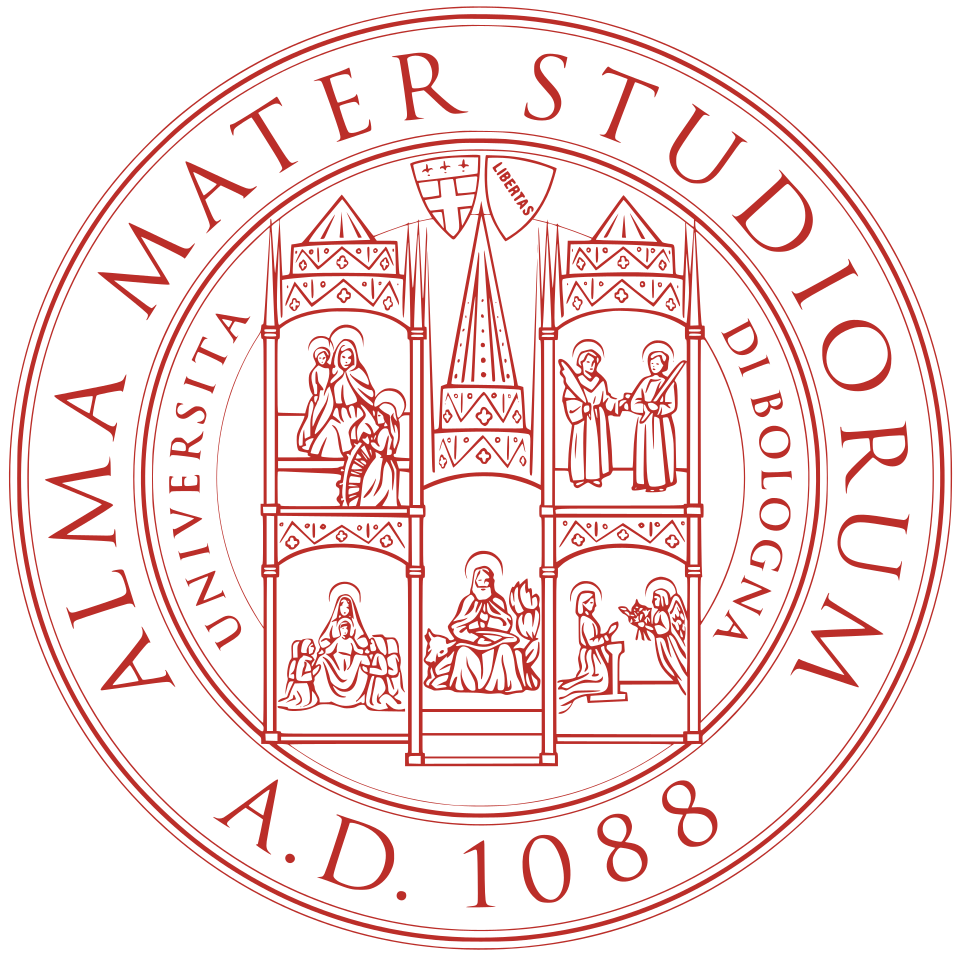
1088Bologna: students hire the professors

Europe's first university formed as a guild — of students, not teachers. Bologna's student "universitas" contracted the masters and enforced discipline on them: professors could be fined for starting a lecture late, running past the bell, skipping a difficult chapter, or leaving town without permission and a deposit. The teachers' answer was to form guilds of their own.

1158Authentica habita protects the scholar

Emperor Frederick Barbarossa granted traveling scholars imperial protection: safe passage on the roads to the Italian schools and the right to be tried before their masters or the bishop rather than hostile city courts. The decree is often called the first legal charter of academic freedom — protection for the person, so that the teaching could be free.

1231Parens scientiarum, the university's magna carta

After a town-gown riot in Paris left students dead and the masters suspended teaching for two years in protest, Pope Gregory IX's bull Parens scientiarum confirmed the University of Paris's right to govern itself — including the right to strike. Degrees from the great universities came to carry the licentia ubique docendi: a license to teach everywhere.

1810Humboldt invents the research professor

The new University of Berlin, shaped by Wilhelm von Humboldt, redefined the job: a professor should produce original knowledge, not merely transmit the inherited stock, and teach students through research itself. The German model — the seminar, the laboratory, the doctorate, the freedom to teach and to learn — became the template the whole world copied.

1876Johns Hopkins imports the model to America

Founded with a railroad merchant's bequest, Johns Hopkins University was built explicitly on the German pattern: graduate seminars, laboratories and the PhD at the center of the enterprise. Yale had awarded America's first PhD in 1861, but Hopkins made research the organizing purpose of a university, and the American research university spread from there.

1915The AAUP defines academic freedom

After a string of professors were fired for their views — most famously economist Edward Ross, forced out of Stanford in 1900 at the insistence of the university's founding donor — philosophers John Dewey and Arthur Lovejoy founded the American Association of University Professors. Its 1915 Declaration of Principles made academic freedom and tenure the profession's explicit standard.

1944The GI Bill floods the campus

The US Servicemen's Readjustment Act sent some 2.2 million veterans to college; by 1947 veterans were roughly half of all US college admissions. Mass higher education — and the mass hiring of professors to teach it — dates from this law and its imitators, as postwar governments worldwide treated university expansion as national policy.

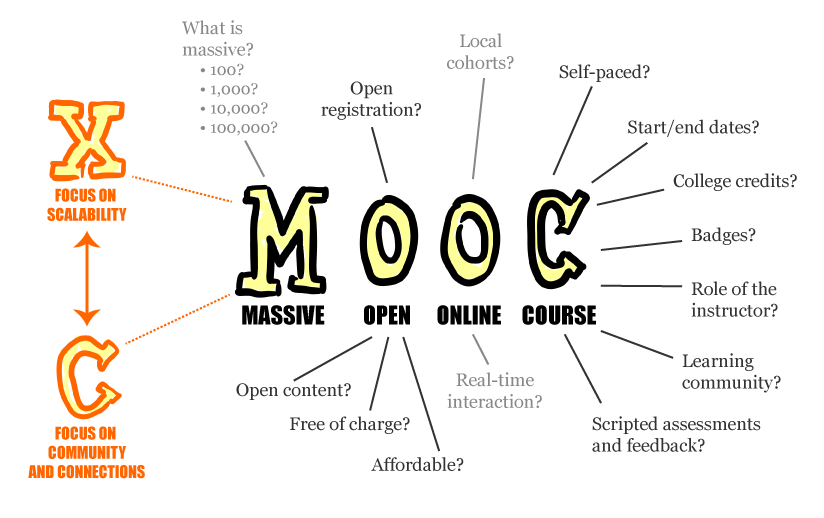
2012The year of the MOOC

After Sebastian Thrun and Peter Norvig's 2011 Stanford online AI course drew about 160,000 registrations from more than 190 countries, Coursera and edX launched and The New York Times declared 2012 "the Year of the MOOC." The lecture, the professor's signature product for eight centuries, could now be copied and shipped worldwide at near-zero cost.
The eras

c. 500 BCE – 500 CE

Sages, sophists and salaried chairs

Antiquity produced every ingredient of the profession except the university. Confucius and his successors made teaching a career with a canon; the Greek sophists made it a market, charging fees that scandalized Plato; the Academy, the Lyceum and Alexandria's Museion made it institutional, with the Ptolemies paying scholars to research and teach. Rome added public funding — Vespasian's endowed chair of rhetoric, first held by Quintilian around 72 CE, made the state-salaried professor a fact five centuries before the fall of the western empire.

The historic Archiginnasio building of the University of Bologna, Europe's oldest university.
Vectorized by User:Nandhp · Public domain · Wikimedia Commons
500 – 1500

Madrasas and masters' guilds

The medieval Islamic world built the endowed teaching institution — al-Qarawiyyin in Fez from 859, al-Azhar in Cairo from the 970s — where a scholar's ijazah licensed a student to teach in turn. Latin Europe reinvented the pattern as a guild: the universitas of masters and students at Bologna, Paris and Oxford, with formal degrees, the disputation as its examination, and the licentia ubique docendi as its passport. The medieval master was legally a cleric, with a cleric's privileges and immunities.

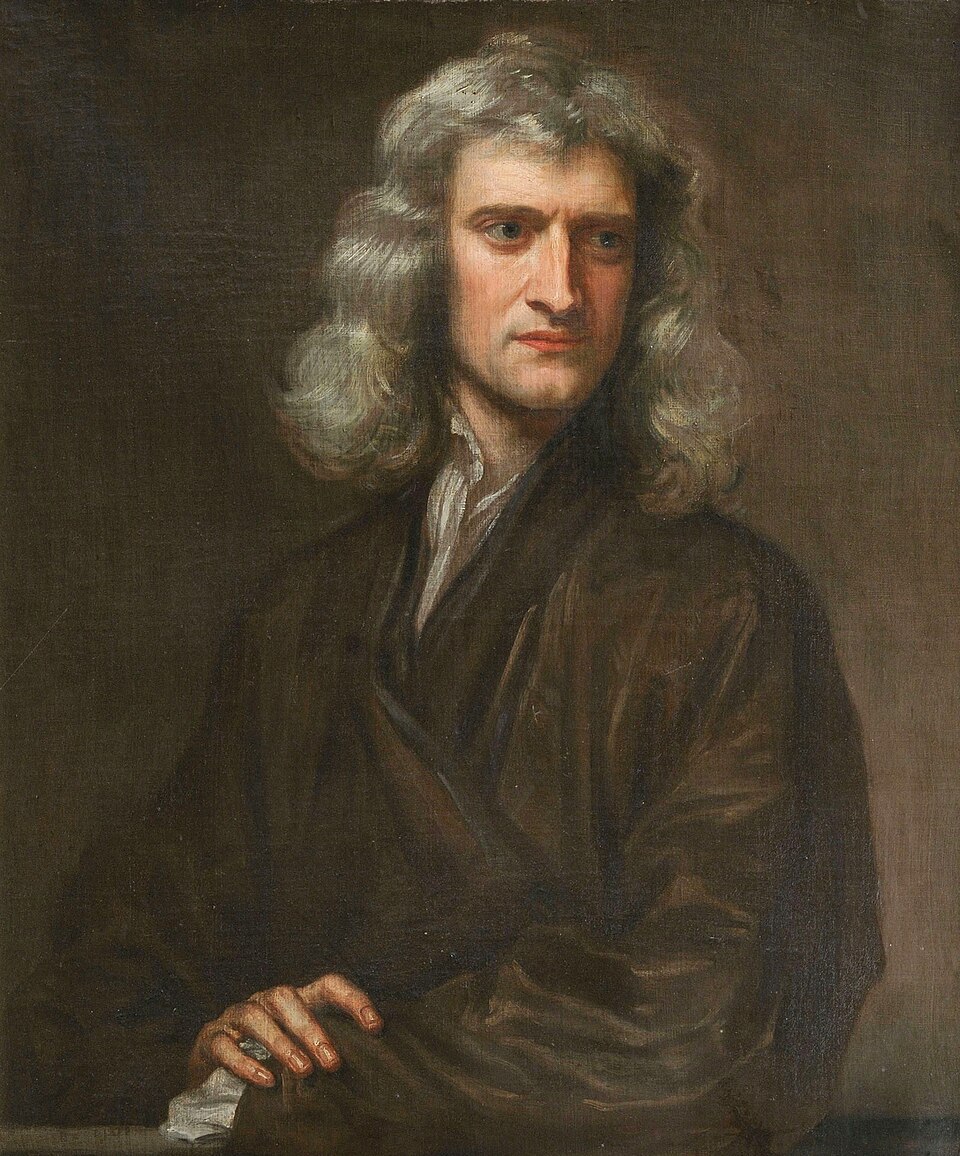
Portrait of Isaac Newton, Lucasian Professor of Mathematics at Cambridge.
Godfrey Kneller · Public domain · Wikimedia Commons
1500 – 1810

Print, royal chairs and sleepy colleges

Printing broke the professor's monopoly on the text, and endowed chairs tied scholarship to patrons — Henry VIII founded the Regius professorships in 1540, and Isaac Newton held Cambridge's Lucasian chair from 1669. Yet much of the era's live science happened outside the universities, in academies like the Royal Society, while the colleges drowsed: Adam Smith wrote in 1776 that Oxford's professors had "given up altogether even the pretence of teaching." The title carried status; the job had lost its edge.

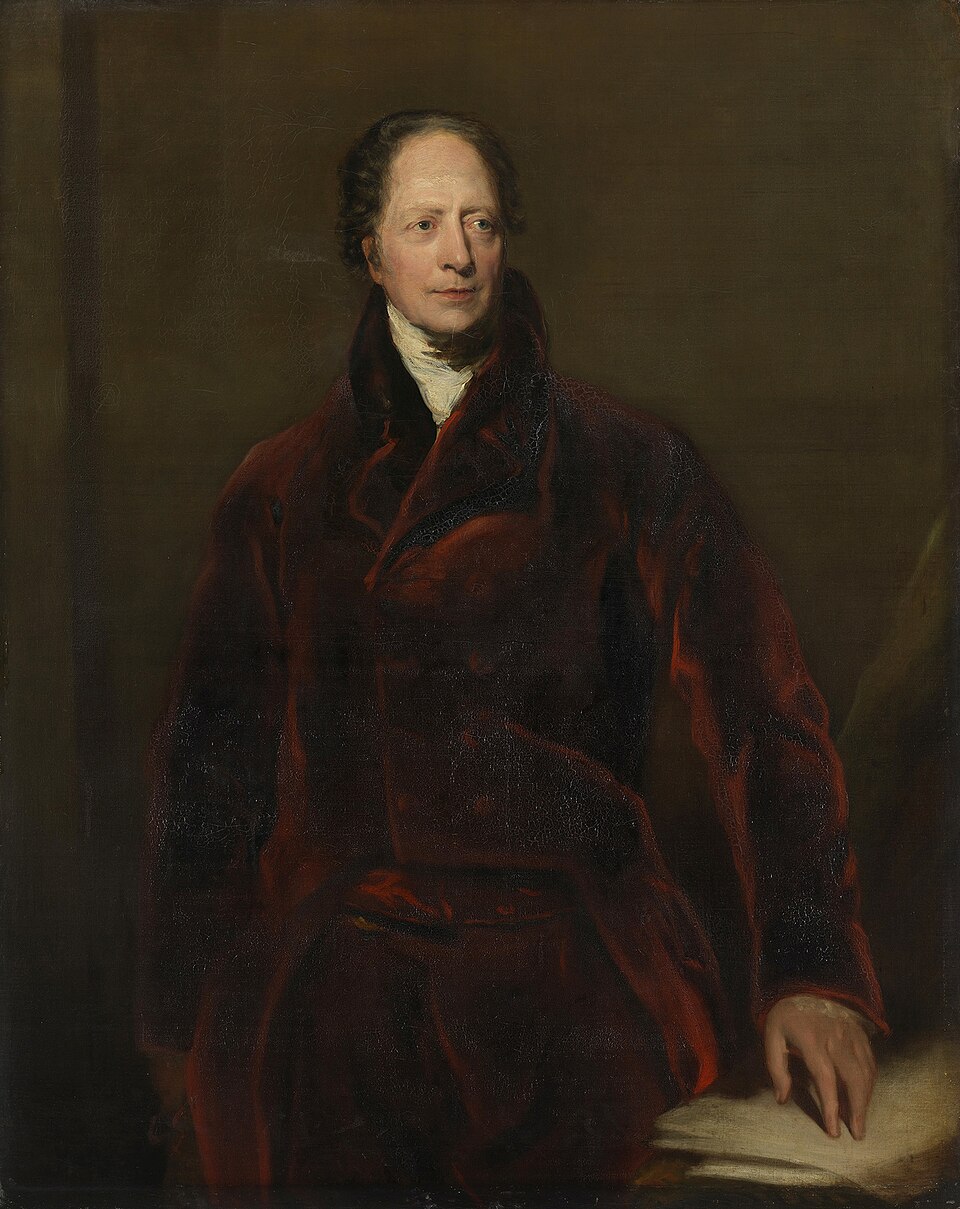
Portrait of Wilhelm von Humboldt, architect of the modern research university.
Thomas Lawrence · Public domain · Wikimedia Commons
1810 – 1945

The research university and the mandarin professor

Humboldt's Berlin fused teaching with original research and made the doctorate the profession's gate. Liebig's Giessen laboratory turned science education into supervised research practice; the seminar did the same for the humanities; and the German professor became a figure of near-mandarin social standing that American universities, starting with Johns Hopkins in 1876, deliberately imported. Women forced the door open in the same era — Bologna's Laura Bassi had been the great exception since 1732, and Marie Curie's 1906 Sorbonne appointment made the breach public.

A student following a massive open online course on a laptop.
Mathieu Plourde (Mathplourde on Flickr) · CC BY 2.0 · Wikimedia Commons
1945 – present

Massification and the fractured faculty

The GI Bill and its international imitators turned elite universities into mass systems: worldwide tertiary enrollment grew from roughly 13 million students in 1960 to 254 million by 2023. Hiring boomed, tenure systems consolidated — then the economics turned. From the 1970s, universities in the US and elsewhere shifted teaching onto fixed-term and per-course contracts, leaving roughly two-thirds of American faculty off the tenure track, while global rankings, publication metrics and, from 2012, massive open online courses restructured the professor's work from every direction at once.

What this job replaced

Neighbouring trades that no longer exist — absorbed, automated or regulated away.

Sophist

c. 450 – 300 BCE

Greece's itinerant professors of rhetoric and public life traveled city to city charging what the market bore — Protagoras was said to command fees that made him richer than sculptors and generals. Plato and Aristotle attacked the trade so effectively that "sophist" became an insult for a clever deceiver, and the fixed philosophical schools of Athens absorbed the demand. The traveling wisdom-seller vanished; the word for his craft never recovered.

Regent master

c. 1200 – 1600

Medieval universities were staffed largely by their own newest graduates: a Master of Arts was required to teach — "necessary regency" — for a year or two after graduating, lecturing on the set texts while pursuing a higher degree. The system made every university self-staffing, and made teaching a toll paid on the way to somewhere else. Endowed chairs and salaried, permanent professorships gradually replaced the regents, and the graduate-who-must-teach survives only in the modern teaching assistantship.

Lyceum circuit lecturer

1826 – c. 1930

For a century, traveling public lecturers were how much of small-town America met ideas: the lyceum movement, founded in 1826, and its Chautauqua successors booked speakers into thousands of towns. Ralph Waldo Emerson made much of his living giving well over a thousand lyceum lectures; Frederick Douglass and Mark Twain worked the same circuits. Radio and cinema took the audience in the 1920s and 30s, and the itinerant lecture hall folded into broadcast media and, eventually, the recorded university lecture.

Trades that vanished →

The profession has already survived the loss of its monopoly on books, on lectures and on the credential itself at various points in its history, absorbing each time by moving its center of gravity — from reciting texts to interpreting them, from transmitting knowledge to producing it.

What has not changed since the grove outside Athens is the transaction at the core: a person who has spent a life inside a subject, standing in front of people who have not, and being answerable — to students, to peers, to the record — for what they profess. Every era has renegotiated the institution around that person; none has removed the person.

Keep exploring

More in Education & Humanities