c. 1600 BCEYi Yin and the flavor of statecraft
Chinese texts including the Lushi Chunqiu credit the cook Yi Yin with using the blending of flavors — sour, bitter, sweet, pungent, salty — as an analogy to win an audience with the first Shang king and become his chief minister. Whether or not Yi Yin is historical, the text is the earliest in the Chinese tradition to treat cooking as expert knowledge worth a ruler's attention.
1st century CEApicius and Rome's luxury table
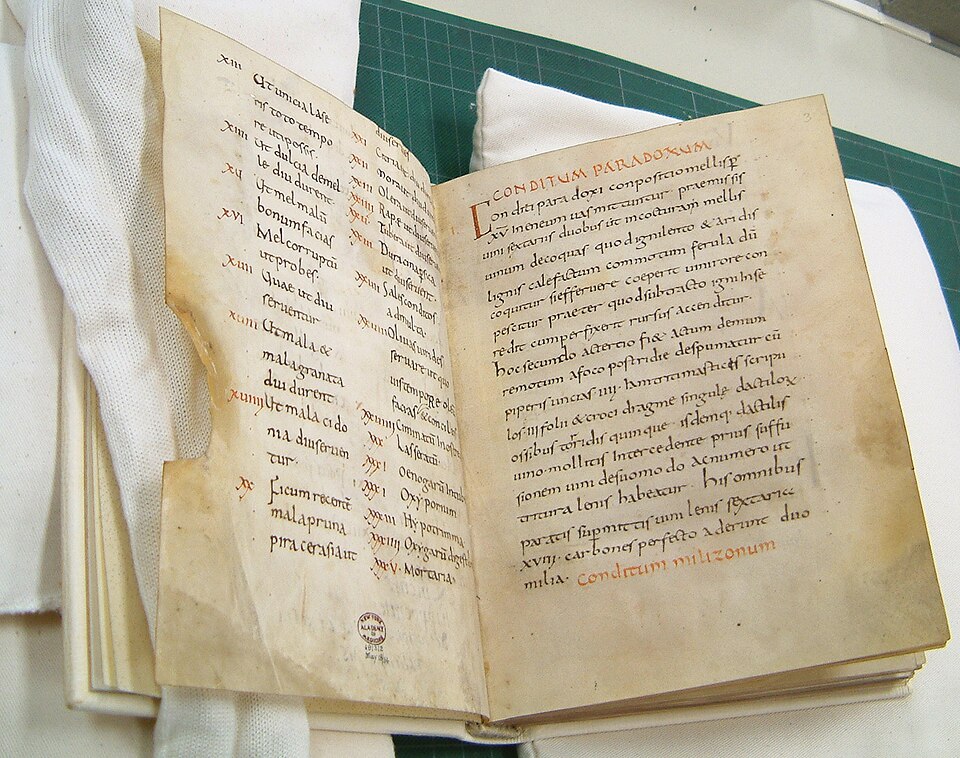
De Re Coquinaria, the Roman recipe collection associated with the gourmet Marcus Gavius Apicius, survives in a manuscript copied around 400 CE. Its roughly 400–500 recipes assume a kitchen staffed by trained cooks — usually enslaved people or freedmen — working with bronze grills, iron spits and mortars most Roman households never owned.
1268Paris writes its kitchen trades into law
Provost Étienne Boileau's Livre des métiers recorded the customs of roughly a hundred Parisian trade guilds, including the city's roasters. Over the following centuries the boundary hardened: a rôtisseur who sold a stew, or a traiteur who roasted a bird, could be fined for practicing another guild's trade — a division that lasted until the Revolution.
1574Topkapi's kitchens rebuilt at empire scale
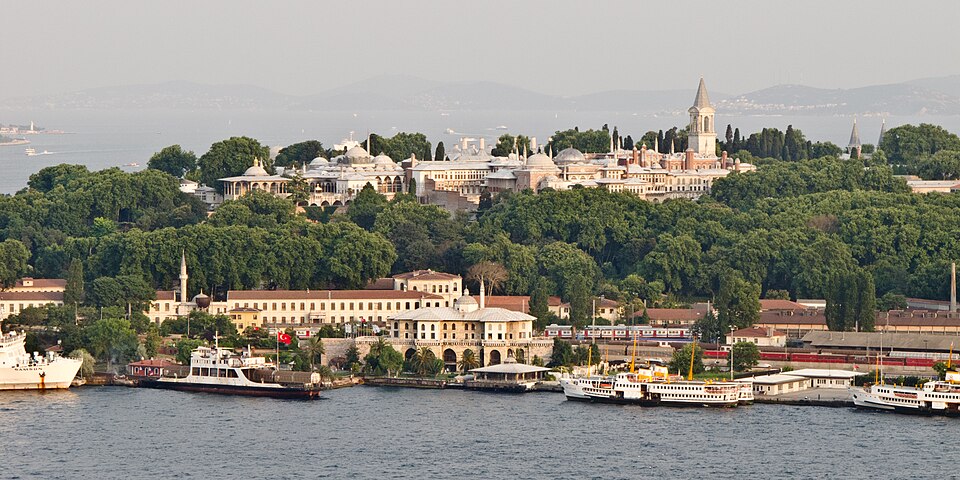
Chief Ottoman architect Mimar Sinan gave Istanbul's Topkapi Palace kitchens the ten-domed form still standing today. Behind its walls, a kitchen staff that had numbered around a hundred under Mehmed II grew past a thousand under later sultans, cooking for the court, the harem and palace guards under a strict hierarchy of named ranks.
1651La Varenne writes down the new French cooking
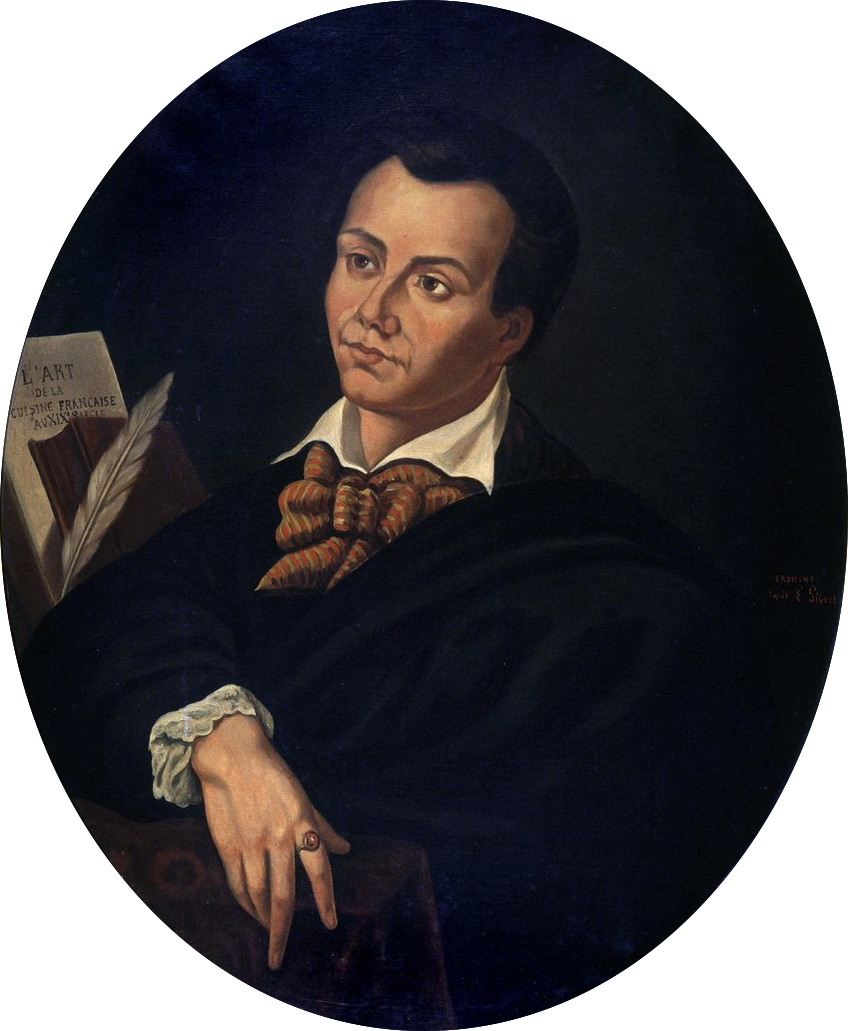
François Pierre La Varenne's Le Cuisinier françois broke from the heavily spiced medieval kitchen, favoring the roux, the bouquet garni and the natural taste of ingredients. It is generally considered the first cookbook aimed at professional cooks rather than noble households, and the founding text of what became French haute cuisine.
1891Artusi gives Italy a national cuisine
Pellegrino Artusi self-published La Scienza in Cucina e l'Arte di Mangiar Bene for home cooks, not professionals, three decades after Italian unification. Stitching together regional dishes from a newly single country, it became the book that, more than any royal chef's treatise, defined Italian cooking as one national tradition passed from a nonna's kitchen onward.
1903Escoffier publishes Le Guide Culinaire
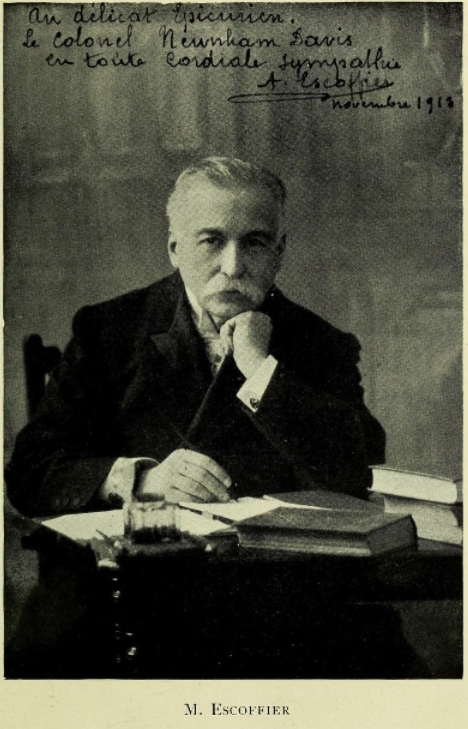
Auguste Escoffier's guide codified some 5,000 recipes and, more lastingly, the brigade de cuisine: a kitchen divided into stations — sauce, fish, roast, larder, pastry — each under its own chef de partie reporting up a clear chain of command. Adapted from military organization, it remains the skeleton of most professional kitchens.
1960Tsuji professionalizes culinary education in Japan
Journalist-turned-educator Shizuo Tsuji founded the Tsuji Culinary Institute in Osaka, building formal classroom training alongside Japan's older kitchen-apprenticeship tradition. In 1972 he invited French chef Paul Bocuse to teach there, one of the first structured exchanges between Japanese and French professional kitchens — a bridge in both directions that continues today.
2004The New Nordic Manifesto
Twelve chefs from Denmark, Norway, Sweden, Finland, Iceland, Greenland, the Faroe Islands and Åland signed a ten-point manifesto drafted by food entrepreneur Claus Meyer and chef René Redzepi, committing to purity, season and local ingredients over imported luxury. It gave a name and a program to what became New Nordic cuisine.
2008Peru's gastronomic boom gets a festival
Chef Gastón Acurio launched Mistura in Lima, a festival that grew into one of the world's largest food events and a showcase for the Peruvian gastronomic boom. Acurio had spent over a decade arguing that ceviche, anticuchos and Peru's native potato varieties belonged in fine dining — reversing an older habit among Lima's elite of treating French food as the only serious cuisine.