18 min read
If you only read one thing
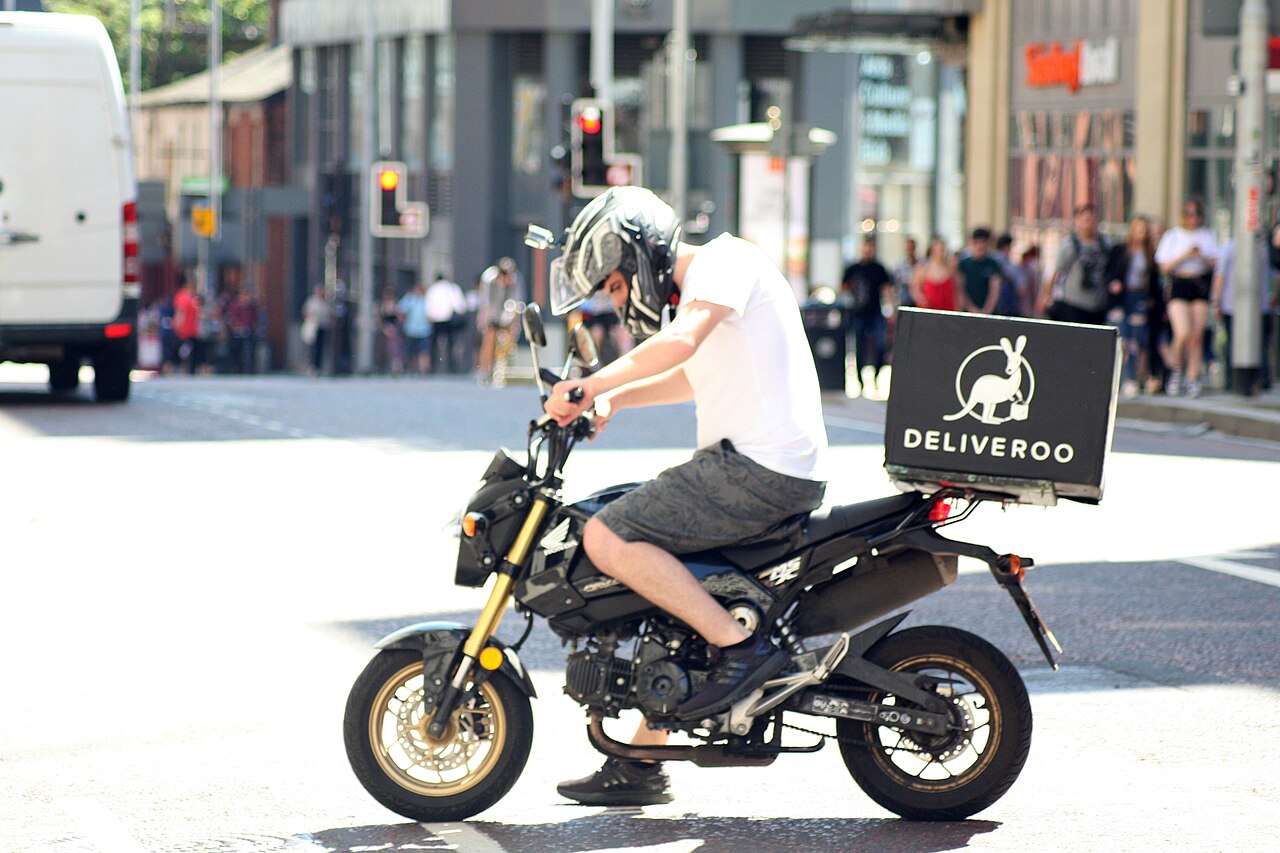
App-based meal courier work fitted around a day job — tips, zones and vehicle costs.
Key takeaways
Food delivery is a common path for employed people seeking extra income without an immediate resignation. Outcomes vary widely by city, platform fees and how strictly someone protects sleep and the primary job. This guide separates startup steps, craft, earnings reality, risk, legal basics, case patterns and personal fit — with numbers treated as relative bands, not promises.
Jump to section
Next
Grocery delivery
Who this is for App-based meal courier work fitted around a day job — tips, zones and vehicle costs.
Print this page
Key scores Time to cash 92 Skill barrier 22 Income ceiling 48 Schedule flexibility 78 Capital needed 28 Platform risk 82 Grocery delivery Ride-share driving Parcel courier Moving help Quick facts Same day Time to cash
Bike/car Capital
8–20 hrs/wk Side hours
22/100 Skill bar
78/100 Flex score
82/100 Platform risk
Food delivery is a common path for employed people seeking extra income without an immediate resignation.
Outcomes vary widely by city, platform fees and how strictly someone protects sleep and the primary job.
This guide separates startup steps, craft, earnings reality, risk, legal basics, case patterns and personal fit — with numbers treated as relative bands, not promises.
Local lens tax desks and platform help centres.
Earnings and platform rules change; use dated bands, not live quotes.
Delivery & mobility.
Start here 92 Time to cash Editorial 0–100 browsing aid within this atlas.
22 Skill barrier Editorial 0–100 browsing aid within this atlas.
48 Income ceiling Editorial 0–100 browsing aid within this atlas.
78 Schedule flexibility Editorial 0–100 browsing aid within this atlas.
Orient — Food delivery — Delivery & mobilityCompare — Use compare / related rails for neighbours.Go deep — The craftCheck local — Check localLens before treating English norms as universal.Note Earnings and platform rules change; use dated bands, not live quotes.
Scope Editorial scores are browsing aids, not certificates.
Primary — tax desks and platform help centresSecondary — Delivery & mobilityMethod — Editorial synthesis — prefer primary desks for decisions.Food delivery — concrete atlas depth on Tool-Lifes.
Limit Earnings and platform rules change; use dated bands, not live quotes.
Field terms
Local lens Everyday desks for this language community.
Editorial score 0–100 browsing aid inside this atlas only.
Caveat Earnings and platform rules change; use dated bands, not live quotes.
Primary desk tax desks and platform help centres
Start path start → craft → earnings
FAQ Eight distinct questions per topic page.
Share blurb Native one-liner for social previews.
Best-30 Quality pass for locale, traffic and premium rails. How to use this atlas Start here — How to startNext — The craftThen — Earnings realityCheck local — Local lensTools Best-of hustle rankings
Local systems
English-speaking platform markets tax and platform rules change - dated bands only
operators, freelancers and side-gig desks app stores, marketplaces and local tax offices
start delivery · Food delivery Local examples app stores, marketplaces and local tax offices operators, freelancers and side-gig desks Prefer local desks before English defaults. Quick FAQ Where to start? How to start → The craft → Earnings reality — Food delivery
Is this advice? Earnings and platform rules change; use dated bands, not live quotes.
Local lens? tax desks and platform help centres — Delivery & mobility
Related searches Food delivery How to start Food delivery FAQ Delivery & mobility — tax desks and platform help centres Food delivery how to read
How to read this page Start here — How to start — Food deliveryNext — The craft · tax desks and platform help centresThen — Earnings reality · Delivery & mobilityFood delivery — concrete atlas depth on Tool-Lifes.
Field note operators, freelancers and side-gig desks — tax and platform rules change - dated bands only
Editorial timeline 1 — start · Food delivery2 — craft · operators, freelancers and side-gig desks3 — earnings · delivery2026 — Editorial review stampPrimary desks Primary frame — tax and platform rules change - dated bands onlySecondary frame — operators, freelancers and side-gig desksMethod note — app stores, marketplaces and local tax officesNote Earnings and platform rules change; use dated bands, not live quotes.
The profile
92 22 48 78 28 82
Time to cash 92 Skill barrier 22 Income ceiling 48 Schedule flexibility 78 Capital needed 28 Platform risk 82
Platform risk
82
/ 100
Same day
App-based meal courier work fitted around a day job — tips, zones and vehicle costs.
Seven ways into this hustle Frequently asked questions Where should I start with Food delivery? Read How to start → The craft → Earnings reality, then use compare rails.
Is this page advice for Food delivery? Earnings and platform rules change; use dated bands, not live quotes.
What does the local lens add? It names everyday desks for Delivery & mobility before English norms look universal.
Are the scores a ranking of Food delivery? No — editorial 0–100 browsing aids inside this atlas only.
How do I compare Food delivery to neighbours? Use related cards and best-of / quiz rails after the first three chapters.
Which chapter is densest? The craft and Earnings reality carry mechanisms; skim How to start first.
Can I cite these scores externally? Treat them as atlas orientation, not certificates or forecasts.
What should I check before acting? Primary desks for Delivery & mobility: tax desks and platform help centres.
More in Delivery & mobility