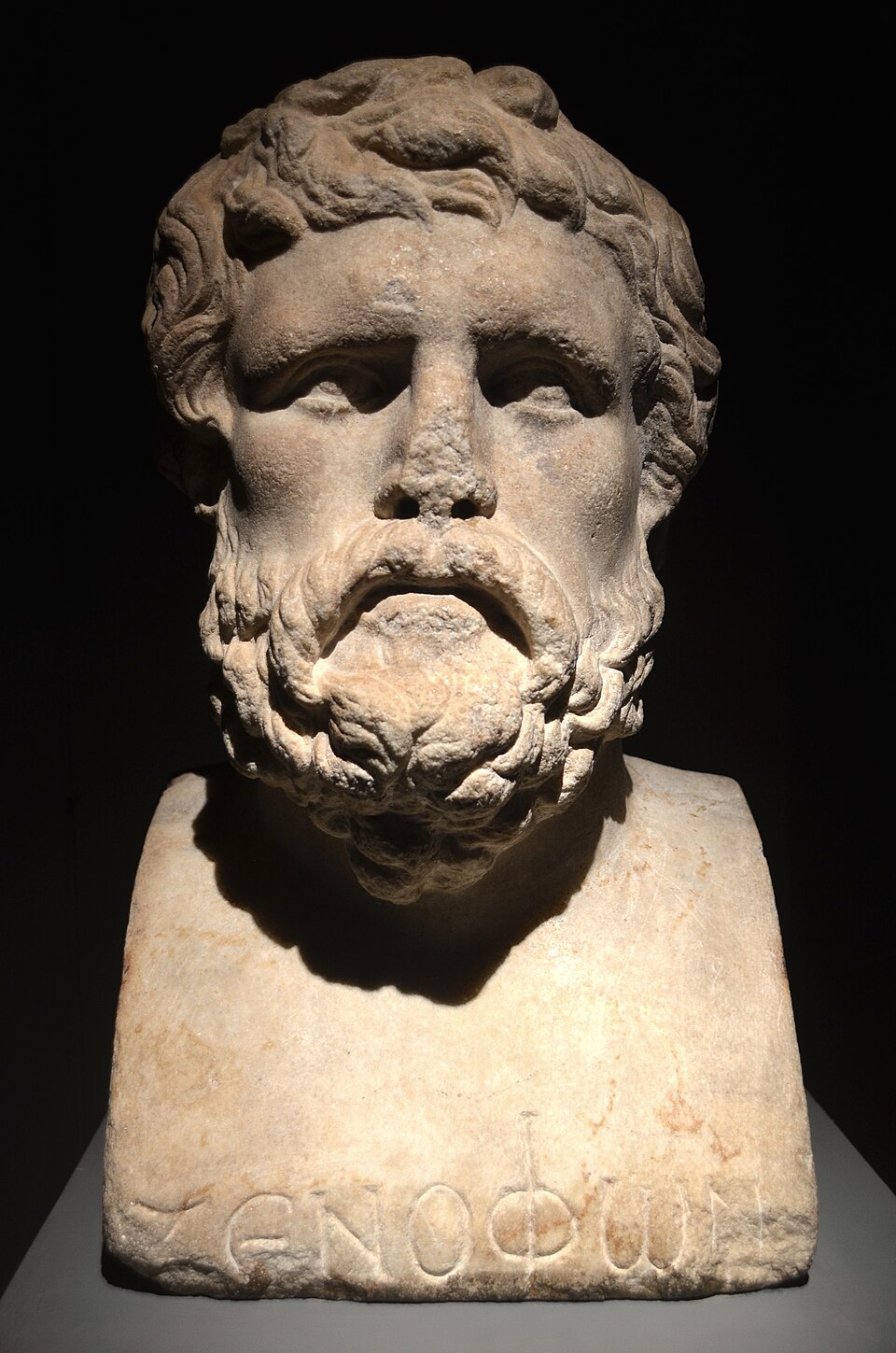
c. 362 BCEXenophon writes the Oeconomicus
The Athenian soldier-historian composes a dialogue on estate management whose title, from oikos (house) and nomos (rule), eventually becomes the name of the whole discipline. It treats farming, the training of stewards and the division of labor between husband and wife as one continuous problem of good management.
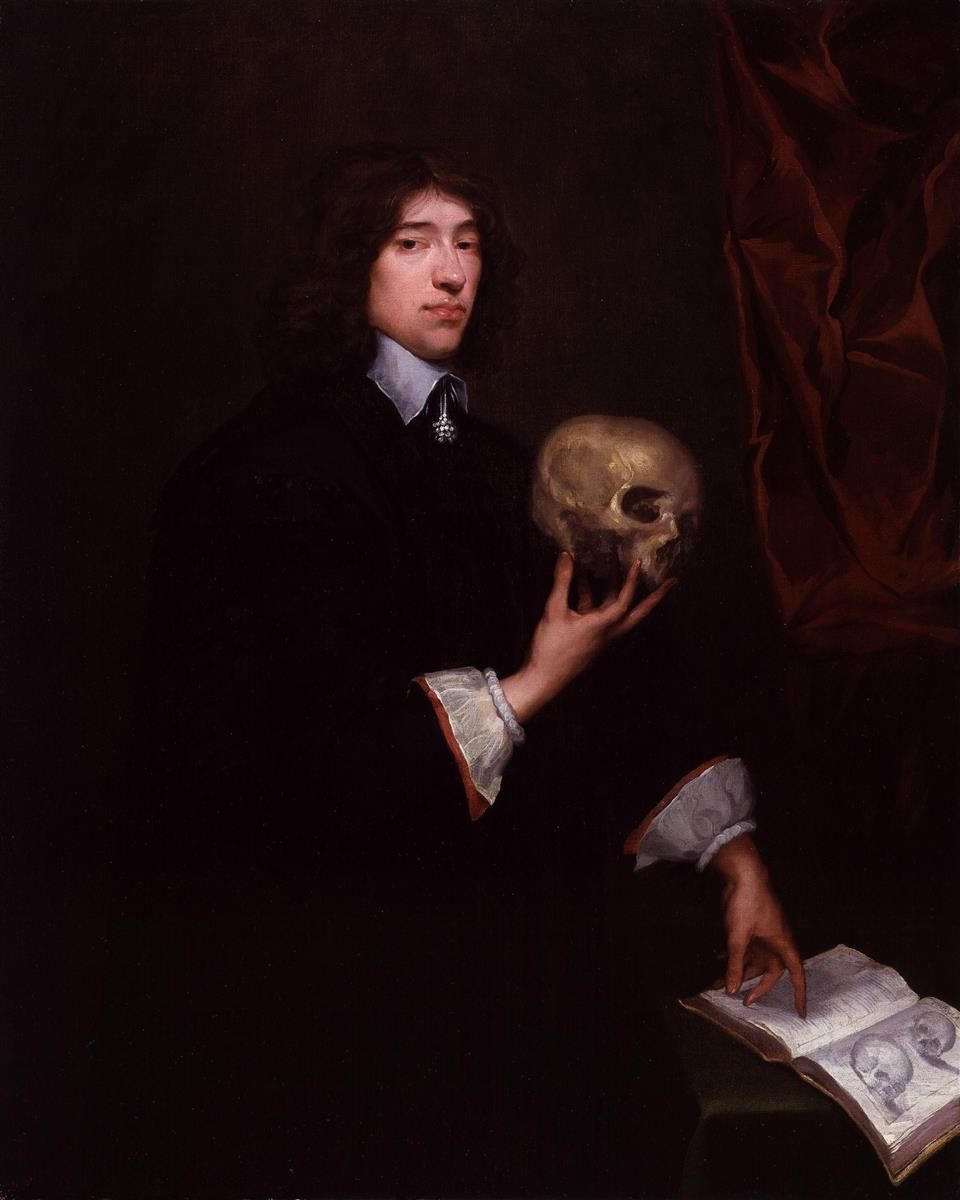
1377Ibn Khaldun's Muqaddimah
The Tunis-born historian and judge completes the introduction to his universal history, analyzing the division of labor, the rise and fall of dynasties, and the self-defeating arithmetic of over-taxation with a rigor Europe would not match for centuries. Arthur Laffer later acknowledged Ibn Khaldun as an ancestor of the tax-revenue curve that bears his name.
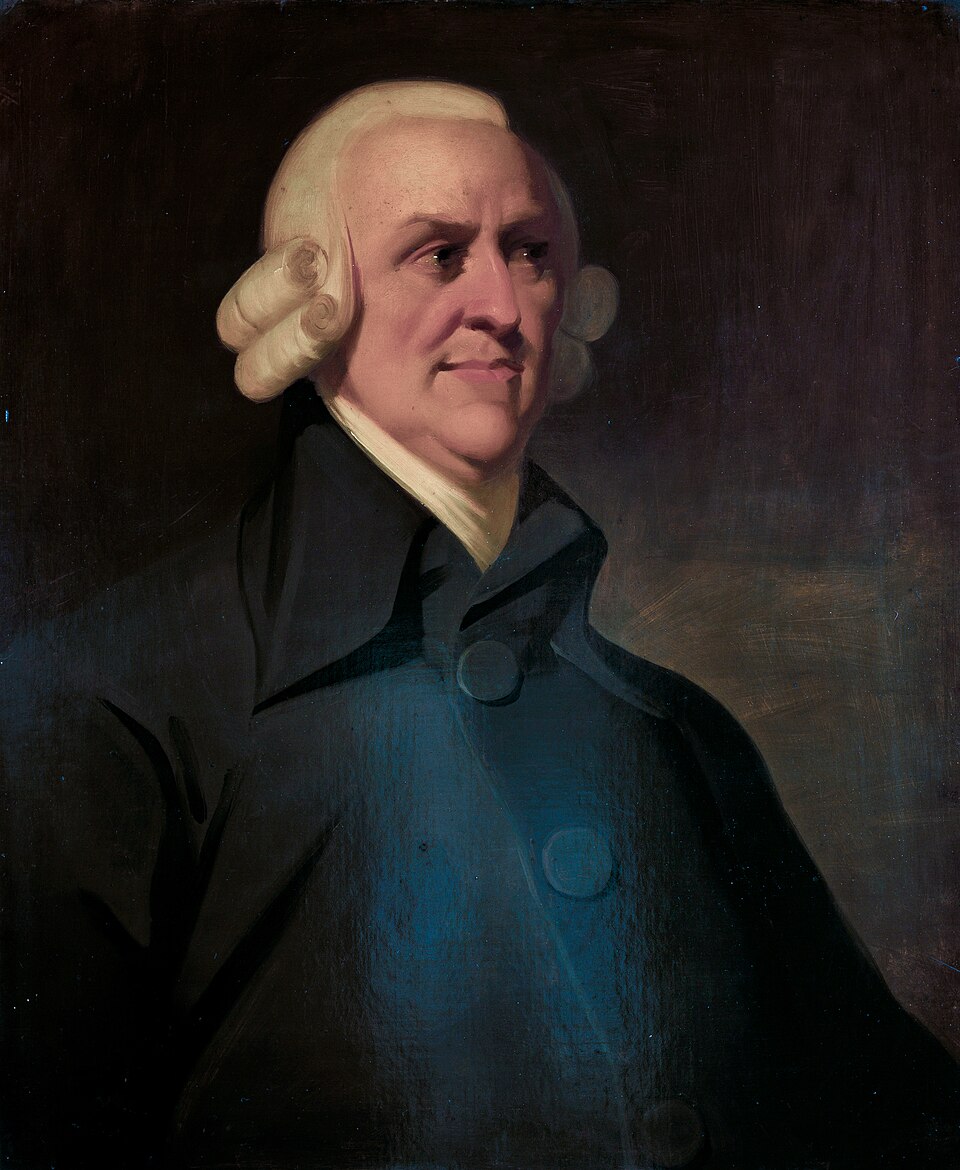
1776The Wealth of Nations
Adam Smith publishes An Inquiry into the Nature and Causes of the Wealth of Nations in London on 9 March 1776. Opening with a pin factory whose ten workers make tens of thousands of pins a day through the division of labor, it argues that self-interested exchange under competition, not gold hoards or state direction, creates a nation's wealth. The first edition sells out in six months.
1817Ricardo's comparative advantage
London stockbroker-turned-theorist David Ricardo publishes On the Principles of Political Economy and Taxation, showing with a two-country example of English cloth and Portuguese wine that trade benefits both sides even when one country makes everything more efficiently. Two centuries later, comparative advantage remains the profession's standard case for open trade.
1871The marginal revolution
Working independently, William Stanley Jevons in Manchester and Carl Menger in Vienna both publish books grounding value in marginal utility — the worth of the next unit — with Léon Walras in Lausanne completing the trio in 1874. Thinking at the margin becomes the discipline's signature habit and its bridge to calculus.
1890Marshall professionalizes the field
Alfred Marshall's Principles of Economics, the dominant textbook for four decades, popularizes supply-and-demand diagrams and the very name "economics" in place of political economy. With the American Economic Association founded in 1885 and new journals and chairs multiplying, economics becomes a career rather than a gentleman's sideline.
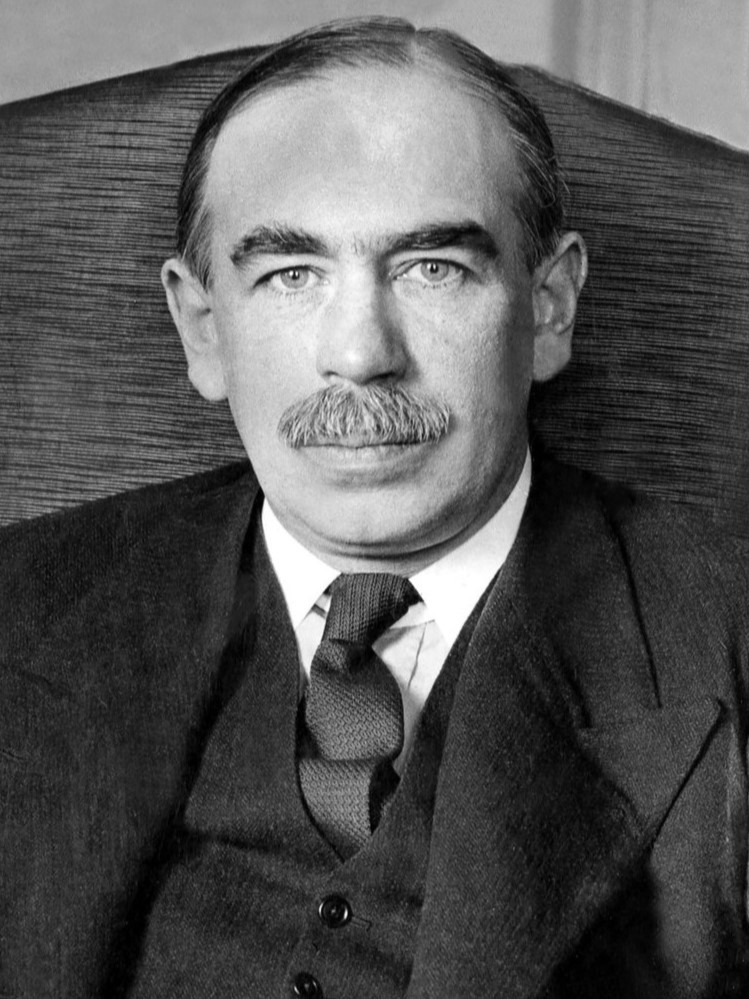
1936Keynes invents macroeconomics
Amid mass unemployment, John Maynard Keynes publishes The General Theory of Employment, Interest and Money, arguing that economies can settle into prolonged slumps that only government spending can escape. The book creates macroeconomics as a field and, within a decade, a permanent demand for economists inside governments.
1944Bretton Woods
Delegations from 44 nations meet at the Mount Washington Hotel in Bretton Woods, New Hampshire, in July 1944 to design the postwar monetary order. The lead negotiators — Keynes for Britain, Harry Dexter White for the United States — are economists, and the institutions they create, the IMF and World Bank, become two of the profession's largest employers.
1969The first economics Nobel
Sweden's central bank endows the Sveriges Riksbank Prize in Economic Sciences in Memory of Alfred Nobel, first awarded in 1969 to Ragnar Frisch of Norway and Jan Tinbergen of the Netherlands for developing econometrics — fitting models to data. The prize seals the discipline's postwar turn from prose to mathematics.
2019The experimental turn is crowned
Abhijit Banerjee, Esther Duflo and Michael Kremer win the prize for fighting poverty with randomized controlled trials — testing policies the way medicine tests drugs. Duflo, at 46 the youngest laureate in the prize's history and only its second woman, embodies a generation that made economics an experimental science.