
Central banking
Monetary policy and research.
Incentives, markets and policy — models that must survive contact with real institutions.
Also called: Economic science
Reviewed 2026-08-08·Media credits

Darker cells mean a higher score for this topic on that metric.
LessMore
Each bar is a 0-100 atlas score for this topic, not a timeline.
Last reviewed Sources & creditsMedia creditsMethodology
Economics studies incentives, markets and policy with models that must survive institutions and data. Empirics and theory fight for timetable space; good programmes teach both.
Campus life is seminars, computing for econometrics and reading groups — rarely specialised wet labs. Undergraduate research and RA jobs often matter for graduate admission.
Outcomes include policy, finance, data roles, further study and consulting. Scores are relative among forty majors.
Typical bachelor years: 4
Scores are relative across the forty majors on this site — not absolute rankings of universities.
Popularity & Demand →Sectors where graduates and research from this field show up most often — plates from Wikimedia Commons.
Monetary policy and research.

Markets and advisory.

Growth and poverty programmes.

Evidence for governments.
Checkable figures whose work still frames how the discipline is taught and practised.
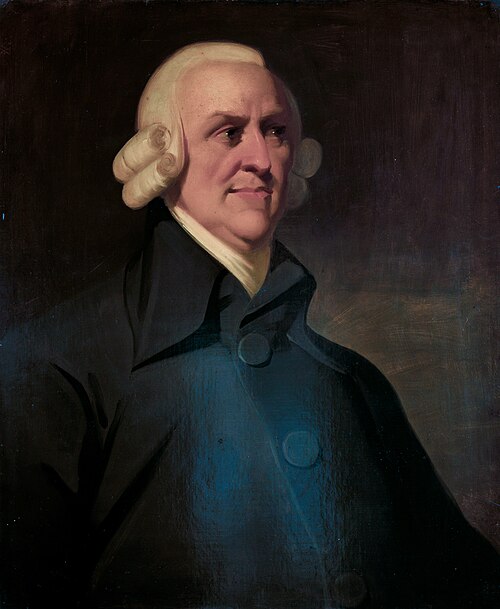
Classical economics
1723–1790
Unknown author Unknown author · Public domain
Macroeconomics
1883–1946
Unknown, dedicated to Bettmann Archive · Public domain
Welfare & capability
1933–
Amartya_Sen_20071128_cologne.jpg : Elke Wetzig ( Elya ) derivative work: ChaudhryAzan ( talk ) · CC BY-SA 3.0
Development RCTs
1972–
US Embassy Sweden · CC BY 2.0Same-field head-to-heads built from the six score axes.
Why labels are thematic — not a ranking of better majors.
Scores are browsing aids for curriculum and career lanes, not a league table of worth.
The language of economic truth claims — standards, audit and the politics of what gets counted.
Employability 90 Same field neighbourOrganisations under constraints — strategy, people, money and the stories firms tell themselves.
Employability 84 Same field neighbourOrganisations under constraints — strategy, people, money and the stories firms tell themselves.
Employability 84 🧾The language of economic truth claims — standards, audit and the politics of what gets counted.
Employability 90 🏨Service operations at scale — rooms, food, events and the labour that makes guests feel looked after.
Employability 80