1343–46Edward III breaks Florence's super-banks
England's Edward III defaulted on the colossal war loans that Florence's Bardi and Peruzzi banks had extended to fund his campaigns against France. The Peruzzi failed in 1343 and the Bardi by 1346, taking much of Florence's economy down with them — the first great demonstration that lending to sovereigns is the most dangerous business in banking.
1397Giovanni de' Medici founds the Medici Bank
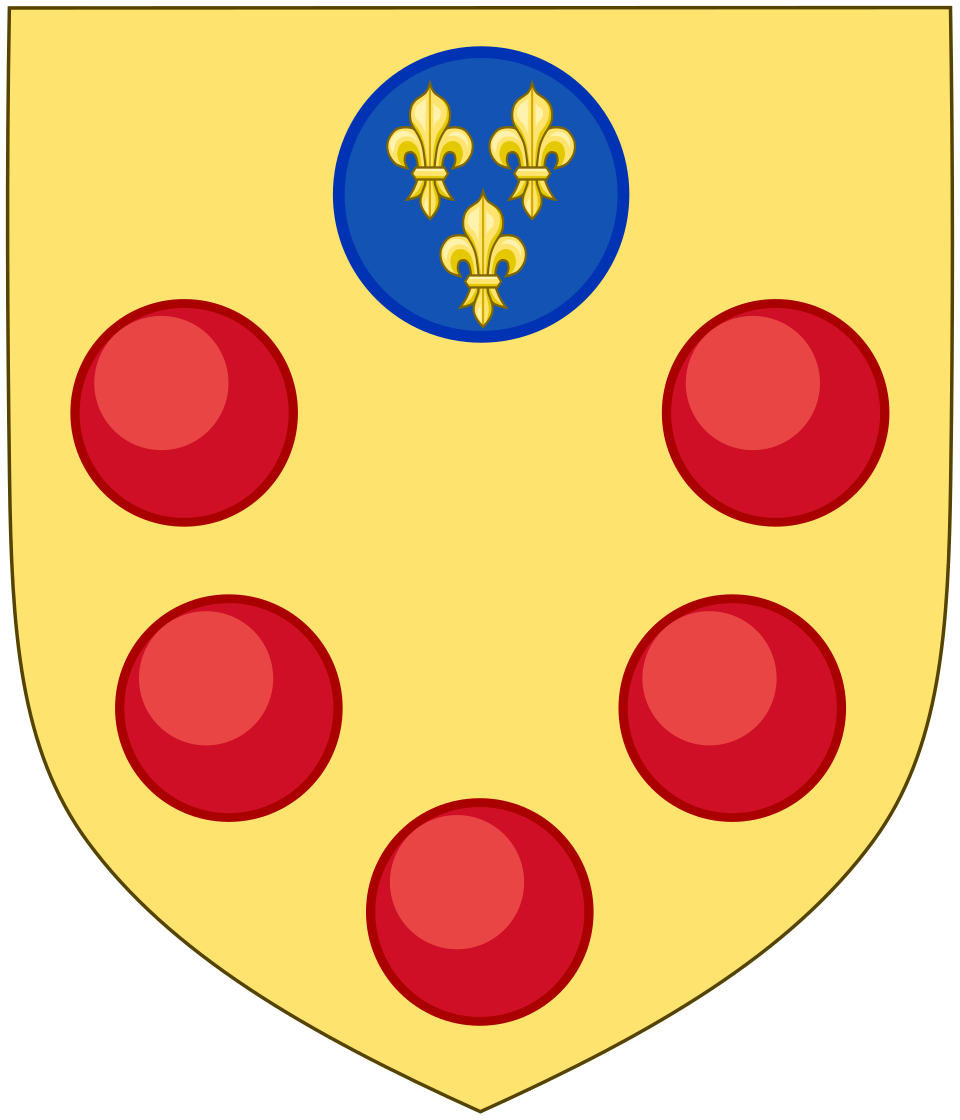
Giovanni di Bicci de' Medici moved his operation from Rome to Florence and built the century's dominant bank on a decentralized structure: branches from London to Naples run by local partners who shared profits and liability. As banker to the papacy, the Medici Bank turned financial services into political power that eventually made the family dukes and popes.
1519Jakob Fugger buys an imperial election
When the Holy Roman Empire's crown came open, Augsburg banker Jakob Fugger raised roughly 850,000 florins — more than half from his own house — to pay the seven electors to choose Charles V over Francis I of France. It remains history's clearest case of a banker openly financing the purchase of supreme political office.
1602The first publicly traded shares
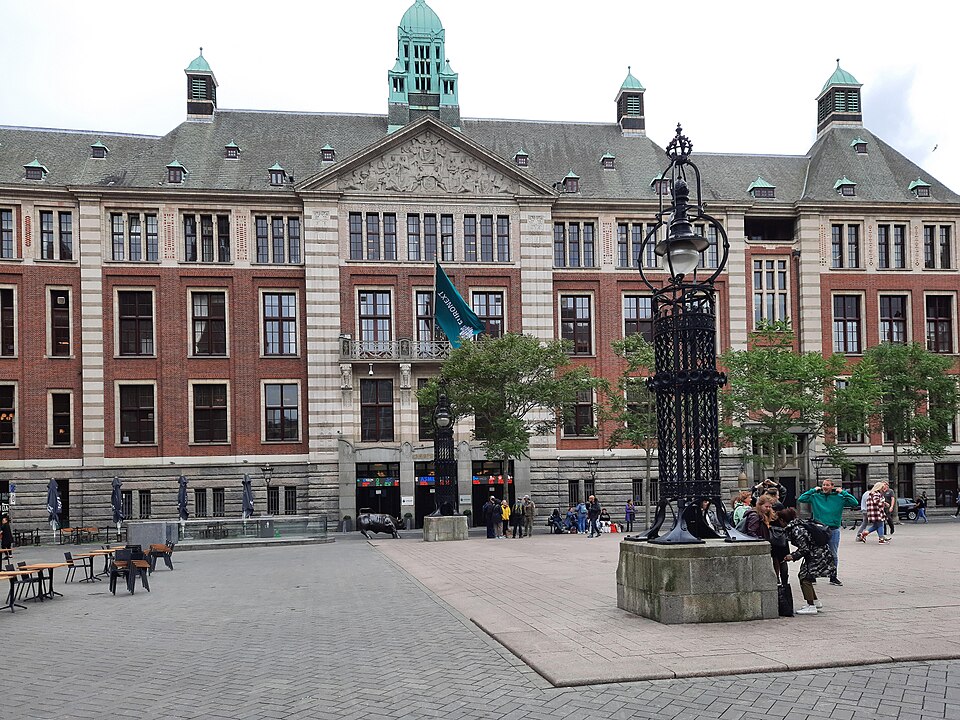
The Dutch East India Company (VOC) was chartered with permanent capital subscribed by the public, and its shares immediately began trading in Amsterdam — the world's first stock in the modern sense. The secondary market that grew around it created the template every later exchange, underwriter and IPO would follow.
1815Rothschild's information network beats the government
Nathan Mayer Rothschild learned of Wellington's victory at Waterloo roughly a day before the British government, via his family's private courier network, and informed the Treasury. The five Rothschild brothers, placed in London, Paris, Frankfurt, Vienna and Naples, went on to dominate European sovereign lending for half a century — the first truly multinational investment house.
1907Morgan's library rescue
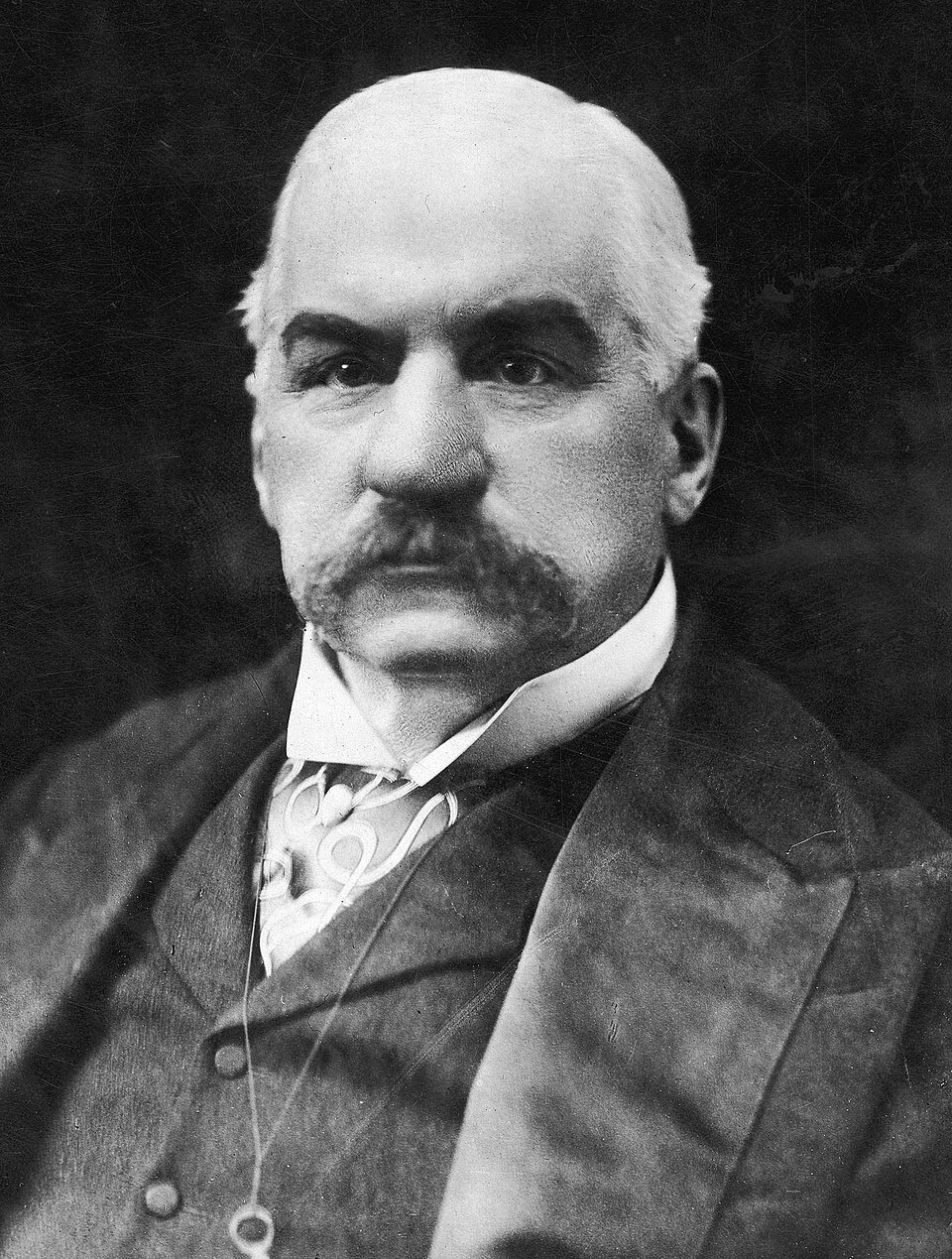
With no central bank in existence and New York's trust companies collapsing, 70-year-old J. Pierpont Morgan locked the city's leading bankers inside his private library on the night of 2 November 1907 until, at 4:45 a.m., they signed a $25 million rescue. Congress decided no private citizen should hold that power again and created the Federal Reserve in 1913.
1933Glass–Steagall splits the Street
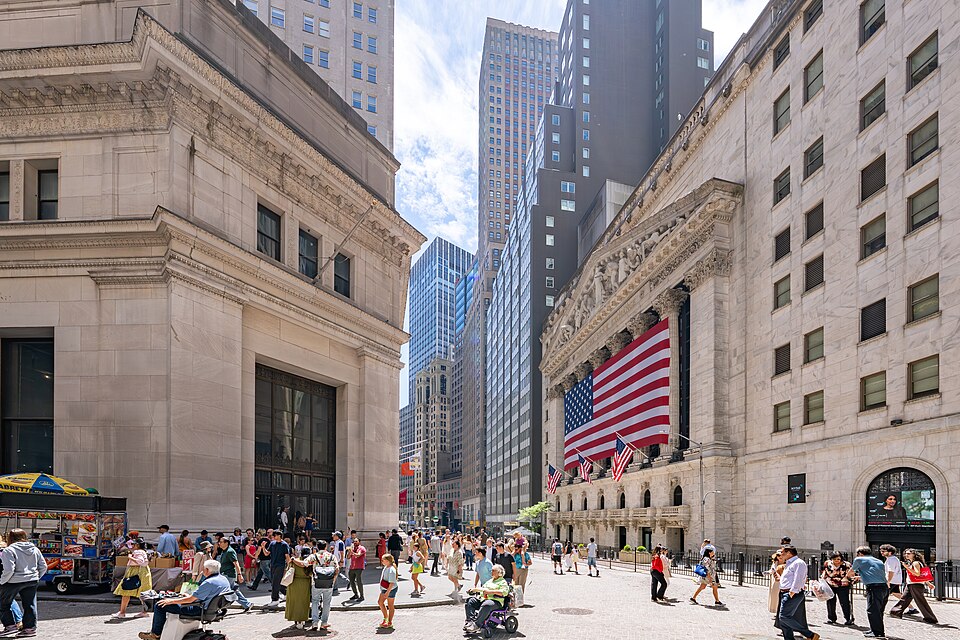
After the Pecora hearings exposed 1920s underwriting abuses, the Glass–Steagall Act forced American banks to choose between deposits and securities. J.P. Morgan & Co. chose commercial banking, and in 1935 a group of its partners left to found Morgan Stanley — the moment "investment bank" became a distinct legal species that lasted 66 years.
1963Warburg invents the Eurobond
S. G. Warburg & Co. lead-managed a $15 million bond for Autostrade, Italy's state motorway operator — issued outside any single country's system, listed in Luxembourg and structured to sidestep both British stamp duty and America's new interest-equalization tax. The offshore capital market it opened now measures in the trillions of dollars.
1986Big Bang deregulates the City
On 27 October 1986, London abolished fixed commissions, ended the centuries-old separation of brokers and jobbers, and opened Stock Exchange member firms to foreign ownership. American and European banks bought up the City's partnerships within a few years, turning London into the hub of global capital markets and exporting the US banking model worldwide.
2008Lehman falls and the model ends
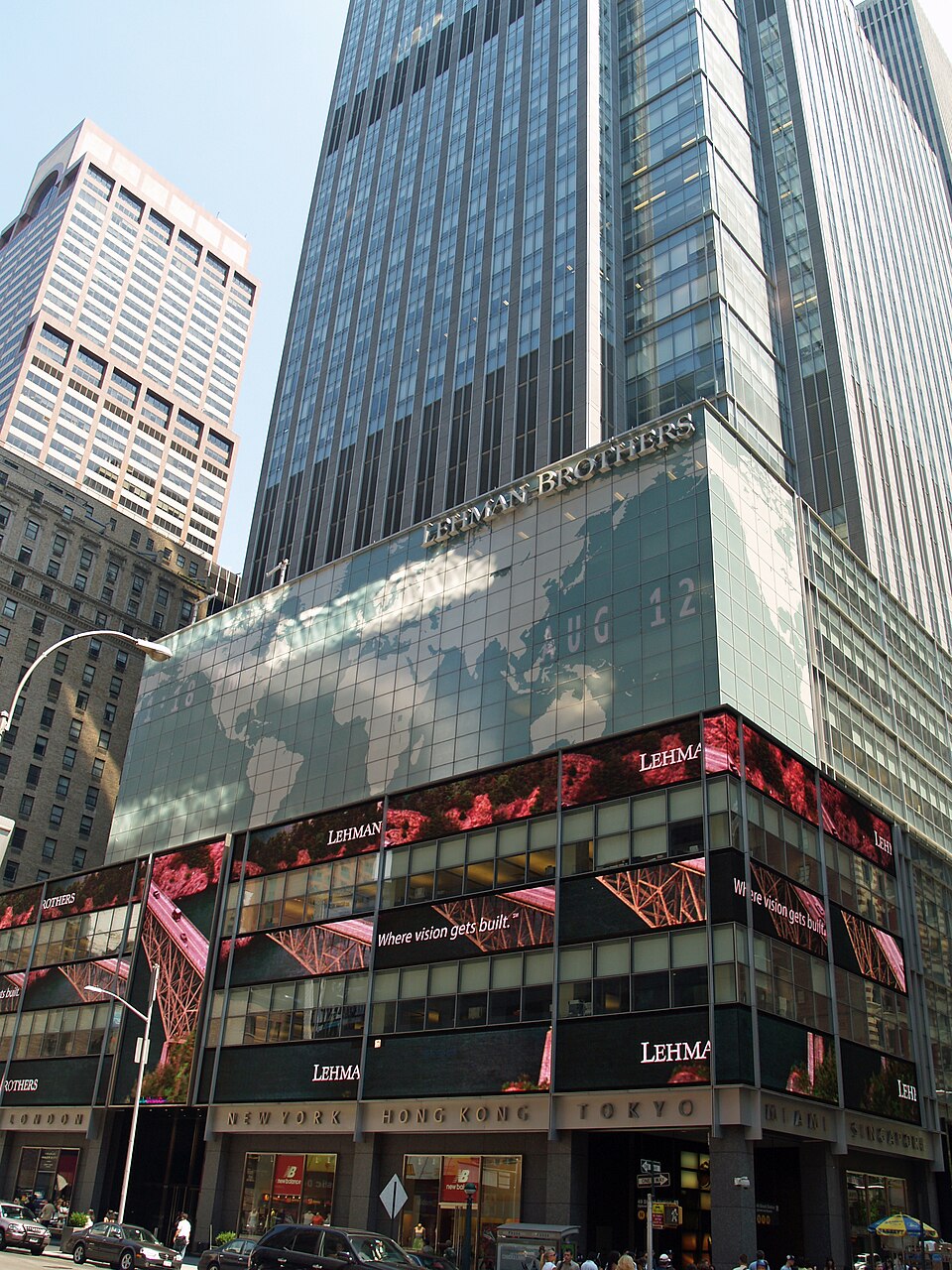
Lehman Brothers filed the largest bankruptcy in US history on 15 September 2008, with some $600 billion in assets; Merrill Lynch sold itself to Bank of America the same weekend. Within a week, Goldman Sachs and Morgan Stanley converted to regulated bank holding companies — ending the era of the large standalone investment bank.