💊Origins & Evolution

Pharmacist · The medicines expert behind every prescription — from Baghdad's first drug shops and the apothecary's mortar to morphine, artemisinin and the modern dispensary.

Pharmacy is older than the profession that practices it. People wrote down drug recipes for nearly three thousand years — in Sumer, Egypt, India, China, Greece — before anyone made preparing those drugs a separate, regulated occupation. That separation happened twice, independently: in the Islamic world in the eighth century, when Baghdad's drug shops came under state inspection, and in Europe around 1240, when Emperor Frederick II ordered by law that the person who prescribes must not be the person who sells.

The reason both states intervened was the same, and it still defines the job: medicines are the only everyday product where the customer cannot judge quality, the seller has an incentive to adulterate, and an error kills. Nearly every major event in pharmacy's history — guilds, pharmacopoeias, licensing exams, the modern regulatory state — is another answer to that one problem of trust.

Where it began

c. 2100 BCESumer (Nippur)

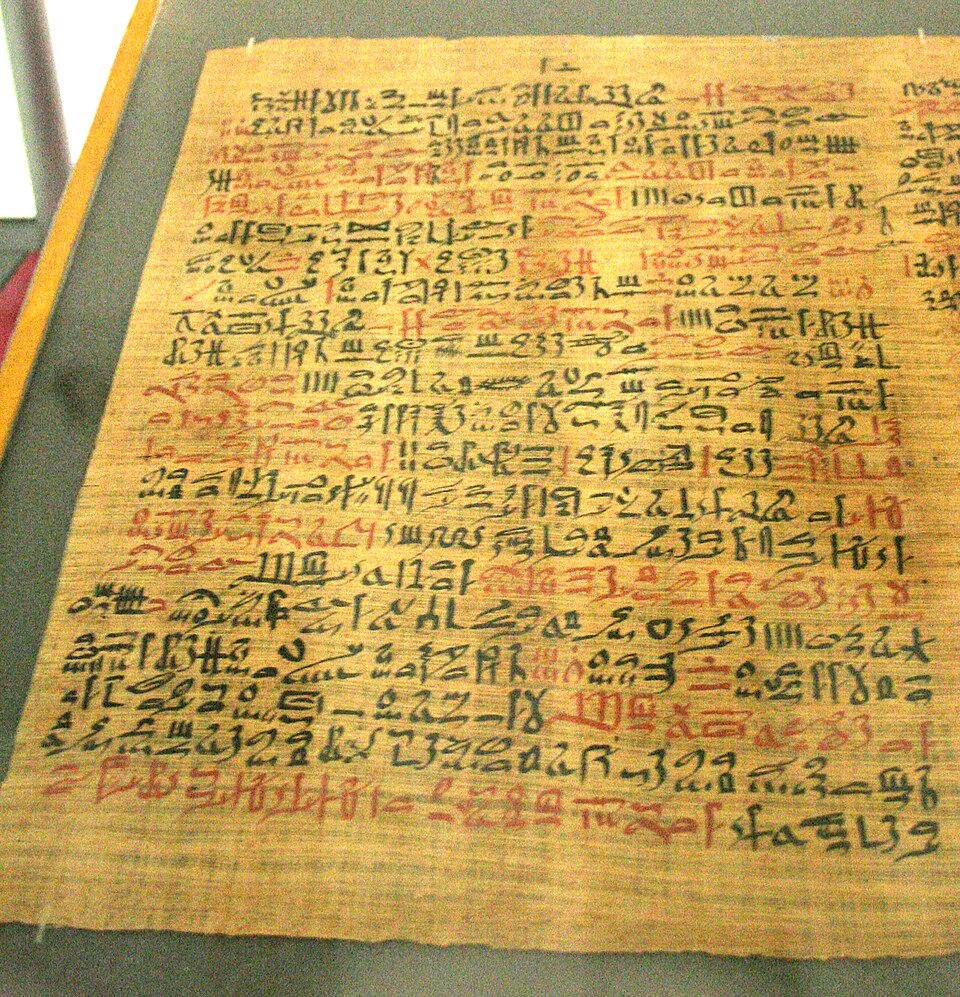
The oldest known collection of drug recipes is a Sumerian clay tablet from Nippur, in modern Iraq, written around 2100 BCE. An anonymous physician recorded about a dozen prescriptions — salves and washes built from mustard, thyme, willow, fig, myrrh, river silt and beer — with none of the incantations that dominate most medical texts of the era. Egypt followed with far larger compilations, above all the Ebers Papyrus of about 1550 BCE, listing hundreds of remedies with instructions for preparation and dosing: the pharmacist's two core acts, already on paper before the profession existed.

Timeline

c. 2100 BCEThe Nippur drug tablet

A Sumerian physician presses about a dozen drug recipes into a clay tablet — salves and infusions of mustard, thyme, willow and myrrh, with beer as a solvent. It is the oldest known pharmacological document, and strikingly free of magic for its era.

c. 1550 BCEThe Ebers Papyrus

One of Egypt's great medical papyri compiles hundreds of remedies, from castor oil and honey wound dressings to specific preparation and dosing instructions. Alongside spells, it preserves a working formulary a modern pharmacist would recognize as such.

c. 60 CEDioscorides writes De Materia Medica

Pedanius Dioscorides, a Greek physician traveling with Roman armies, describes roughly 600 plants and their preparations in five books organized by drug action. It remained the standard European and Middle Eastern drug reference for about 1,500 years — the longest-serving textbook in the history of science.

754Baghdad opens the first drug shops

Under the early Abbasid caliphate, privately owned pharmacies — run by the saydalani, a recognized drug specialist distinct from the physician — open in Baghdad, soon subject to state inspection (hisba) of weights and purity. This is the first appearance of pharmacy as an independently practiced, regulated urban trade.

c. 1240Frederick II separates pharmacy from medicine

In the Constitutions governing his Kingdom of Sicily, Emperor Frederick II decrees that physicians may not own pharmacies, fixes drug prices, and requires apothecaries to prepare medicines reliably under oath and inspection. This 'Edict of Salerno' is the legal birth certificate of the European pharmacist, and its physician–pharmacist separation is still law almost everywhere.

1546The first official pharmacopoeia

The city of Nuremberg adopts the Dispensatorium of Valerius Cordus as its legally binding drug standard — the first time a government ordered every pharmacy in its territory to prepare medicines to one published formula. London follows in 1618; today's national and international pharmacopoeias descend directly from this idea.

1804Sertürner isolates morphine

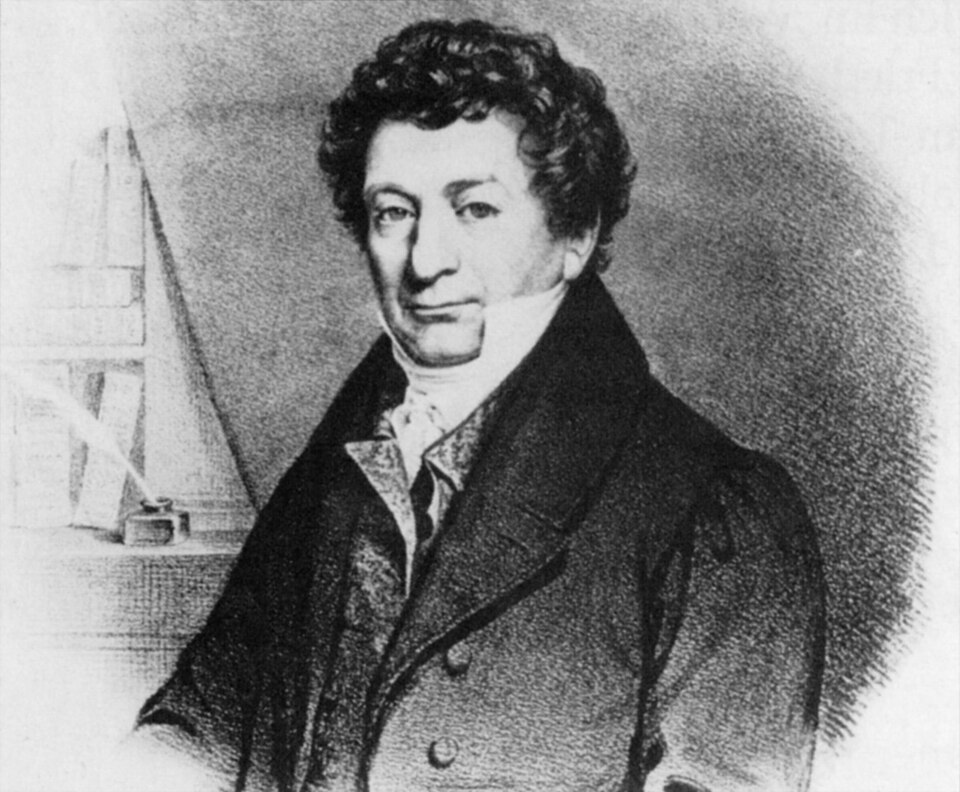
Friedrich Sertürner, a twenty-year-old pharmacist's assistant in Paderborn, Germany, isolates the active principle of opium and later names it morphine, after the god of dreams. It is the first alkaloid ever isolated — proof that a plant drug's power lives in a single purifiable chemical, the founding event of modern pharmaceutical science.

1820Quinine, and the pharmacist as chemist

Paris pharmacists Pierre-Joseph Pelletier and Joseph Caventou isolate quinine from cinchona bark and publish the method without patenting it. Factories across Europe begin extracting the first reliable antimalarial within years; the pair go on to caffeine and strychnine, making the pharmacy laboratory the birthplace of drug chemistry.

1938Regulation after the sulfanilamide disaster

In 1937, S. E. Massengill's 'Elixir Sulfanilamide', made with the untested solvent diethylene glycol, kills more than a hundred Americans, many of them children. The scandal drives the 1938 US Food, Drug, and Cosmetic Act, requiring safety testing before sale — the template for the modern drug-approval systems every pharmacist now works inside.

2020–21Pharmacists vaccinate the world

During the COVID-19 pandemic, community pharmacies become primary vaccination sites in dozens of countries; US pharmacies alone administer hundreds of millions of doses through the Federal Retail Pharmacy Program. It is the most visible demonstration yet of the profession's shift from preparing products to delivering clinical care.

The eras

A section of the ancient Egyptian Ebers Papyrus, one of the oldest surviving drug compilations.
PEbers_c41.jpg : Einsamer Schütze derivative work: Photohound ( talk ) · CC BY-SA 3.0 · Wikimedia Commons
c. 2100 BCE – 750 CE

Drug lore before the profession

For three millennia, drug knowledge accumulated without a dedicated professional to hold it. Sumerian and Egyptian physician-priests compiled recipe collections; Greek rhizotomoi — root-cutters — gathered and sold medicinal plants; Roman unguentarii mixed salves commercially. Dioscorides organized the whole inheritance into De Materia Medica around 60 CE, and Galen's systematic compounding a century later gave the craft its lasting name for skillfully formulated preparations: galenicals. What did not yet exist anywhere was a licensed specialist whose sole trade was preparing medicines.
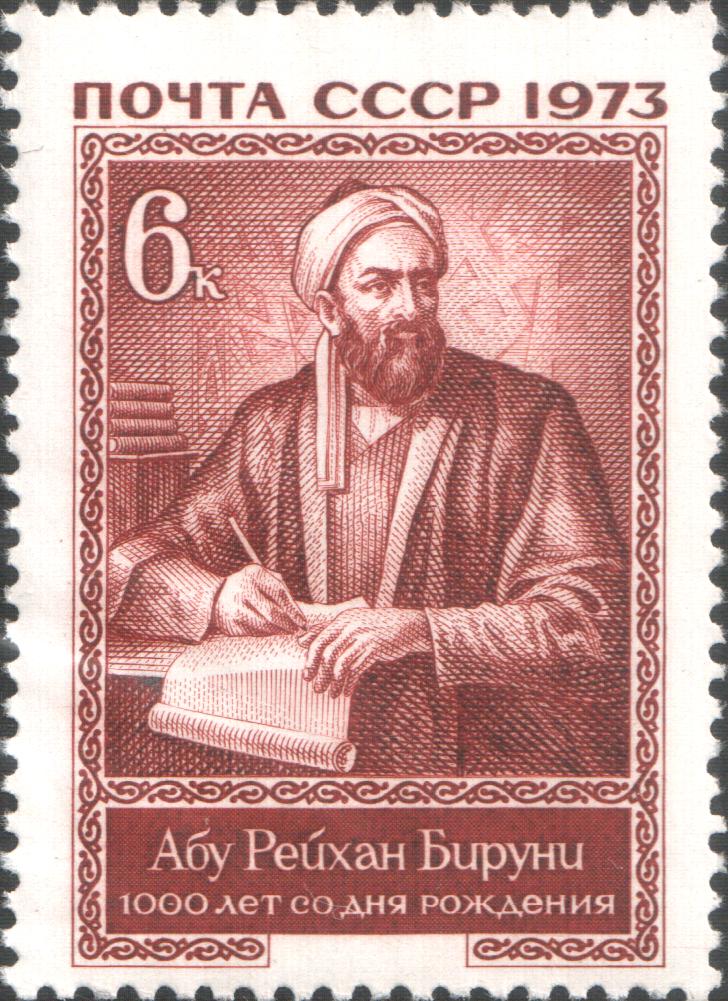
Depiction of the scholar al-Biruni, who wrote an early treatise defining pharmacy as a discipline.
The original uploader was Romanm at Slovenian Wikipedia . · Public domain · Wikimedia Commons
750 – 1240

Baghdad and the first true pharmacies

The Islamic world invented the pharmacist. Baghdad's privately owned drug shops, appearing around 754 CE, were run by the saydalani — a recognized specialist distinct from the physician — and inspected by state officials for purity and honest weights. Hospital dispensaries, syrups (sharab) and juleps entered practice; al-Biruni wrote a book defining pharmacy as its own discipline, and Ibn al-Baytar later compiled some 1,400 drugs from three continents. When Europe finally separated pharmacy from medicine, it was formalizing an arrangement the Islamic world had run for centuries.

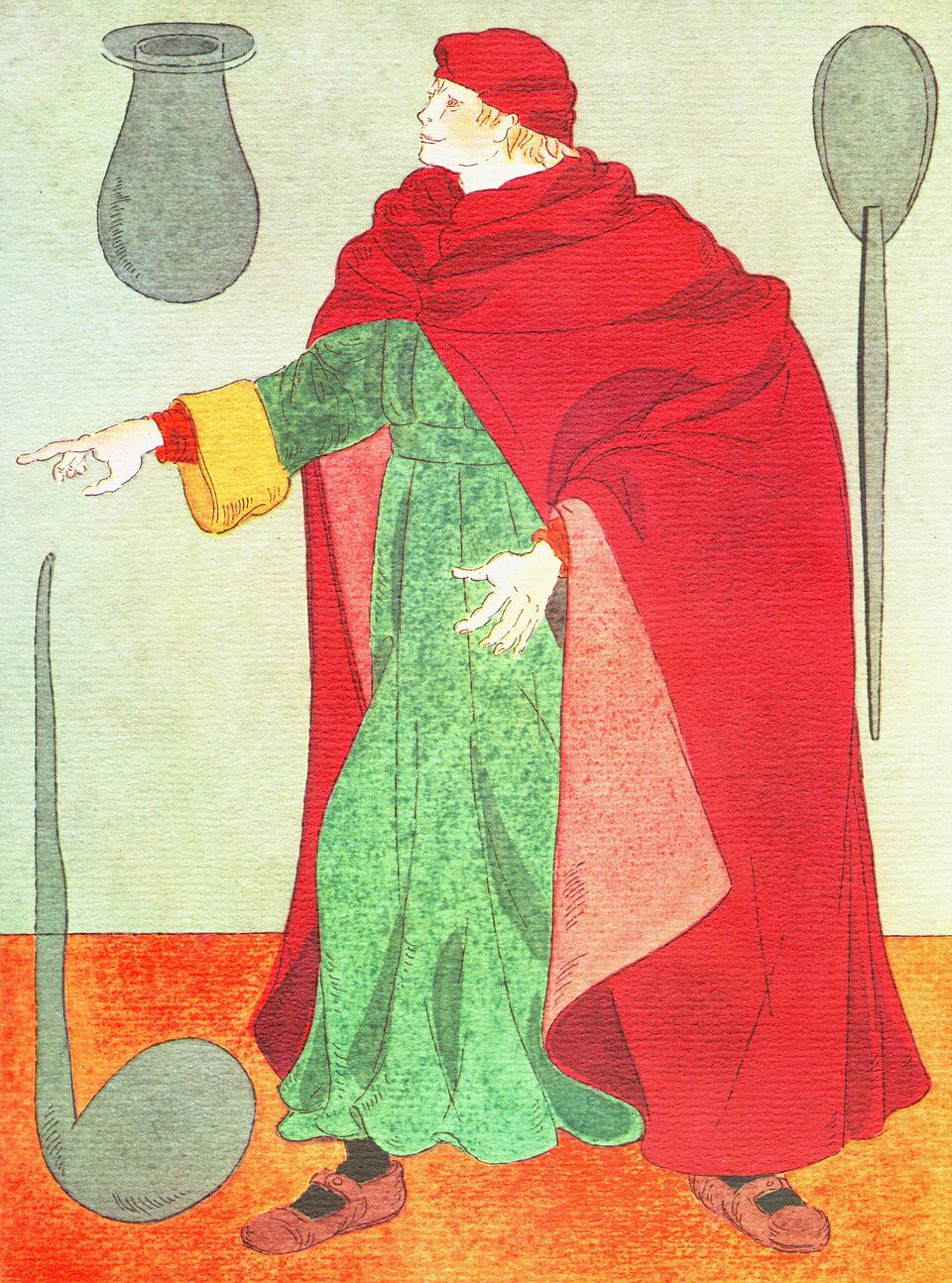
A preserved historical apothecary shop interior with rows of labeled drug jars.
Warja Lavater · Public domain · Wikimedia Commons
1240 – 1800

The apothecary's Europe

Frederick II's decree of about 1240 made the European apothecary a legally distinct, price-regulated, inspected tradesman, and the guild era built on it: apothecary guilds ran apprenticeships of seven or more years, city pharmacopoeias from Nuremberg's in 1546 standardized recipes, and shops with majolica drug jars and stuffed crocodiles became fixtures of every European town. London's apothecaries won their own livery company in 1617 and, after the Rose Case of 1704, the right to counsel patients — splitting off toward general practice and leaving dispensing to the emerging chemists and druggists.

Portrait of Friedrich Sertürner, the pharmacist's assistant who first isolated morphine.
Julius Giere · Public domain · Wikimedia Commons
1800 – 1950

The alkaloid century and the rise of industry

Pharmacists turned their back rooms into laboratories and founded drug chemistry: Sertürner's morphine in 1804, Pelletier and Caventou's quinine in 1820, caffeine soon after. The same century industrialized their craft — Merck of Darmstadt, an apothecary shop since 1668, began factory-scale morphine production in 1827, and by 1900 factories, not pharmacies, made most medicines. Professional societies (London 1841, Philadelphia's college 1821, APhA 1852) and disasters like 1937's Elixir Sulfanilamide built the licensing and regulatory world pharmacists now inhabit; American druggists, meanwhile, invented Coca-Cola, Pepsi and Dr Pepper at their soda fountains.

A modern pharmacist counseling a patient across the dispensary counter.
Rhoda Baer (Photographer) · Public domain · Wikimedia Commons
1950 – present

From compounder to clinician

With industry making the products, the profession faced an existential question: what is a pharmacist for, if not compounding? The answer came from American university hospitals in the 1960s — the clinical pharmacy movement, launched by experiments like UCSF's Ninth Floor Project of 1966, put pharmacists on the ward advising on doses and interactions. Hepler and Strand's 1990 manifesto named the philosophy 'pharmaceutical care': responsibility for outcomes, not products. Robots and central-fill warehouses now do much of the counting, while pharmacists vaccinate, prescribe in a growing list of jurisdictions, and manage medication therapy.

What this job replaced

Neighbouring trades that no longer exist — absorbed, automated or regulated away.

Apothecary

c. 1240–1900

Europe's original medicines tradesman — guild-trained, legally separated from physicians since Frederick II — was pulled apart by his own descendants. In England, apothecaries won the right to advise patients in the Rose Case of 1704 and drifted into general medical practice, becoming the ancestors of today's GPs, while chemists and druggists took the dispensing trade. Industrial drug manufacture finished the job: by around 1900 the compounding shopkeeper had become either a physician, a pharmacist or a factory.

Patent-medicine showman

c. 1850–1915

Traveling medicine shows toured America and Europe selling secret-formula cure-alls — Kickapoo Indian Sagwa, Hamlin's Wizard Oil — with music, comedy and planted testimonials. Many tonics were mostly alcohol; some, like Mrs. Winslow's Soothing Syrup for teething infants, contained morphine. Muckraking journalism (Samuel Hopkins Adams's 1905 series The Great American Fraud) and the 1906 Pure Food and Drug Act's labeling rules killed the trade, and pharmacy's claim to scientific legitimacy was built partly on its corpse.

Drugstore soda jerk

c. 1860–1970

Because pharmacists had carbonation equipment and flavor syrups, the American drugstore became the home of the soda fountain, staffed by the soda jerk — named for the jerking motion of the tap handles. Pharmacists invented the drinks themselves: Charles Alderton created Dr Pepper in a Waco, Texas drugstore in 1885, John Pemberton launched Coca-Cola at Jacobs' Pharmacy in Atlanta in 1886, and Caleb Bradham mixed the first Pepsi in his New Bern pharmacy in 1893. Bottling, drive-ins and self-service retail ended the fountain era by the 1970s.

Trades that vanished →

The profession has already survived losing its defining task once. When factories took over drug-making in the late nineteenth century, pharmacists spent two generations arguing about what they were for — and answered by moving up the value chain, from making the product to managing its safe use.

That is worth remembering when robots count the pills. The constant across four thousand years is not the mortar and pestle; it is the independent expert who stands between the prescriber, the manufacturer and the patient, and is personally accountable that the medicine is the right one. Every era has re-tooled that role. None has abolished it.

Keep exploring

More in Medicine & Life