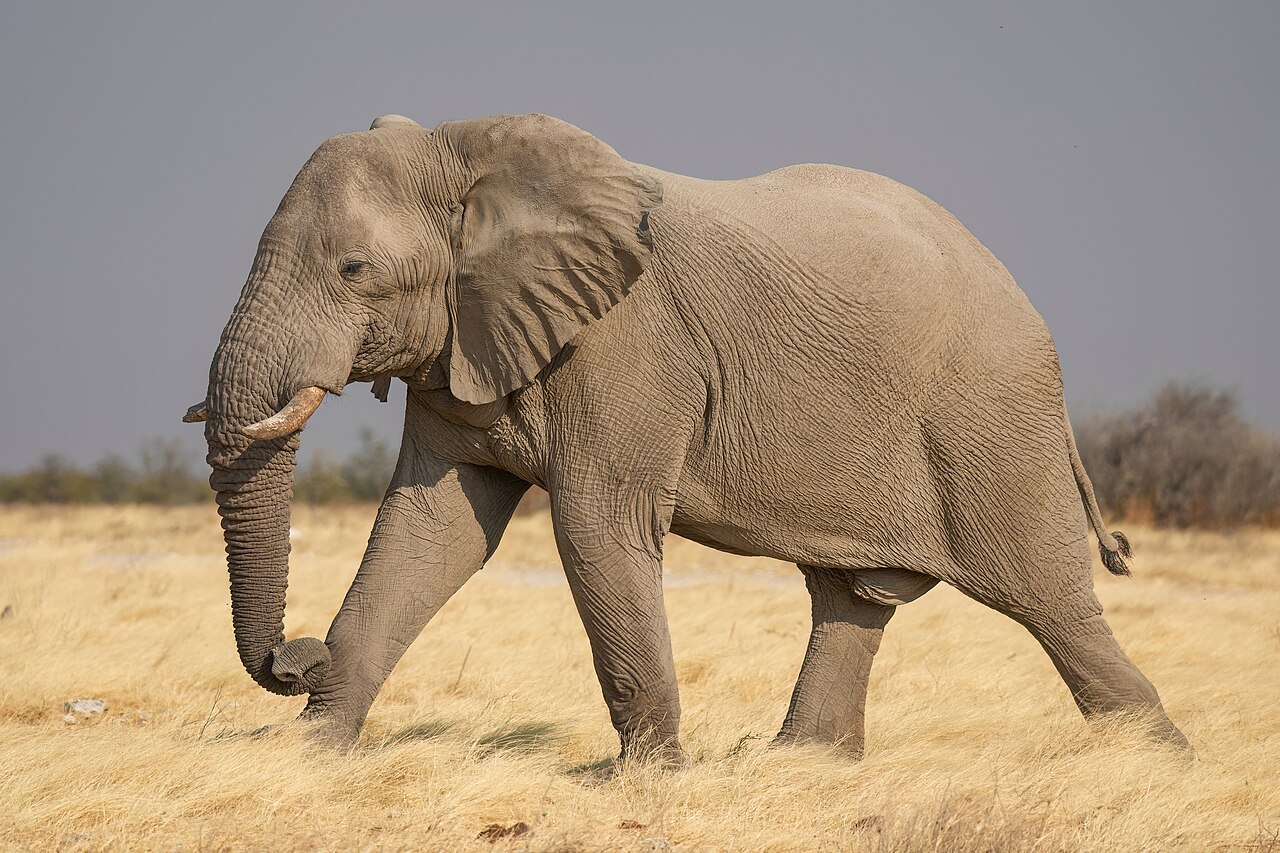
The atlas type is the bush elephant -- an ecosystem engineer whose ivory ban (1989) and split from forest elephants still structure African conservation.
Also called: savanna elephant · Loxodonta africana · tembo
African bush elephant is one of 24 types in this animals atlas. The pages treat it as a full system -- history, anatomy, operating principles, culture, icons, future pressure and market shape -- not a ranking of a best species.
Scores compare the african bush elephant with the other 23 types on speed, intelligence, range, resilience, cultural impact and ecological role. They are relative editorial marks. Resilience high means more secure; low means threatened. Savanna elephant Endangered (2021 assessment); forest elephant separately Critically Endangered. Ivory and habitat loss are the twin ledgers.
Seven chapters follow: origins, systems, how the animal works, cultural life, named icons, what conservation can still change, and how tourism, conflict, fisheries and parks move money.
Deep introduction
Deep dive: African bush elephant
African bush elephant is not a single postcard animal. It is a set of populations, subspecies and human rules inside the wildlife family of this atlas.
Diversity, bodies, culture and ranges — plus a lens tuned to this language region.
Diversity inside the type
Field guides collapse many lineages into the word african bush elephant. Subspecies, flyways and captive lines do not share one fate.
This atlas picks a Wikipedia title as the hero image and then keeps the rest of the grade in view so a recovered stock cannot launder a Critically Endangered cousin.
Life in the landscape
Pillar legs, a trunk of tens of thousands of muscle units, and tusks that are incisors. Heat dumps through ears; the brain is large and long-memoried.
A daily mass of grass, browse and bark. Engineers open woodland and dig wells that other species drink -- the ecological-role reason.
Culture and meaning
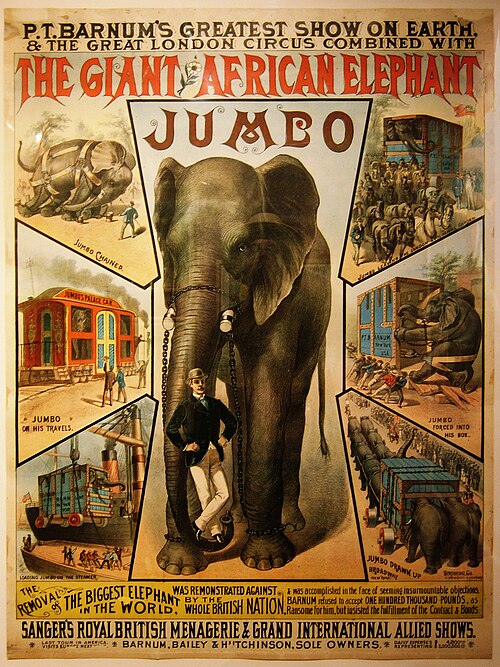
Culture met the african bush elephant through film, law, heraldry, zoos and local story. Those portrayals move money and sometimes take; they are not a field census.
The culture chapter dates posters and statutes so a 1975 film or a 1961 logo cannot pretend to be a 2020s Red List.
Conservation and money
Savanna elephant Endangered (2021 assessment); forest elephant separately Critically Endangered. Ivory and habitat loss are the twin ledgers.
Tourism, conflict payments, quotas and captive loans are dated economic bands in the market chapter -- not live prices and not a best-species prize.
Life-science deep dive
Biology deep dive: African bush elephant
African bush elephant biology is a stack of structure, energy, sensing and hard limits. The four sections below are the same headings used across the atlas so types can be compared without a best-species frame.
Anatomy, senses, behaviour and limits — plus field language for this region.
Structure
Pillar legs, a trunk of tens of thousands of muscle units, and tusks that are incisors. Heat dumps through ears; the brain is large and long-memoried.
Load paths and tissues (not metals) are expanded in the anatomy chapter.
Energy and foraging
A daily mass of grass, browse and bark. Engineers open woodland and dig wells that other species drink -- the ecological-role reason.
The how-it-works diagrams reduce that budget to a six-node loop.
Senses and control
Infrasound rumbles, smell, and a trunk that is a hand. Musth rewrites male social smell.
Control here means the animal steering itself -- not a machine dashboard.
Limits
Ivory price, fences, and maize. A full park does not cancel an EN assessment.
Resilience scores encode those limits relative to the other 23 types.
Four other atlas types, six terms, three threads and three local notes -- a map out of the african bush elephant page without leaving the 24-id taxonomy.
See-also species, key terms, adjacent threads and regional notes for this language.
See also
🦁LionSavanna neighbour in the same tourist and conflict economy.
🐋Blue whaleAnother giant managed by a 20th-century international kill-then-ban arc.
🦍GorillaAfrican forest megafauna with a different social science (Fossey vs Moss).
🐅TigerAnother EN flagship whose national projects (India vs several African states) diverge.
Key terms
CITES 1989 ban
International commercial ivory trade ban -- the year the maps changed, not the poaching.
Amboseli
Cynthia Moss long-term study -- named matriarchs as data, not only stories.
Musth
Male testosterone and temporal-gland state that rewrites who may approach a female.
Tusker
Large-tusked bull; poaching selects against the trait.
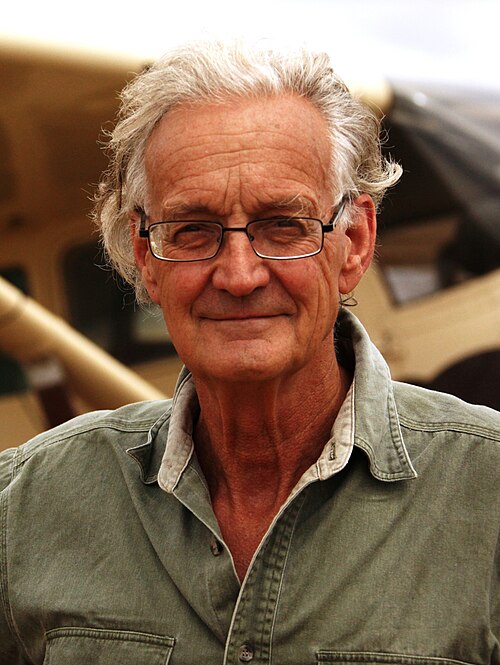
Iain Douglas-Hamilton
Save the Elephants; aerial counts and later collar work.
Culling debate
Kruger and others -- density versus ethics, still unfinished.
Habitat and movement
Where the african bush elephant breeds and feeds is the first constraint. Single lakes, islands and forests appear again in the history timeline.
Range scores in this atlas mark how widely that movement runs -- albatross and blue whale high, koi and panda low -- not a quality ranking.
Research and law
Named projects (Project Tiger, ACAP, ICCAT, Amboseli) are the conservation bureaucracy of the type.
Listings and downlists are dated events in the timeline, not eternal essences.
Culture and price
Film, auction and logo years are filed under culture and market so they cannot masquerade as demography.
The icons chapter keeps eight real Wikipedia titles so a later language pack can attach the same faces.
Visual field notes
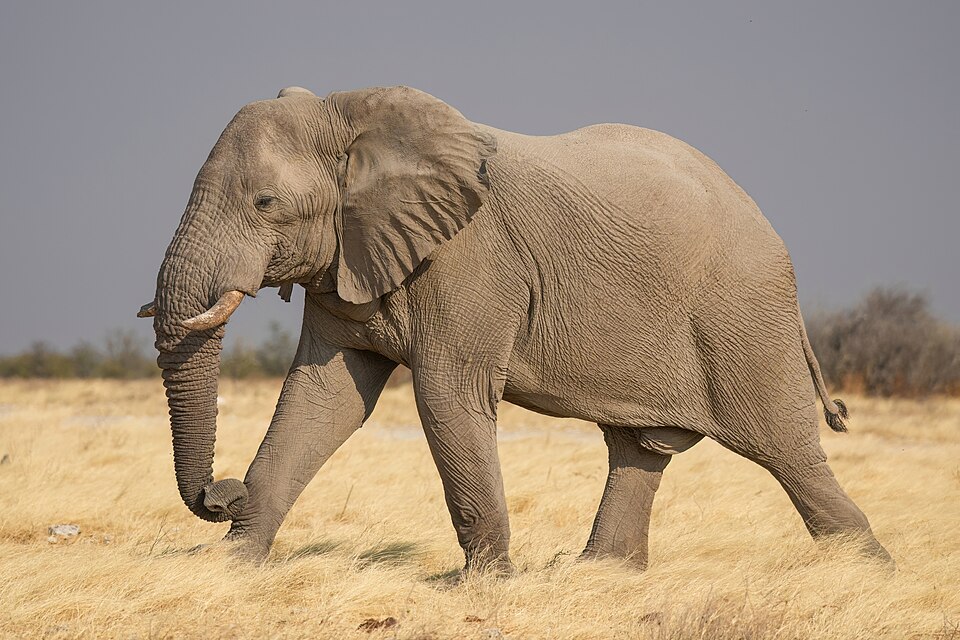
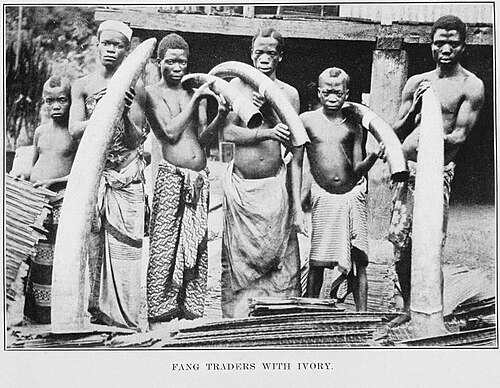
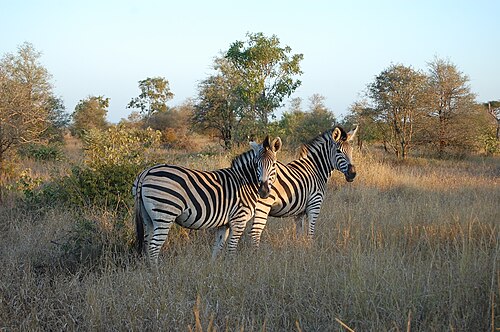
Licensed photographs of this species — heroes, eras and icons on one wall.
Giles LaurentGiles LaurentGiles LaurentOriginal: Ndovultome ; Derivative work: Nagae IkuUnknown via Fleming H. Revell CompanyUnknown author Unknown authorNithin bolar k
The profile
Speed36
Intelligence91
Range43
Resilience17
Cultural impact79
Ecological role97
Pin anatomy against behaviour
Pick one anatomy system and one operating fact already on this species page. A reading pair — not a winner board.
Browsing aid inside this atlas. Field biology and local law decide any real encounter. No live feed.
Why bush elephant, not African elephant in general?
The taxonomy wiki is African bush elephant. Forest elephants (L. cyclotis) were widely recognised as a separate EN/CR story in the 2021 IUCN assessments.
What did the 1989 ivory ban do?
It collapsed legal international commercial trade. Domestic markets, stockpiles and later one-off sales (2008) kept the argument alive. Poaching did not end in 1989.
Who is Cynthia Moss in this file?
Amboseli Elephant Research Project since 1972 -- matrilines with names and decades of calves, the opposite of an anonymous ivory graph.
Are elephants the highest ecological-role score for a reason?
They open woodland, dig water, disperse seeds and rewrite fire. In this 24-type atlas that engineer role outranks even wolves and whales.
What is musth?
A periodic male state with urine dribble, temporal secretion and aggression. It is physiology, not a mood.
Did Kruger culling end?
Large-scale culling paused in the 1990s. Contraception, range expansion and later density debates replaced it without a final peace.
Why is resilience low if some parks are full?
Local highs (Chobe, parts of Kruger) sit beside collapsed miombo and Sahel populations. EN is a continental mean, not a waterhole photo.
What did Joyce Poole add?
Elephant Voices work on rumble communication and later musth and de-tusking ethics -- a second Amboseli-adjacent science.
Role, not a winner
Conservation literacy. Not a live IUCN fetch.
Embed this ranking
Paste this code into your blog or site — the ranking stays up to date.
Copied!
Similar species
Closest neighbours on the six atlas axes — speed, intelligence, range, resilience, culture and ecological role.