Great white shark is one of 24 types in this animals atlas. The pages treat it as a full system -- history, anatomy, operating principles, culture, icons, future pressure and market shape -- not a ranking of a best species.
Scores compare the great white shark with the other 23 types on speed, intelligence, range, resilience, cultural impact and ecological role. They are relative editorial marks. Resilience high means more secure; low means threatened. Vulnerable globally; Farallones, Gansbaai and Neptune Islands aggregations are better counted than oceanic juveniles.
Seven chapters follow: origins, systems, how the animal works, cultural life, named icons, what conservation can still change, and how tourism, conflict, fisheries and parks move money.
Deep introduction
Deep dive: Great white shark
Great white shark is not a single postcard animal. It is a set of populations, subspecies and human rules inside the fish family of this atlas.
Diversity, bodies, culture and ranges — plus a lens tuned to this language region.
Diversity inside the type
Field guides collapse many lineages into the word great white shark. Subspecies, flyways and captive lines do not share one fate.
This atlas picks a Wikipedia title as the hero image and then keeps the rest of the grade in view so a recovered stock cannot launder a Critically Endangered cousin.
Life in the landscape
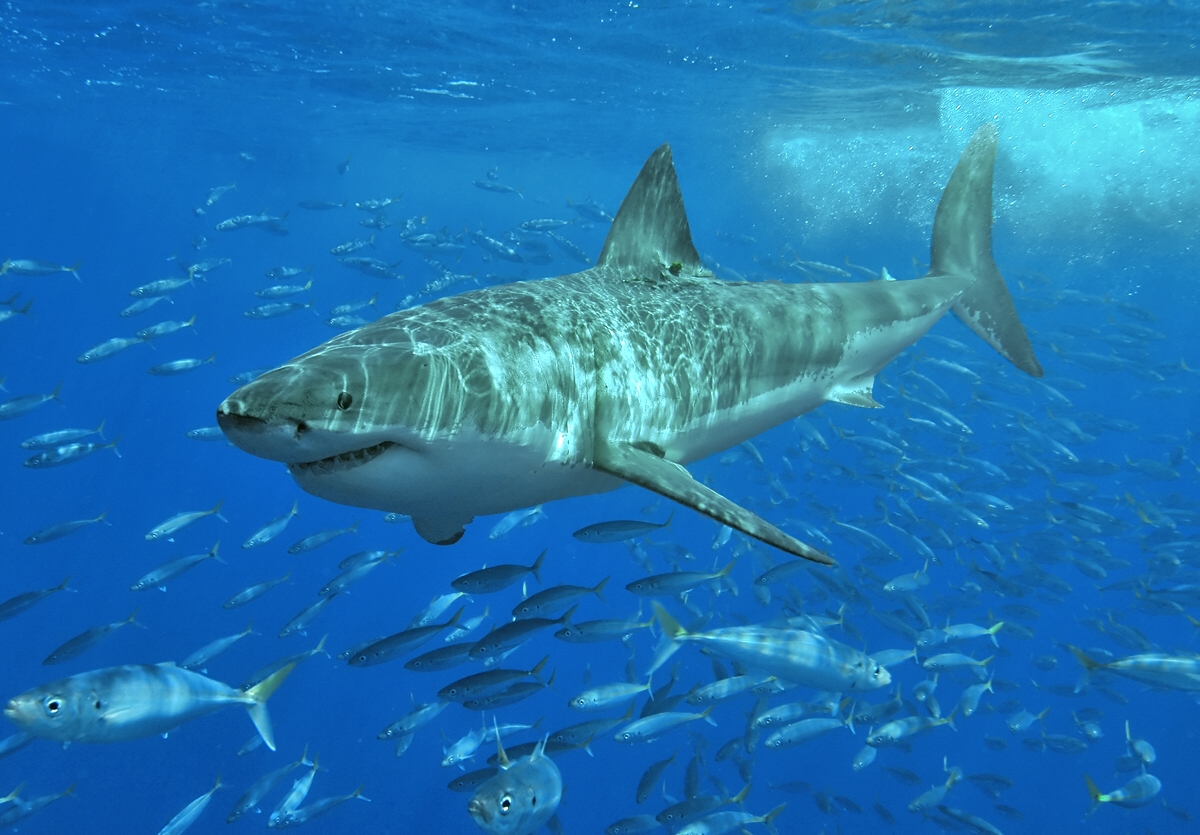
A conical snout, serrated triangular teeth and a homocercal tail. Vascular rete keep core muscle warm; the liver is a vast oil store for buoyancy.
Ontogenetic shift from fish to pinnipeds where seals are dense. A single seal can fund days; scavenging whales is documented opportunistic income.
Culture and meaning
Culture met the great white shark through film, law, heraldry, zoos and local story. Those portrayals move money and sometimes take; they are not a field census.
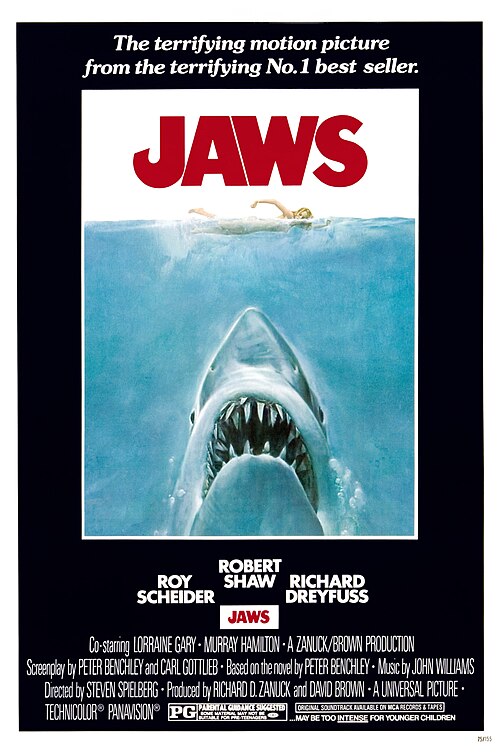
The culture chapter dates posters and statutes so a 1975 film or a 1961 logo cannot pretend to be a 2020s Red List.
Conservation and money
Vulnerable globally; Farallones, Gansbaai and Neptune Islands aggregations are better counted than oceanic juveniles.
Tourism, conflict payments, quotas and captive loans are dated economic bands in the market chapter -- not live prices and not a best-species prize.
Life-science deep dive
Biology deep dive: Great white shark
Great white shark biology is a stack of structure, energy, sensing and hard limits. The four sections below are the same headings used across the atlas so types can be compared without a best-species frame.
Anatomy, senses, behaviour and limits — plus field language for this region.
Structure
A conical snout, serrated triangular teeth and a homocercal tail. Vascular rete keep core muscle warm; the liver is a vast oil store for buoyancy.
Load paths and tissues (not metals) are expanded in the anatomy chapter.
Energy and foraging
Ontogenetic shift from fish to pinnipeds where seals are dense. A single seal can fund days; scavenging whales is documented opportunistic income.
The how-it-works diagrams reduce that budget to a six-node loop.
Senses and control
Ampullae of Lorenzini, a keen nose and rod-rich vision for a silhouette against the surface -- the classic seal-shaped cue.
Control here means the animal steering itself -- not a machine dashboard.
Limits
Late maturity and few pups. Hooks, nets and a 1975 story are ceilings teeth cannot cut.
Resilience scores encode those limits relative to the other 23 types.
Warm swimming muscle -- a lamnid trick shared with makos and some tunas.
White Shark Cafe
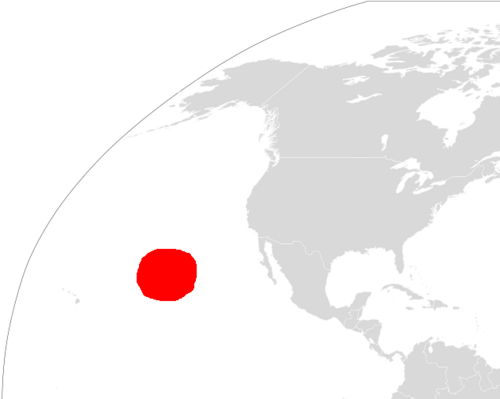
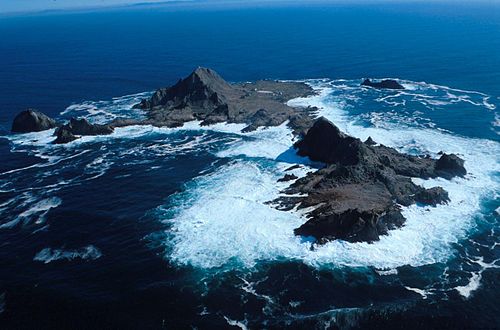
Offshore Pacific aggregation between Hawaii and Baja where tagged whites linger.
Breach hunt
False Bay / Seal Island launches that made 2000s magazine stills.
OCEARCH
Public satellite-tag platform that turned individual whites into named tracks.
Jaws effect
Post-1975 spike in fear and some trophy killing -- later regretted by Peter Benchley.
CITES App. II
2004 listing for Carcharodon -- trade documentation, not a harvest ban.
Habitat and movement
Where the great white shark breeds and feeds is the first constraint. Single lakes, islands and forests appear again in the history timeline.
Range scores in this atlas mark how widely that movement runs -- albatross and blue whale high, koi and panda low -- not a quality ranking.
Research and law
Named projects (Project Tiger, ACAP, ICCAT, Amboseli) are the conservation bureaucracy of the type.
Listings and downlists are dated events in the timeline, not eternal essences.
Culture and price
Film, auction and logo years are filed under culture and market so they cannot masquerade as demography.
The icons chapter keeps eight real Wikipedia titles so a later language pack can attach the same faces.
Visual field notes
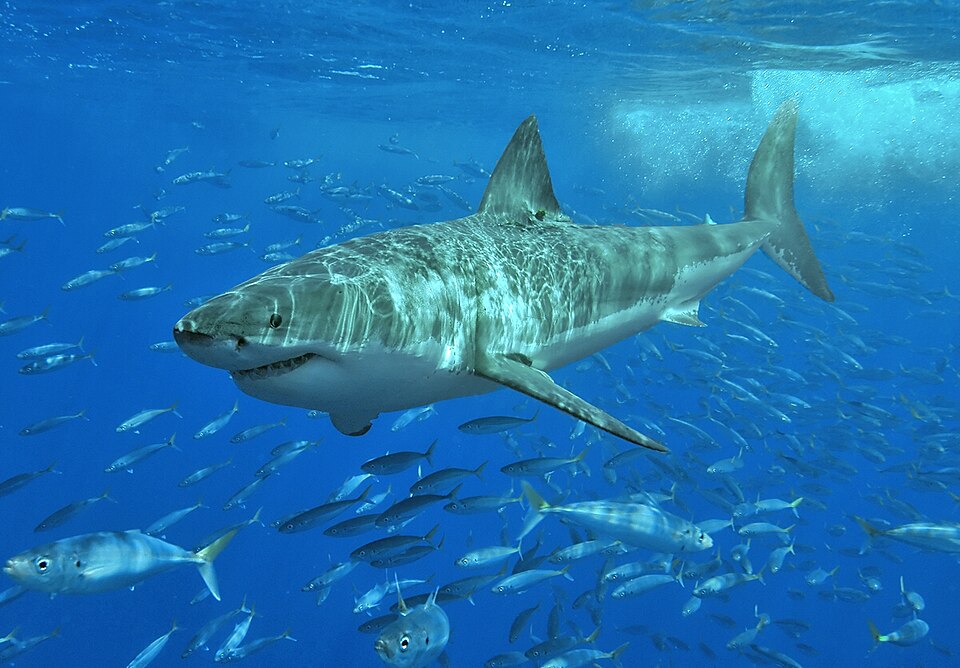
Licensed photographs of this species — heroes, eras and icons on one wall.
Pterantula (Terry Goss) at en.wikipediaPterantula (Terry Goss) at en.wikipediaRoger KastelBack jacket photo by Alex GotfrydObtundJan RolettoSelfOriginal: IUCN Vector: Mysid
The profile
Speed79
Intelligence42
Range82
Resilience33
Cultural impact73
Ecological role85
Pin anatomy against behaviour
Pick one anatomy system and one operating fact already on this species page. A reading pair — not a winner board.
Browsing aid inside this atlas. Field biology and local law decide any real encounter. No live feed.
Did Jaws change great-white numbers or only stories?
The 1975 film increased trophy interest and beach fear. Later decline drivers are fins, bycatch and slow life history. Benchley later argued the fiction had been taken as a brief.
What is the White Shark Cafe?
A mid-Pacific patch where California-tagged whites linger. Foraging on midwater squid and fish is the working hypothesis, not a seal colony.
Are great whites warm-blooded?
They are regional endotherms. Countercurrent heat exchangers keep muscle and stomach above ambient -- not mammalian homeothermy.
Why Gansbaai and the Farallones?
Cape fur seals and elephant seals create predictable prey. Cage tourism and research boats stacked on those same reefs.
Who is Deep Blue?
A very large female photographed at Guadalupe and later Hawaii -- a media name, not a stock assessment.
When did CITES list the species?
Appendix II in 2004. Papers still move; the listing forces permits and data, not a zero quota.
Do whites migrate like tuna?
Many coastal adults make basin-scale loops (California-Cafe-Hawaii). Site fidelity to seal colonies is seasonal.
Is the species recovering where seals recovered?
Cape Cod and parts of California show more sightings as grey seals rebounded. Sightings are not a global Vulnerable reversal.
Role, not a winner
Conservation literacy. Not a live IUCN fetch.
Embed this ranking
Paste this code into your blog or site — the ranking stays up to date.
Copied!
Similar species
Closest neighbours on the six atlas axes — speed, intelligence, range, resilience, culture and ecological role.