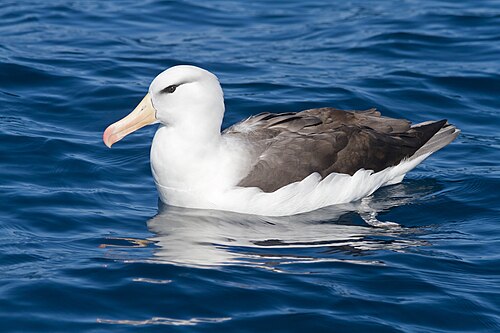
Albatross is one of 24 types in this animals atlas. The pages treat it as a full system -- history, anatomy, operating principles, culture, icons, future pressure and market shape -- not a ranking of a best species.
Scores compare the albatross with the other 23 types on speed, intelligence, range, resilience, cultural impact and ecological role. They are relative editorial marks. Resilience high means more secure; low means threatened. Most of the 22 species are threatened; longline bycatch and introduced mice dominate the Red List cards.
Seven chapters follow: origins, systems, how the animal works, cultural life, named icons, what conservation can still change, and how tourism, conflict, fisheries and parks move money.
Deep introduction
Deep dive: Albatross
Albatross is not a single postcard animal. It is a set of populations, subspecies and human rules inside the birds family of this atlas.
Diversity, bodies, culture and ranges — plus a lens tuned to this language region.
Diversity inside the type
Field guides collapse many lineages into the word albatross. Subspecies, flyways and captive lines do not share one fate.
This atlas picks a Wikipedia title as the hero image and then keeps the rest of the grade in view so a recovered stock cannot launder a Critically Endangered cousin.
Life in the landscape
The longest avian wings, a locked elbow in glide, and tube nostrils that dump salt. Dynamic soaring is a wing-and-wind machine more than a muscle one.
Squid, fish and fishery offal taken at the surface. Cheap travel, expensive landing — breeding islands are the rare pause.
Culture and meaning
Culture met the albatross through film, law, heraldry, zoos and local story. Those portrayals move money and sometimes take; they are not a field census.
The culture chapter dates posters and statutes so a 1975 film or a 1961 logo cannot pretend to be a 2020s Red List.
Conservation and money
Most of the 22 species are threatened; longline bycatch and introduced mice dominate the Red List cards.
Tourism, conflict payments, quotas and captive loans are dated economic bands in the market chapter -- not live prices and not a best-species prize.
Life-science deep dive
Biology deep dive: Albatross
Albatross biology is a stack of structure, energy, sensing and hard limits. The four sections below are the same headings used across the atlas so types can be compared without a best-species frame.
Anatomy, senses, behaviour and limits — plus field language for this region.
Structure
The longest avian wings, a locked elbow in glide, and tube nostrils that dump salt. Dynamic soaring is a wing-and-wind machine more than a muscle one.
Load paths and tissues (not metals) are expanded in the anatomy chapter.
Energy and foraging
Squid, fish and fishery offal taken at the surface. Cheap travel, expensive landing — breeding islands are the rare pause.
The how-it-works diagrams reduce that budget to a six-node loop.
Senses and control
Olfaction is stronger than in most birds; a surface slick can be smelled before it is seen. Magnetic and wind cues steer basin-scale loops.
Control here means the animal steering itself -- not a machine dashboard.
Limits
A hooked bait is an evolutionary mismatch. Mice on nursery islands and plastic in the gyre are the other two ceilings.
Resilience scores encode those limits relative to the other 23 types.
Four other atlas types, six terms, three threads and three local notes -- a map out of the albatross page without leaving the 24-id taxonomy.
See-also species, key terms, adjacent threads and regional notes for this language.
See also
🦅EagleSoaring apex on land versus ocean — both hit by lead or hooks they did not evolve with.
🐧PenguinSouthern Ocean pair: one flies the wind, one flies underwater.
🐋Blue whaleAnother wide-ranging consumer now managed by international agreements.
🦈Great white sharkPelagic hunter that shares hook-and-line mortality with albatrosses.
Key terms
Dynamic soaring
Energy extracted from wind shear over waves — the wanderer’s cheap kilometre.
Mollymawk
Sailor name for smaller Thalassarche albatrosses.
ACAP
Agreement on the Conservation of Albatrosses and Petrels (2001) — the dedicated treaty.
Wisdom (albatross)
Laysan female banded in 1956, still breeding at Midway into the 2020s.
Tori line
Bird-scaring streamer line that cuts longline attacks on baited hooks.
Plastic bolus
Midway chicks still disgorge lighter caps and bags — a stomach census of the gyre.
Habitat and movement
Where the albatross breeds and feeds is the first constraint. Single lakes, islands and forests appear again in the history timeline.
Range scores in this atlas mark how widely that movement runs -- albatross and blue whale high, koi and panda low -- not a quality ranking.
Research and law
Named projects (Project Tiger, ACAP, ICCAT, Amboseli) are the conservation bureaucracy of the type.
Listings and downlists are dated events in the timeline, not eternal essences.
Culture and price
Film, auction and logo years are filed under culture and market so they cannot masquerade as demography.
The icons chapter keeps eight real Wikipedia titles so a later language pack can attach the same faces.
Visual field notes
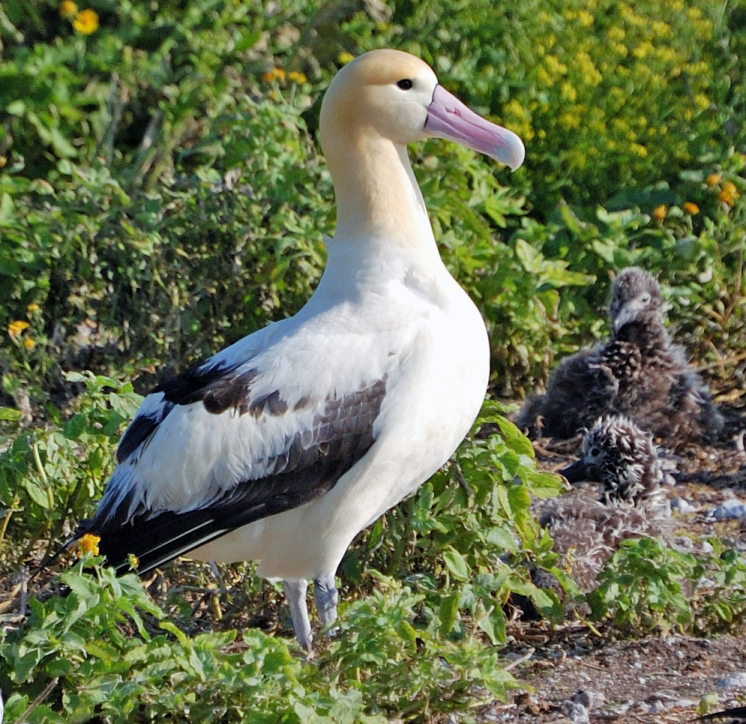
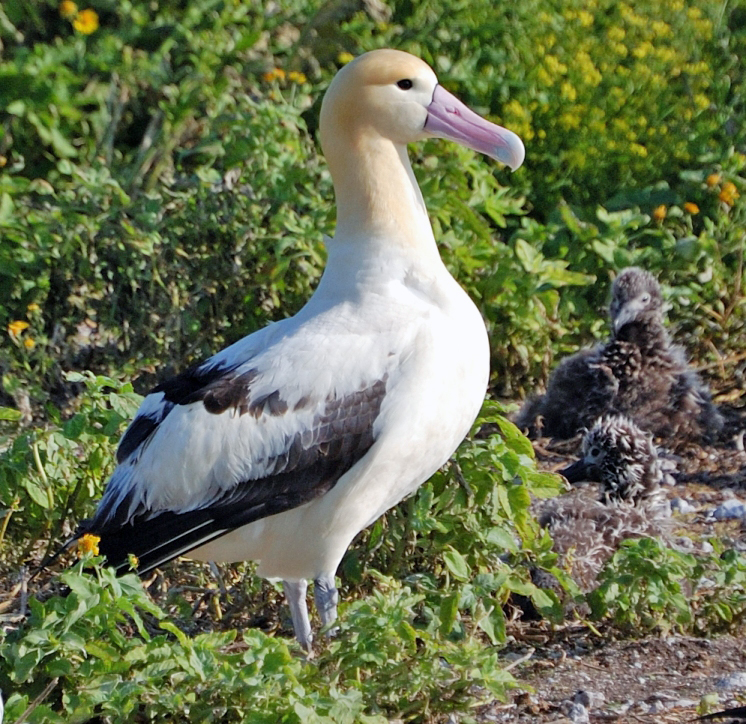
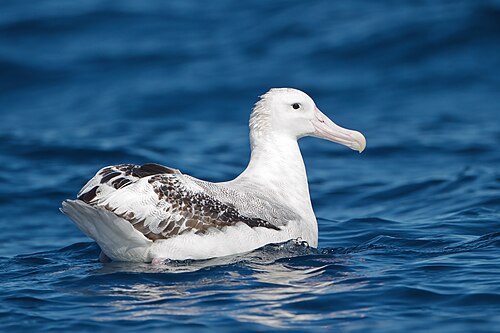
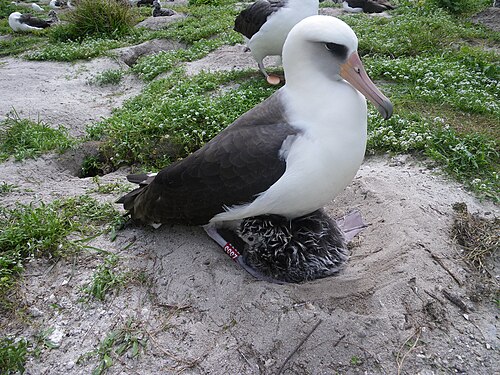
Licensed photographs of this species — heroes, eras and icons on one wall.
Jlfutari at English WikipediaJlfutari at English WikipediaJJ Harrison ( https://www.jjharrison.com.au/ )John Klavitter/U. S. Fish and Wildlife ServiceSamuel Cousins / After Washington AllstonBarbara DowellFabio Olmos/BirdLife. This is a low res version supplied with permission. Fabio Olmos retains copyright to hi-res version.JJ Harrison ( https://www.jjharrison.com.au/ )JJ Harrison ( https://www.jjharrison.com.au/ )BirdLife International
The profile
Speed76
Intelligence54
Range97
Resilience23
Cultural impact40
Ecological role55
Pin anatomy against behaviour
Pick one anatomy system and one operating fact already on this species page. A reading pair — not a winner board.
Browsing aid inside this atlas. Field biology and local law decide any real encounter. No live feed.
How does dynamic soaring let an albatross fly cheaply?
The bird climbs and dives through wind-speed gradients above waves, converting shear into airspeed. Heart-rate loggers show travel costs closer to rest than to flapping flight.
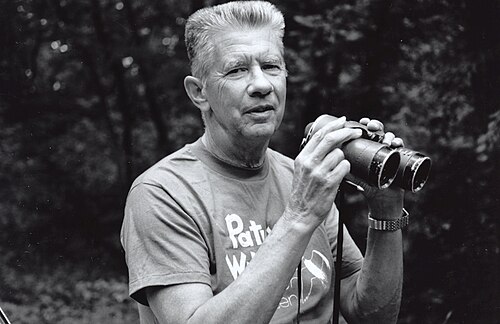
Who is Wisdom the Laysan albatross?
A female banded in 1956 by Chandler Robbins at Midway. She has fledged chicks into her seventh decade — a longevity record that made a single band number famous.
Why are longlines the central threat?
Baited hooks look like squid. One set can kill dozens of birds. Night setting, weighted lines and tori lines cut the kill when fleets actually use them.
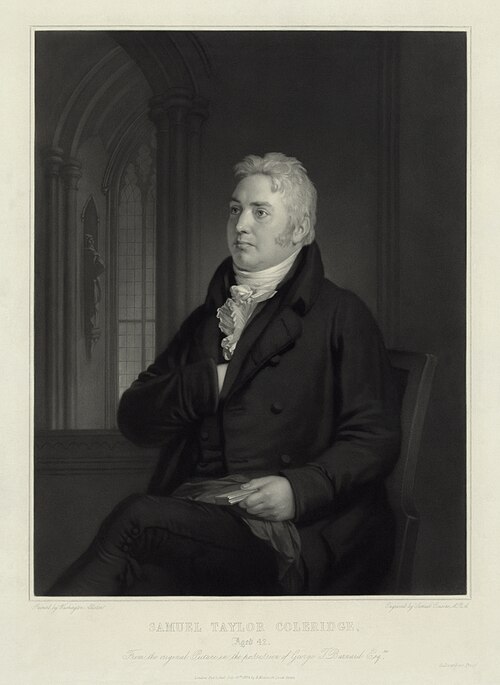
What did Coleridge actually do to the bird?
The 1798 Rime made killing an albatross a moral crime. The poem outran the biology and still titles newspaper bycatch stories.
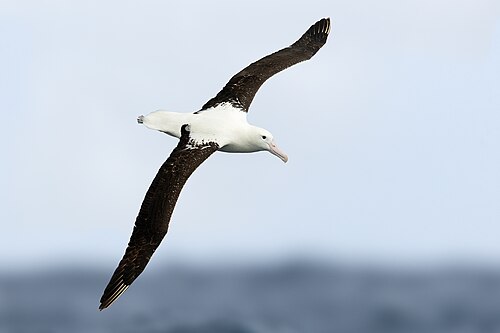
Why is Taiaroa Head important?
The northern royal albatross colony near Dunedin is a mainland breeding site with public hides — rare for a family that usually needs remote islands.
Do mice really eat albatross chicks?
On Gough and some other islands, introduced house mice attack chicks of albatrosses and petrels. Eradication attempts are now as central as hook rules.
Is Midway only a battle history?
The atoll is also the world’s largest Laysan albatross colony. Plastic and lead paint joined the WWII ruins as management files.
How many albatross species are threatened?
BirdLife assessments have long placed a majority of Diomedeidae in threatened categories — an unusual concentration for a small family.
Role, not a winner
Conservation literacy. Not a live IUCN fetch.
Embed this ranking
Paste this code into your blog or site — the ranking stays up to date.
Copied!
Similar species
Closest neighbours on the six atlas axes — speed, intelligence, range, resilience, culture and ecological role.