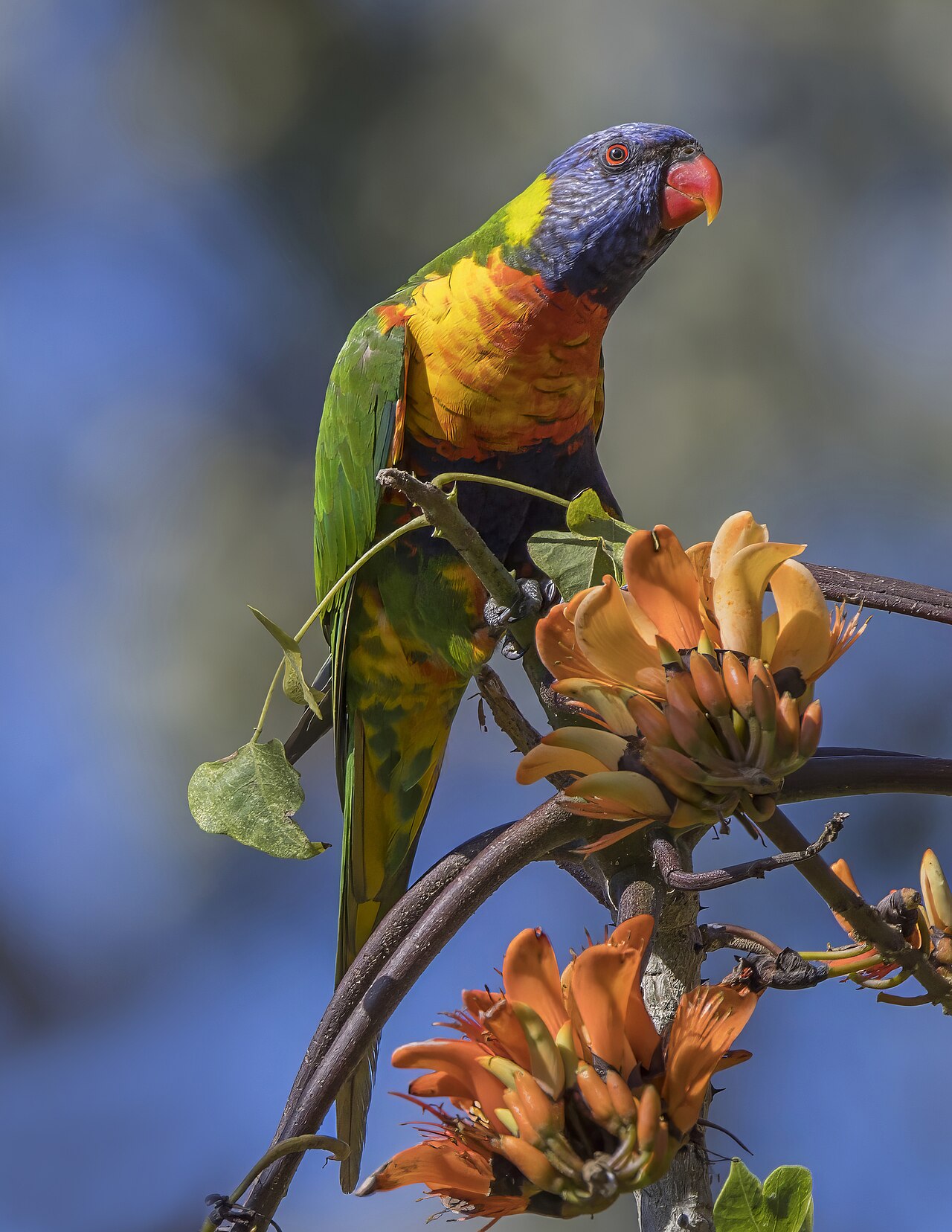
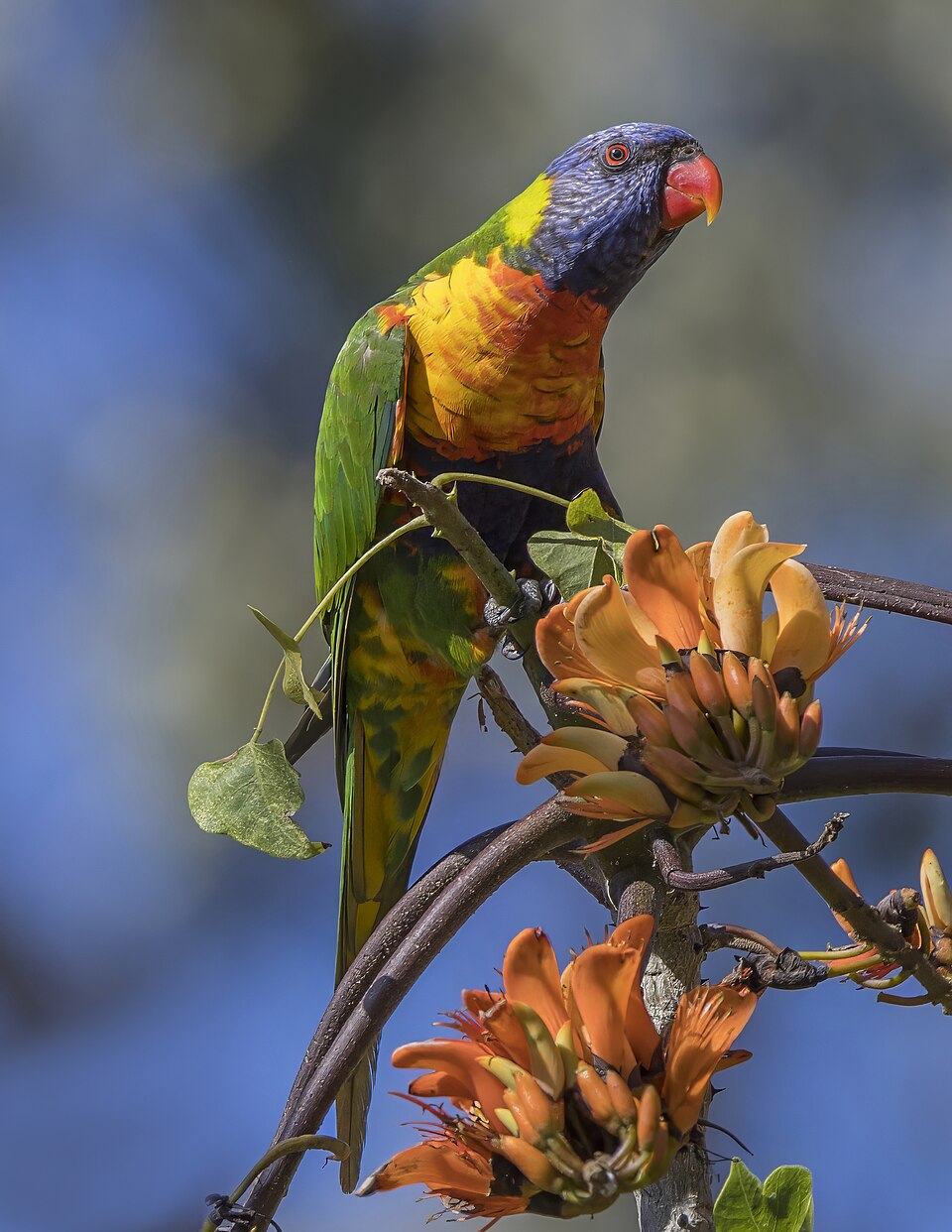
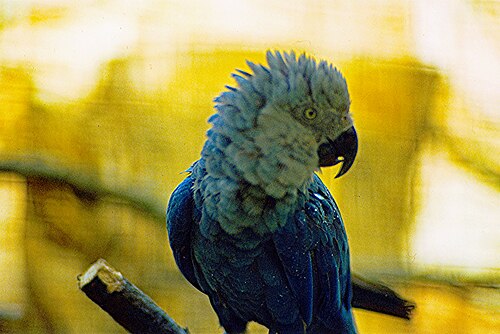
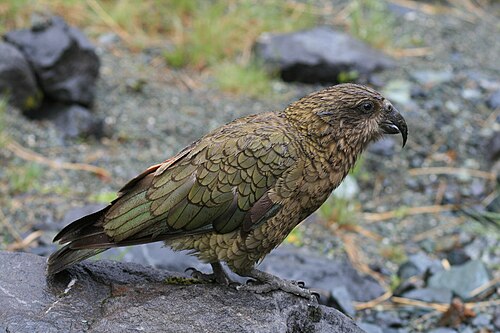
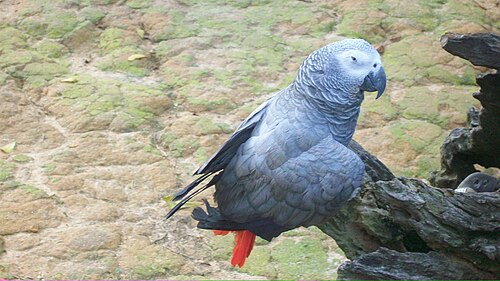
Parrot is one of 24 types in this animals atlas. The pages treat it as a full system -- history, anatomy, operating principles, culture, icons, future pressure and market shape -- not a ranking of a best species.
Scores compare the parrot with the other 23 types on speed, intelligence, range, resilience, cultural impact and ecological role. They are relative editorial marks. Resilience high means more secure; low means threatened. African greys, macaws and kakapo sit on the threatened side; some urban parakeets are booming.
Seven chapters follow: origins, systems, how the animal works, cultural life, named icons, what conservation can still change, and how tourism, conflict, fisheries and parks move money.
Deep introduction
Deep dive: Parrot
Parrot is not a single postcard animal. It is a set of populations, subspecies and human rules inside the birds family of this atlas.
Diversity, bodies, culture and ranges — plus a lens tuned to this language region.
Diversity inside the type
Field guides collapse many lineages into the word parrot. Subspecies, flyways and captive lines do not share one fate.
This atlas picks a Wikipedia title as the hero image and then keeps the rest of the grade in view so a recovered stock cannot launder a Critically Endangered cousin.
Life in the landscape
A kinetic upper mandible, zygodactyl feet and a muscular tongue. The skull is built to crack and to climb; the syrinx is built to learn.
Fruits, seeds, nectar and clay licks. Large macaws commute to palm stands; kakapo browse night vegetation on a low metabolic budget.
Culture and meaning
Culture met the parrot through film, law, heraldry, zoos and local story. Those portrayals move money and sometimes take; they are not a field census.
The culture chapter dates posters and statutes so a 1975 film or a 1961 logo cannot pretend to be a 2020s Red List.
Conservation and money
African greys, macaws and kakapo sit on the threatened side; some urban parakeets are booming.
Tourism, conflict payments, quotas and captive loans are dated economic bands in the market chapter -- not live prices and not a best-species prize.
Life-science deep dive
Biology deep dive: Parrot
Parrot biology is a stack of structure, energy, sensing and hard limits. The four sections below are the same headings used across the atlas so types can be compared without a best-species frame.
Anatomy, senses, behaviour and limits — plus field language for this region.
Structure
A kinetic upper mandible, zygodactyl feet and a muscular tongue. The skull is built to crack and to climb; the syrinx is built to learn.
Load paths and tissues (not metals) are expanded in the anatomy chapter.
Energy and foraging
Fruits, seeds, nectar and clay licks. Large macaws commute to palm stands; kakapo browse night vegetation on a low metabolic budget.
The how-it-works diagrams reduce that budget to a six-node loop.
Senses and control
High visual acuity and UV plumage signals. Vocal learning is the social sense that made the cage trade inevitable.
Control here means the animal steering itself -- not a machine dashboard.
Limits
Cavity trees and legal trade loopholes. Long lives in cages do not replace wild recruitment.
Resilience scores encode those limits relative to the other 23 types.
Irene Pepperberg’s papers treated English tokens as categories, not circus tricks. Alex (1976–2007) identified colours, shapes and same/different above chance. The debate is about the ceiling, not whether the tasks happened.
Why did African greys move to CITES Appendix I in 2017?
Wild capture for pets plus forest loss cut Psittacus erithacus. Appendix I ended most commercial international trade in wild greys.
What is the kakapo recovery model?
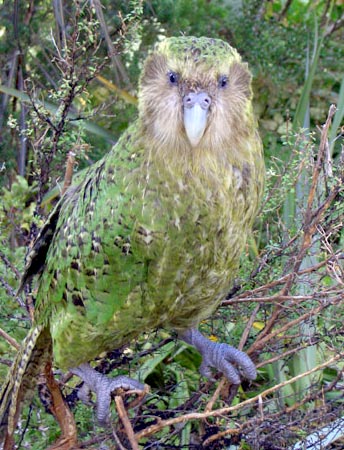
Every Strigops is named and managed on predator-free New Zealand islands. Supplementary feeding and nest cameras make it closer to intensive care than to a hands-off reserve.
Are London’s ring-necked parakeets a conservation win?
They are an introduced boom, not a restored native. Cavity competition with starlings and bats is the local argument.
Why do so many macaws remain threatened?
Cavity trees come down with forest. The pet trade added a second cut. Spix’s macaw went extinct in the wild before a 2019–20s reintroduction attempt in Bahia.
Do parrots “talk” in the wild?
They learn contact calls in flocks. Human-word mimicry is the lab and living-room version of a general vocal-learning kit shared with songbirds and hummingbirds.
What did the World Parrot Trust change?
Since 1989 it funded trade research, in-situ projects and the journal PsittaScene — a counterweight to avicultural magazines.
Is a hooked bill only for cracking?
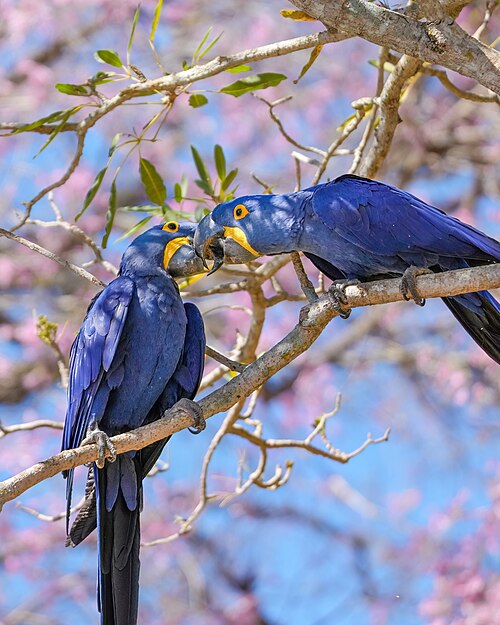
Kea pry, lories brush nectar, and hyacinth macaws crack palm nuts. The bill is a Swiss-army kinetic tool, not a single nutcracker.
Role, not a winner
Conservation literacy. Not a live IUCN fetch.
Embed this ranking
Paste this code into your blog or site — the ranking stays up to date.
Copied!
Similar species
Closest neighbours on the six atlas axes — speed, intelligence, range, resilience, culture and ecological role.