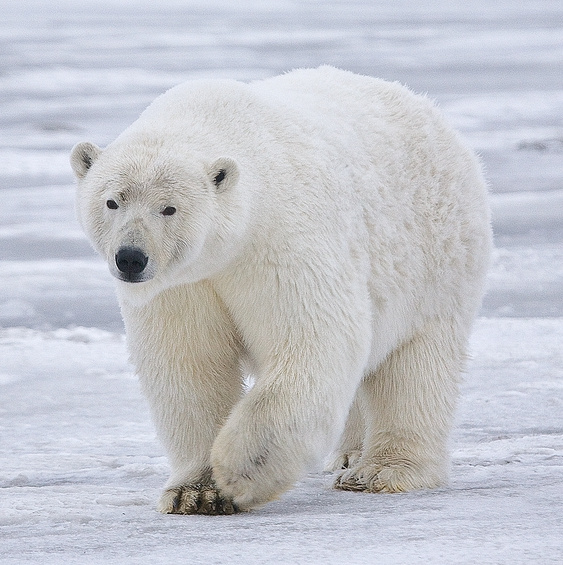
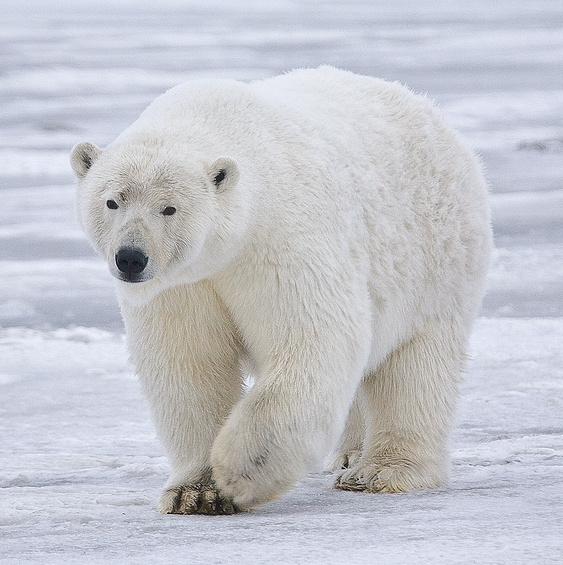
Polar bear is one of 24 types in this animals atlas. The pages treat it as a full system -- history, anatomy, operating principles, culture, icons, future pressure and market shape -- not a ranking of a best species.
Scores compare the polar bear with the other 23 types on speed, intelligence, range, resilience, cultural impact and ecological role. They are relative editorial marks. Resilience high means more secure; low means threatened. Vulnerable. The 2008 US ESA listing treated sea-ice loss as the primary threat -- a climate instrument more than a hunt story.
Seven chapters follow: origins, systems, how the animal works, cultural life, named icons, what conservation can still change, and how tourism, conflict, fisheries and parks move money.
Deep introduction
Deep dive: Polar bear
Polar bear is not a single postcard animal. It is a set of populations, subspecies and human rules inside the wildlife family of this atlas.
Diversity, bodies, culture and ranges — plus a lens tuned to this language region.
Diversity inside the type
Field guides collapse many lineages into the word polar bear. Subspecies, flyways and captive lines do not share one fate.
This atlas picks a Wikipedia title as the hero image and then keeps the rest of the grade in view so a recovered stock cannot launder a Critically Endangered cousin.
Life in the landscape
A long-skulled ursid with huge forepaws, black skin under hollow guard hairs, and a gut built for seal fat. It is a marine mammal in habit, a bear in clade.
Still-hunt at seal holes and break-in on birth lairs. Fat, not lean meat, pays the ice year. Onshore summers are a deficit for many stocks.
Culture and meaning
Culture met the polar bear through film, law, heraldry, zoos and local story. Those portrayals move money and sometimes take; they are not a field census.
The culture chapter dates posters and statutes so a 1975 film or a 1961 logo cannot pretend to be a 2020s Red List.
Conservation and money
Vulnerable. The 2008 US ESA listing treated sea-ice loss as the primary threat -- a climate instrument more than a hunt story.
Tourism, conflict payments, quotas and captive loans are dated economic bands in the market chapter -- not live prices and not a best-species prize.
Life-science deep dive
Biology deep dive: Polar bear
Polar bear biology is a stack of structure, energy, sensing and hard limits. The four sections below are the same headings used across the atlas so types can be compared without a best-species frame.
Anatomy, senses, behaviour and limits — plus field language for this region.
Structure
A long-skulled ursid with huge forepaws, black skin under hollow guard hairs, and a gut built for seal fat. It is a marine mammal in habit, a bear in clade.
Load paths and tissues (not metals) are expanded in the anatomy chapter.
Energy and foraging
Still-hunt at seal holes and break-in on birth lairs. Fat, not lean meat, pays the ice year. Onshore summers are a deficit for many stocks.
The how-it-works diagrams reduce that budget to a six-node loop.
Senses and control
Smell through ice and a patience that looks like stillness. Vision is secondary to a hole in the ice.
Control here means the animal steering itself -- not a machine dashboard.
Limits
Ice-season length. A stable stock in one basin does not retire a VU card written on a melt curve.
Resilience scores encode those limits relative to the other 23 types.
Why is resilience low if some subpopulations look stable?
IUCN VU and the 2008 ESA listing rest on ice-season length. A few stable stocks do not cancel a circumpolar ice forecast. High resilience in this atlas means secure (koi, many owls), not famous.
What did the 2008 US listing change?
It treated greenhouse gases as a listed-species threat. Courts later limited how far that could reach power plants; the biological finding stayed.
Is Churchill typical?
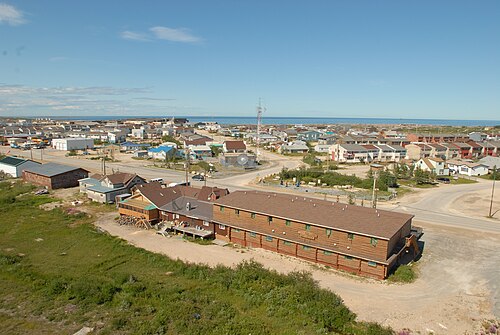
Western Hudson Bay is an early-ice-loss stock and a tourist town. It is a visible subpopulation, not the whole Arctic.
Who was Knut?
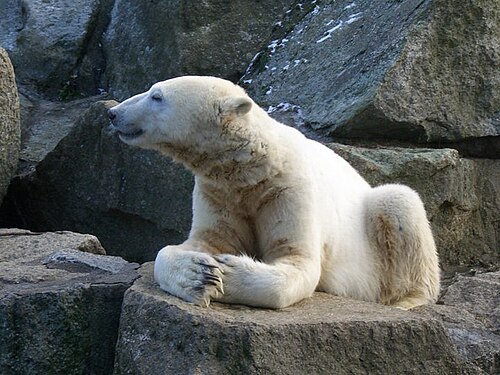
A hand-reared Berlin cub (2006-2011) whose fame and death made zoo ethics a tabloid. He is culture, not a sea-ice time series.
Do polar bears eat only seals?
Seals (especially ringed) are the fat that pays. Bird eggs, carrion and land food appear more in long ice-free summers -- a budget problem, not a new niche that replaces ice.
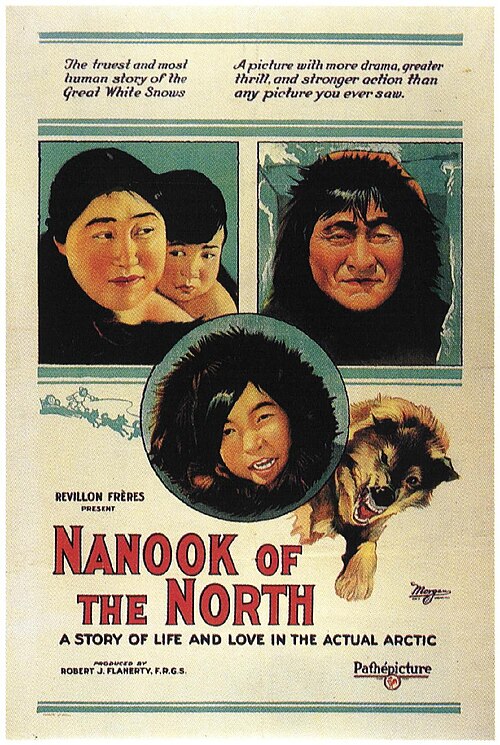
What is Nanook of the North to this file?
The 1922 film staged Inuit life for a southern camera. It is a portrayal, not an ethnography of nanuq knowledge.
Are Coca-Cola bears biology?
No. They are cultural impact. The atlas keeps them off the scores for ice.
How do USGS and PBSG fit?
The IUCN Polar Bear Specialist Group and USGS ice-bear models are the technical chorus behind the VU card.
Role, not a winner
Conservation literacy. Not a live IUCN fetch.
Embed this ranking
Paste this code into your blog or site — the ranking stays up to date.
Copied!
Similar species
Closest neighbours on the six atlas axes — speed, intelligence, range, resilience, culture and ecological role.