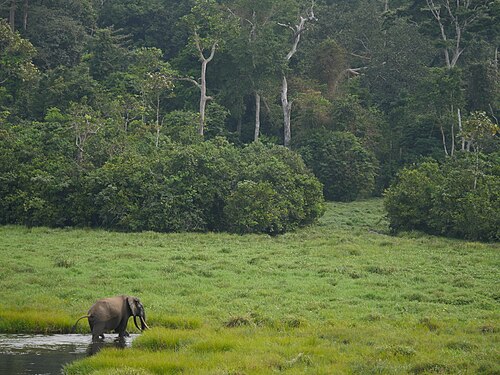
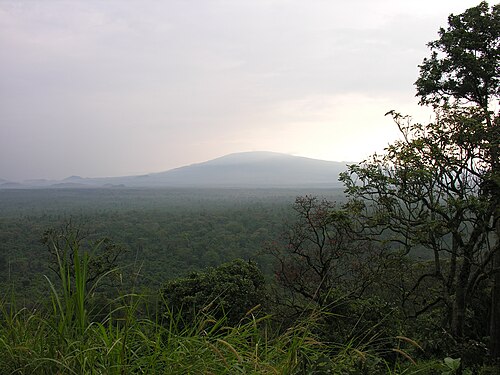
Gorilla is one of 24 types in this animals atlas. The pages treat it as a full system -- history, anatomy, operating principles, culture, icons, future pressure and market shape -- not a ranking of a best species.
Scores compare the gorilla with the other 23 types on speed, intelligence, range, resilience, cultural impact and ecological role. They are relative editorial marks. Resilience high means more secure; low means threatened. Western gorilla Critically Endangered; mountain gorilla (a different species, G. beringei) is Endangered after a guarded rebound. Resilience here follows the atlas type: CR.
Seven chapters follow: origins, systems, how the animal works, cultural life, named icons, what conservation can still change, and how tourism, conflict, fisheries and parks move money.
Deep introduction
Deep dive: Gorilla
Gorilla is not a single postcard animal. It is a set of populations, subspecies and human rules inside the wildlife family of this atlas.
Diversity, bodies, culture and ranges — plus a lens tuned to this language region.
Diversity inside the type
Field guides collapse many lineages into the word gorilla. Subspecies, flyways and captive lines do not share one fate.
This atlas picks a Wikipedia title as the hero image and then keeps the rest of the grade in view so a recovered stock cannot launder a Critically Endangered cousin.
Life in the landscape
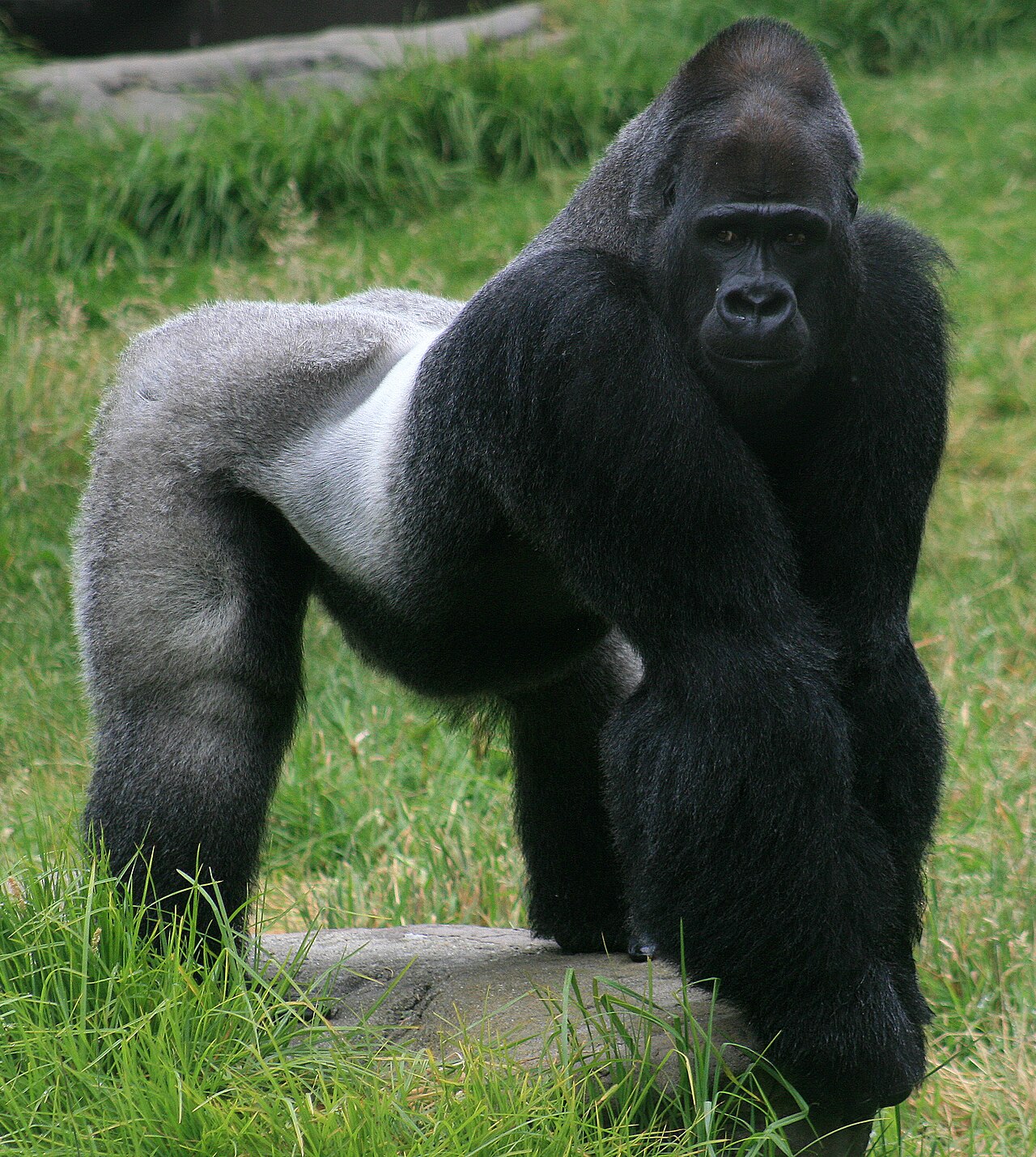
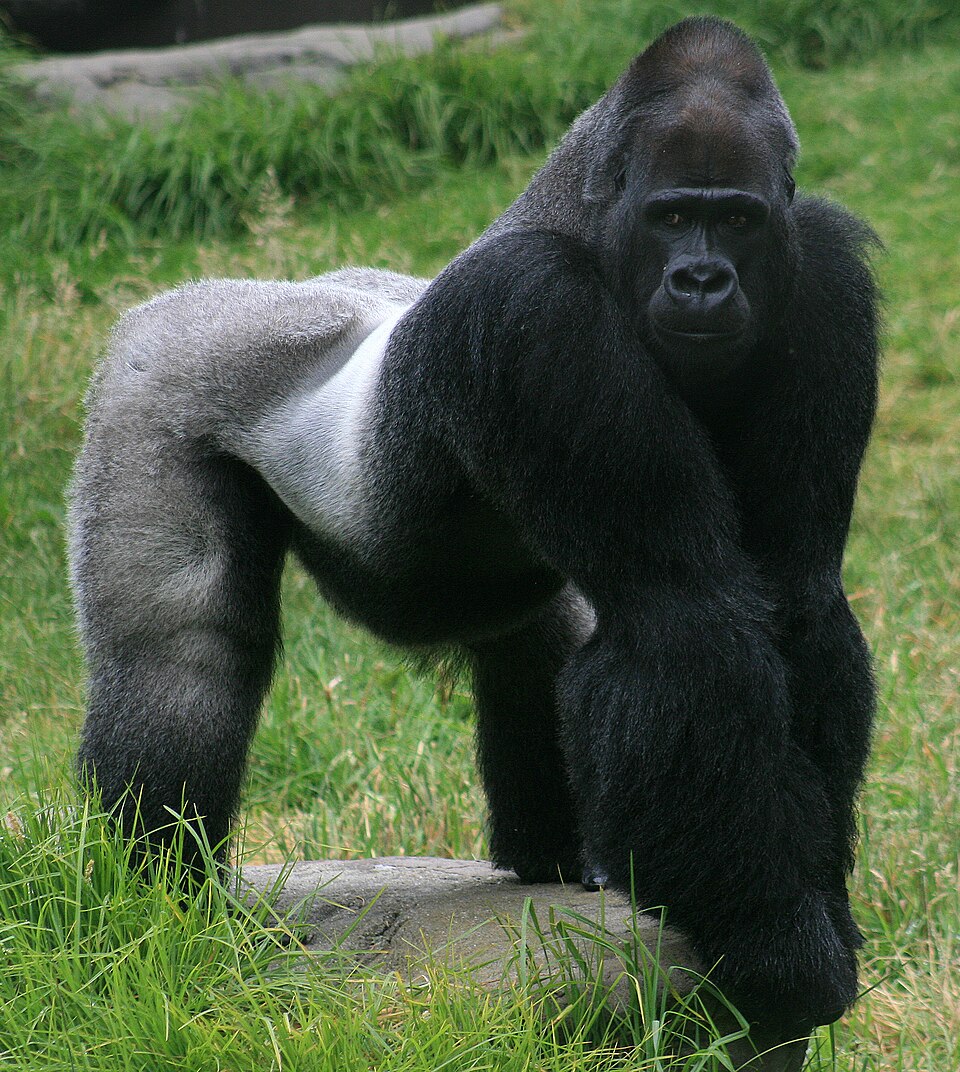
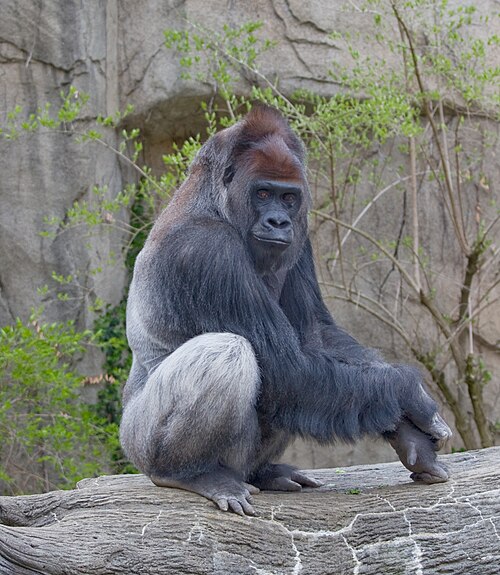
A massive knuckle-walker with a sagittal crest in males, a gut for fibrous plants, and nests built new each night. The atlas type is western; the silverback image is shared.
All-day herbivory -- fruit in western forests, more pith in some mountain diets. A CR ape is a slow calorie machine, not a hunter.
Culture and meaning
Culture met the gorilla through film, law, heraldry, zoos and local story. Those portrayals move money and sometimes take; they are not a field census.
The culture chapter dates posters and statutes so a 1975 film or a 1961 logo cannot pretend to be a 2020s Red List.
Conservation and money
Western gorilla Critically Endangered; mountain gorilla (a different species, G. beringei) is Endangered after a guarded rebound. Resilience here follows the atlas type: CR.
Tourism, conflict payments, quotas and captive loans are dated economic bands in the market chapter -- not live prices and not a best-species prize.
Life-science deep dive
Biology deep dive: Gorilla
Gorilla biology is a stack of structure, energy, sensing and hard limits. The four sections below are the same headings used across the atlas so types can be compared without a best-species frame.
Anatomy, senses, behaviour and limits — plus field language for this region.
Structure
A massive knuckle-walker with a sagittal crest in males, a gut for fibrous plants, and nests built new each night. The atlas type is western; the silverback image is shared.
Load paths and tissues (not metals) are expanded in the anatomy chapter.
Energy and foraging
All-day herbivory -- fruit in western forests, more pith in some mountain diets. A CR ape is a slow calorie machine, not a hunter.
The how-it-works diagrams reduce that budget to a six-node loop.
Senses and control
Close social vision and smell. Intelligence here is ranked highest among the 24 for ape social learning -- still below a marketing superlative.
Control here means the animal steering itself -- not a machine dashboard.
Limits
Ebola, bushmeat and logging. A mountain rebound is a different species. Lowest resilience in the atlas is a CR statement.
Resilience scores encode those limits relative to the other 23 types.
The taxonomy wiki is Western gorilla. Mountain gorillas are G. beringei, fewer, more filmed, and less CR. The atlas follows the listed type, not the movie.
Did Fossey study this type?
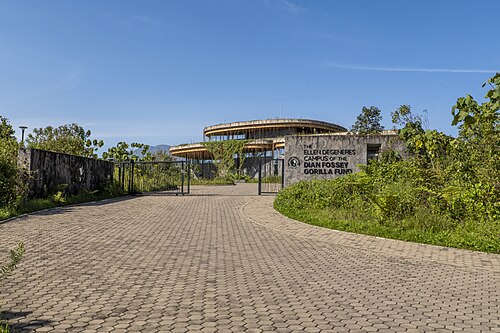
Karisoke watched mountain gorillas in Rwanda. The methods and the murder belong to that species; western gorillas have Mbeli Bai and different threats (Ebola, bushmeat).
What about Koko and language?
Francine Patterson project treated signs as words. Linguists remain split. The atlas files Koko as culture and a research programme, not as proof that wild western gorillas recite English.
Why the lowest resilience in the 24?
CR western gorillas plus Ebola, logging and hunt. Mountain gorilla rebound is real and is a different species card.
What is Mbeli Bai?
A forest clearing in Nouabale-Ndoki where western gorillas come for minerals -- a platform study that rarely makes a biopic.
Did Gorillas in the Mist help the type?
The 1988 film helped mountain gorilla tourism and the Fossey myth. Western lowland numbers kept falling on a different map.
Are zoos a sink or a tank?
Western lowland gorillas are the usual zoo gorilla. Captive groups do not replace Gabon and Congo forests.
Who was Digit?
A mountain gorilla poached in 1977. Fossey used the death to fund anti-poaching -- a mountain, not western, story that still titles books.
Role, not a winner
Conservation literacy. Not a live IUCN fetch.
Embed this ranking
Paste this code into your blog or site — the ranking stays up to date.
Copied!
Similar species
Closest neighbours on the six atlas axes — speed, intelligence, range, resilience, culture and ecological role.