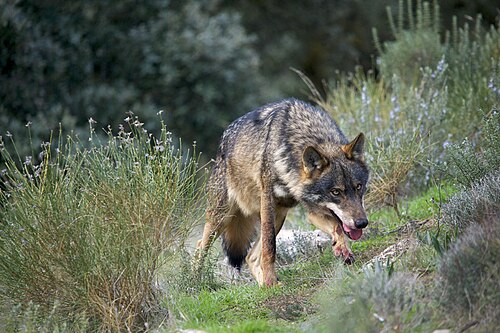
Gray wolf is one of 24 types in this animals atlas. The pages treat it as a full system -- history, anatomy, operating principles, culture, icons, future pressure and market shape -- not a ranking of a best species.
Scores compare the gray wolf with the other 23 types on speed, intelligence, range, resilience, cultural impact and ecological role. They are relative editorial marks. Resilience high means more secure; low means threatened. Least Concern globally after recoveries in parts of Europe and North America; Mexican and some regional wolves remain separately endangered.
Seven chapters follow: origins, systems, how the animal works, cultural life, named icons, what conservation can still change, and how tourism, conflict, fisheries and parks move money.
Deep introduction
Deep dive: Gray wolf
Gray wolf is not a single postcard animal. It is a set of populations, subspecies and human rules inside the wildlife family of this atlas.
Diversity, bodies, culture and ranges — plus a lens tuned to this language region.
Diversity inside the type
Field guides collapse many lineages into the word gray wolf. Subspecies, flyways and captive lines do not share one fate.
This atlas picks a Wikipedia title as the hero image and then keeps the rest of the grade in view so a recovered stock cannot launder a Critically Endangered cousin.
Life in the landscape
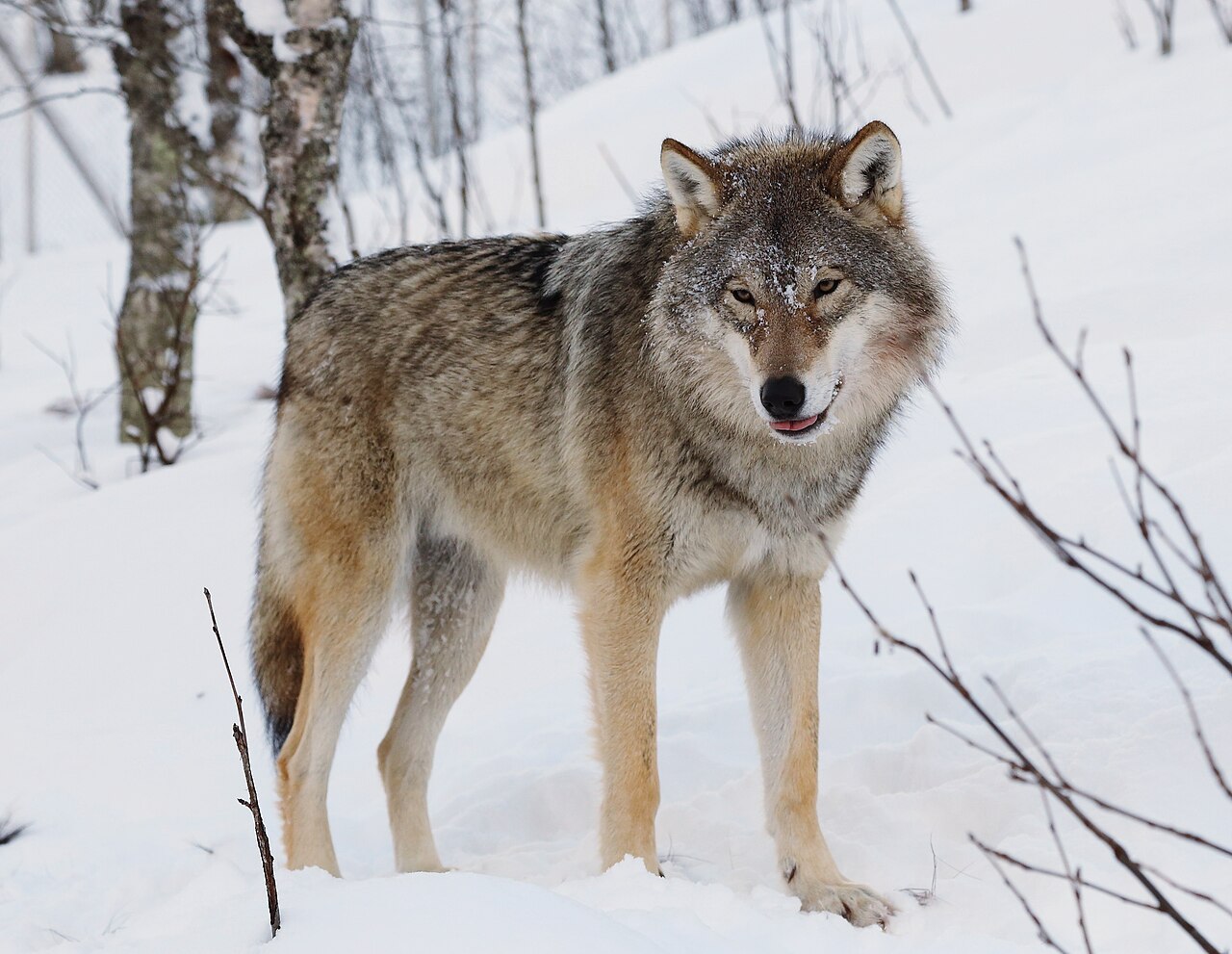
A long-legged canid with a sagittal crest for temporalis muscle and a dentition for both flesh and bone. Packs are families more often than Hollywood armies.
Endurance chase and ambush on ungulates; winter moose or elk, summer more deer and beaver. Scavenge is ordinary.
Culture and meaning
Culture met the gray wolf through film, law, heraldry, zoos and local story. Those portrayals move money and sometimes take; they are not a field census.
The culture chapter dates posters and statutes so a 1975 film or a 1961 logo cannot pretend to be a 2020s Red List.
Conservation and money
Least Concern globally after recoveries in parts of Europe and North America; Mexican and some regional wolves remain separately endangered.
Tourism, conflict payments, quotas and captive loans are dated economic bands in the market chapter -- not live prices and not a best-species prize.
Life-science deep dive
Biology deep dive: Gray wolf
Gray wolf biology is a stack of structure, energy, sensing and hard limits. The four sections below are the same headings used across the atlas so types can be compared without a best-species frame.
Anatomy, senses, behaviour and limits — plus field language for this region.
Structure
A long-legged canid with a sagittal crest for temporalis muscle and a dentition for both flesh and bone. Packs are families more often than Hollywood armies.
Load paths and tissues (not metals) are expanded in the anatomy chapter.
Energy and foraging
Endurance chase and ambush on ungulates; winter moose or elk, summer more deer and beaver. Scavenge is ordinary.
The how-it-works diagrams reduce that budget to a six-node loop.
Senses and control
Smell and a howl that spaces packs. Night hunts use hearing as much as the postcard stare.
Control here means the animal steering itself -- not a machine dashboard.
Limits
Lead, poison, and a ballot. LC globally does not retire a rancher or a Mexican-wolf recovery plan.
Resilience scores encode those limits relative to the other 23 types.
Four other atlas types, six terms, three threads and three local notes -- a map out of the gray wolf page without leaving the 24-id taxonomy.
See-also species, key terms, adjacent threads and regional notes for this language.
See also
🐅TigerAnother predator whose recovery is national and method-dependent.
🦁LionSocial hunter -- pride versus pack, VU versus global LC.
🦅EagleRecovered North American emblem (bald eagle) on a different clade.
🐟SalmonYellowstone-to-river nutrient stories sometimes over-claim; salmon are the clearer ocean-to-forest pump.
Key terms
Yellowstone 1995
Reintroduction of Canadian wolves -- the most cited predator-return experiment.
Trophic cascade
Elk-willow-beaver story; later papers added nuance and climate.
Leopold
Thinking Like a Mountain (1949) -- the wolf as an ethics turn.
Lobo
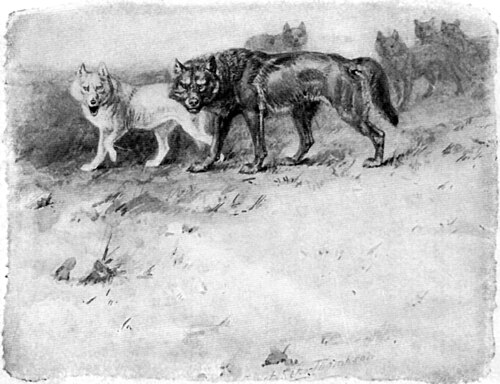
Ernest Thompson Seton 1890s New Mexico -- King of Currumpaw as a guilt story.
Mexican wolf
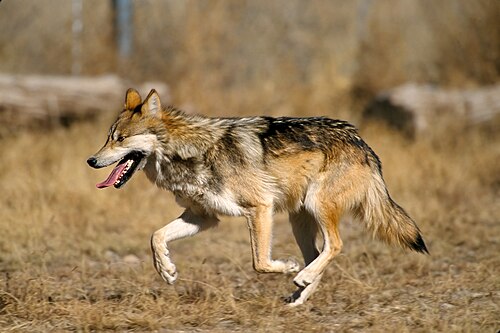
C. l. baileyi -- captive-bred releases in the Southwest, still a few hundred.
Isle Royale
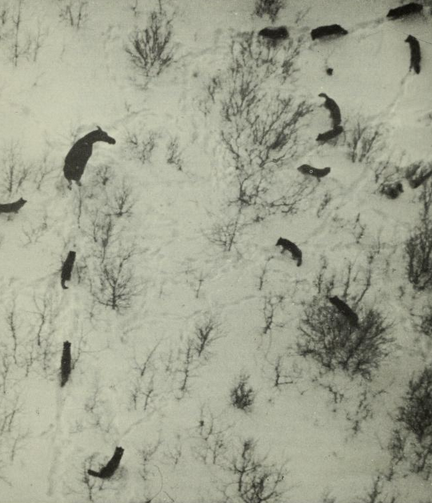
Wolf-moose study since 1958 -- the longest predator-prey project.
Habitat and movement
Where the gray wolf breeds and feeds is the first constraint. Single lakes, islands and forests appear again in the history timeline.
Range scores in this atlas mark how widely that movement runs -- albatross and blue whale high, koi and panda low -- not a quality ranking.
Research and law
Named projects (Project Tiger, ACAP, ICCAT, Amboseli) are the conservation bureaucracy of the type.
Listings and downlists are dated events in the timeline, not eternal essences.
Culture and price
Film, auction and logo years are filed under culture and market so they cannot masquerade as demography.
The icons chapter keeps eight real Wikipedia titles so a later language pack can attach the same faces.
Visual field notes
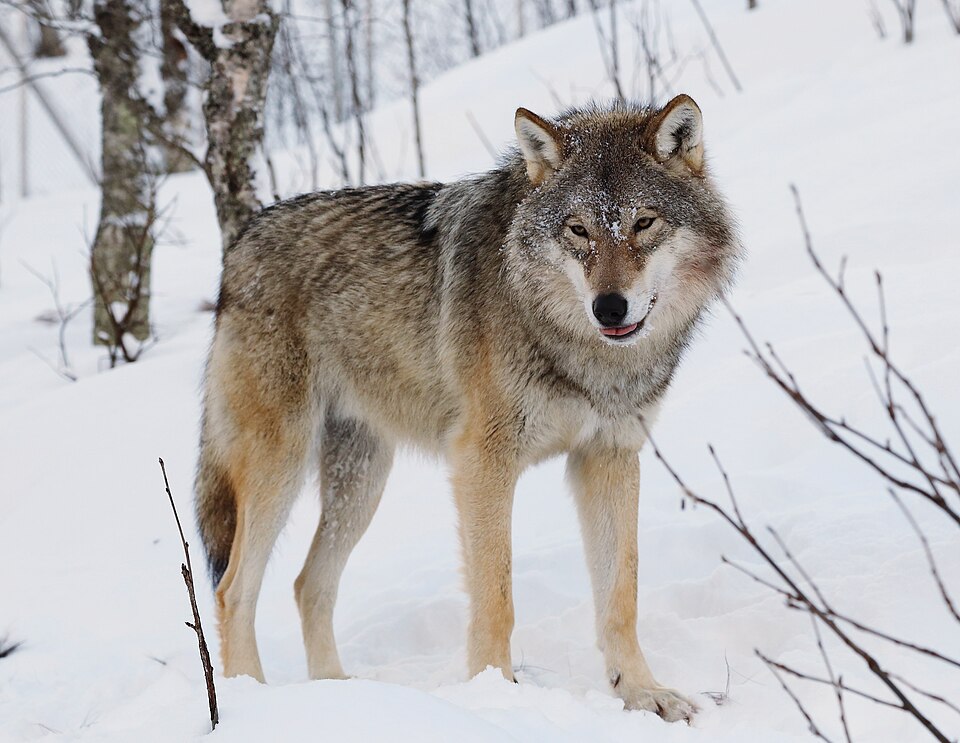
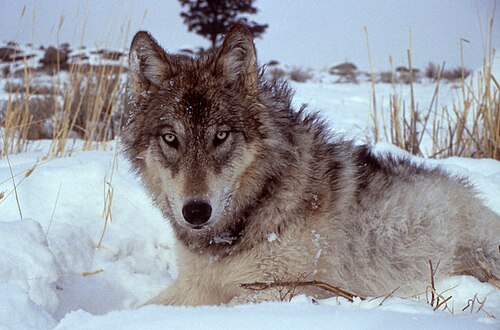
Licensed photographs of this species — heroes, eras and icons on one wall.
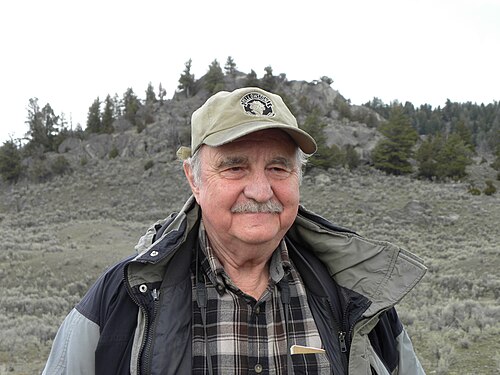
User:Mas3cfUser:Mas3cfDoug SmithHoward ZahniserIllustrated by the author, Ernest Seton ThompsonClark, Jim (U.S. Fish and Wildlife Service)ShakataGaNaiL. David MechArturo de Frias MarquesL. David Mech
The profile
Speed66
Intelligence83
Range75
Resilience62
Cultural impact85
Ecological role94
Pin anatomy against behaviour
Pick one anatomy system and one operating fact already on this species page. A reading pair — not a winner board.
Browsing aid inside this atlas. Field biology and local law decide any real encounter. No live feed.
Global LC hides Mexican wolves, some European growing pains, and US delisting fights. Resilience here is mid-high because many Holarctic populations rebounded -- not because conflict ended.
What happened in Yellowstone in 1995?
Fourteen wolves from Canada were released (more in 1996). Elk behaviour and riparian vegetation became a long argument, not a cartoon instant forest.
Is the trophic cascade settled?
Early popular accounts over-simplified. Later work kept wolves important and added drought, human hunting, and beaver. The cascade is a research programme, not a poster.
Who was Aldo Leopold here?
A forester who had killed wolves and later wrote the mountain-as-ethics essay (1949). The US environmental canon still starts many wolf talks there.
What is Isle Royale?
A closed wolf-moose system studied since 1958. Inbreeding and later genetic rescue (2018-) made it a lab of isolation.
Are wolves more intelligent than big cats in this atlas?
Pack coordination and canine social cognition sit high. Gorillas and elephants still outrank them. Scores are relative, not IQ certificates.
Did Europe recover wolves too?
Yes in parts of Germany, France, Spain and Italy after legal protection. Livestock compensation is the daily politics, not a Yellowstone clone.
What about the Three Little Pigs?
Folklore is a cultural-impact input. It is not a diet study.
Role, not a winner
Conservation literacy. Not a live IUCN fetch.
Embed this ranking
Paste this code into your blog or site — the ranking stays up to date.
Copied!
Similar species
Closest neighbours on the six atlas axes — speed, intelligence, range, resilience, culture and ecological role.