14 min read
If you only read one thing
An airborne bacillus of latency and long care — programmes and air, not a drug recipe.
Key takeaways
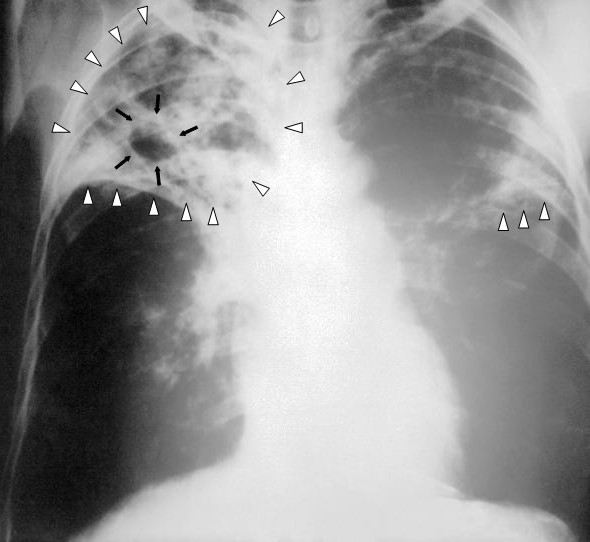
Tuberculosis is an airborne bacterial disease that can sleep for years and then wake as a chronic cough or worse. Koch named the bacillus in 1882. BCG and long combination treatment later turned a romantic killer into a programme disease — still unfinished globally. This page stays at public-health concepts. Drug names and schedules are omitted so it cannot be read as a recipe.
Jump to section
Previous
Influenza
Next
Escherichia coli
Who this is for An airborne bacillus of latency and long care — programmes and air, not a drug recipe.
Print this page
Key scores Familiarity 70 Medical weight 90 Benefit 8 Risk 85 Research 80 Live debate 35 Bacteria Viruses Fungi Archaea Educational reference only — not a diagnosis, treatment plan, or laboratory manual. Seek a licensed clinician for individual care.
Encounter route pick Pick one encounter or route already written on this topic and reopen it next time.
Classroom literacy — not a lab result, diagnosis or outbreak alert.
Route on this page
Stored on this device. Change a field to use the page twice.
Restore last pick Forget pick
Key takeaways
Koch 1882: On 24 March 1882 Robert Koch announced the tubercle bacillus as the cause of tuberculosis. Airborne nuclei: Infection is typically by inhaling droplet nuclei that linger in shared indoor air, not by casual outdoor passing. Latent vs active: Many infected people never develop active disease. A minority later become ill, especially if immunity wanes. BCG 1921: Calmette and Guerin gave an attenuated bovine vaccine to an infant in Paris in 1921. Protection against adult lung TB is partial.
Quick facts On 24 March 1882 Robert Koch announced the tubercle bacillus as the cause of tuberculosis. Koch 1882
Infection is typically by inhaling droplet nuclei that linger in shared indoor air, not by casual outdoor passing. Airborne nuclei
Many infected people never develop active disease. A minority later become ill, especially if immunity wanes. Latent vs active
Calmette and Guerin gave an attenuated bovine vaccine to an infant in Paris in 1921. Protection against adult lung TB is partial. BCG 1921
Because mycobacteria grow slowly and persist, treatment lasts months. Exact regimens are clinical, not listed here as recipes. Long treatment idea
The Republic of Korea has historically had a high TB burden among OECD members; rates have fallen with public-health programmes. Korea and OECD
Tuberculosis is an airborne bacterial disease that can sleep for years and then wake as a chronic cough or worse.
Koch named the bacillus in 1882. BCG and long combination treatment later turned a romantic killer into a programme disease — still unfinished globally.
This page stays at public-health concepts. Drug names and schedules are omitted so it cannot be read as a recipe.
Local lens public-health desks and lab teaching frames.
Public-health education — not a care plan, prescription, or outbreak briefing.
Encounters.
Start here 70 Familiarity Editorial 0–100 browsing aid within this atlas.
90 Medical weight Editorial 0–100 browsing aid within this atlas.
8 Benefit Editorial 0–100 browsing aid within this atlas.
85 Risk Editorial 0–100 browsing aid within this atlas.
Orient — Tuberculosis — EncountersCompare — Use compare / related rails for neighbours.Go deep — How they liveCheck local — Check localLens before treating English norms as universal.Note Public-health education — not a care plan, prescription, or outbreak briefing.
Scope Editorial scores are browsing aids, not certificates.
Primary — public-health desks and lab teaching framesSecondary — EncountersMethod — Editorial synthesis — prefer primary desks for decisions.Tuberculosis — concrete atlas depth on Tool-Lifes.
Local source desk Which agency to read first Public-health and food-safety desks are national. This atlas is literacy — not an outbreak briefing.
Public-health desk CDC-style pages — other languages name KDCA, 厚労省, RKI, Santé publique
Food safety FDA/FSIS-style desks for kitchen and market claims
Lab teaching School/clinic frames — not a personal culture result
Variant literacy Named lineage notes from the home agency — not a panic ticker Open this desk before treating a kitchen myth as a national rule.
Not a care plan, prescription or outbreak briefing. Wash and referral rules stay local.
Limit Public-health education — not a care plan, prescription, or outbreak briefing.
Field terms
Local lens Everyday desks for this language community.
Editorial score 0–100 browsing aid inside this atlas only.
Caveat Public-health education — not a care plan, prescription, or outbreak briefing.
Primary desk public-health desks and lab teaching frames
Start path identity → biology → human
FAQ Eight distinct questions per topic page.
Share blurb Native one-liner for social previews.
Best-30 Quality pass for locale, traffic and premium rails. How to use this atlas Start here — IdentityNext — How they liveThen — Body & healthCheck local — Local lensTools Best-of microbe rankings
Local systems
English-speaking public health CDC/FDA/WHO wording - not a care plan
labs, clinics and food cultures kitchens, schools and health desks
identity encounters · Tuberculosis Local examples kitchens, schools and health desks labs, clinics and food cultures Prefer local desks before English defaults. Quick FAQ Where to start? Identity → How they live → Body & health — Tuberculosis
Is this advice? Public-health education — not a care plan, prescription, or outbreak briefing.
Local lens? public-health desks and lab teaching frames — Encounters
Related searches Tuberculosis Identity Tuberculosis FAQ Encounters — public-health desks and lab teaching frames Tuberculosis how to read
How to read this page Start here — Identity — TuberculosisNext — How they live · public-health desks and lab teaching framesThen — Body & health · EncountersTuberculosis — concrete atlas depth on Tool-Lifes.
Field note labs, clinics and food cultures — CDC/FDA/WHO wording - not a care plan
Editorial timeline 1 — identity · Tuberculosis2 — biology · labs, clinics and food cultures3 — human · encounters2026 — Editorial review stampPrimary desks Primary frame — CDC/FDA/WHO wording - not a care planSecondary frame — labs, clinics and food culturesMethod note — kitchens, schools and health desksNote Public-health education — not a care plan, prescription, or outbreak briefing.
Local lens An old disease still here English literature said consumption. Clinic English says TB. Both name a slow bacterial disease that public health never fully retired.
TB vs consumption Same disease, different centuries of English.
Latent Infection without active disease — a public-health category, not a vibe.
Public-health desks English-speaking countries differ on childhood BCG. Official calendars own that choice.
Read the local lens — English-speaking public health
The profile
70 90 8 85 80 35
Familiarity 70 Medical weight 90 Benefit 8 Risk 85 Research 80 Live debate 35
Risk
85
/ 100
An airborne bacillus of latency and long care — programmes and air, not a drug recipe.
Seven ways into this topic
01
Identity Mycobacterium tuberculosis, air, latency and programmes.
Read
02
How they live Inhale, contain or progress, shed, treat conceptually.
Read
03
Body & health Crowding, programmes, stigma, and Korea's curve.
Read
04
History From consumption to Koch, BCG, streptomycin and DOTS.
Read
05
Everyday life Ventilation, cough manners, and when to seek care.
Read
06
Frontiers Shorter care, better vaccines, less stigma.
Read
07
Myths Not only a Victorian novel; not spread by every handshake.
Read
Related on the scale
Slide across the log scale — teaching sizes, not lab measurements.
See size scale →
Frequently asked questions Where should I start with Tuberculosis? Read Identity → How they live → Body & health, then use compare rails.
Is this page advice for Tuberculosis? Public-health education — not a care plan, prescription, or outbreak briefing.
What does the local lens add? It names everyday desks for Encounters before English norms look universal.
Are the scores a ranking of Tuberculosis? No — editorial 0–100 browsing aids inside this atlas only.
How do I compare Tuberculosis to neighbours? Use related cards and best-of / quiz rails after the first three chapters.
Which chapter is densest? How they live and Body & health carry mechanisms; skim Identity first.
Can I cite these scores externally? Treat them as atlas orientation, not certificates or forecasts.
What should I check before acting? Primary desks for Encounters: public-health desks and lab teaching frames.
Previous
Influenza
Next
Escherichia coli