17 min read
If you only read one thing
Packets of DNA or RNA that are not cells — they replicate only inside living hosts.
Key takeaways
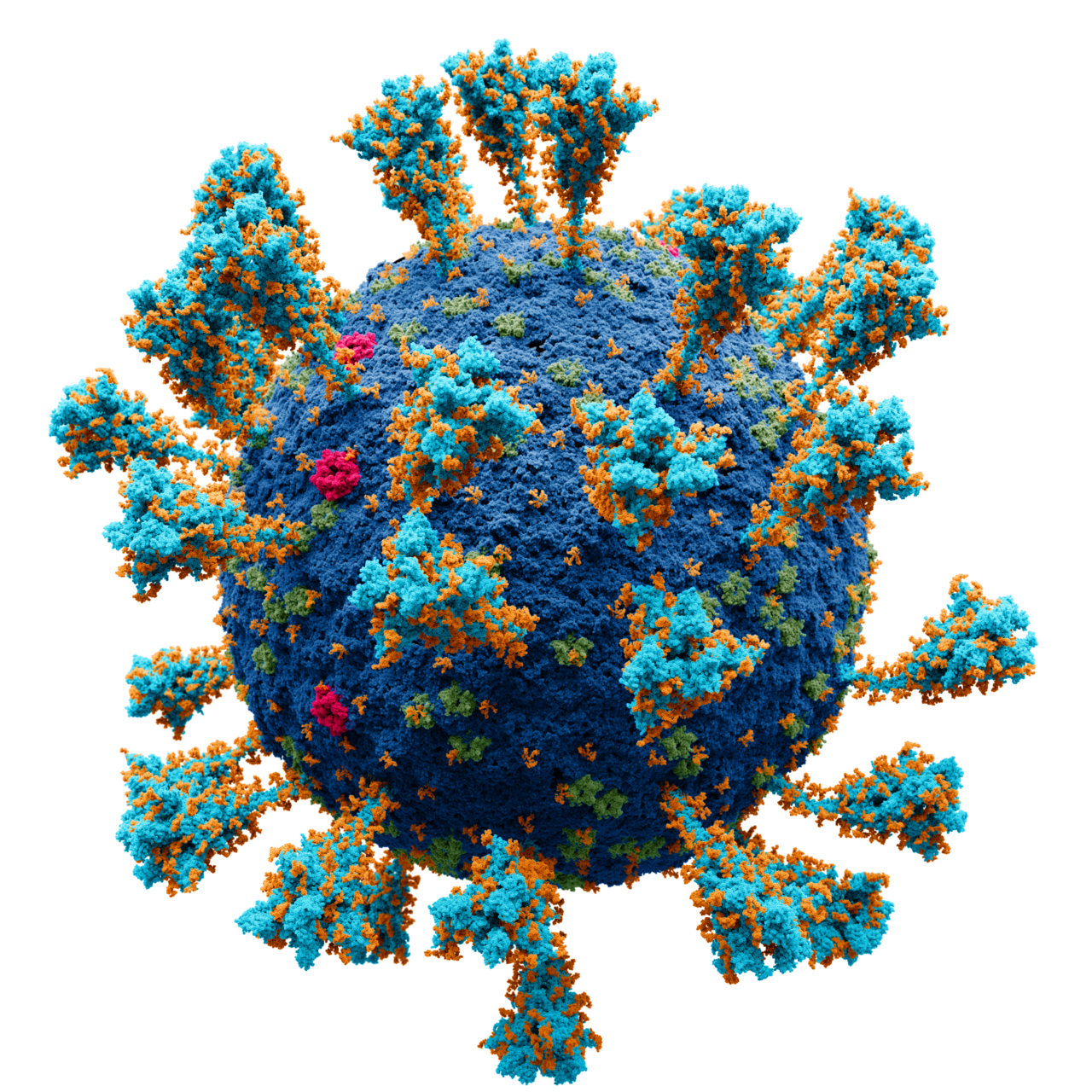
Viruses are not cells. They are DNA or RNA genomes in protein coats — sometimes wrapped in a stolen membrane — that can make more of themselves only inside a living host. That host rule explains the whole public story: vaccines train recognition, antibiotics miss the target, and most viral lineages on Earth never notice a human being. This atlas treats viruses as a branch of the microbial world, not a synonym for 'the worst disease'. Later topics cover phages, vaccines and everyday encounters.
Jump to section
Previous
Bacteria
Next
Fungi
Print this page
Key scores Familiarity 96 Medical weight 88 Benefit 25 Risk 82 Research 94 Live debate 55 Bacteria Fungi Archaea Bacteriophages Educational reference only — not a diagnosis, treatment plan, or laboratory manual. Seek a licensed clinician for individual care.
Encounter route pick Pick one encounter or route already written on this topic and reopen it next time.
Classroom literacy — not a lab result, diagnosis or outbreak alert.
Route on this page
Stored on this device. Change a field to use the page twice.
Restore last pick Forget pick
Key takeaways
Typical size: 20–300 nm for most; some giant viruses exceed 400 nm Genome: DNA or RNA, not a free-living cell First filterable agent: 1892 — Ivanovsky, tobacco mosaic Earth abundance: On the order of 10^31 particles in estimates
Quick facts 20–300 nm for most; some giant viruses exceed 400 nm Typical size
DNA or RNA, not a free-living cell Genome
1892 — Ivanovsky, tobacco mosaic First filterable agent
On the order of 10^31 particles in estimates Earth abundance
None independent — host ribosomes required Metabolism
Do not target virions; they target bacteria Antibiotics
Viruses are not cells. They are DNA or RNA genomes in protein coats — sometimes wrapped in a stolen membrane — that can make more of themselves only inside a living host.
That host rule explains the whole public story: vaccines train recognition, antibiotics miss the target, and most viral lineages on Earth never notice a human being.
This atlas treats viruses as a branch of the microbial world, not a synonym for 'the worst disease'. Later topics cover phages, vaccines and everyday encounters.
Local lens public-health desks and lab teaching frames.
Public-health education — not a care plan, prescription, or outbreak briefing.
Tree of microbes.
Start here 96 Familiarity Editorial 0–100 browsing aid within this atlas.
88 Medical weight Editorial 0–100 browsing aid within this atlas.
25 Benefit Editorial 0–100 browsing aid within this atlas.
82 Risk Editorial 0–100 browsing aid within this atlas.
Orient — Viruses — Tree of microbesCompare — Use compare / related rails for neighbours.Go deep — How they liveCheck local — Check localLens before treating English norms as universal.Note Public-health education — not a care plan, prescription, or outbreak briefing.
Scope Editorial scores are browsing aids, not certificates.
Primary — public-health desks and lab teaching framesSecondary — Tree of microbesMethod — Editorial synthesis — prefer primary desks for decisions.Viruses — concrete atlas depth on Tool-Lifes.
Local source desk Which agency to read first Public-health and food-safety desks are national. This atlas is literacy — not an outbreak briefing.
Public-health desk CDC-style pages — other languages name KDCA, 厚労省, RKI, Santé publique
Food safety FDA/FSIS-style desks for kitchen and market claims
Lab teaching School/clinic frames — not a personal culture result
Variant literacy Named lineage notes from the home agency — not a panic ticker Open this desk before treating a kitchen myth as a national rule.
Not a care plan, prescription or outbreak briefing. Wash and referral rules stay local.
Limit Public-health education — not a care plan, prescription, or outbreak briefing.
Field terms
Local lens Everyday desks for this language community.
Editorial score 0–100 browsing aid inside this atlas only.
Caveat Public-health education — not a care plan, prescription, or outbreak briefing.
Primary desk public-health desks and lab teaching frames
Start path identity → biology → human
FAQ Eight distinct questions per topic page.
Share blurb Native one-liner for social previews.
Best-30 Quality pass for locale, traffic and premium rails. How to use this atlas Start here — IdentityNext — How they liveThen — Body & healthCheck local — Local lensTools Best-of microbe rankings
Local systems
English-speaking public health CDC/FDA/WHO wording - not a care plan
labs, clinics and food cultures kitchens, schools and health desks
identity tree · Viruses Local examples kitchens, schools and health desks labs, clinics and food cultures Prefer local desks before English defaults. Quick FAQ Where to start? Identity → How they live → Body & health — Viruses
Is this advice? Public-health education — not a care plan, prescription, or outbreak briefing.
Local lens? public-health desks and lab teaching frames — Tree of microbes
Related searches Viruses Identity Viruses FAQ Tree of microbes — public-health desks and lab teaching frames Viruses how to read
How to read this page Start here — Identity — VirusesNext — How they live · public-health desks and lab teaching framesThen — Body & health · Tree of microbesViruses — concrete atlas depth on Tool-Lifes.
Field note labs, clinics and food cultures — CDC/FDA/WHO wording - not a care plan
Editorial timeline 1 — identity · Viruses2 — biology · labs, clinics and food cultures3 — human · tree2026 — Editorial review stampPrimary desks Primary frame — CDC/FDA/WHO wording - not a care planSecondary frame — labs, clinics and food culturesMethod note — kitchens, schools and health desksNote Public-health education — not a care plan, prescription, or outbreak briefing.
Local lens A particle, not a cell Headline English says virus the way older copy said germ. The local job is to keep virus, variant and bacteria from collapsing.
Headline virus News English often uses virus for any outbreak. Ask whether the story means a virus, a bacterium, or an unknown.
Variant in public copy Variant is a surveillance word, not a moral grade. See the mutation topic for how names are minted.
Public-health desks English clinic advice repeats: antibiotics do not treat typical viral colds. That sentence is the local public-health hook.
Read the local lens — English-speaking public health
The profile
96 88 25 82 94 55
Familiarity 96 Medical weight 88 Benefit 25 Risk 82 Research 94 Live debate 55
Risk
82
/ 100
Packets of DNA or RNA that are not cells — they replicate only inside living hosts.
Seven ways into this topic
Related on the scale
Slide across the log scale — teaching sizes, not lab measurements.
See size scale →
Frequently asked questions Where should I start with Viruses? Read Identity → How they live → Body & health, then use compare rails.
Is this page advice for Viruses? Public-health education — not a care plan, prescription, or outbreak briefing.
What does the local lens add? It names everyday desks for Tree of microbes before English norms look universal.
Are the scores a ranking of Viruses? No — editorial 0–100 browsing aids inside this atlas only.
How do I compare Viruses to neighbours? Use related cards and best-of / quiz rails after the first three chapters.
Which chapter is densest? How they live and Body & health carry mechanisms; skim Identity first.
Can I cite these scores externally? Treat them as atlas orientation, not certificates or forecasts.
What should I check before acting? Primary desks for Tree of microbes: public-health desks and lab teaching frames.
Previous
Bacteria
Next
Fungi