
NLP & speech
Models of language.
How language works — sound, structure, meaning and the societies that speak.
Also called: Language science
Reviewed 2026-08-08·Media credits
Darker cells mean a higher score for this topic on that metric.
LessMore
Each bar is a 0-100 atlas score for this topic, not a timeline.
Last reviewed Sources & creditsMedia creditsMethodology
Linguistics studies how language works — sound, structure, meaning and the societies that speak. Analysis can be formal, experimental or fieldwork-based depending on the track.
Phonetics labs and elicitation rooms exist in strong programmes; many tracks are still seminar- and computing-heavy. Field languages may require travel ethics and recording gear.
Careers include tech (NLP), education, translation-adjacent roles and research. Scores are relative among forty majors.
Typical bachelor years: 4
Scores are relative across the forty majors on this site — not absolute rankings of universities.
Popularity & Demand →Sectors where graduates and research from this field show up most often — plates from Wikimedia Commons.
Models of language.
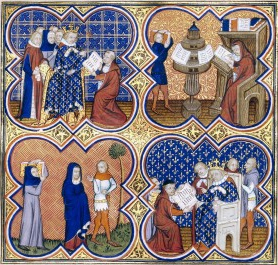
Cross-language products.

Curricula and testing.

Words as data.
Checkable figures whose work still frames how the discipline is taught and practised.
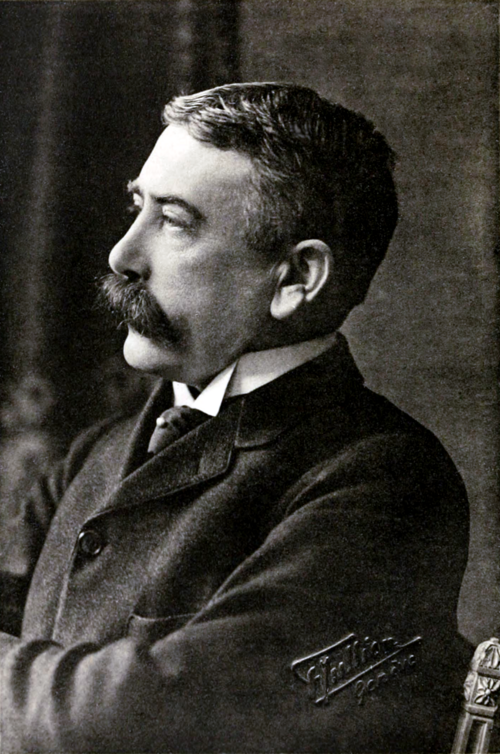
Structural linguistics
1857–1913
"F. Jullien Genève", maybe Frank-Henri Jullien (1882–1938) · CC BY-SA 4.0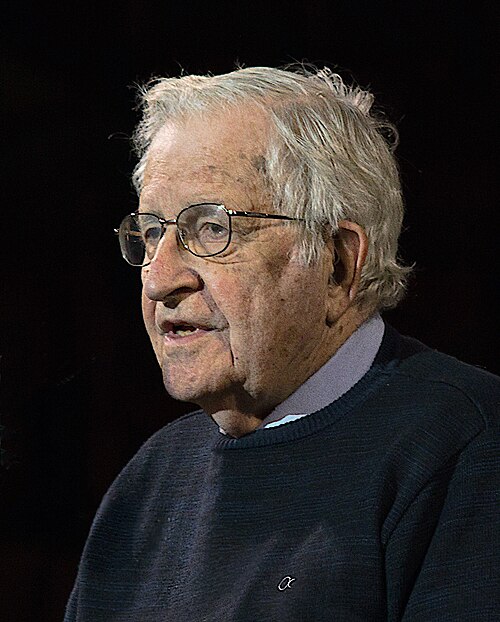
Generative grammar
1928–
Σ, retouched by Wugapodes and Jonnmann · CC BY-SA 4.0
Discourse analysis
1945–
Trey Jones · CC BY 3.0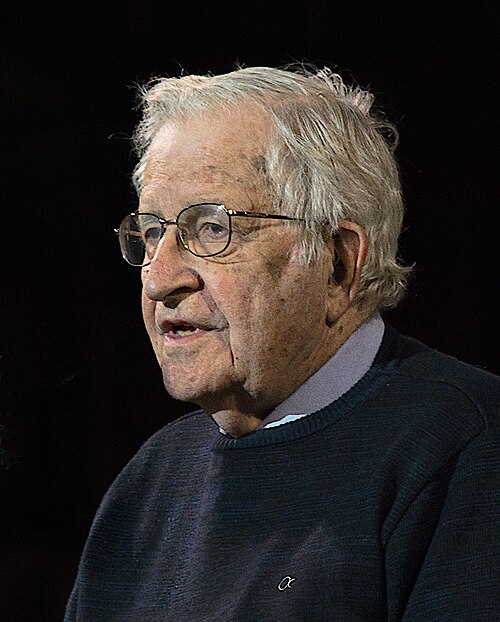
Sociolinguistics
1927–2024
Σ, retouched by Wugapodes and Jonnmann · CC BY-SA 4.0Same-field head-to-heads built from the six score axes.
Why labels are thematic — not a ranking of better majors.
Scores are browsing aids for curriculum and career lanes, not a league table of worth.
Arguments about mind, value, knowledge and reality — clarity as a professional habit.
Employability 48 Same field neighbourEvidence from the dead — archives, argument and the politics of which past gets told.
Employability 54 Same field neighbourClose reading across centuries — form, history and the arguments texts still pick with us.
Employability 52 🏺Evidence from the dead — archives, argument and the politics of which past gets told.
Employability 54 💭Arguments about mind, value, knowledge and reality — clarity as a professional habit.
Employability 48 📰Verification under deadline — reporting, ethics and the infrastructures that carry news.
Employability 58