c. 1600 BCEThe Edwin Smith Papyrus
The oldest known surgical text, a copy of a much older Egyptian document, examines 48 real trauma cases in a strict format — injury, examination, diagnosis, treatment, prognosis — including cases its author frankly labels "an ailment not to be treated." It relies on almost no magic, unlike most other surviving Egyptian medical texts.
c. 600 BCESushruta's textbook of surgery
The Sushruta Samhita, an Indian surgical text scholars date anywhere from the mid-first millennium BCE to several centuries CE, describes more than 300 procedures and over 100 instruments, including a forehead-flap technique for rebuilding a nose amputated as punishment — a living tradition still recognizable when British surgeons documented it in India in 1793.
1537Paré abandons boiling oil
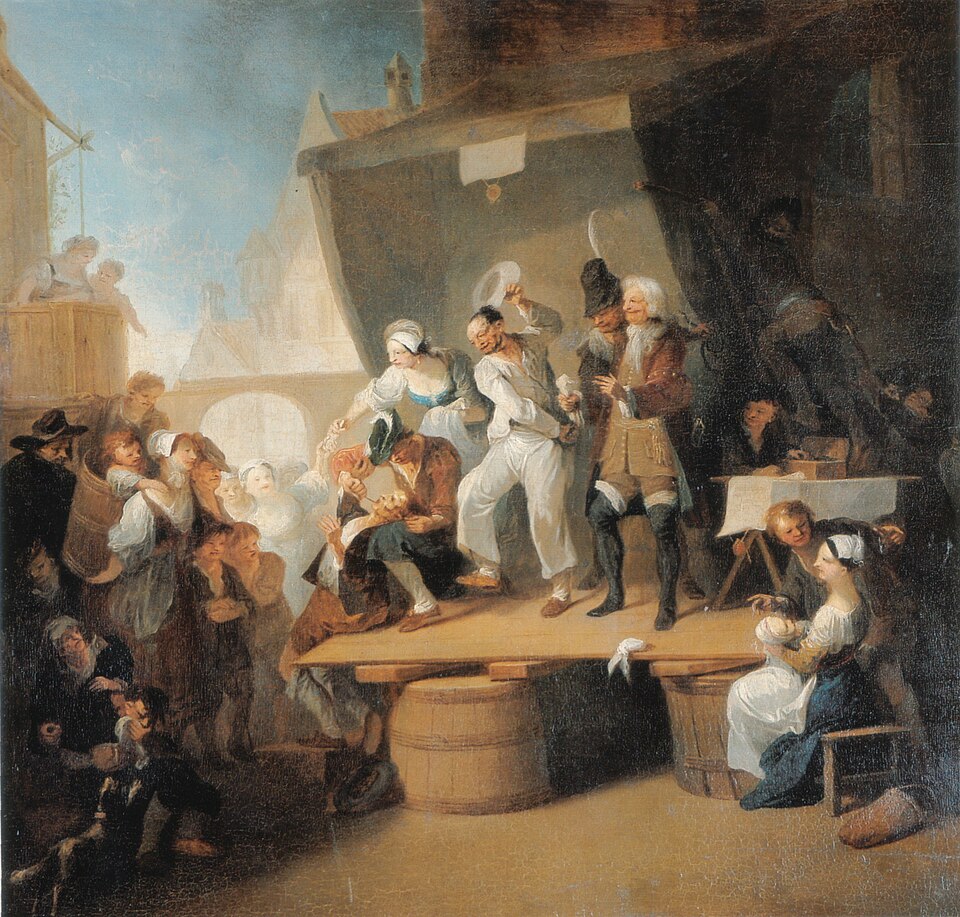
Treating wounded soldiers at the Siege of Turin, French army surgeon Ambroise Paré ran out of the boiling oil then used to cauterize gunshot wounds and dressed the rest of his patients with egg yolk, rose oil and turpentine instead. Checking on them the next morning expecting the worst, he found the oil-treated men in agony and the others resting comfortably, and abandoned cautery with hot oil for good.
1785Hunter's ligation for aneurysm
At St George's Hospital in London, John Hunter treated a coachman's popliteal aneurysm by tying off the artery well above the damaged section with four separate ligatures, instead of the standard, frequently fatal amputation. The patient walked out six weeks later and returned to driving his cab; the "Hunterian ligation" remained standard practice for over a century.
1846Ether ends the age of pain
In Massachusetts General Hospital's operating theater, dentist William Morton administered inhaled ether to a patient while surgeon John Collins Warren removed a jaw tumor. Warren reportedly turned to the stunned audience and said, "Gentlemen, this is no humbug" — and news of painless surgery reached Europe within weeks.
1867Lister's antiseptic method
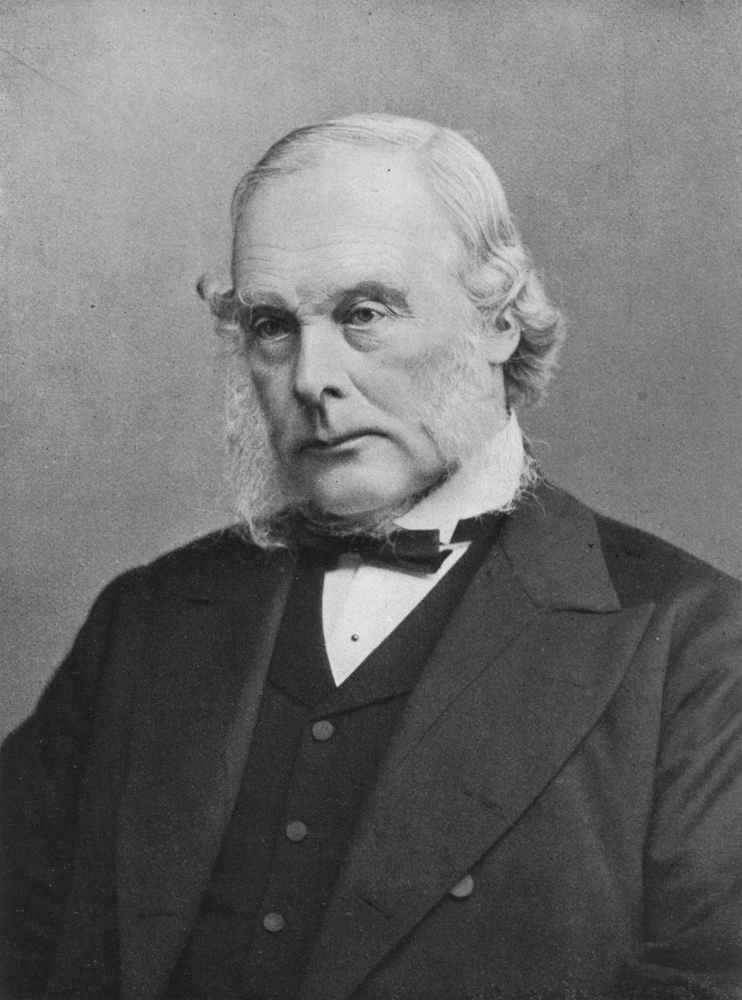
Reading Louis Pasteur's germ theory, Joseph Lister began dressing wounds with carbolic acid at Glasgow Royal Infirmary and published dramatic drops in fatal wound sepsis in The Lancet. Widely mocked at first — some surgeons still operated in coats stiffened with the dried blood of past patients as a badge of experience — his method became standard within two decades.
1889Halsted founds the first surgical residency
At the newly opened Johns Hopkins Hospital, William Halsted built the first formal surgical residency: years of progressively greater responsibility ending in a single chief resident, modeled on German academic medicine. The pyramidal system, and the gentle, meticulous operative technique he taught alongside it, became the template most of the world's surgical training still follows.
1944The Blalock–Thomas–Taussig operation
At Johns Hopkins, surgeon Alfred Blalock operated on 15-month-old Eileen Saxon, whose "blue baby syndrome" starved her blood of oxygen, using a shunt technique his laboratory assistant Vivien Thomas had spent years developing and rehearsing on dogs. Thomas stood behind Blalock coaching him through the operation; it worked, and modern cardiac surgery followed from it.
1967Barnard performs the first heart transplant
At Groote Schuur Hospital in Cape Town, Christiaan Barnard transplanted the heart of Denise Darvall, a 25-year-old killed in a road accident, into 53-year-old Louis Washkansky during a nine-hour operation. Washkansky lived 18 days before dying of pneumonia brought on by immune-suppressing drugs, but his new heart itself never failed.
1985–1987Laparoscopic surgery goes mainstream
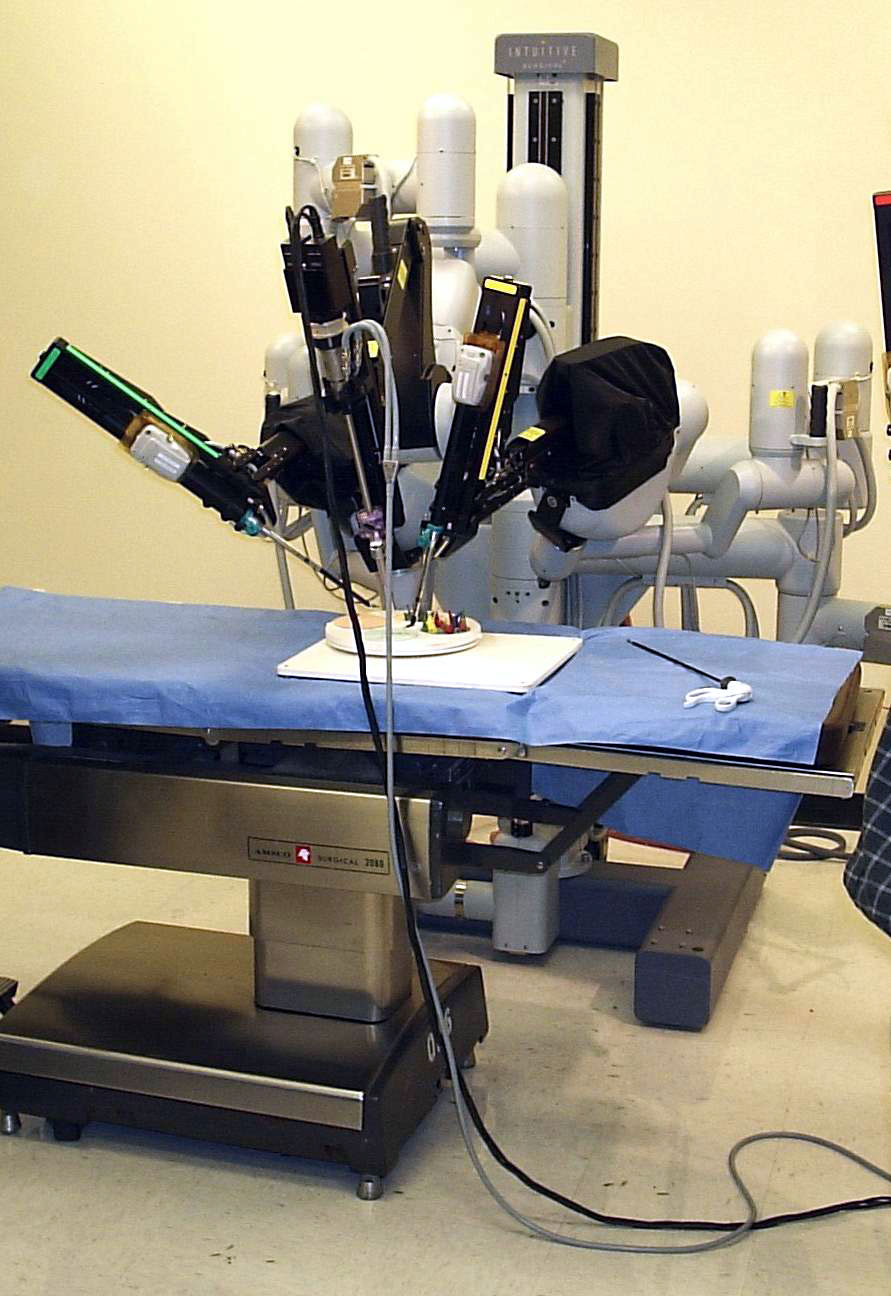
German surgeon Erich Mühe performed the first laparoscopic gallbladder removal in Böblingen in 1985 using an instrument he designed himself, but the German surgical establishment largely ignored it. French surgeon Philippe Mouret's independent 1987 version, using standard gynecological equipment, is the one that was publicized and spread worldwide, beginning surgery's shift from open incisions toward small-port, camera-guided operating.