c. 70 BCECrassus's fire brigade for profit
Marcus Licinius Crassus operates a private brigade of around 500 slaves in Rome that races to burning buildings — and then haggles to buy the property, and often its threatened neighbors, at collapse prices before extinguishing anything. Plutarch names the scheme as a source of one of Rome's greatest fortunes, and it remains history's warning about firefighting as a business.
6 CEAugustus founds the Vigiles
After another destructive fire, Augustus creates the Vigiles Urbani: seven cohorts of freedmen, eventually thousands of men, funded partly by a tax on the sale of slaves. Organized along military lines with buckets, hand pumps, hooks and blankets, they patrol Rome at night as combined fire brigade and watch — the first large public firefighting force in the Western record.
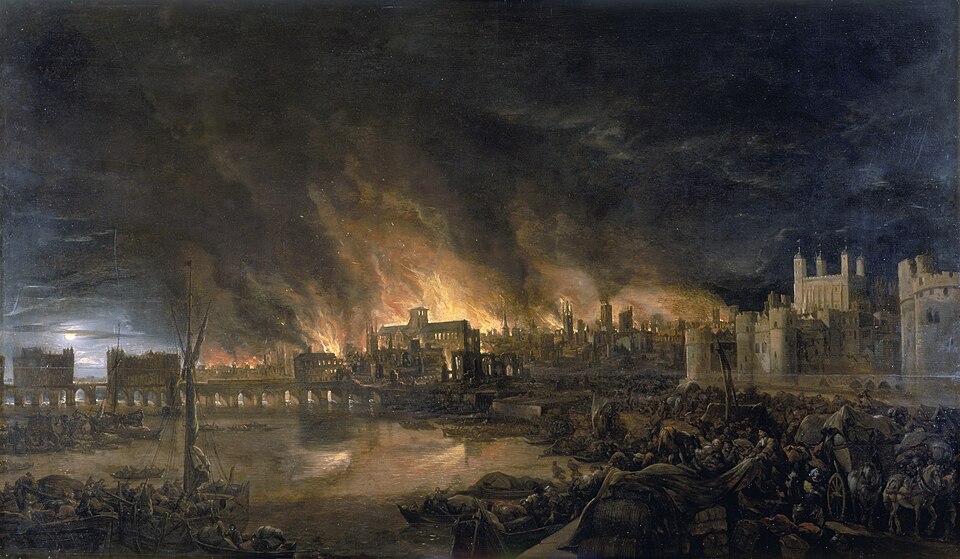
1666The Great Fire of London creates fire insurance
The September 1666 fire destroys more than 13,000 houses and 87 churches. Within a year, Nicholas Barbon founds the first fire insurance business, and insurers soon field their own brigades that protect buildings displaying their company's metal fire mark. For a century and a half, much of London's firefighting is done by competing private companies with paying customers.
1720Edo organizes the machibikeshi
Magistrate Ōoka Tadasuke organizes Edo's townsmen into 47 iroha-named fire companies, the machibikeshi, recruited largely from tobi — the agile construction workers and steeplejacks who could tear down buildings to cut firebreaks. Each company's matoi standard, held aloft on a roof beside the fire, marked its ground; the hikeshi became celebrated, tattooed folk heroes of the city.
1811Napoleon militarizes the Paris pompiers
After a fire at the Austrian embassy's ball in July 1810 kills guests celebrating Napoleon's marriage while the city's firefighting collapses in confusion, Napoleon signs an 1811 decree creating the sapeurs-pompiers de Paris as a military unit under army discipline. The Paris fire brigade remains a French Army formation today, and Marseille's is a unit of the Navy.
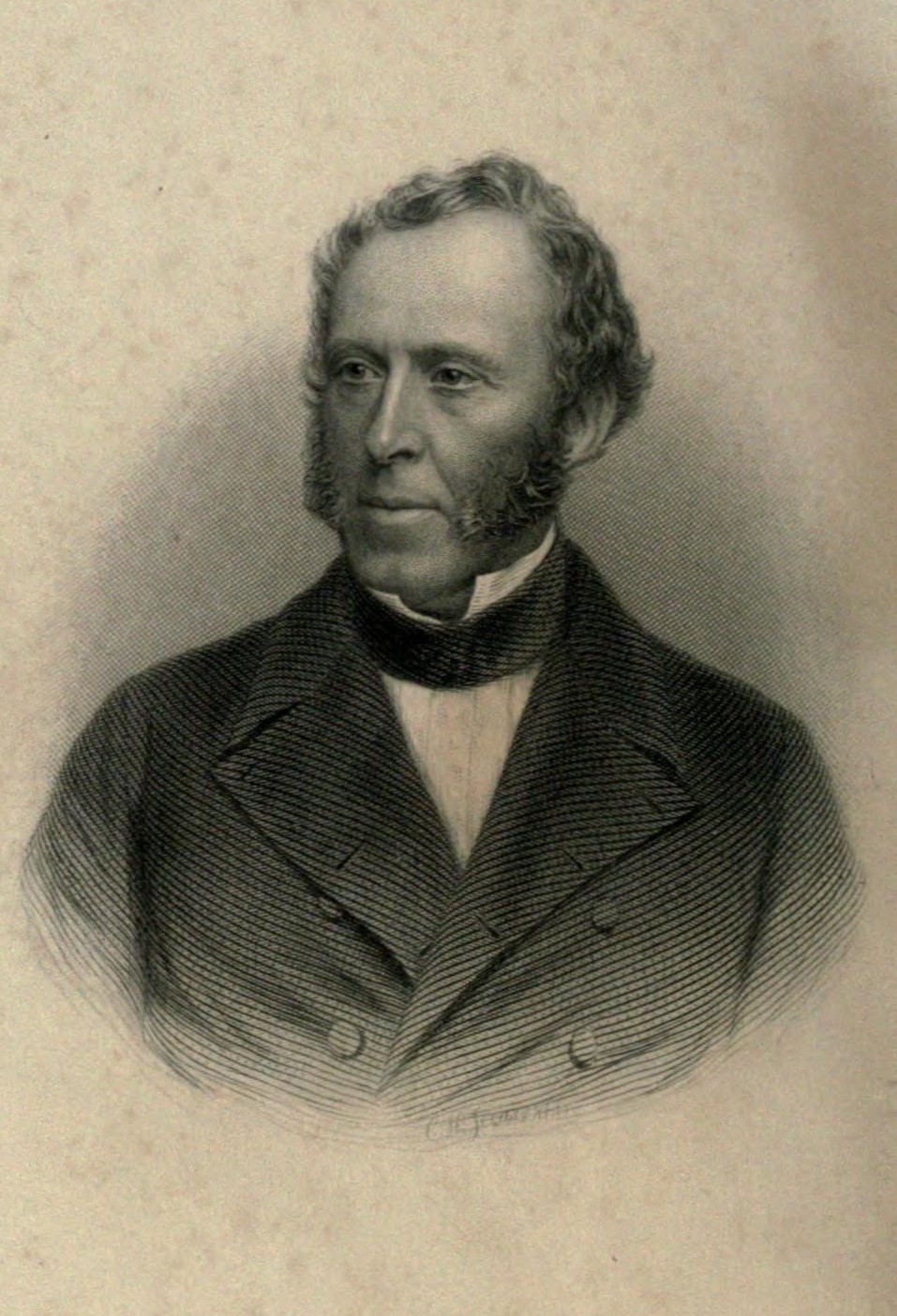
1824Edinburgh appoints James Braidwood
Edinburgh establishes what is often called the world's first municipal fire brigade and puts 24-year-old James Braidwood in charge. Weeks later the Great Fire of Edinburgh tests it. Braidwood drills his men at night, insists on entering buildings to attack a fire's seat rather than spraying from the street, and in 1830 publishes the first modern firefighting manual.
1853Cincinnati pays firefighters and adopts steam
After brawls between rival volunteer companies scandalize the city, Cincinnati establishes the first fully paid professional fire department in the United States and puts the horse-drawn steam fire engine into service. Steam pumpers need far fewer men than hand engines, breaking the volunteer gangs' grip and setting the template of the salaried, apparatus-centered city department.
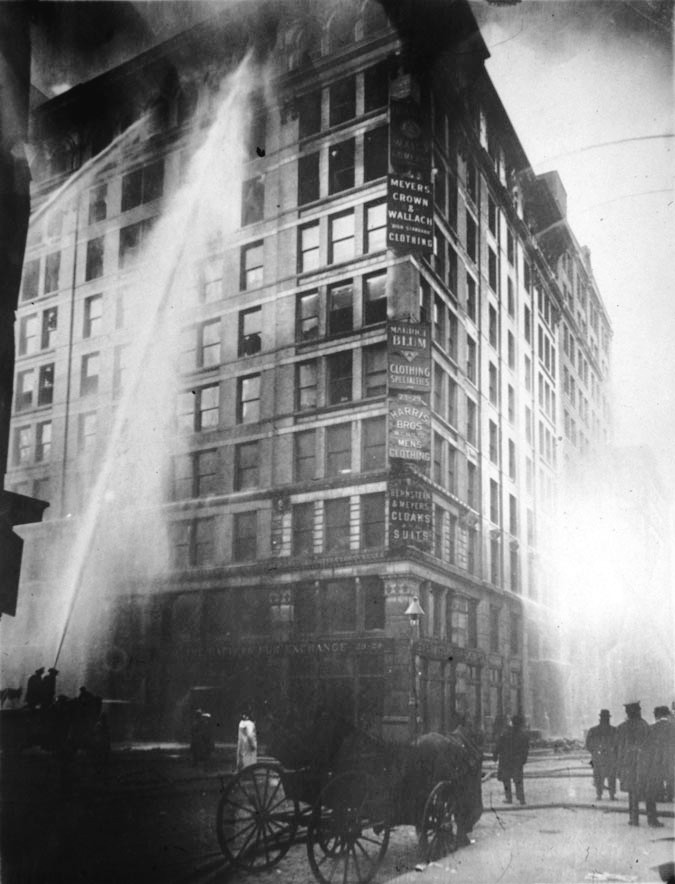
1911The Triangle Shirtwaist fire forces prevention
A fire in a New York garment factory kills 146 workers, mostly young immigrant women; FDNY ladders reach only the sixth floor while the fire burns on the eighth to tenth. The disaster ignites the modern fire-prevention movement — sprinkler laws, exit codes, factory inspections — and FDNY chief Edward Croker resigns weeks later to campaign for prevention full time.
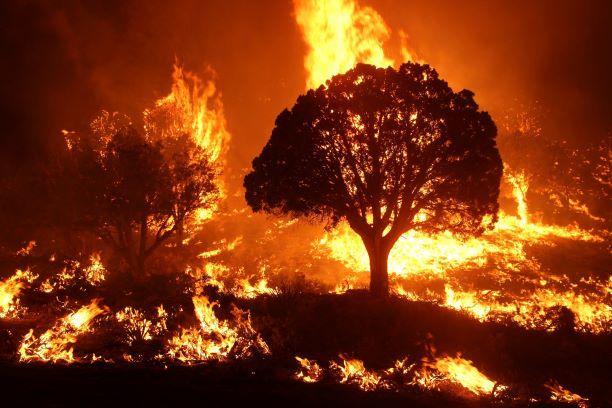
1940The first smokejumpers
On 12 July 1940, Rufus Robinson and Earl Cooley of the US Forest Service parachute onto the Marten Creek fire in Idaho's Nez Perce National Forest — the first operational smokejump. Airborne crews make it possible to attack remote wildfires while they are still small, and wildland firefighting develops into its own profession with its own tools, science and dangers.
2001343 at the World Trade Center
On 11 September 2001, 343 members of the New York City Fire Department are killed when the World Trade Center towers collapse — the largest single-incident loss of firefighters in history. The date reshapes the trade worldwide: urban search-and-rescue capacity, incident command discipline and public reverence for the job all rise in its aftermath.