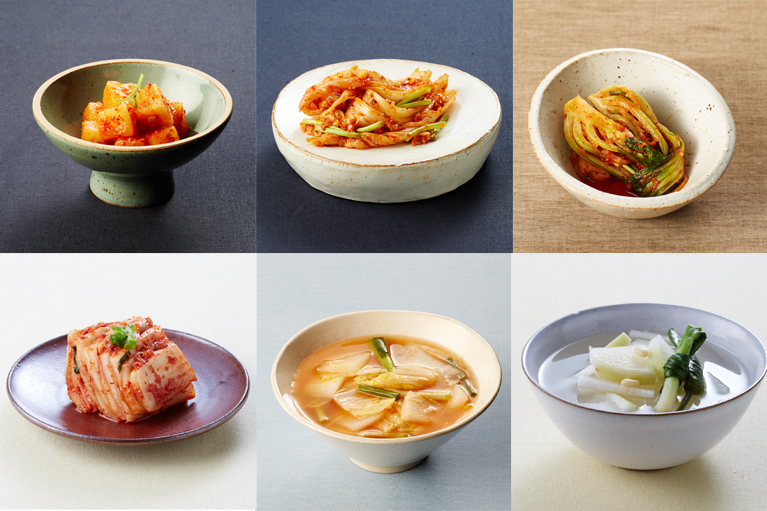
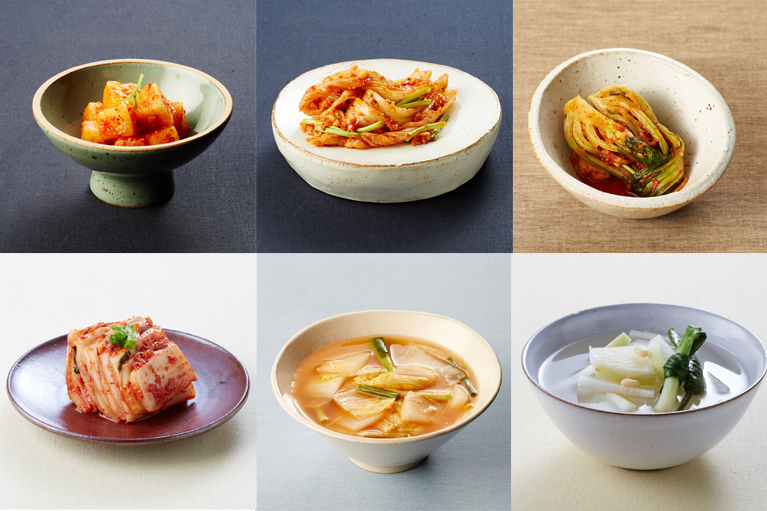
Korean cuisine, or 한식 (hansik), is built on rice, soup and a ring of banchan — kimchi, namul greens, jeon pancakes — rather than a single plated entree. Gochujang, doenjang and ganjang supply the fermented bass line; gochugaru supplies the heat.
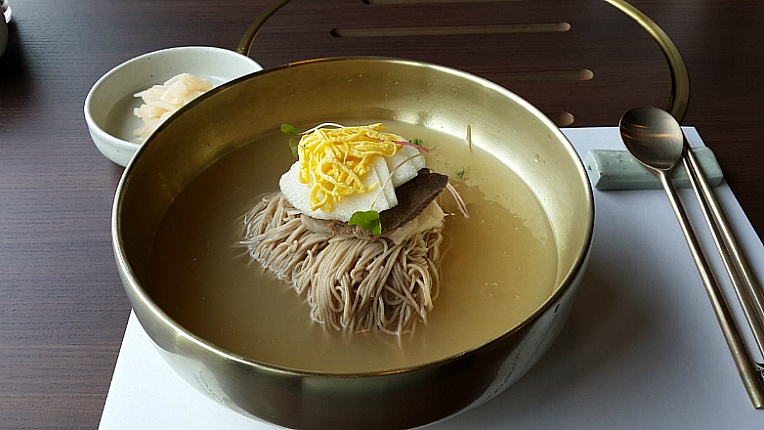
Jeolla namul, Gyeongsang raw-fish hoe, and the Pyongyang naengmyeon tradition show how sharply the peninsula splits. Barbecue (gogi-gui) made samgyeopsal and galbi exportable, but the everyday table is still jjigae stew, leftover rice and last night's kimchi.
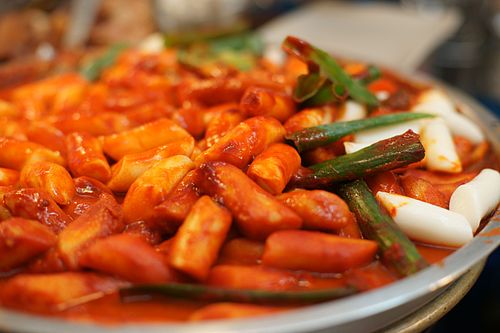
Street rows in Seoul and Busan sell tteokbokki, odeng fish cakes and hotteok. Kimjang, the late-autumn kimchi-making season, was inscribed by UNESCO in 2013 and still organises family labour more than any restaurant ranking.
Deep introduction
How hansik holds together
A peninsula cuisine organised by fermentation, shared grills and a court-to-market drop that never flattened regional kitchens.
Regions, pantry, table manners and travel — plus a lens tuned to this language region.
Regional split
Jeolla cooking is praised for namul depth and generous banchan; Gyeongsang leans saltier, with hoe and milmyeon. The Gangwon plateau keeps potato onggis and dried pollock; Jeju builds around haemul and black pork.
North–south memory still matters: Pyongyang naengmyeon and Hamhung spicy noodles travelled south with refugees after 1950 and became Seoul restaurant genres rather than museum pieces.
Pantry and ferments
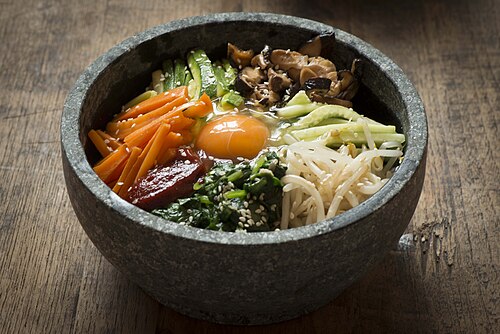
Onggi jars breathe while kimchi, doenjang and ganjang age. Gochujang — glutinous rice, soybean and gochugaru — is the sweet-hot paste that now flavours everything from bibimbap to fried chicken.
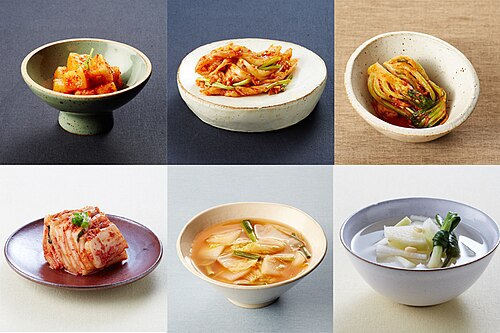
Before chili arrived in the late sixteenth century, kimchi was white: napa, radish, garlic and jeotgal. The red style is historical, not eternal, which is why baek-kimchi still sits on careful tables.
How people eat
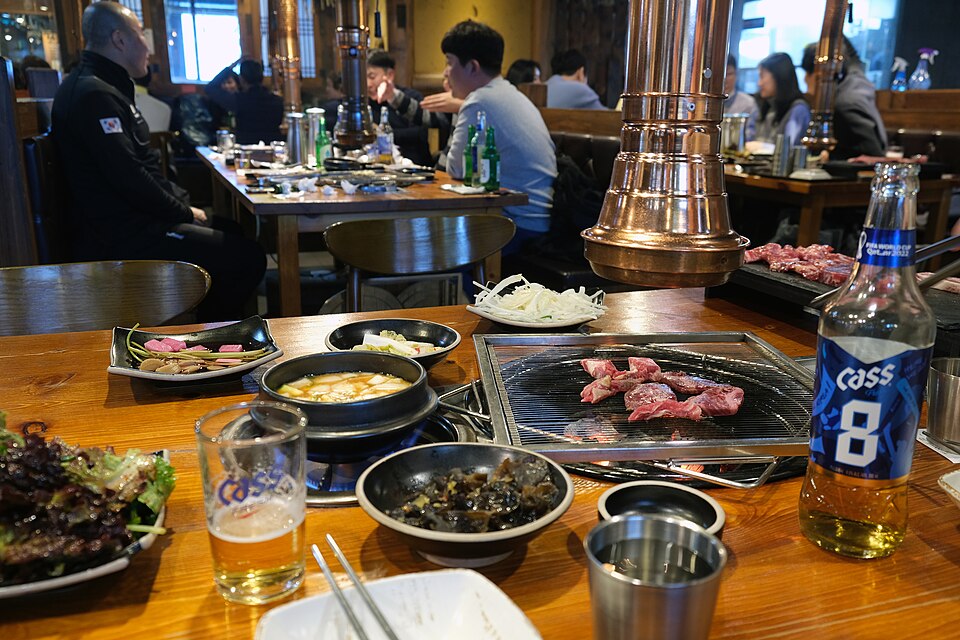
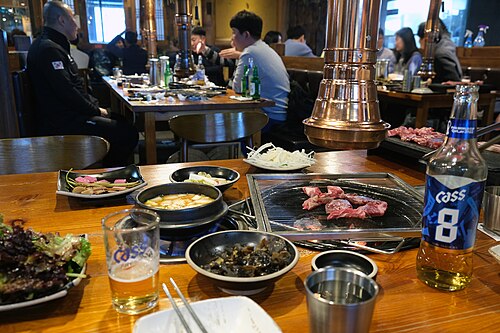
A Korean meal is communal: rice is personal, stews and grills are shared, and banchan are refilled without ceremony. Lettuce and perilla wraps (ssam) turn grilled pork into a handheld course.
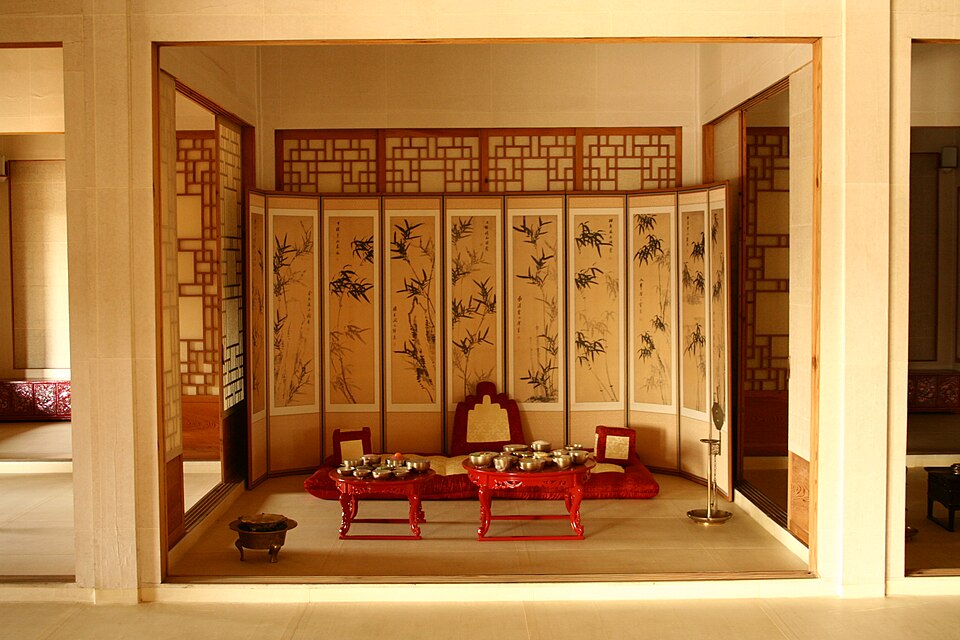
Soju and makgeolli punctuate barbecue. Elders are poured first; metal chopsticks and a long spoon (sujeo) are the default tools, not a tourist exception.
How it travels
K-food abroad often means barbecue, fried chicken and bibimbap bowls. What travels less well is the banchan economy — six to twelve small plates that make a home table feel complete.
Kimchi refrigerators, H Mart aisles and Korean-owned fried-chicken chains in US and Australian suburbs now form a parallel pantry, while Seoul chains reverse-import the diaspora's sweeter heat.
Taste deep dive
Heat, paste and chew
Hansik balances gochugaru heat against doenjang funk, then asks rice, noodles or lettuce to carry the load.
Heat, ferment, texture and pairing — plus how this language region cooks the same plates.
Heat
Gochugaru is fruitier and less sharp than many cayenne blends; heat builds across a meal rather than peaking in one sauce. Gochujang adds body and sweetness that chili oil alone cannot.
Regional heat is uneven: Jeolla stews can be milder than Busan-style jjamppong. Dakgalbi and tteokbokki are the street forms that taught export palates to expect red first.
Fermentation and sauce
Doenjang jjigae is the house stew: soybean paste, zucchini, tofu, sometimes clams. Ganjang is brewing soy, not a single supermarket splash. Jeotgal (salted seafood) seasons kimchi from underneath.
Makgeolli's lactic tang and the sour edge of well-aged kimchi are the same family of microbes. A Korean sauce plate is usually a trio: ssamjang, sesame oil with salt, and raw garlic or chili.
Texture
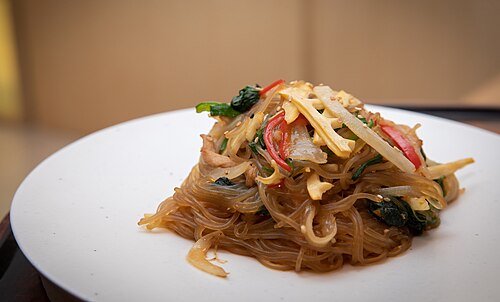
Chewy rice cakes (tteok), glass noodles (dangmyeon) in japchae, and the snap of well-fermented napa matter as much as spice. Korean fried chicken is twice-fried for a thin shatter, then tossed in yangnyeom or soy-garlic.
Barbecue fat is cut with ssam vegetables and ssamjang. Naengmyeon buckwheat noodles are meant to be snipped with scissors — a table tool, not a failure of the kitchen.
Pairing
Rice cools heat; soup (guk or tang) resets the palate between grilled courses. Soju's neutrality and beer's carbonation are the usual barbecue pair; makgeolli suits pajeon on rainy evenings.
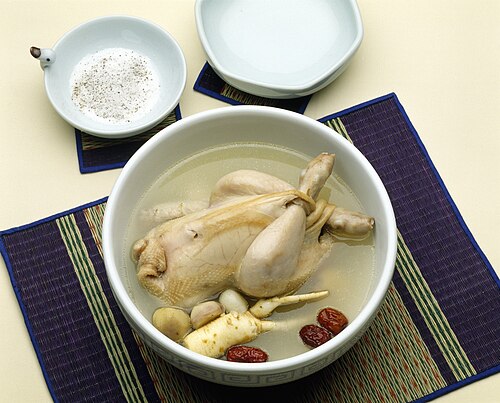
Ginseng chicken (samgyetang) is a summer stamina bowl, eaten steaming in July. Banchan sweetness — candied lotus, braised potatoes — is there to interrupt chili, not to decorate.
Fermented pastes, grill cultures and the East Asian street row that hansik both shares and argues with.
See-also cuisines, key terms, adjacent threads and regional notes for this language.
See also
🍣Japanese cuisineShared soybean ferments and a rice-plus-side logic, with Japan leaning toward dashi clarity over gochujang heat.
🥟Chinese cuisineNorthern Chinese wheat and chili techniques sit next to Korean jjigae and jajangmyeon, a dish Korea remade.
🍲Vietnamese cuisineAnother rice-and-herb table with a strong street layer, but nuoc mam rather than doenjang as the bass note.
🌮Mexican cuisineA cross-family link: chili-forward street food and a fermentation culture (kimchi vs. nixtamal and salsas) that export well.
Key terms
Gochujang
Fermented chili-soy-rice paste; sweet heat and the backbone of much modern hansik.
Doenjang
Aged soybean paste used in stews and as a raw dip with chilli and garlic.
Banchan
The revolving set of small shared plates that define a Korean table.
Kimjang
Communal late-autumn kimchi making, now a UNESCO-listed practice.
Ssam
Lettuce or perilla wrap around grilled meat, rice and ssamjang.
Jeotgal
Salted seafood condiment that seasons kimchi and some stews from below.
Agriculture
Napa cabbage, radish and chili fields set the kimjang calendar. Short-grain rice and the shift from barley in poorer decades still shape what counts as a full meal.
Yellow croaker, pollock and anchovy underwrite jeotgal and soup stocks. Jeju black pig and Hanwoo beef sit at the expensive end of the same agrarian map.
Labour and street vendors
Pojangmacha tents and market ajumma stalls still sell sundae, tteokbokki and hotteok after office hours. Delivery apps moved much of that labour indoors without erasing the night row.
Kimjang remains gendered household labour even when cabbage is store-bought. Restaurant barbecue outsources the grill to the diner — a labour transfer that looks like entertainment.
Diaspora
Los Angeles, New York, New Malden and Sydney Koreatowns carried hansik through church kitchens and grocers before K-pop made it fashionable.
Diaspora menus often sweeten heat and enlarge meat portions. Reverse influence is real: Seoul chains now sell the extra-crispy chicken styles perfected abroad.
Visual field notes
Licensed photographs of this cuisine — heroes, eras and icons on one wall.
국립국어원국립국어원by elle_rigbywjlee4284Takeawaykallerna국립국어원Sous ChefkallernaPopo le Chienwizdatakorea.net
The profile
Spice74
Umami90
Street food86
Technique78
Accessibility72
Price spread58
Read one street step beside one craft mark
On Korean cuisine, pair the first published street step with the first craft item — literacy, not a recipe rank.
Name the first street item — The street chapter opens with Sit and banchan on this cuisine file.
Name the first craft item — The craft chapter lists Kimjang week beside it.
Walk them as literacy — Read stall move and workshop move together — not a tested recipe or vendor league.
Scores are not restaurant ranks — Spice and street-food marks compare cuisines in this atlas, not tonight's shop safety.
Sit and banchan and Kimjang week on Korean cuisine teach how street and craft chapters talk to each other.
Literacy notes only. Not hygiene certificate, recipe, or booking.
Taste one signature beside one price band
Second literacy pass on Korean cuisine: pair the first published taste signature with the first market cost band — table reading, not a bill estimate.
Name the first taste signature — The taste chapter opens with Kimchi on this cuisine file.
Name the first cost band — The market chapter lists Street snack as a published price band.
Read them as table literacy — Signature and band teach how dishes sit beside money talk — not a live quote or booking.
Scores are not a dinner tab — Price-spread marks compare cuisines in this atlas, not tonight's receipt.
Kimchi beside Street snack on Korean cuisine is a second teaching pair — taste then table/price.
Literacy notes only. Not a price quote, recipe, or reservation.
Taste one signature beside one price band
Second literacy pass on Korean cuisine: pair the first published taste signature with the first market cost band — table reading, not a bill estimate.
Name the first taste signature — The taste chapter opens with Kimchi on this cuisine file.
Name the first cost band — The market chapter lists Street snack as a published price band.
Read them as table literacy — Signature and band teach how dishes sit beside money talk — not a live quote or booking.
Scores are not a dinner tab — Price-spread marks compare cuisines in this atlas, not tonight's receipt.
Kimchi beside Street snack on Korean cuisine is a second teaching pair — taste then table/price.
Literacy notes only. Not a price quote, recipe, or reservation.
Hansik (한식) is Korean cuisine organised around rice, soup or stew, and banchan. Kimchi is expected, not optional, even when the main is grilled meat.
Is all Korean food very spicy?
No. Many stews and soups are mild; heat concentrates in gochujang dishes, tteokbokki and some kimchi. Baek-kimchi and doenjang jjigae are common low-chili counters.
What is the difference between gochujang and gochugaru?
Gochugaru is dried chili flake. Gochujang is a fermented paste of chili, soybean and glutinous rice. They are not interchangeable spoon-for-spoon.
Why so many side dishes?
Banchan are the meal's vegetable and ferment layer. Restaurants refill them; at home they are yesterday's pickles, namul and a new kimchi.
Is Korean barbecue the everyday dinner?
It is a social and restaurant form. Weeknight tables more often hold rice, kimchi and a jjigae or leftover grilled fish.
What does kimjang mean?
Kimjang is the seasonal making and sharing of winter kimchi, typically in late autumn, now recognised by UNESCO as intangible heritage.
Are metal chopsticks required?
They are the domestic norm, paired with a spoon. First-timers are not judged for asking for wood, but metal is not a tourist stunt.
How did chili get into kimchi?
Capsicum reached Korea after the late-sixteenth-century wars and trade. Older white kimchi styles never disappeared.
How do I decide what to order at a stall or restaurant?
Use Decide what to order on each cuisine page: pick room and heat, then follow the published plate and pantry line. It is not a live menu or a reservation.
Is this a recipe I can cook from tonight?
No. The street chapter lists on-file steps and the craft chapter lists techniques already in this cuisine file. They are literacy notes, not a tested recipe, hygiene certificate, or restaurant booking.
What does pairing one street step with one craft mark show?
The pair on this hub sits one published street step beside one published craft item so you can see how a stall move and a workshop move belong to the same kitchen. It does not rank vendors or invent a new dish.
Are the spice and street-food scores a ranking of restaurants?
They are relative editorial marks among cuisines in this atlas, not a league table of shops. A high street-food score means the published street chapter is dense, not that a stall is safe today.
Why is Hungarian cuisine missing in some languages?
A language URL is published only when the seven chapters are real prose in that language. Hungarian pages exist in English, Korean, Japanese and Chinese. Spanish, French, German, Portuguese and Russian stay withheld until a native rewrite is finished — English is not shown under those URLs.
Embed this ranking
Paste this code into your blog or site — the ranking stays up to date.
Copied!
Similar cuisines
Closest neighbours on the six atlas axes — spice, umami, street food, technique, access and price spread.