Italian cuisine is municipal: Neapolitan pizza, Bolognese ragu (not "spaghetti bolognese"), Roman cacio e pepe, Sicilian street sweets, Ligurian pesto. A national menu is a tourist invention.
Accessibility 92 reflects how completely pasta and pizza colonised English-speaking weeknights. Technique 84 sits in dough, risotto stirring and the refusal to drown a pasta in sauce.
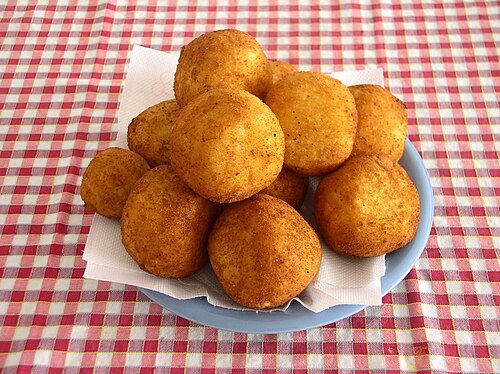
Chili is Calabrian and southern; the Po Valley cooks butter and sage. Street Italy is pizza al taglio, arancini and a bakery, not a night-market chili row.
Deep introduction
How Italian cuisine holds together
Italian cuisine is organised by wine / cheese / salumi and pasta / bread / risotto.
Regions, pantry, table manners and travel — plus a lens tuned to this language region.
Regional diversity
Emilia is stuffed pasta and pork; Campania is tomato and pizza; Sicily is Arab-Norman sweets and street food; the Veneto is rice and bitter drinks.
"Italian" in a single trattoria abroad is usually a greatest-hits list from three regions.
Pantry and ferments
Olive oil south and centre, butter north. Parmigiano, pecorino, mozzarella di bufala and salumi are the aged wall.
Tomato, garlic and wine are the wet pantry. Chili flakes (peperoncino) are a southern habit.
How people eat
Primo (pasta/risotto) then secondo (protein) is the home-and-Sunday grammar; a single pasta bowl is the weekday and the export.
Cappuccino after 11 a.m. is the tourist tell. Cheese on seafood pasta is a fight some rooms will still pick.
How it travels
Pizza and pasta remade world weeknights.
What travels poorly is the regional refusal — a Ligurian would not recognise a "Tuscan" chain menu as home.
Taste deep dive
Taste and craft of Italian cuisine
Heat, wine / cheese / salumi, texture and pairing in Italian cuisine.
Heat, ferment, texture and pairing — plus how this language region cooks the same plates.
Heat
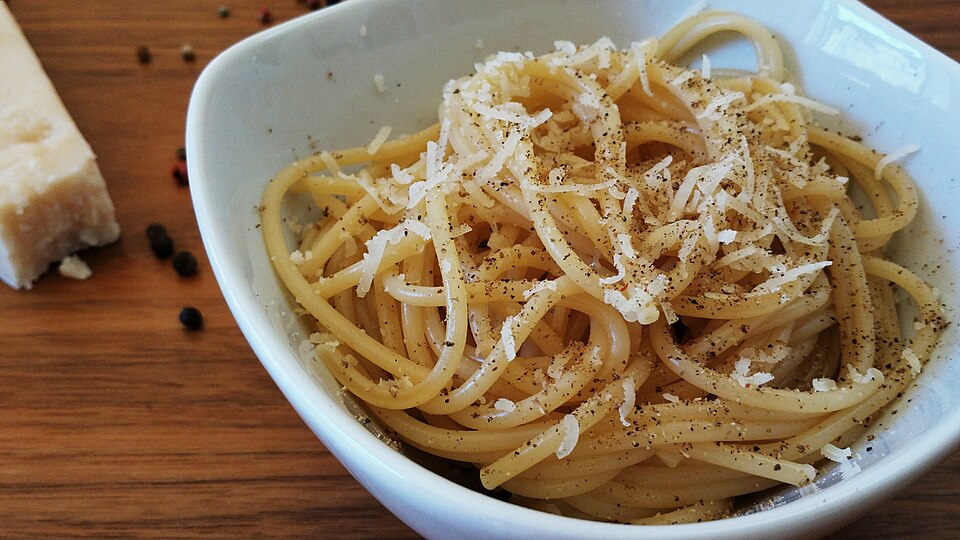
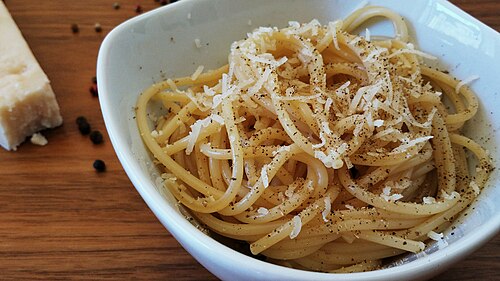
Spice 32: peperoncino in the south, black pepper in cacio e pepe, otherwise mild.
Arrabbiata is a chili pasta, not the national default.
Fermentation and sauce
Soffritto (onion-carrot-celery) and soffritto's southern garlic-chili cousins. Wine and tomato reductions.
Aged cheese is the umami, not a fermented bean paste.
Texture
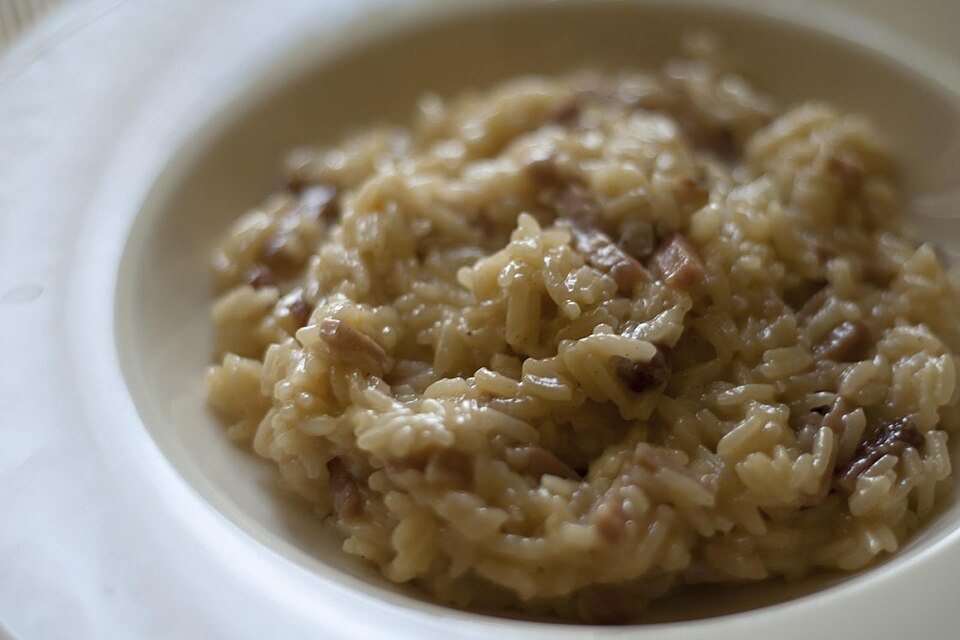
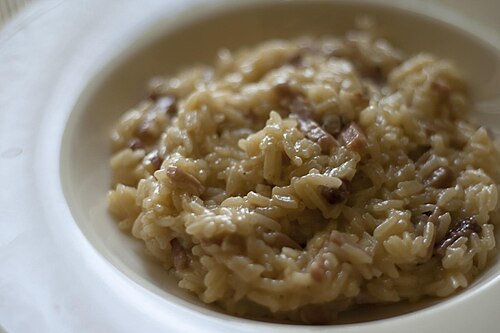
Pasta al dente is a line in the sand. Pizza should have leopard char and a living dough. Risotto is all'onda — wavy, not a brick.
Gelato density is a craft, not supermarket ice cream.
Pairing
Wine is regional pairing. Bread mops sauce.
A pasta course is not supposed to come with a side of more pasta.
🥟Chinese cuisineCross-family: two dough civilisations that turned wheat into a national argument.
Key terms
Al dente
Pasta firm to the bite.
Soffritto
Aromatic base of many northern and central sauces.
DOP
Protected origin for cheese, oil, produce.
Primo / secondo
Pasta or rice course, then protein.
Peperoncino
Southern chili.
Nonna
The grandmother as culinary authority — a real labour story, not only a brand.
Agriculture
The crops behind Al dente and Neapolitan pizza still set the calendar of Italian cuisine.
Export demand now pulls those crops into a different price season than the home table remembers.
Labour and street vendors
Stall cooks and market women still make the public face of Italian cuisine in Naples pizza ovens.
Delivery apps moved labour indoors without erasing the night row.
Diaspora
Overseas kitchens taught new cities to say Neapolitan pizza before they learned the home pot.
Reverse influence is real: sweetness and crunch invented abroad now show up "back home".
Visual field notes
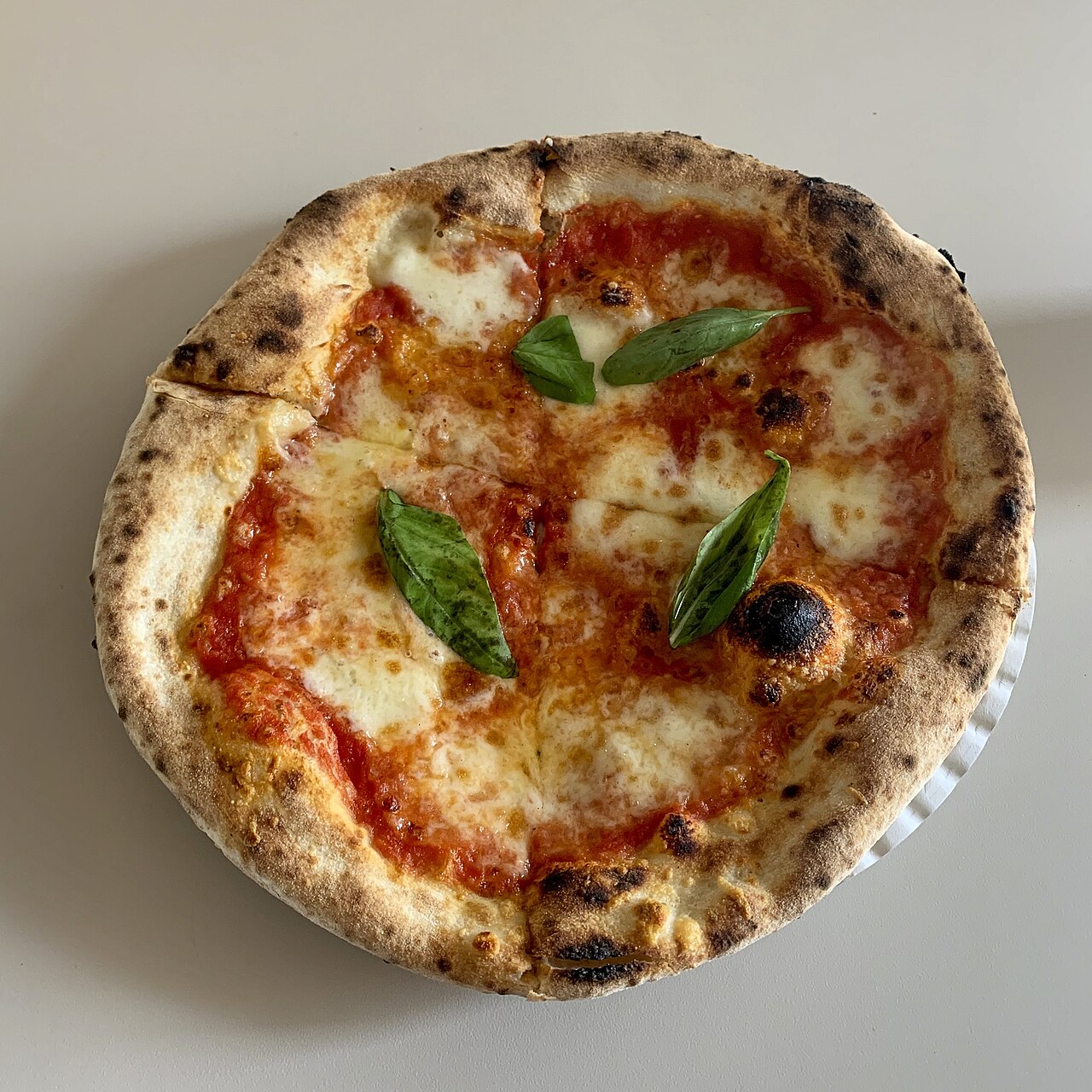
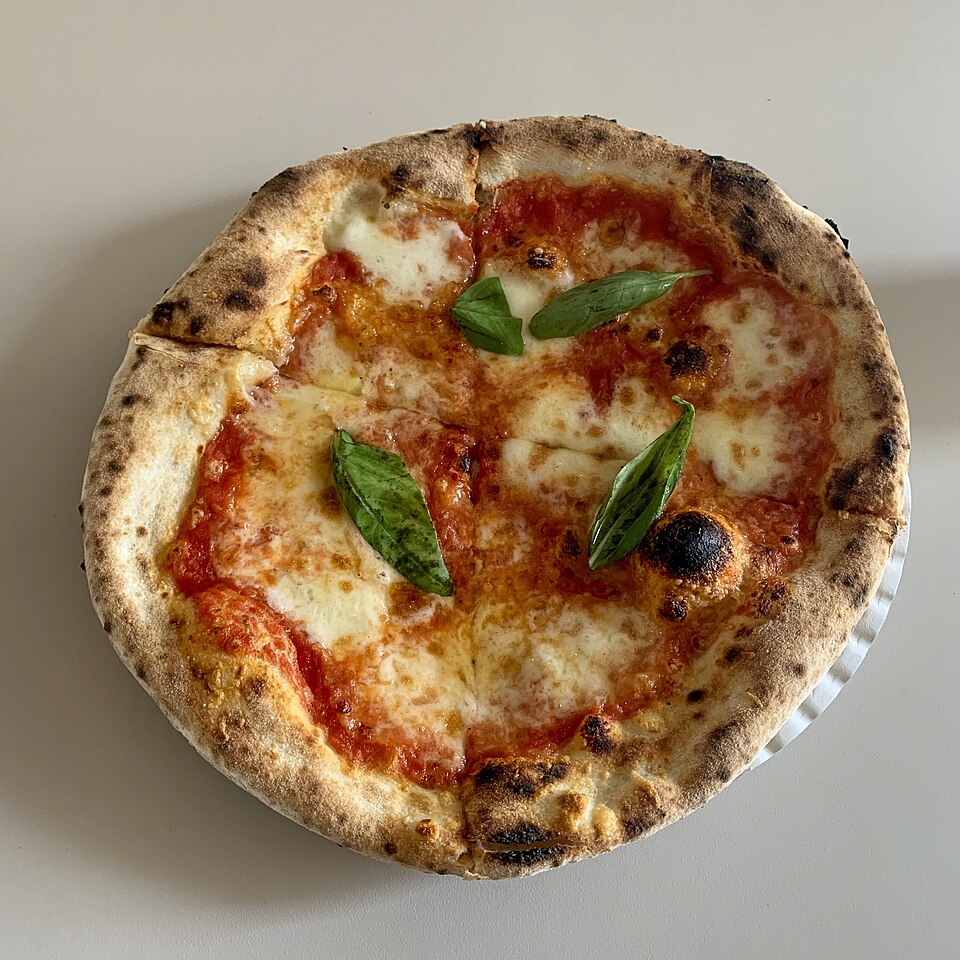
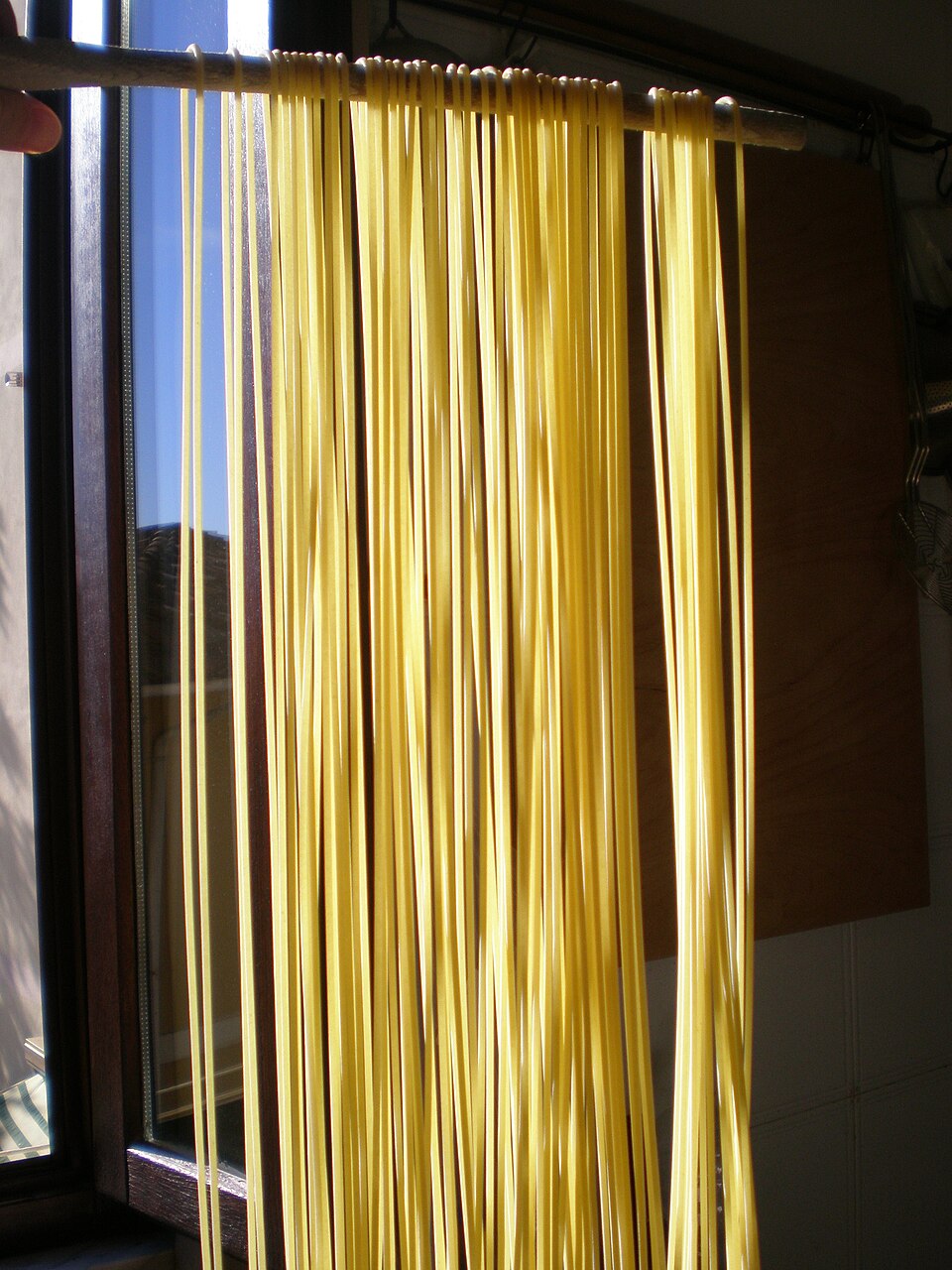
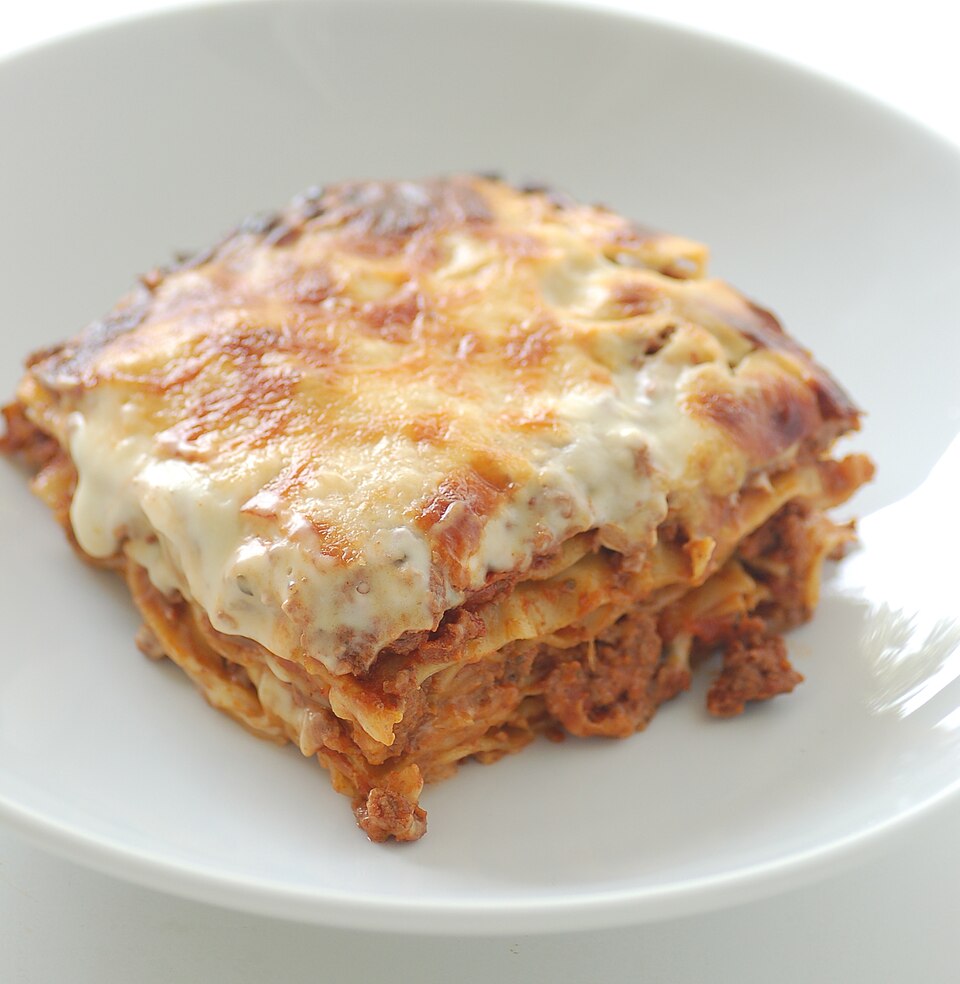
Licensed photographs of this cuisine — heroes, eras and icons on one wall.
Bex Walton from London, EnglandBex Walton from London, EnglandNnalucijules / stonesoupLuca Nebuloni from Milan, ItalyPopo le ChienNnalucijules / stonesoupLuca Nebuloni from Milan, ItalyPopo le ChienNo machine-readable author provided. Gmelfi assumed (based on copyright claims).Raffaele Diomede from Pordenone, ITALIA
The profile
Spice32
Umami70
Street food55
Technique84
Accessibility92
Price spread70
Read one street step beside one craft mark
On Italian cuisine, pair the first published street step with the first craft item — literacy, not a recipe rank.
Name the first street item — The street chapter opens with Read the room on this cuisine file.
Name the first craft item — The craft chapter lists Festival table beside it.
Walk them as literacy — Read stall move and workshop move together — not a tested recipe or vendor league.
Scores are not restaurant ranks — Spice and street-food marks compare cuisines in this atlas, not tonight's shop safety.
Read the room and Festival table on Italian cuisine teach how street and craft chapters talk to each other.
Literacy notes only. Not hygiene certificate, recipe, or booking.
Taste one signature beside one price band
Second literacy pass on Italian cuisine: pair the first published taste signature with the first market cost band — table reading, not a bill estimate.
Name the first taste signature — The taste chapter opens with Neapolitan pizza on this cuisine file.
Name the first cost band — The market chapter lists Street snack as a published price band.
Read them as table literacy — Signature and band teach how dishes sit beside money talk — not a live quote or booking.
Scores are not a dinner tab — Price-spread marks compare cuisines in this atlas, not tonight's receipt.
Neapolitan pizza beside Street snack on Italian cuisine is a second teaching pair — taste then table/price.
Literacy notes only. Not a price quote, recipe, or reservation.
Taste one signature beside one price band
Second literacy pass on Italian cuisine: pair the first published taste signature with the first market cost band — table reading, not a bill estimate.
Name the first taste signature — The taste chapter opens with Neapolitan pizza on this cuisine file.
Name the first cost band — The market chapter lists Street snack as a published price band.
Read them as table literacy — Signature and band teach how dishes sit beside money talk — not a live quote or booking.
Scores are not a dinner tab — Price-spread marks compare cuisines in this atlas, not tonight's receipt.
Neapolitan pizza beside Street snack on Italian cuisine is a second teaching pair — taste then table/price.
Literacy notes only. Not a price quote, recipe, or reservation.
Cucina italiana is a late national idea over older city kitchens. Tomato arrived from the Americas; pasta industrialised in the south; risotto stayed a northern rice craft. Nonna is the brand; the map is the truth.
Is it always spicy?
Italian cuisine sits at spice 32 in this atlas. Neapolitan pizza and Spaghetti al pomodoro show the range better than a single heat number.
What should a first meal include?
Neapolitan pizza plus one regional plate — not only the export icon.
What is Al dente?
Pasta firm to the bite.
How do people eat at home?
Accessibility 92 reflects how completely pasta and pizza colonised English-speaking weeknights. Technique 84 sits in dough, risotto stirring and the refusal to drown a pasta in sauce.
What travels poorly?
The home pantry around Al dente and the labour behind Spaghetti al pomodoro rarely fit a takeaway box.
Are restaurant versions "authentic"?
Restaurant Italian cuisine is one register. Home pots and market stalls are others. Authenticity is a marketing word; technique is not.
Where does the native name appear?
Cucina italiana is the local name used in this atlas beside Italian cuisine.
How do I decide what to order at a stall or restaurant?
Use Decide what to order on each cuisine page: pick room and heat, then follow the published plate and pantry line. It is not a live menu or a reservation.
Is this a recipe I can cook from tonight?
No. The street chapter lists on-file steps and the craft chapter lists techniques already in this cuisine file. They are literacy notes, not a tested recipe, hygiene certificate, or restaurant booking.
What does pairing one street step with one craft mark show?
The pair on this hub sits one published street step beside one published craft item so you can see how a stall move and a workshop move belong to the same kitchen. It does not rank vendors or invent a new dish.
Are the spice and street-food scores a ranking of restaurants?
They are relative editorial marks among cuisines in this atlas, not a league table of shops. A high street-food score means the published street chapter is dense, not that a stall is safe today.
Why is Hungarian cuisine missing in some languages?
A language URL is published only when the seven chapters are real prose in that language. Hungarian pages exist in English, Korean, Japanese and Chinese. Spanish, French, German, Portuguese and Russian stay withheld until a native rewrite is finished — English is not shown under those URLs.
Embed this ranking
Paste this code into your blog or site — the ranking stays up to date.
Copied!
Similar cuisines
Closest neighbours on the six atlas axes — spice, umami, street food, technique, access and price spread.