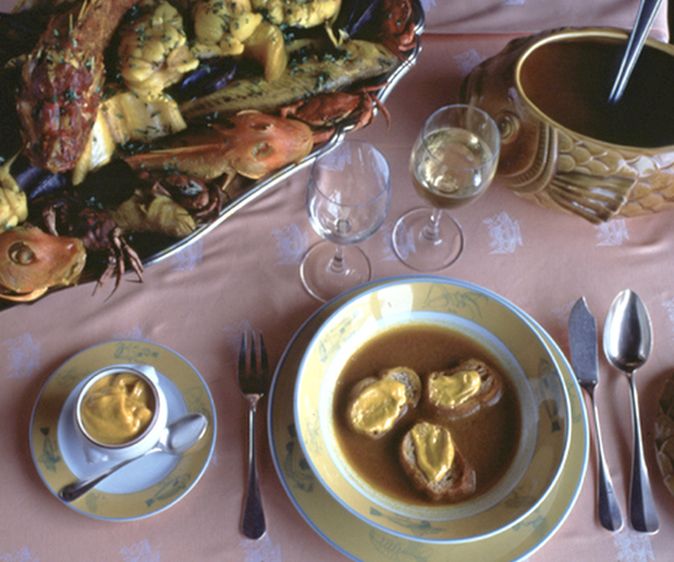
French cuisine is regional before it is Parisian: Provençal olive and garlic, Breton butter and cider, Alsatian choucroute, Lyonnais offal, Basque chili-adjacent piperade. The baguette and the stockpot are the national tools.
Technique 94 in this atlas is not a compliment to every bistro. It marks mother sauces, pastry lamination, wine pairing and a restaurant culture that trained half the world's fine dining.
Street France is thin: bakery queues, roast-chicken trucks, market oysters. The meal is still a table with bread, not a stool and a wok.
Deep introduction
How French cuisine holds together
French cuisine is organised by wine / cheese / charcuterie and bread.
Regions, pantry, table manners and travel — plus a lens tuned to this language region.
Regional diversity
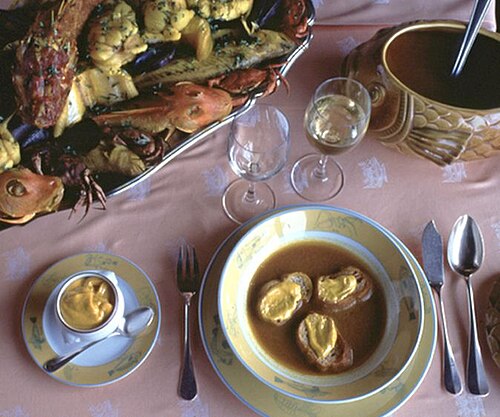
Provence, Brittany, Alsace, Southwest and Lyon are mutually unintelligible tables.
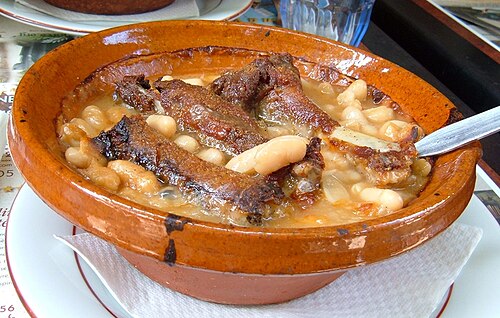
Paris concentrates restaurants; it does not erase cassoulet country or the butter line west of the Loire.
Pantry and ferments
Butter, cream, wine, stock and cheese are the north-central bass. Olive oil and garlic take the south.
Charcuterie and cheese are fermented/aged systems as serious as any Asian jar wall.
How people eat
Courses: starter, main, cheese or dessert, bread throughout. Wine is a food.
Tipping is service compris. The diner does not customise a sauce like a burrito bar.
How it travels
Bistro and pastry colonised the world. Home pot-au-feu did not.
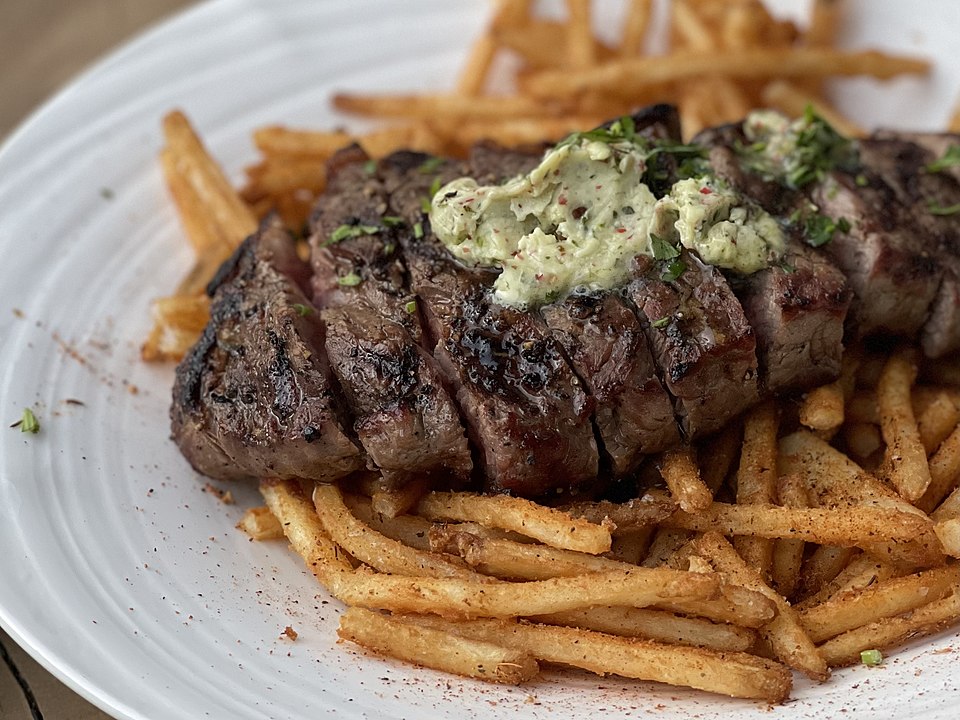
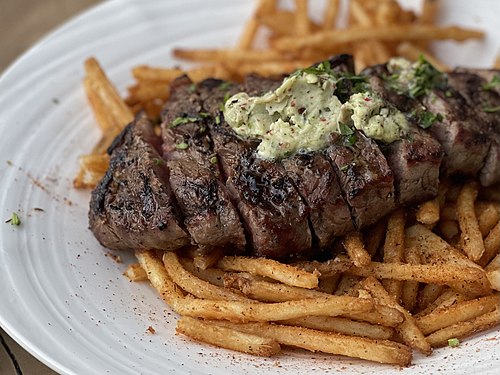
Overseas "French" is often steak-frites and a croissant; the regional map stays in France.
Taste deep dive
Taste and craft of French cuisine
Heat, wine / cheese / charcuterie, texture and pairing in French cuisine.
Heat, ferment, texture and pairing — plus how this language region cooks the same plates.
Heat
Chili is peripheral (Espelette, harissa in immigrant kitchens). Pepper, mustard and wine acidity do the sharp work.
Spice 22 is among the atlas lows, with Sweden.
Fermentation and sauce
Mother sauces and reductions are the craft. Wine and stock replace fish-sauce funk.
Cheese is a course and a ferment, not a garnish.
Texture
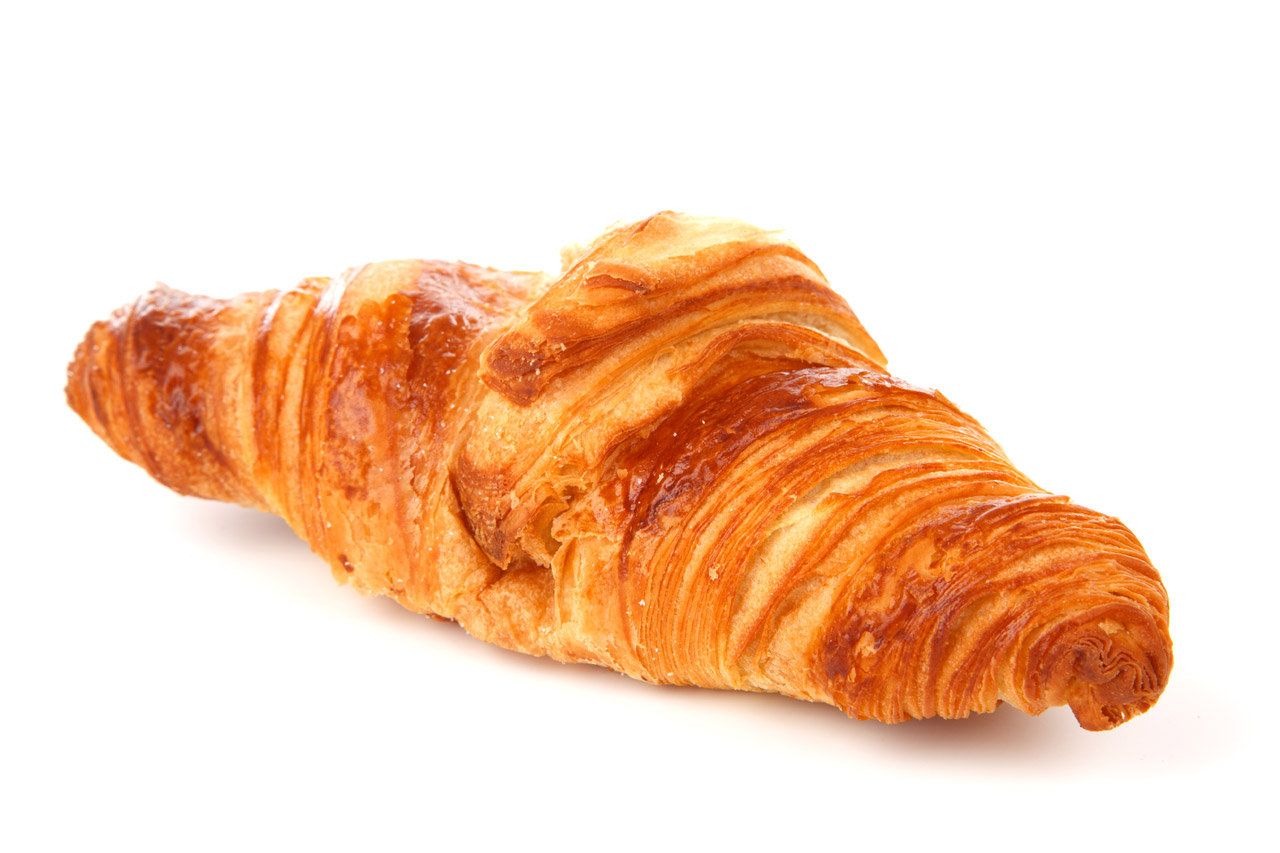
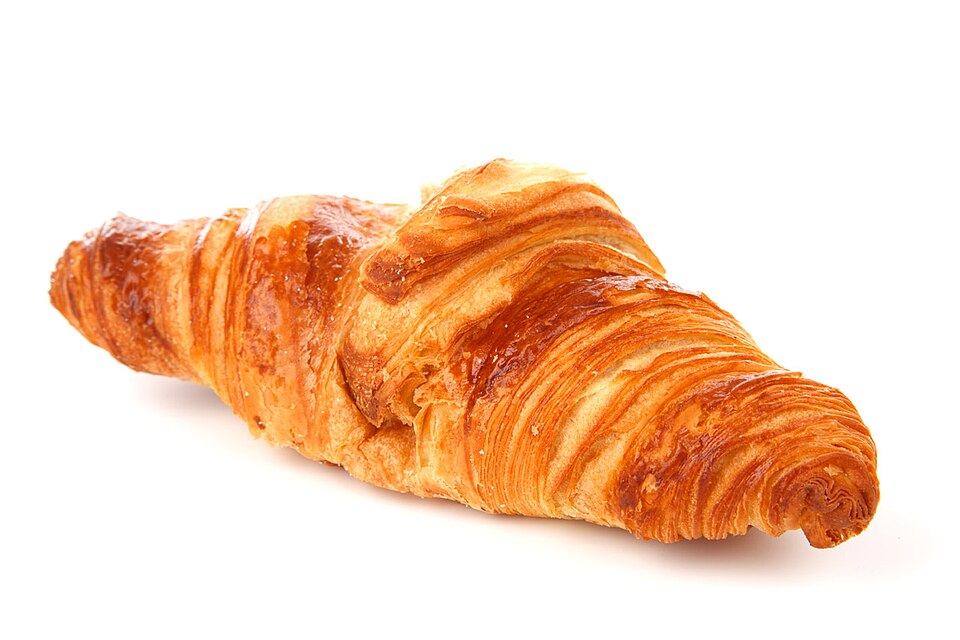
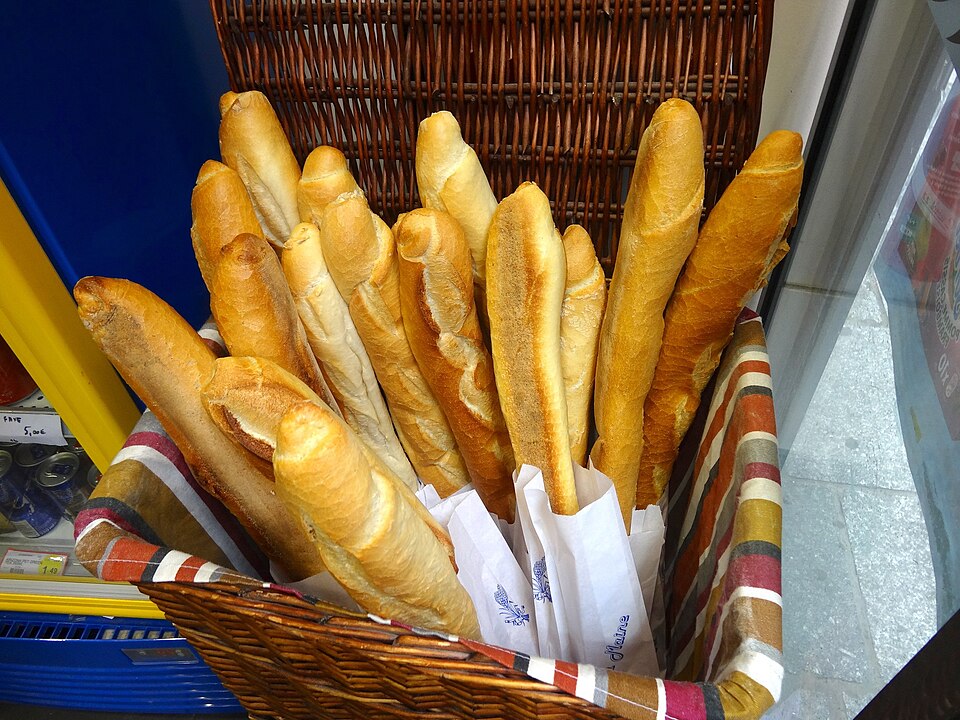
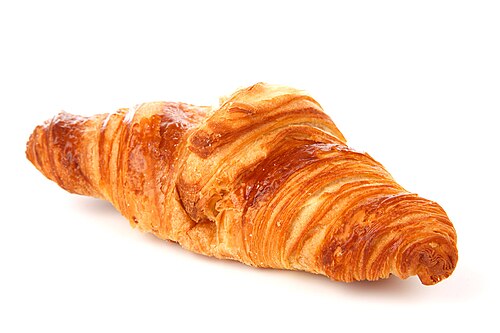
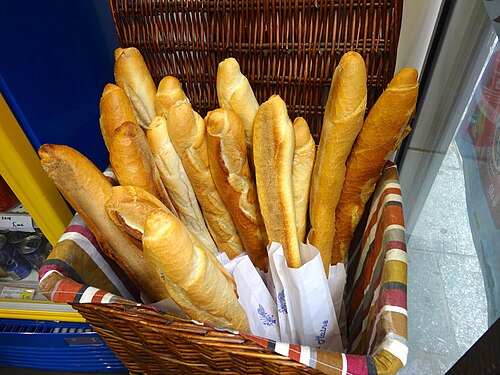
Lamination in croissant and puff; baguette crust; the silk of a proper sauce.
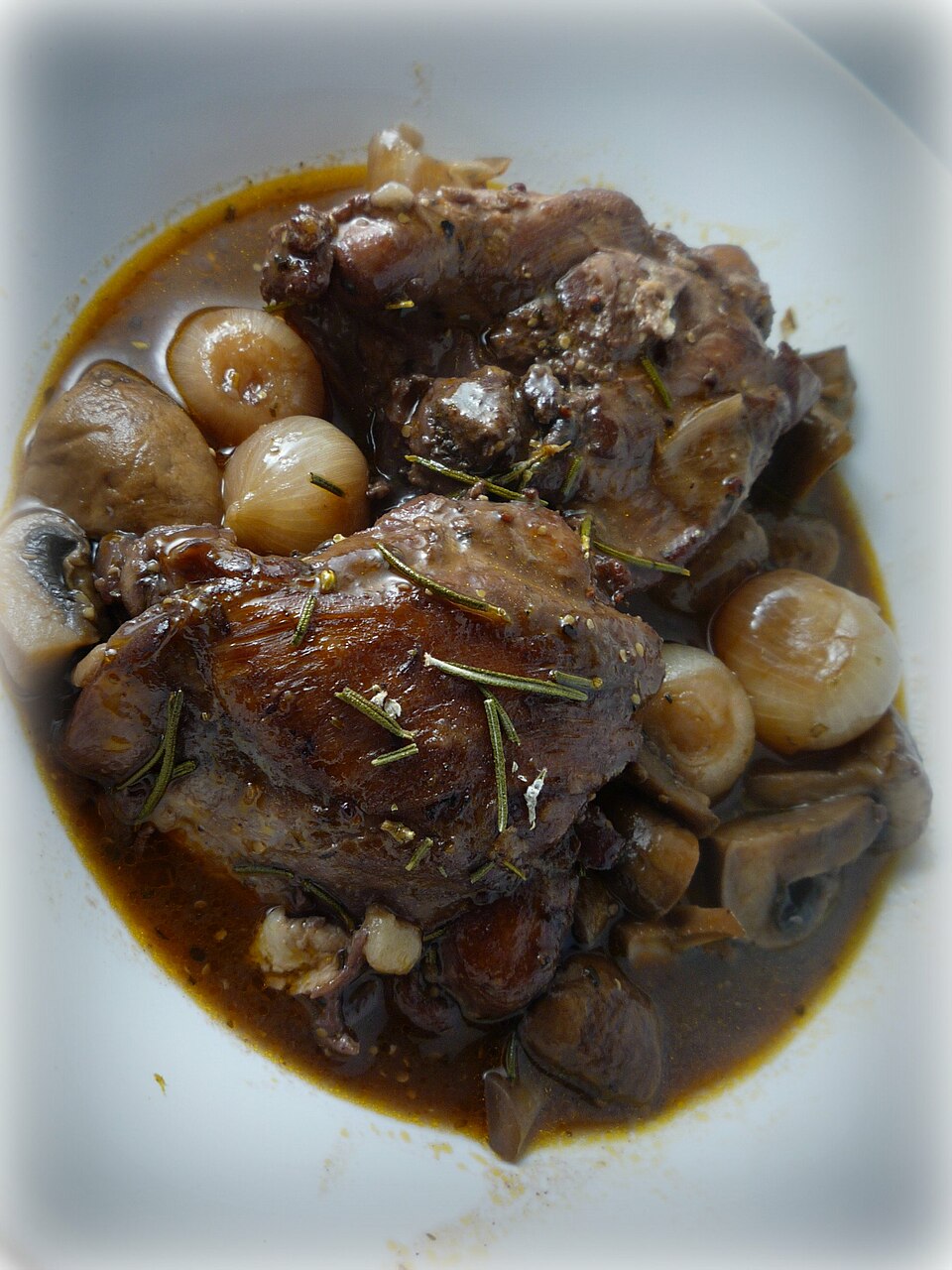
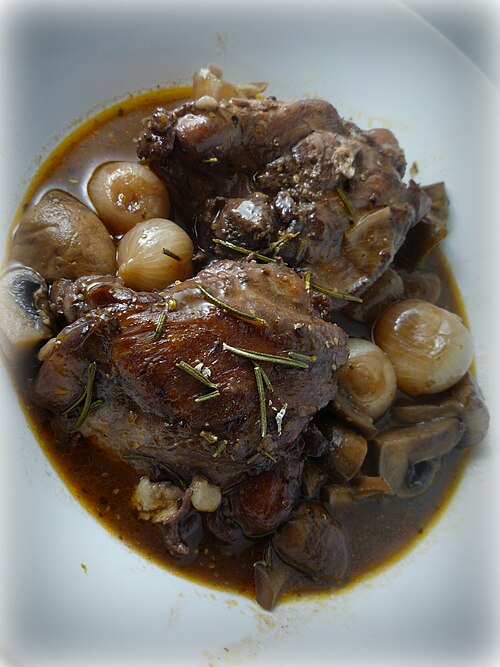
A stew should be glazed, not watery.
Pairing
Wine is the pairing system. Bread resets the plate.
European neighbours and Japan as a fellow technique-and-season conversation.
See-also cuisines, key terms, adjacent threads and regional notes for this language.
See also
🍝Italian cuisineA neighbour that kept the tomato and the nonna and exported pasta instead of mother sauces.
🥘Spanish cuisineA southern neighbour of olive oil, wine and a later tapas export.
🥧British cuisineA Channel neighbour that borrowed the restaurant brigade and kept its own pie-and-roast table.
🍣Japanese cuisineCross-family: kaiseki and haute cuisine recognised each other as seasonal craft.
Key terms
Mirepoix
Onion-carrot-celery base of stocks and stews.
Terroir
Taste of place; wine and cheese ideology.
Brigade
Escoffier kitchen hierarchy still used worldwide.
AOC/AOP
Protected origin labels for cheese, wine, produce.
Charcuterie
Cured and cooked pork crafts.
Baguette
The daily bread, not a side.
Agriculture
The crops behind Mirepoix and Croissant still set the calendar of French cuisine.
Export demand now pulls those crops into a different price season than the home table remembers.
Labour and street vendors
Stall cooks and market women still make the public face of French cuisine in Lyon bouchons.
Delivery apps moved labour indoors without erasing the night row.
Diaspora
Overseas kitchens taught new cities to say Croissant before they learned the home pot.
Reverse influence is real: sweetness and crunch invented abroad now show up "back home".
Visual field notes
Licensed photographs of this cuisine — heroes, eras and icons on one wall.
Petr KratochvilPetr KratochvilNick ThweattBeck from East Midlands, United KingdonSlasticMissvainPetr KratochvilNick ThweattBeck from East Midlands, United KingdonSlasticMissvainBrokenSphere
The profile
Spice22
Umami64
Street food35
Technique94
Accessibility80
Price spread92
Read one street step beside one craft mark
On French cuisine, pair the first published street step with the first craft item — literacy, not a recipe rank.
Name the first street item — The street chapter opens with Read the room on this cuisine file.
Name the first craft item — The craft chapter lists Festival table beside it.
Walk them as literacy — Read stall move and workshop move together — not a tested recipe or vendor league.
Scores are not restaurant ranks — Spice and street-food marks compare cuisines in this atlas, not tonight's shop safety.
Read the room and Festival table on French cuisine teach how street and craft chapters talk to each other.
Literacy notes only. Not hygiene certificate, recipe, or booking.
Taste one signature beside one price band
Second literacy pass on French cuisine: pair the first published taste signature with the first market cost band — table reading, not a bill estimate.
Name the first taste signature — The taste chapter opens with Croissant on this cuisine file.
Name the first cost band — The market chapter lists Street snack as a published price band.
Read them as table literacy — Signature and band teach how dishes sit beside money talk — not a live quote or booking.
Scores are not a dinner tab — Price-spread marks compare cuisines in this atlas, not tonight's receipt.
Croissant beside Street snack on French cuisine is a second teaching pair — taste then table/price.
Literacy notes only. Not a price quote, recipe, or reservation.
Taste one signature beside one price band
Second literacy pass on French cuisine: pair the first published taste signature with the first market cost band — table reading, not a bill estimate.
Name the first taste signature — The taste chapter opens with Croissant on this cuisine file.
Name the first cost band — The market chapter lists Street snack as a published price band.
Read them as table literacy — Signature and band teach how dishes sit beside money talk — not a live quote or booking.
Scores are not a dinner tab — Price-spread marks compare cuisines in this atlas, not tonight's receipt.
Croissant beside Street snack on French cuisine is a second teaching pair — taste then table/price.
Literacy notes only. Not a price quote, recipe, or reservation.
French cuisine grew from regional peasant pots and a court that professionalised sauce and service. Cuisine française is both grandmotherly daube and the brigade system the world still copies.
Is it always spicy?
French cuisine sits at spice 22 in this atlas. Croissant and Baguette show the range better than a single heat number.
What should a first meal include?
Croissant plus one regional plate — not only the export icon.
What is Mirepoix?
Onion-carrot-celery base of stocks and stews.
How do people eat at home?
Technique 94 in this atlas is not a compliment to every bistro. It marks mother sauces, pastry lamination, wine pairing and a restaurant culture that trained half the world's fine dining.
What travels poorly?
The home pantry around Mirepoix and the labour behind Baguette rarely fit a takeaway box.
Are restaurant versions "authentic"?
Restaurant French cuisine is one register. Home pots and market stalls are others. Authenticity is a marketing word; technique is not.
Where does the native name appear?
Cuisine française is the local name used in this atlas beside French cuisine.
How do I decide what to order at a stall or restaurant?
Use Decide what to order on each cuisine page: pick room and heat, then follow the published plate and pantry line. It is not a live menu or a reservation.
Is this a recipe I can cook from tonight?
No. The street chapter lists on-file steps and the craft chapter lists techniques already in this cuisine file. They are literacy notes, not a tested recipe, hygiene certificate, or restaurant booking.
What does pairing one street step with one craft mark show?
The pair on this hub sits one published street step beside one published craft item so you can see how a stall move and a workshop move belong to the same kitchen. It does not rank vendors or invent a new dish.
Are the spice and street-food scores a ranking of restaurants?
They are relative editorial marks among cuisines in this atlas, not a league table of shops. A high street-food score means the published street chapter is dense, not that a stall is safe today.
Why is Hungarian cuisine missing in some languages?
A language URL is published only when the seven chapters are real prose in that language. Hungarian pages exist in English, Korean, Japanese and Chinese. Spanish, French, German, Portuguese and Russian stay withheld until a native rewrite is finished — English is not shown under those URLs.
Embed this ranking
Paste this code into your blog or site — the ranking stays up to date.
Copied!
Similar cuisines
Closest neighbours on the six atlas axes — spice, umami, street food, technique, access and price spread.