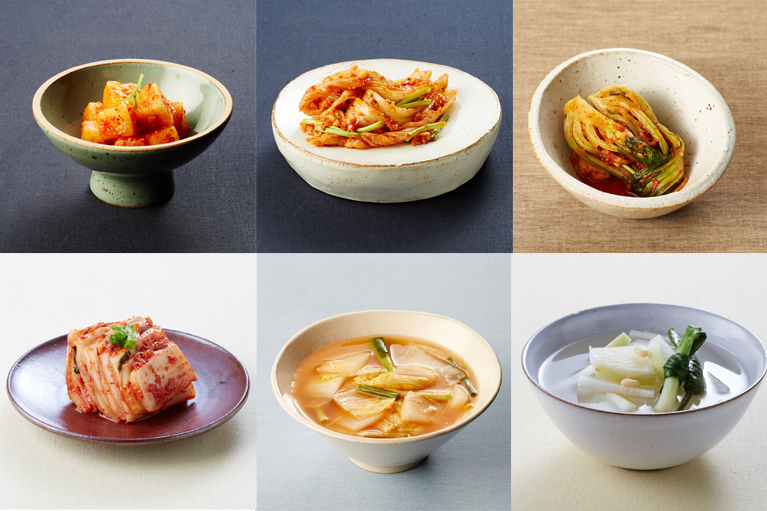
Neolithic–Three Kingdoms
Jars and grain
Millet, rice and onggi fermentation set a pantry that already thought in seasons and salt.
Korean cuisine · Fermented heat and shared grills: kimchi, gochujang and banchan from the Korean Peninsula.
Milestones in order. This is history, not a weekly activity grid.
Darker cells mean a higher score for this topic on that metric.
LessMore
Last reviewed Sources & creditsMedia creditsMethodology
Hansik (한식) is Korean cuisine organised around rice, soup or stew, and banchan. Kimchi is expected, not optional, even when the main is grilled meat.
No. Many stews and soups are mild; heat concentrates in gochujang dishes, tteokbokki and some kimchi. Baek-kimchi and doenjang jjigae are common low-chili counters.
Gochugaru is dried chili flake. Gochujang is a fermented paste of chili, soybean and glutinous rice. They are not interchangeable spoon-for-spoon.
Banchan are the meal's vegetable and ferment layer. Restaurants refill them; at home they are yesterday's pickles, namul and a new kimchi.
It is a social and restaurant form. Weeknight tables more often hold rice, kimchi and a jjigae or leftover grilled fish.
Kimjang is the seasonal making and sharing of winter kimchi, typically in late autumn, now recognised by UNESCO as intangible heritage.
Hansik did not begin as a chili cuisine. The older structure is grain, soup, fermented soybean and a seasonal pickle that only later turned red.
Court surasang, village kimjang and postwar street stalls are three different engines that still share one table grammar.
한식 (hansik) grew from millet and rice farming, onggi jar fermentation and a court table that later met New World chili after the Imjin War. Kimchi predates the red paste now associated with it.
Earthenware jars on the peninsula already held pickled vegetables and soybean pastes.
Unified Silla banquet records show rice, meat and fermented sides in ranked service.
Goryeo court cooking absorbed Buddhist vegetarian pressure; temple namul habits lingered.
Joseon royal cuisine (surasang) fixed the rice-soup-banchan grammar still visible in hansik.
Capsicum entered Korean kitchens after the Imjin War and East Asian trade, later reddening kimchi.
Cookbooks record gochujang as a household paste, not a novelty.
Japanese rule industrialised soy brewing and disrupted court kitchens; some dishes went underground or rural.
War and US aid flour reshaped snacks and noodles; refugees carried northern naengmyeon south.
The Games pushed Korean restaurants onto a wider tourist map without yet creating a global K-food brand.
UNESCO inscribed kimjang, just as K-pop and fried-chicken chains accelerated overseas demand.
Millet, rice and onggi fermentation set a pantry that already thought in seasons and salt.
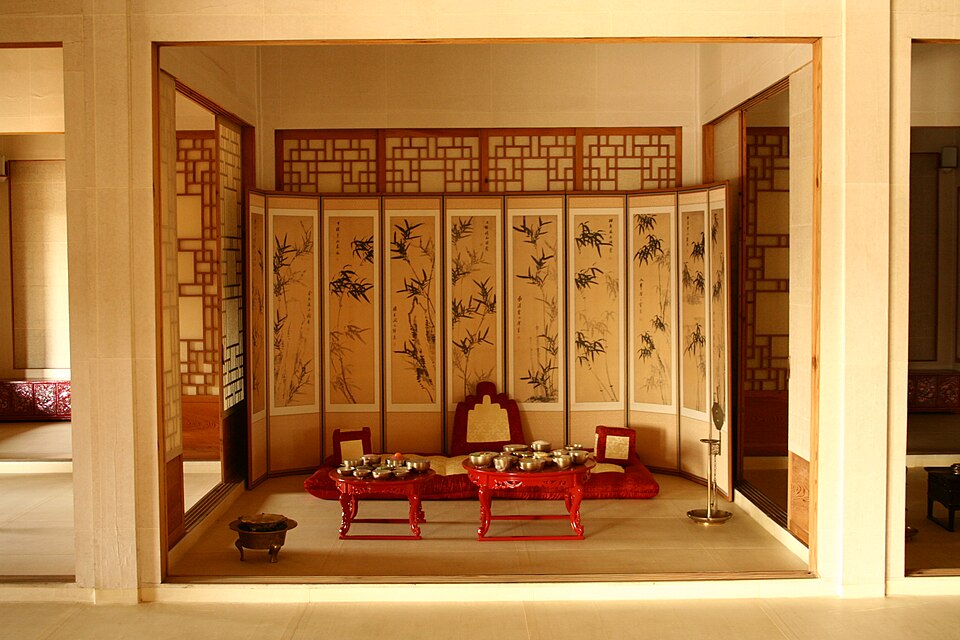
Surasang formality and village kimjang ran in parallel; chili later rewrote the colour of the pickle.
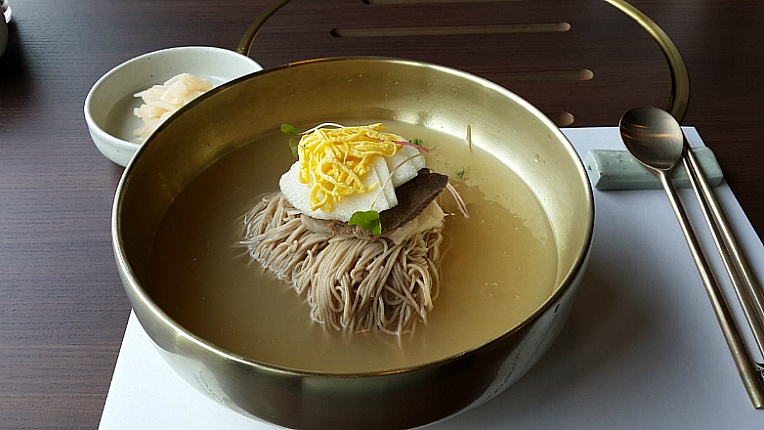
Industrial soy, wartime scarcity and partition split northern noodle houses from southern stews.
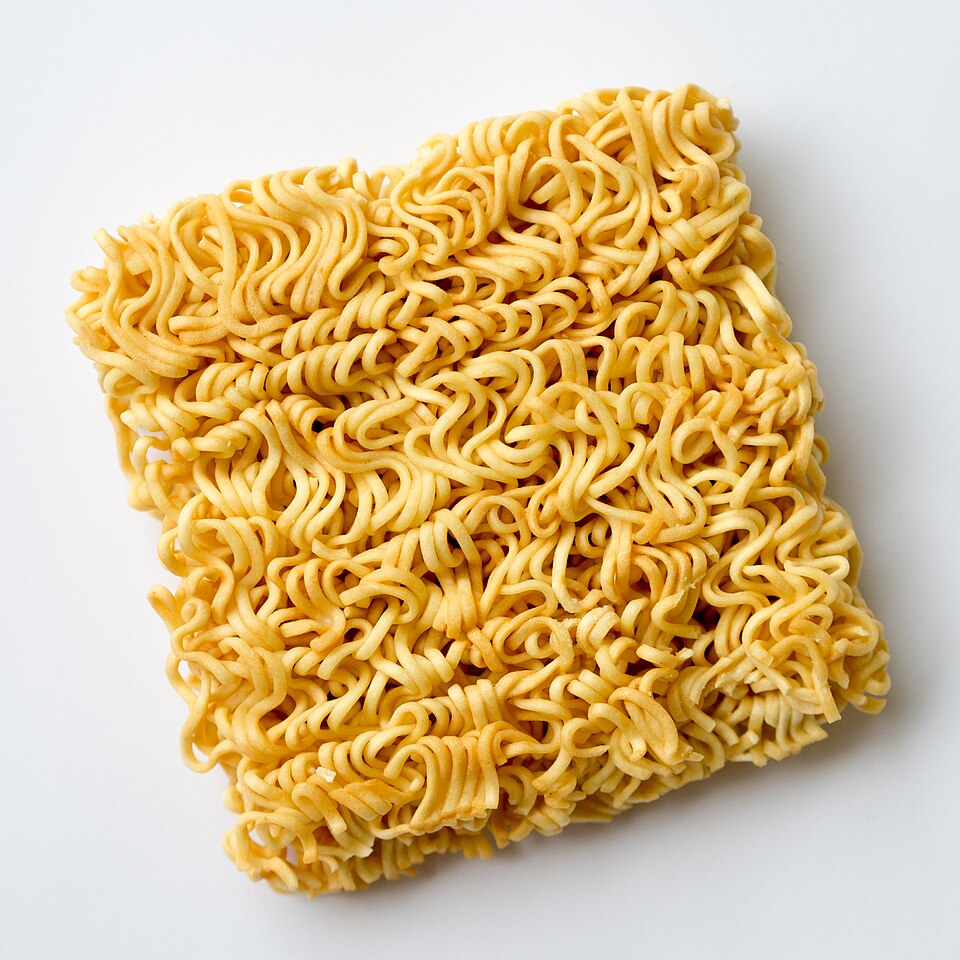
Factory kimchi, instant ramyeon and apartment kitchens made banchan partly commercial.
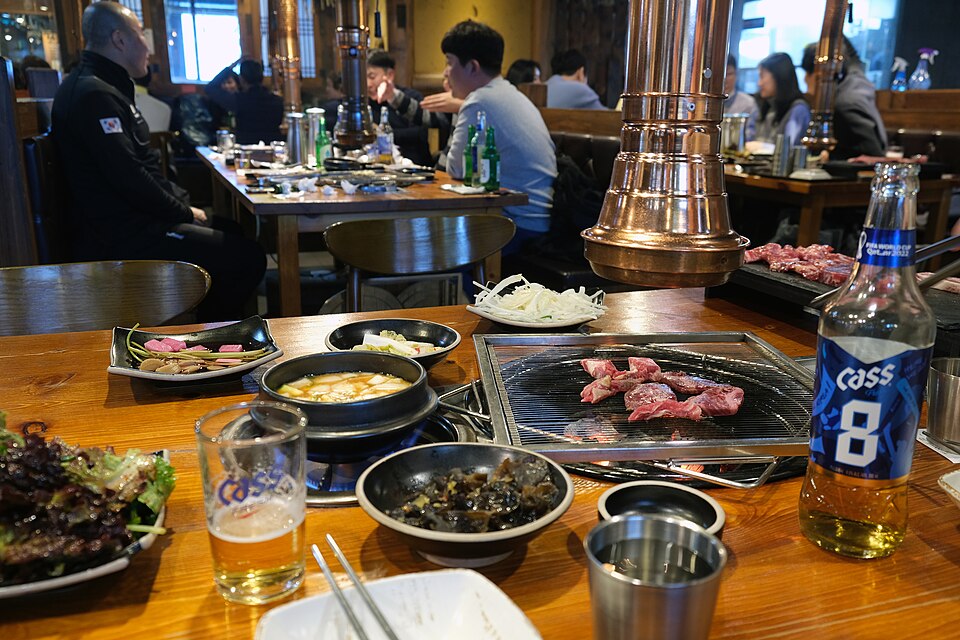
Barbecue, fried chicken and bibimbap became the export face; kimjang stayed a domestic season.
Gochugaru turned a white ferment red and created the kimchi the world now pictures.
The seasonal labour of making kimchi was recognised as heritage, not just a recipe.
Self-grill restaurants and K-entertainment made gogi-gui a default overseas Korean meal.
Reading Korean food history as "always spicy" misses white kimchi, temple namul and the northern noodle houses that arrived south as memory rather than tourism.
Dashi, rice and seasonal restraint: washoku from sushi counters to home miso soup.
Overall 72 🥟Eight great traditions, one wok logic: soy, rice, wheat and the regional map behind "Chinese food".
Overall 80 🍲Herbs, nuoc mam and a French-colonial overlay: pho, banh mi and the regional split from Hanoi to the Mekong.
Overall 68 🌶️Hot, sour, salty, sweet: nam prik, fish sauce and the regional map from Bangkok street to Isan grilled chicken.
Overall 77