Malaysian cuisine is eaten as Malay, Chinese and Indian plates that share hawker centres and sambal. Nasi lemak, Penang laksa and roti canai are not fusion experiments — they are the everyday map.
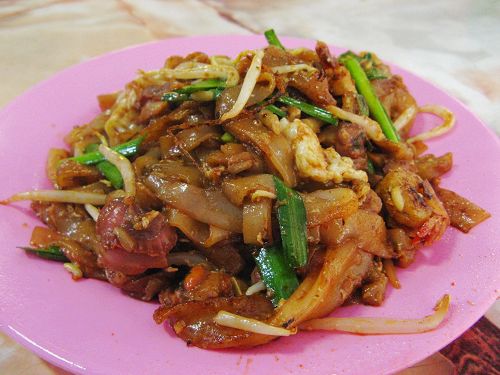
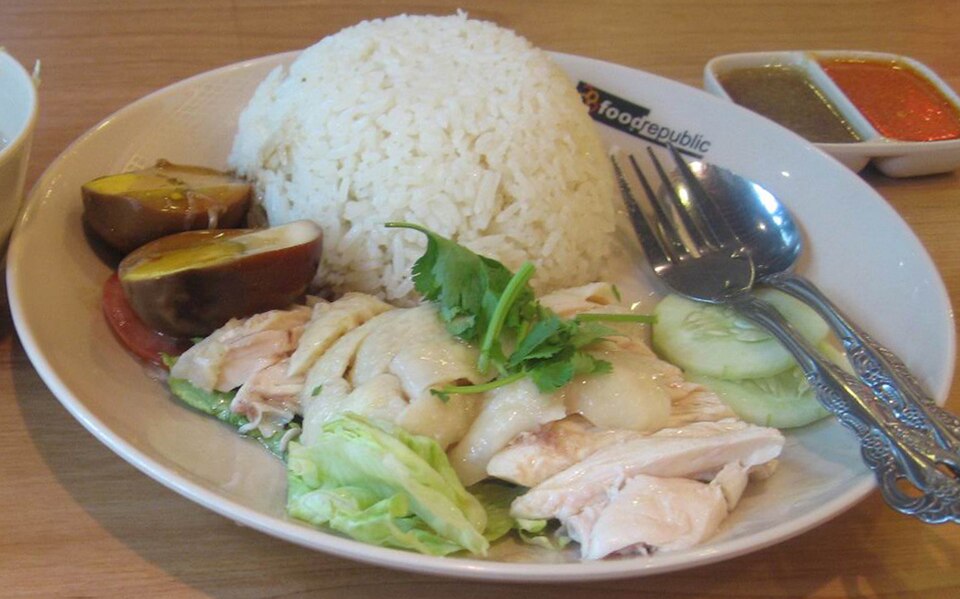
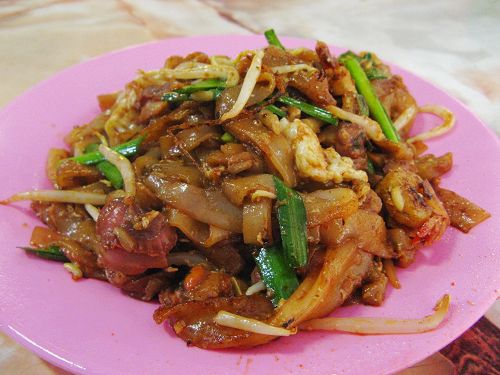
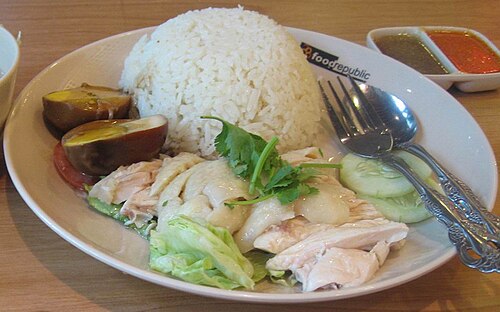
Belacan shrimp paste and chili make the Malay bass. Char kway teow and Hainanese chicken rice show the Chinese-Malaysian wok. Mamak shops fry roti at 2 a.m.
Hawker centres are the public dining room. Fine dining exists; the cuisine's honesty is still a plastic plate of rice and sambal.
Deep introduction
How Malaysian cuisine holds together
Malaysian cuisine is organised by belacan / tempoyak and rice / noodle.
Regions, pantry, table manners and travel — plus a lens tuned to this language region.
Regional diversity
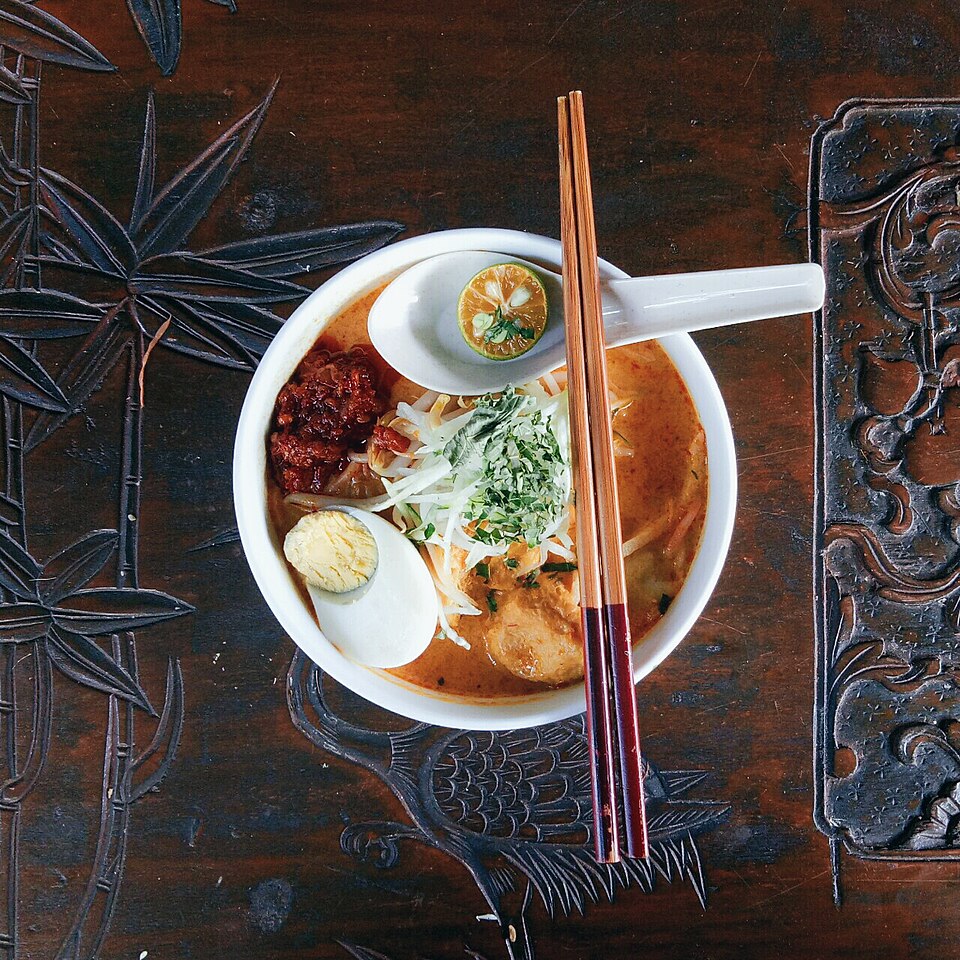
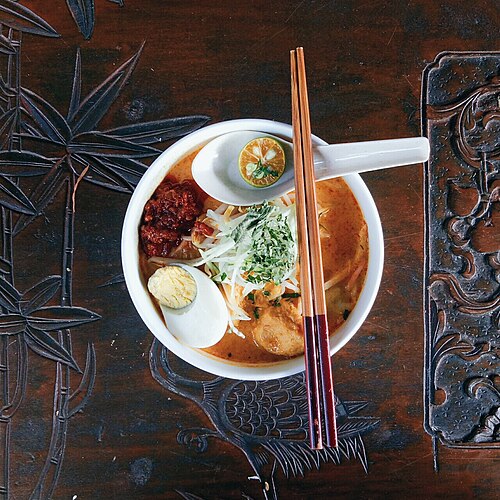
Penang hawkers, Johor laksa, Kelantan sweet-Malay and Sabah-Sarawak indigenous tables are full systems.
KL is the blender; Penang is the argument about whose laksa is real.
Pantry and ferments
Belacan, sambal, coconut and pandan organise Malay pots.
Soy, rice noodles and pork (in Chinese shops) sit beside halal Malay and mamak rules in the same food court.
How people eat
A Malaysian meal is rice or noodle plus sambal. Hands for Malay plates; chopsticks for hawker noodles; fork and spoon everywhere.
Mamak tables are social and late; breakfast nasi lemak is a national clock.
How it travels
Nasi lemak and laksa travel as icons.
What travels poorly is the three-kitchen hawker ecology that makes a food court in KL denser than a "Malaysian restaurant" abroad.
Taste deep dive
Taste and craft of Malaysian cuisine
Heat, belacan / tempoyak, texture and pairing in Malaysian cuisine.
Heat, ferment, texture and pairing — plus how this language region cooks the same plates.
Heat
Sambal and assam laksa can be fierce. Spice 80 sits under Thai and Mexican marks because coconut and sweet soy buffer many plates.
Bird chili is on the table; not every dish is cooked as a dare.
Fermentation and sauce
Belacan is the funk. Sambal is the heat. Soy and kecap appear in Chinese-Malaysian woks.
Tempoyak (fermented durian) is a Malay sour that tourists treat as a stunt and locals treat as a stew base.
Texture
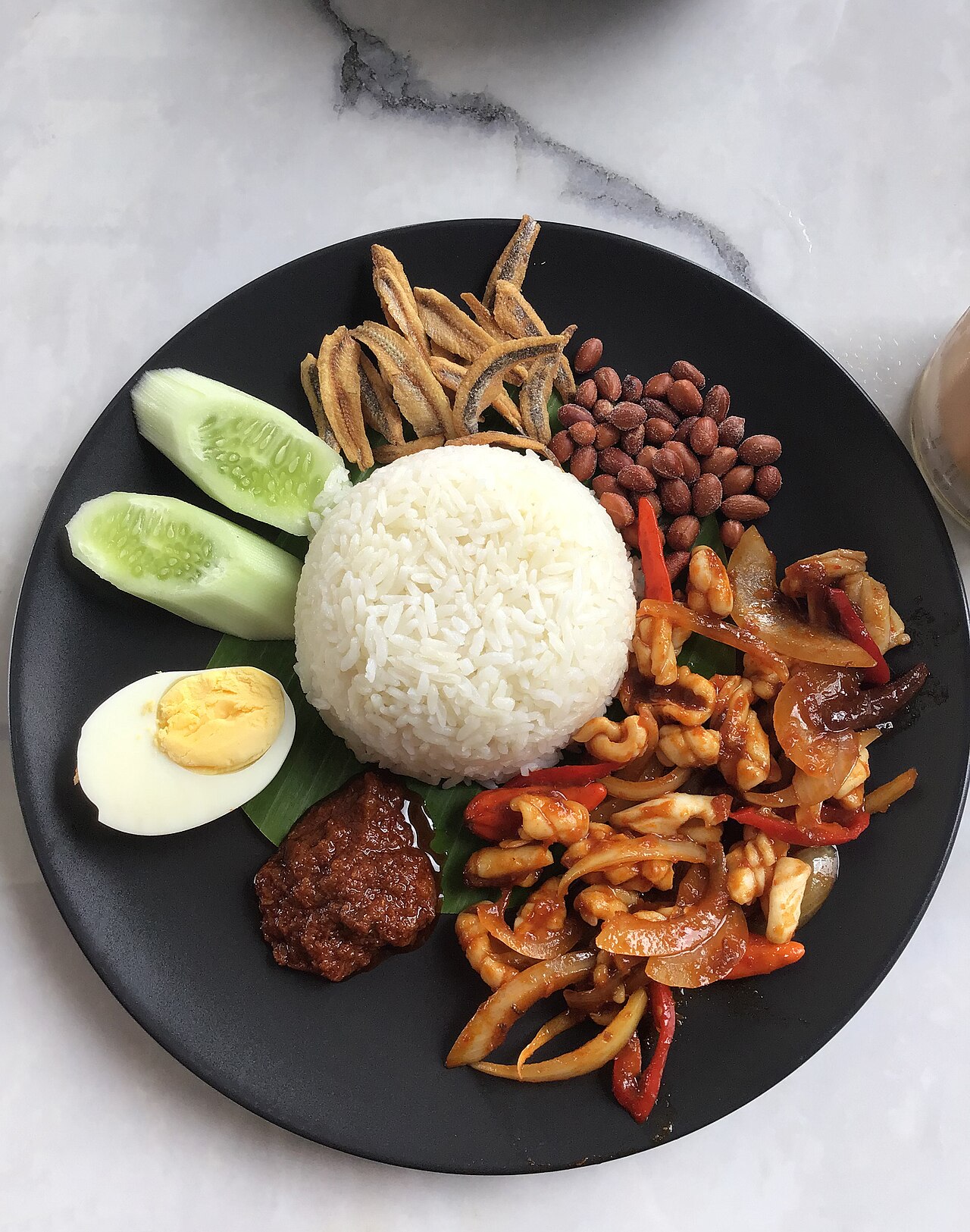
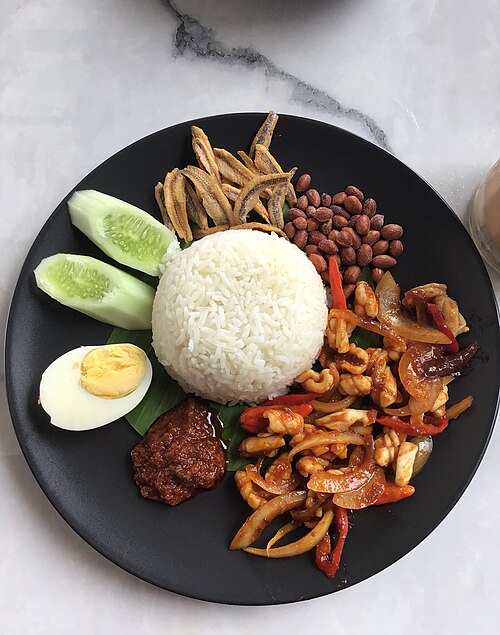
Roti canai should flake. Char kway teow needs wok hei and cockles. Nasi lemak rice should be oily with coconut, not plain steamed.
Keropok crunch against sambal is a design principle.
Pairing
Sambal and cucumber. Teh tarik is the mamak drink.
On Malaysian cuisine, pair the first published street step with the first craft item — literacy, not a recipe rank.
Name the first street item — The street chapter opens with Read the room on this cuisine file.
Name the first craft item — The craft chapter lists Festival table beside it.
Walk them as literacy — Read stall move and workshop move together — not a tested recipe or vendor league.
Scores are not restaurant ranks — Spice and street-food marks compare cuisines in this atlas, not tonight's shop safety.
Read the room and Festival table on Malaysian cuisine teach how street and craft chapters talk to each other.
Literacy notes only. Not hygiene certificate, recipe, or booking.
Taste one signature beside one price band
Second literacy pass on Malaysian cuisine: pair the first published taste signature with the first market cost band — table reading, not a bill estimate.
Name the first taste signature — The taste chapter opens with Nasi lemak on this cuisine file.
Name the first cost band — The market chapter lists Street snack as a published price band.
Read them as table literacy — Signature and band teach how dishes sit beside money talk — not a live quote or booking.
Scores are not a dinner tab — Price-spread marks compare cuisines in this atlas, not tonight's receipt.
Nasi lemak beside Street snack on Malaysian cuisine is a second teaching pair — taste then table/price.
Literacy notes only. Not a price quote, recipe, or reservation.
Taste one signature beside one price band
Second literacy pass on Malaysian cuisine: pair the first published taste signature with the first market cost band — table reading, not a bill estimate.
Name the first taste signature — The taste chapter opens with Nasi lemak on this cuisine file.
Name the first cost band — The market chapter lists Street snack as a published price band.
Read them as table literacy — Signature and band teach how dishes sit beside money talk — not a live quote or booking.
Scores are not a dinner tab — Price-spread marks compare cuisines in this atlas, not tonight's receipt.
Nasi lemak beside Street snack on Malaysian cuisine is a second teaching pair — taste then table/price.
Literacy notes only. Not a price quote, recipe, or reservation.
Malaysian cuisine is three kitchens in one country: Malay sambal-and-coconut, Chinese-Malaysian hawkers and Indian-Muslim mamak breads. Nasi lemak is the breakfast that politicians call national.
Is it always spicy?
Malaysian cuisine sits at spice 80 in this atlas. Nasi lemak and Laksa show the range better than a single heat number.
What should a first meal include?
Nasi lemak plus one regional plate — not only the export icon.
What is Nasi lemak?
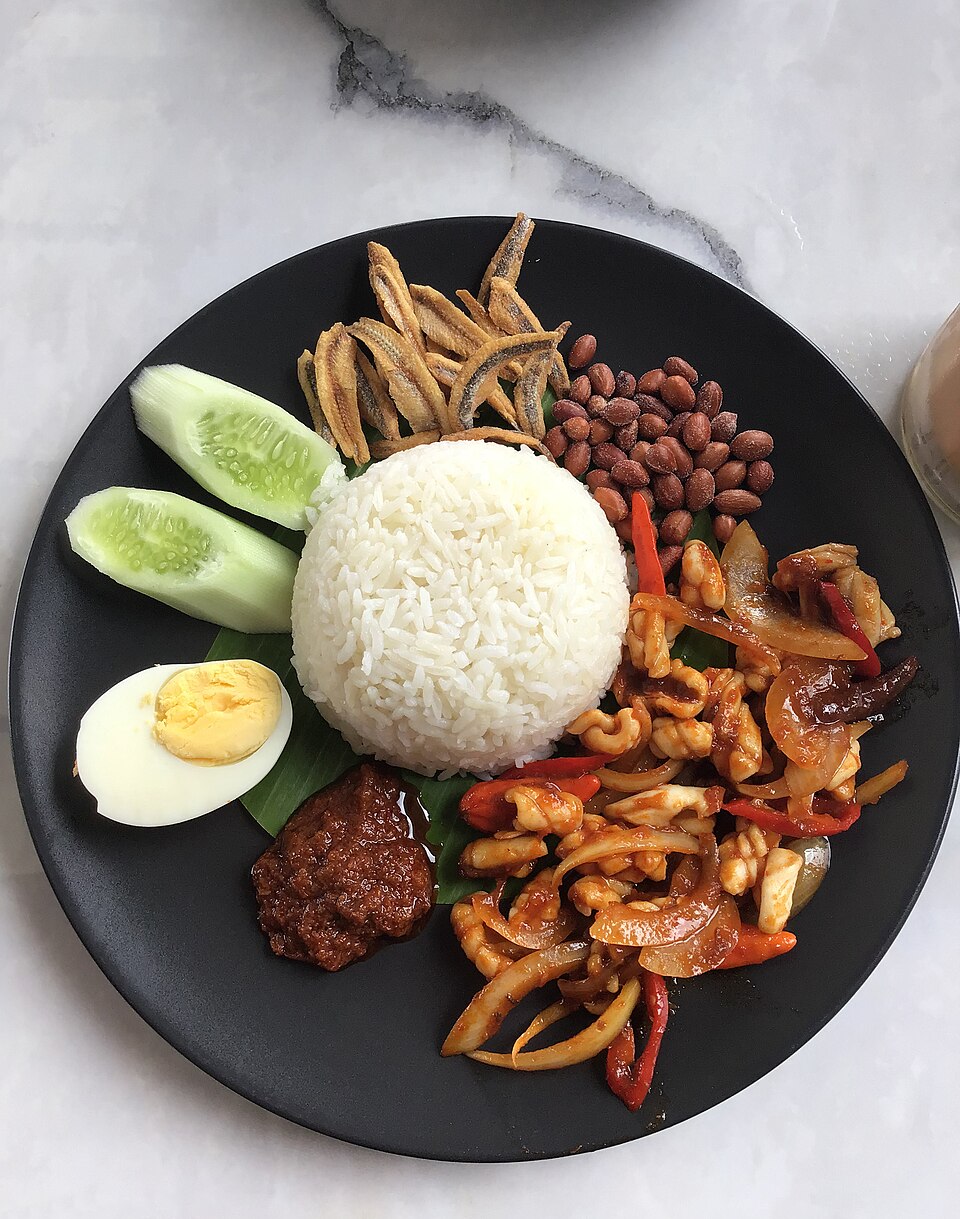
Coconut rice with sambal, anchovy, egg and cucumber.
How do people eat at home?
Belacan shrimp paste and chili make the Malay bass. Char kway teow and Hainanese chicken rice show the Chinese-Malaysian wok. Mamak shops fry roti at 2 a.m.
What travels poorly?
The home pantry around Nasi lemak and the labour behind Laksa rarely fit a takeaway box.
Are restaurant versions "authentic"?
Restaurant Malaysian cuisine is one register. Home pots and market stalls are others. Authenticity is a marketing word; technique is not.
Where does the native name appear?
Masakan Malaysia is the local name used in this atlas beside Malaysian cuisine.
How do I decide what to order at a stall or restaurant?
Use Decide what to order on each cuisine page: pick room and heat, then follow the published plate and pantry line. It is not a live menu or a reservation.
Is this a recipe I can cook from tonight?
No. The street chapter lists on-file steps and the craft chapter lists techniques already in this cuisine file. They are literacy notes, not a tested recipe, hygiene certificate, or restaurant booking.
What does pairing one street step with one craft mark show?
The pair on this hub sits one published street step beside one published craft item so you can see how a stall move and a workshop move belong to the same kitchen. It does not rank vendors or invent a new dish.
Are the spice and street-food scores a ranking of restaurants?
They are relative editorial marks among cuisines in this atlas, not a league table of shops. A high street-food score means the published street chapter is dense, not that a stall is safe today.
Why is Hungarian cuisine missing in some languages?
A language URL is published only when the seven chapters are real prose in that language. Hungarian pages exist in English, Korean, Japanese and Chinese. Spanish, French, German, Portuguese and Russian stay withheld until a native rewrite is finished — English is not shown under those URLs.
Embed this ranking
Paste this code into your blog or site — the ranking stays up to date.
Copied!
Similar cuisines
Closest neighbours on the six atlas axes — spice, umami, street food, technique, access and price spread.