Japanese cuisine, or 和食 (washoku), is organised around rice, miso soup and pickles, with dashi — kombu and katsuobushi — as the invisible broth. Chili is a guest, not the landlord.
Kansai sweetness, Kanto soy salt, Hokkaido miso ramen and Okinawan pork-and-goja all refuse a single national flavour. Sushi is one register; home cooking is grilled fish, tamagoyaki and yesterday's rice as ochazuke.
Street Japan is yakitori alleys, taiyaki and conveyor sushi, not a night-market chili row. Technique shows in knife work, rice cooking and the quiet labour of aging shoyu and miso.
Deep introduction
Washoku as a seasonal system
An archipelago cuisine that treats dashi, rice and the calendar as infrastructure.
Regions, pantry, table manners and travel — plus a lens tuned to this language region.
Regional diversity
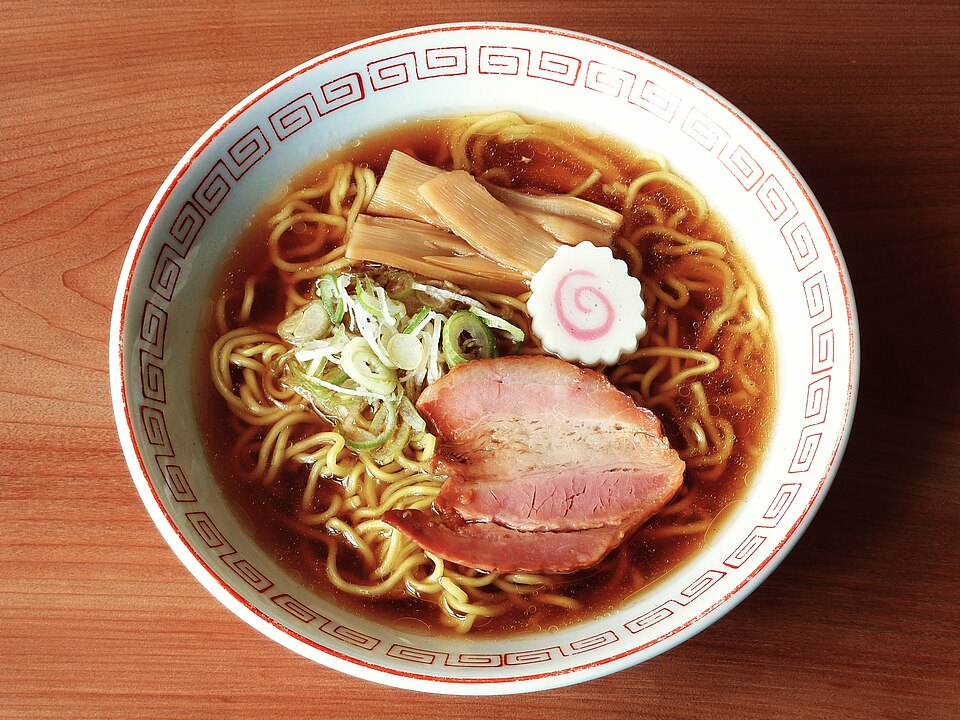
Osaka prefers sweeter sauces and okonomiyaki; Tokyo soy runs darker. Kyushu tonkotsu ramen and Sapporo miso ramen are prefectural arguments, not variants of one soup.
Okinawa's goya champuru and pork belly sit closer to a tropical pantry. Tohoku keeps salt-fermented fish and harsh-winter pickles that Tokyo restaurants treat as rustic colour.
Pantry and ferments
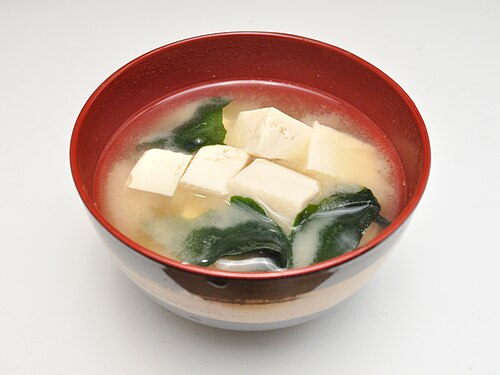
Miso, shoyu, mirin, sake and rice vinegar are the fermented pentagon. Dashi is not a stock cube in serious kitchens — it is a 20-minute extraction with a point of view.
Nukazuke bran beds, umeboshi and natto add bacterial voices that no bottle of "teriyaki sauce" replaces. Shojin temple cooking shows the pantry without meat or fish dashi.
How people eat
A set meal (teishoku) is rice, miso, pickle and a main. Ichiju-sansai — one soup, three sides — is the home ideal more often than kaiseki.
Counters matter: sushi, soba and yakitori are eaten facing the cook. Slurping noodles is ordinary; tipping is not.
How it travels
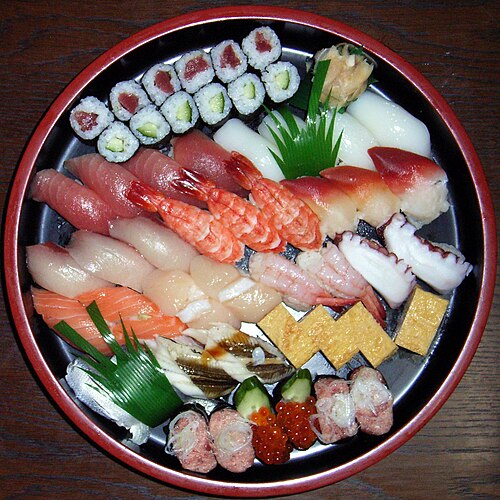
Sushi and ramen colonised the world; washoku's everyday grilled fish did not. Overseas "Japanese" often means spicy tuna rolls that Tokyo would file under American food.
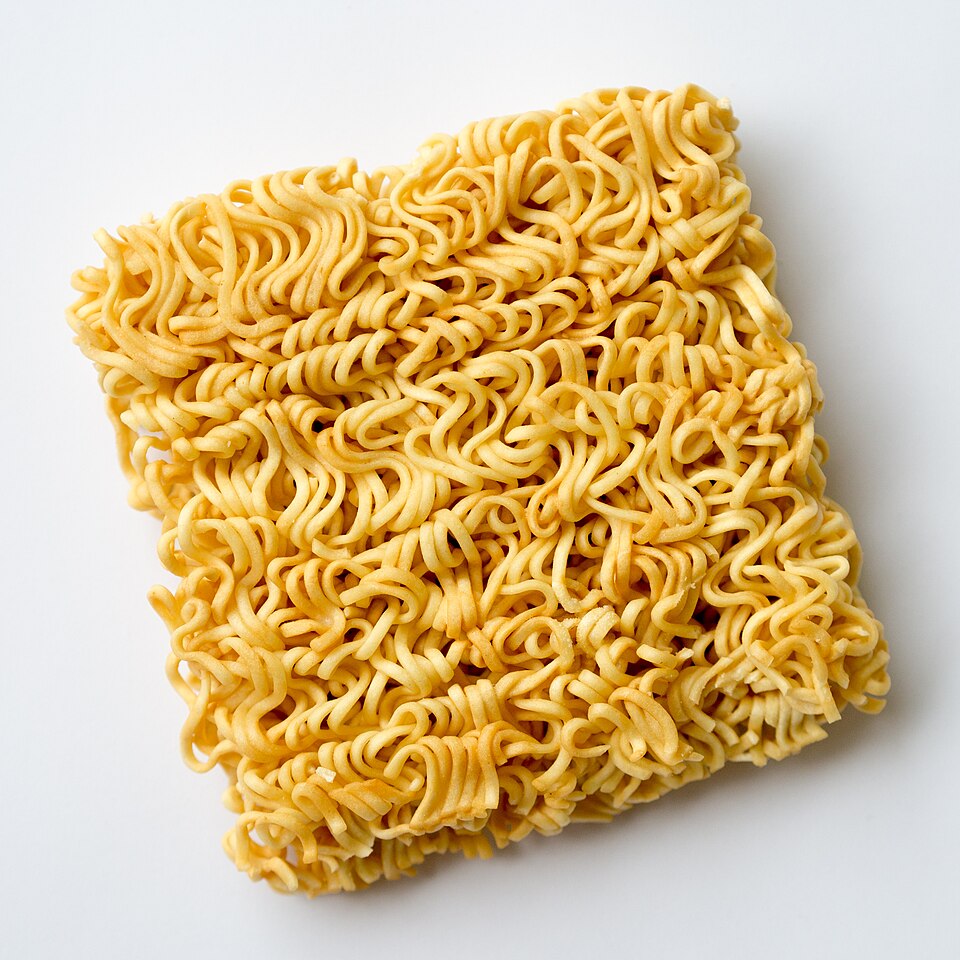
Kikkoman, instant ramen and convenience onigiri industrialised the export pantry. Kaiseki tasting rooms abroad sell seasonality at a price that home miso soup never asked for.
Taste deep dive
Dashi, cut and chew
Washoku technique is extraction, knife work and rice — not chili architecture.
Heat, ferment, texture and pairing — plus how this language region cooks the same plates.
Heat
Chili is peripheral: shichimi, rayu and Okinawan koregusu. Wasabi, sansho and ginger do the sharp work. Heat is more often temperature — a hissing teppan or a boiling nabe — than capsaicin.
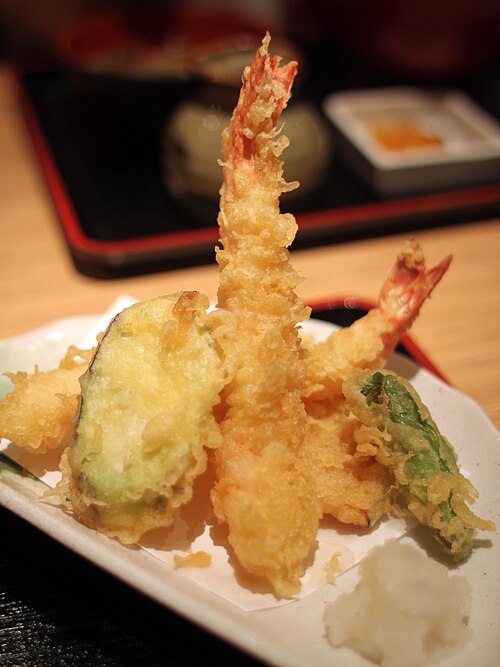
Yakitori binchotan and tempura oil control are the craft heats. A home kitchen more often uses a toaster oven and a donabe than a restaurant cypress counter.
Fermentation and sauce
Miso soup is the daily ferment. Shoyu is brewing, not a single salty splash. Ponzu, mentsuyu and tare are reductions of that brewing into table sauces.
Koji is the engine behind sake, miso and many modern "fermented butter" restaurant tricks. The home version is a tub of miso and a bottle of hon-mirin.
Texture
Rice grains should cling without porridge. Soba snap, udon chew and sashimi's cool density are different theses. Tempura is a thin shatter, not a beer-batter crust.
Mochi and shiratama bring glutinous chew that overseas dessert menus often sugar into something else.
Pairing
Green tea, beer and sake (junmai vs ginjo) are the usual drinks. Pickles reset fat from fried and grilled courses.
A meal that is only nigiri without soup and pickle is a tasting, not washoku's everyday grammar.
Rice-and-ferment neighbours and the French technique conversation Japan has been having since the Meiji era.
See-also cuisines, key terms, adjacent threads and regional notes for this language.
See also
🍲Korean cuisineShared soybean ferments and rice bowls; Korea brings gochujang heat washoku mostly refuses.
🥟Chinese cuisineNoodle, dumpling and soy lineages that Japan localised into ramen, gyoza and shoyu.
🌶️Thai cuisineAnother Asian cuisine with a huge overseas restaurant footprint — and a completely different heat-and-herb logic.
🥖French cuisineCross-family: kaiseki and haute cuisine recognised each other as seasonal, plated craft.
Key terms
Dashi
Stock from kombu and katsuobushi (sometimes shiitake or niboshi); the umami base of washoku.
Umami
The savoury taste Ikeda named in 1908 while studying kombu broth.
Shojin ryori
Buddhist temple cooking without meat or fish, using kombu and vegetable dashi.
Ichiju-sansai
One soup and three sides with rice — the home-meal ideal.
Tare
Glazes and dipping sauces reduced from soy, mirin and sake, especially for yakitori and unagi.
Omotenashi
Anticipatory hospitality; in food service it means the cook manages pace and season for the guest.
Agriculture
Rice paddies, coastal kombu (Hokkaido) and katsuobushi production in southern ports underwrite dashi. Soy for miso and shoyu is both domestic and imported.
Seasonal fish landings still set sushi prices more than any chef manifesto. Aging populations emptied some rural pickle traditions into supermarket tubs.
Labour and street vendors
Yatai carts shrank under hygiene rules; ramen and conveyor sushi absorbed the street impulse. Tsukiji's inner market move to Toyosu was a labour story as much as a tourist one.
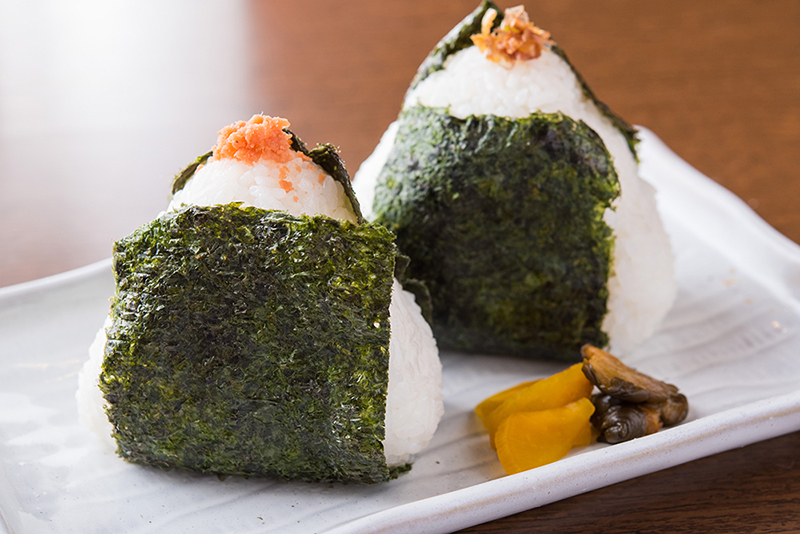
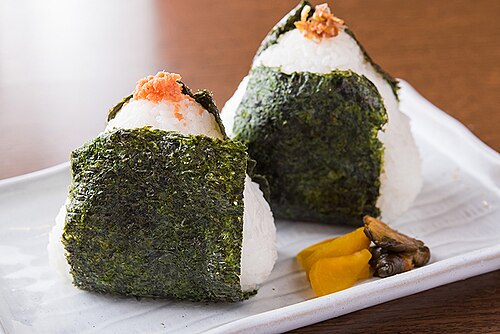
Sushi apprenticeships and ramen-shop hours remain brutal. Convenience-store rice balls are the industrial street food of the commuter.
Diaspora
Japanese-American and Brazilian-Japanese kitchens remade teriyaki and sushi rolls. Sao Paulo and Honolulu are part of the cuisine's modern map.
Overseas sushi is often a California roll economy. Reverse imports — spicy rolls, extra-rich tonkotsu — now appear in Tokyo as "American" or "Jiro-adjacent" theatre.
Visual field notes
Licensed photographs of this cuisine — heroes, eras and icons on one wall.
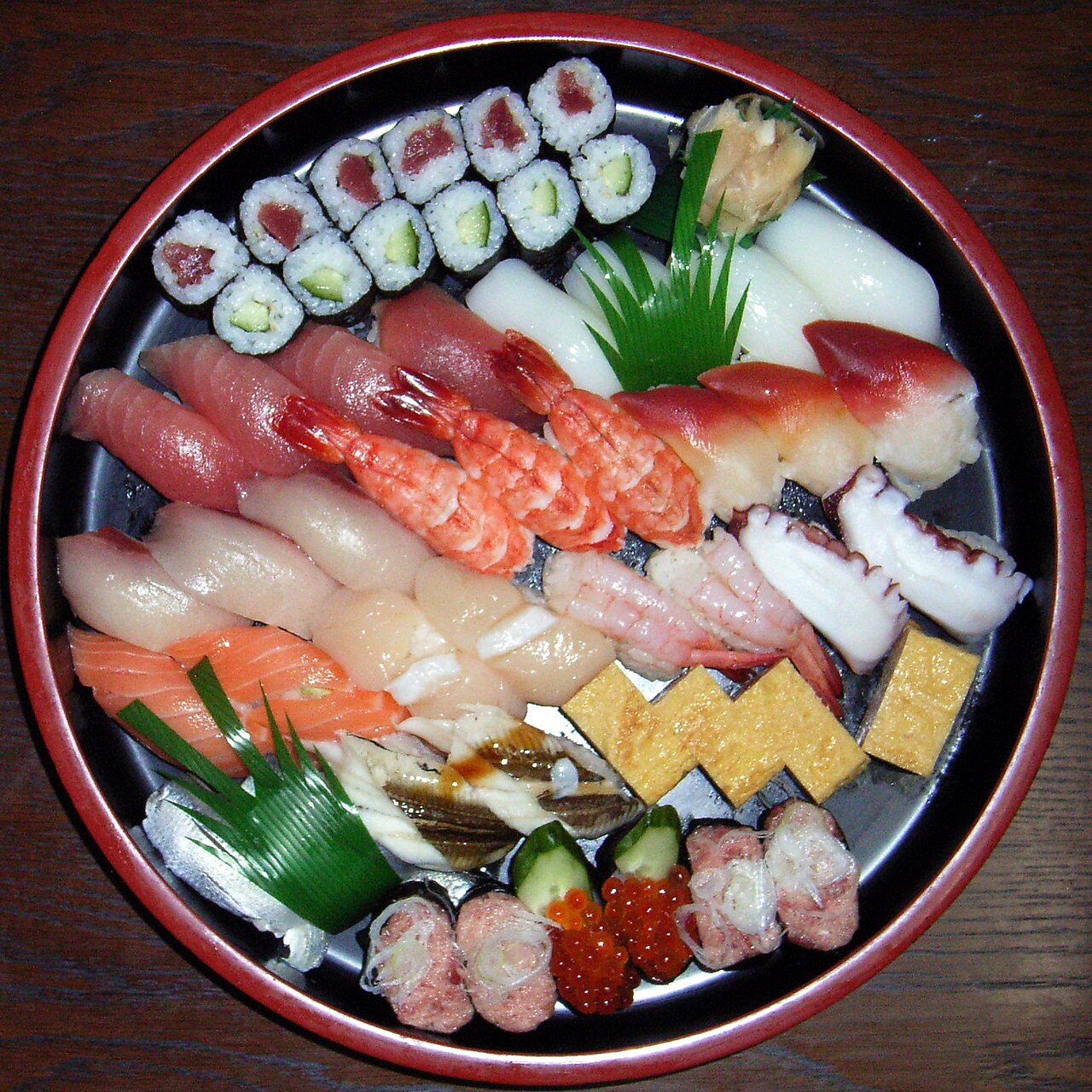
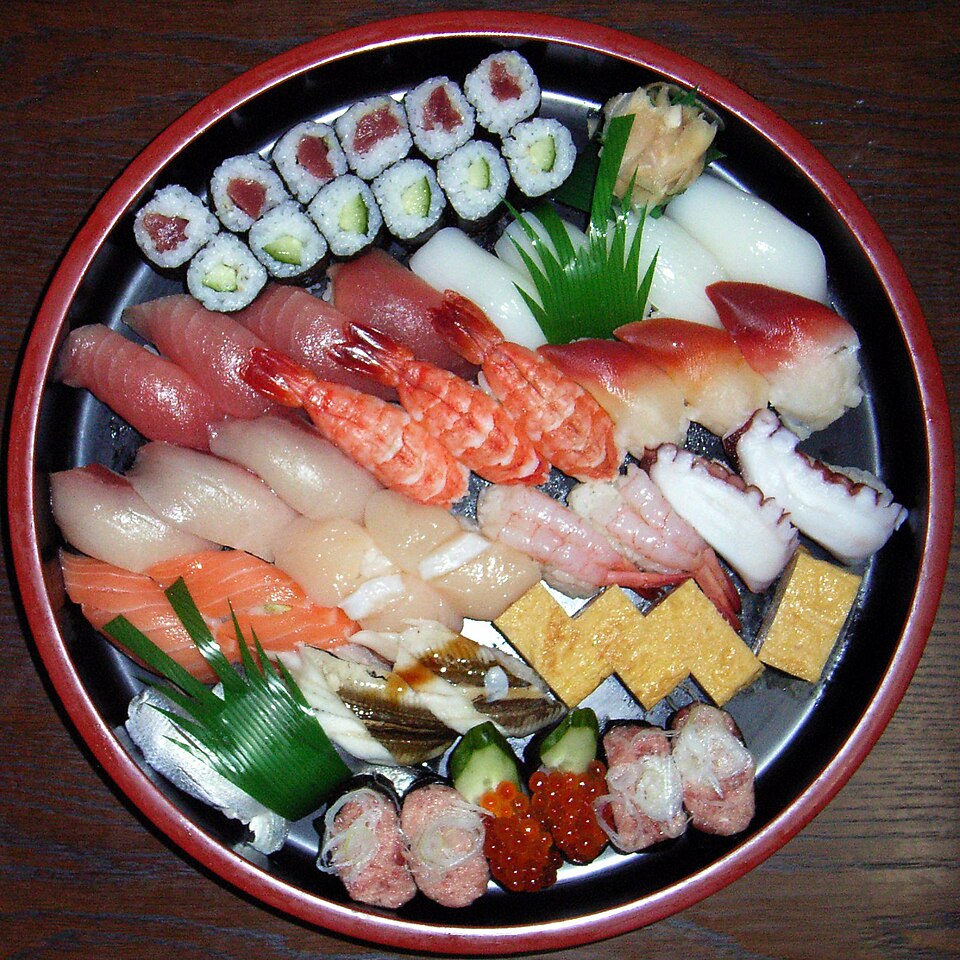
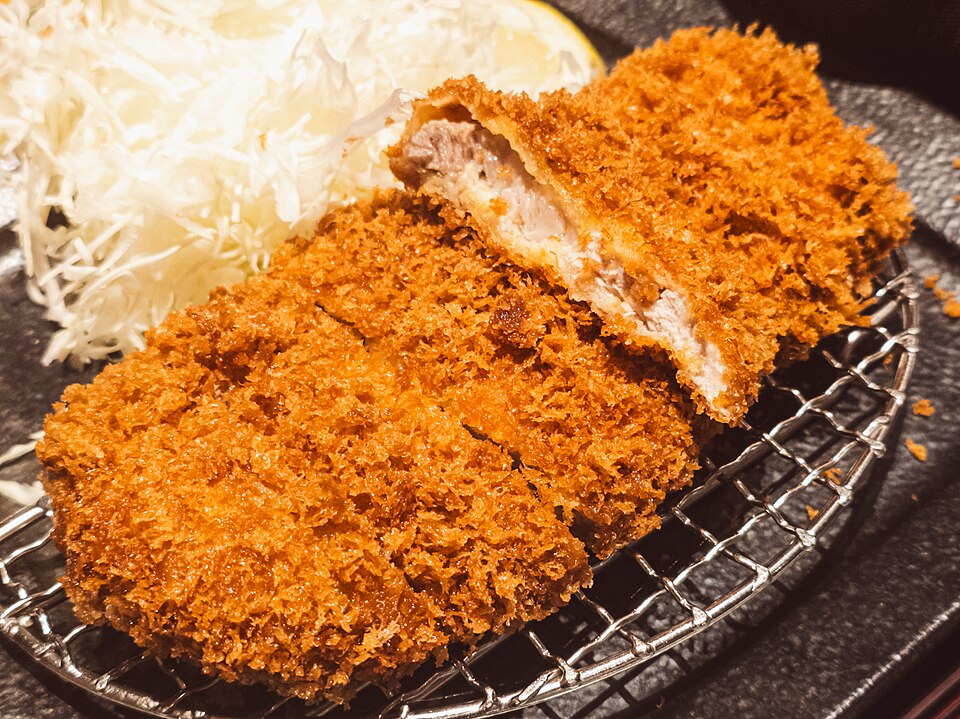
chidorian from Japan脇山航chidorian from JapanKoZTakeawayQuercus acutachidorian from JapanQuercus acutaOcdpYaco*KoZ脇山航
The profile
Spice28
Umami94
Street food62
Technique92
Accessibility68
Price spread90
Read one street step beside one craft mark
On Japanese cuisine, pair the first published street step with the first craft item — literacy, not a recipe rank.
Name the first street item — The street chapter opens with Choose the form on this cuisine file.
Name the first craft item — The craft chapter lists Itadakimasu / gochisosama beside it.
Walk them as literacy — Read stall move and workshop move together — not a tested recipe or vendor league.
Scores are not restaurant ranks — Spice and street-food marks compare cuisines in this atlas, not tonight's shop safety.
Choose the form and Itadakimasu / gochisosama on Japanese cuisine teach how street and craft chapters talk to each other.
Literacy notes only. Not hygiene certificate, recipe, or booking.
Taste one signature beside one price band
Second literacy pass on Japanese cuisine: pair the first published taste signature with the first market cost band — table reading, not a bill estimate.
Name the first taste signature — The taste chapter opens with Sushi on this cuisine file.
Name the first cost band — The market chapter lists Street snack as a published price band.
Read them as table literacy — Signature and band teach how dishes sit beside money talk — not a live quote or booking.
Scores are not a dinner tab — Price-spread marks compare cuisines in this atlas, not tonight's receipt.
Sushi beside Street snack on Japanese cuisine is a second teaching pair — taste then table/price.
Literacy notes only. Not a price quote, recipe, or reservation.
Taste one signature beside one price band
Second literacy pass on Japanese cuisine: pair the first published taste signature with the first market cost band — table reading, not a bill estimate.
Name the first taste signature — The taste chapter opens with Sushi on this cuisine file.
Name the first cost band — The market chapter lists Street snack as a published price band.
Read them as table literacy — Signature and band teach how dishes sit beside money talk — not a live quote or booking.
Scores are not a dinner tab — Price-spread marks compare cuisines in this atlas, not tonight's receipt.
Sushi beside Street snack on Japanese cuisine is a second teaching pair — taste then table/price.
Literacy notes only. Not a price quote, recipe, or reservation.
和食 is the everyday Japanese meal system: rice, soup, pickle and seasonal sides. Sushi is one famous register, not the whole cuisine.
Is Japanese food spicy?
Rarely in the chili sense. Wasabi, sansho, ginger and pickles provide sharpness. Okinawa and some ramen shops are the exceptions.
What is dashi?
A stock, usually kombu kelp plus katsuobushi (dried bonito), sometimes shiitake or sardine. It is the umami chassis of soups and simmered dishes.
Why is sushi expensive at the counter?
Fish quality, rice skill, waste and the cook's time. Conveyor and supermarket sushi are different products with different fish.
Is it rude to slurp noodles?
No. Slurping ramen and soba is ordinary. Sticking chopsticks upright in rice is the actual funeral-adjacent error.
What did UNESCO list?
Washoku as an everyday social practice (2013), not a single restaurant style.
Is teriyaki traditionally Japanese?
Tare glazes are Japanese; the sweet bottled teriyaki of US groceries is a diaspora product.
How does home washoku differ from kaiseki?
Home is teishoku and leftovers. Kaiseki is a seasonal, sequenced craft meal with a different labour cost.
How do I decide what to order at a stall or restaurant?
Use Decide what to order on each cuisine page: pick room and heat, then follow the published plate and pantry line. It is not a live menu or a reservation.
Is this a recipe I can cook from tonight?
No. The street chapter lists on-file steps and the craft chapter lists techniques already in this cuisine file. They are literacy notes, not a tested recipe, hygiene certificate, or restaurant booking.
What does pairing one street step with one craft mark show?
The pair on this hub sits one published street step beside one published craft item so you can see how a stall move and a workshop move belong to the same kitchen. It does not rank vendors or invent a new dish.
Are the spice and street-food scores a ranking of restaurants?
They are relative editorial marks among cuisines in this atlas, not a league table of shops. A high street-food score means the published street chapter is dense, not that a stall is safe today.
Why is Hungarian cuisine missing in some languages?
A language URL is published only when the seven chapters are real prose in that language. Hungarian pages exist in English, Korean, Japanese and Chinese. Spanish, French, German, Portuguese and Russian stay withheld until a native rewrite is finished — English is not shown under those URLs.
Embed this ranking
Paste this code into your blog or site — the ranking stays up to date.
Copied!
Similar cuisines
Closest neighbours on the six atlas axes — spice, umami, street food, technique, access and price spread.