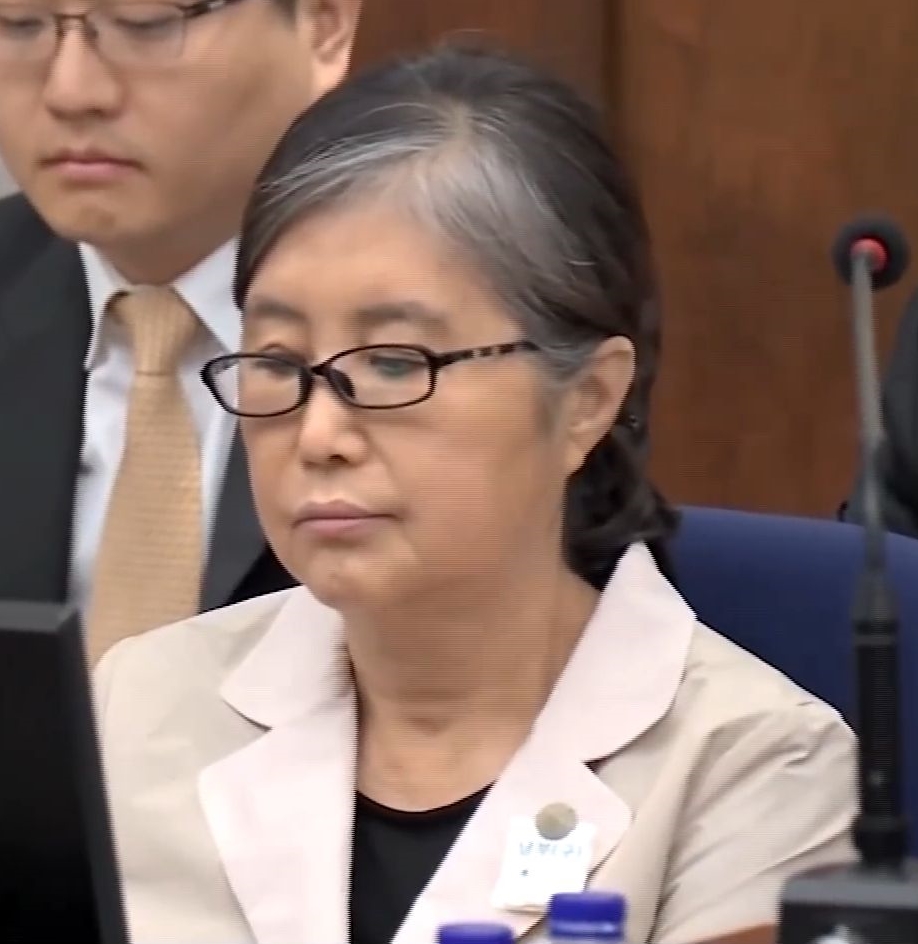
In 2016 Korean reporting showed that Choi Soon-sil had used her access to President Park Geun-hye to shake companies and warp state decisions. Candlelight crowds, impeachment and convictions followed.
Also called: Choi Soon-sil gate · 2016–17 candlelight protests
At a glance
Score intensity
Darker cells mean a higher score for this topic on that metric.
Notoriety85
Mystery22
Scale70
Evidence80
Legal impact88
Culture75
LessMore
Score profile
Each bar is a 0-100 atlas score for this topic, not a timeline.
Notoriety85
Mystery22
Scale70
Evidence80
Legal impact88
Culture75
Evidence
Evidence
80%
Score profile
Mystery
22%
Timeline
Milestones in order. This is history, not a weekly activity grid.
In the autumn of 2016, South Korean newsrooms — especially JTBC, which reported on a tablet computer tied to Choi Soon-sil — showed that a long-time confidante of President Park Geun-hye had reviewed presidential speeches, leaned on conglomerates for money and used state power as a private channel. Choi was not an elected official. Park, daughter of former president Park Chung-hee, had won the 2012 election as the conservative Saenuri candidate. The scandal collapsed her presidency.
From late October 2016 through March 2017, Saturday candlelight protests filled Seoul streets, including Gwanghwamun. The National Assembly passed an impeachment motion on 9 December 2016. The Constitutional Court upheld it unanimously on 10 March 2017, removing Park from office. A snap election made Moon Jae-in president. Special prosecutors and criminal courts then tried Park, Choi and business figures including Samsung's Lee Jae-yong on bribery and abuse-of-power theories.
Park was convicted in 2018 and received a long prison term, later adjusted on appeal; Moon pardoned her in December 2021 on health and reconciliation grounds. Choi was also convicted. The status is convicted: courts named crimes. The pardon is aftermath, not an acquittal. English-language papers framed the candlelight weeks as a peaceful 'candlelight revolution' and sometimes reached for Watergate or Rasputin metaphors; the Korean civic fact is a constitutional removal after mass, non-war protest.
Peak year2016–17
Impeachment9 Dec 2016
Court ruling10 Mar 2017
Park verdictConvicted 2018
PardonDec 2021
ProtestsCandlelight Saturdays
Dossier scores
Notoriety 85
Mystery 22
Scale 70
Evidence 80
Legal impact 88
Culture 75
Notoriety
85
Mystery
22
Scale
70
Evidence
80
Legal impact
88
Culture
75
A confidante, a tablet and a constitutional court
The Park–Choi scandal is a public-record case of informal power: leaked devices, conglomerate money, candlelight crowds, impeachment and convictions — then a pardon.
What the reporting showed
JTBC's October 2016 tablet story and follow-ups by Hankyoreh, Kyunghyang and others documented Choi's edits of speeches and her role in channelling chaebol donations into foundations, notably Mir and K-Sports. The public charge was that state authority had been used to solicit or pressure support for private projects. This page does not reconstruct how to extract money from a firm.
A separate cultural wound was the 2014 Sewol ferry disaster, already a crisis of Park's presidency. Protesters in 2016 tied the two: a government that had seemed absent in 2014 now looked captured by a private circle. Sewol is its own dossier in this atlas; here it is political atmosphere, not a second trial.
Candlelight as civic procedure
The Saturday protests were large, intergenerational and, in the main Seoul events, strikingly orderly. Organisers and police counted hundreds of thousands to millions across peak weekends; exact peaks remain a press-estimate band. The candles became the English visual. The legal work happened in the Assembly and at the Constitutional Court.
Impeachment on 9 December 2016 was a parliamentary vote, not a street decree. The Court's 10 March 2017 decision listed abuse of power and violation of the duty to serve the public, and it was unanimous. Park left the Blue House. That sequence is why legalImpact scores high: a living constitution was used in public view.
Criminal courts after removal
Criminal trials are a different track from impeachment. Park was convicted in 2018 of offences including bribery and coercion; the first instance term was 24 years, later modified. Choi was convicted on related counts. Lee Jae-yong's Samsung path — arrest, conviction, appeal, later pardon and a separate merger-trial afterlife — is a chaebol-law story that English financial papers followed as closely as the Blue House story.
Moon's December 2021 pardon of Park, justified as national unity and health, reopened the accountability argument without erasing the convictions. Convicted remains the correct status token: a pardon is clemency, not a finding of innocence.
How English papers told it
The New York Times, the BBC, the Guardian and the Financial Times described 'candlelight protests' and, often, a 'candlelight revolution'. The word revolution was metaphorical: the army did not take Seoul. English editors reached for Watergate (a president felled by scandal) and for Rasputin (a mystic confidante), the second of which flattened Choi into an Orientalist stock type.
Better English coverage named JTBC, the Constitutional Court and the chaebol angle. CulturalReach outside Korea is high for a 2016–17 Asian political case but still below Watergate. Inside Korea the scandal is a civic landmark taught next to the 1987 democratisation story, not as a copy of Washington 1974.
Beat weight marks
Mark each timeline beat already on this dossier as supported, contested or unknown, using the public-record claims already filed here. Not a verdict.
Editorial marks on this device only. Public-record encyclopedia — not legal advice, not a how-to, not a private file.
Timeline beat
Supported / Contested / Unknown
2012 — Park elected
Claim already on file: The street alone removed the president.
Oct 2016 — JTBC tablet reporting
Claim already on file: Park was never convicted.
Oct–Dec 2016 — Candlelight Saturdays
Claim already on file: Choi was a shaman running the state.
9 Dec 2016 — Assembly impeachment
Claim already on file: It was a violent revolution.
10 Mar 2017 — Court removes Park
Claim already on file: It was a violent revolution.
9 May 2017 — Moon elected
Claim already on file: It was a violent revolution.
2017–18 — Special prosecutors
Claim already on file: It was a violent revolution.
2018 — Park convicted
Claim already on file: It was a violent revolution.
Dec 2021 — Park pardoned
Claim already on file: It was a violent revolution.
2020s — Chaebol afterlife
Claim already on file: It was a violent revolution.
What was the Park Geun-hye / Choi Soon-sil scandal?
A 2016–17 South Korean political crisis in which reporting showed that Choi Soon-sil, a private confidante, had used access to President Park Geun-hye to influence speeches, state decisions and chaebol donations. Park was impeached, removed by the Constitutional Court and later convicted. Choi was also convicted.
What were the candlelight protests?
Weekly Saturday demonstrations, peaking in the winter of 2016–17, especially around Gwanghwamun in Seoul. Crowds carried candles and demanded Park's resignation or impeachment. English papers called them a candlelight revolution. The legal removal was an Assembly vote and a Constitutional Court decision, not a street seizure of power.
When was Park removed from office?
The National Assembly impeached her on 9 December 2016. The Constitutional Court upheld the impeachment unanimously on 10 March 2017. She left the presidency that day. Moon Jae-in won the snap election in May 2017.
Was Park convicted in a criminal court?
Yes. In 2018 she was convicted of offences including bribery and abuse of power and received a long prison term, later adjusted on appeal. Moon pardoned her in December 2021. A pardon is not an acquittal; the status token remains convicted.
Who is Choi Soon-sil?
A private citizen and long-time associate of Park, daughter of the late pastor Choi Tae-min. She was not a minister. Courts convicted her for her role in the influence-and-money scheme. English Rasputin metaphors are colour, not a job title.
How does Samsung come into the file?
Prosecutors said Samsung affiliates were pressured to support Choi-linked foundations and that a merger benefited from political help. Lee Jae-yong was convicted, appealed and later pardoned on a separate track. Financial English often led with that chaebol story.
Is this Korea's Watergate?
English papers used that analogy because a president fell after a scandal. The institutions differ: a Constitutional Court removal and later criminal convictions, not a US resignation-plus-pardon of the president before trial. Park was tried; Nixon was not.
Did the protests turn violent?
The main Seoul candlelight rallies were widely reported as peaceful and family-inclusive. This atlas does not treat the scandal as a war or a riot file. Isolated clashes elsewhere do not redefine the Gwanghwamun Saturdays in the public record.