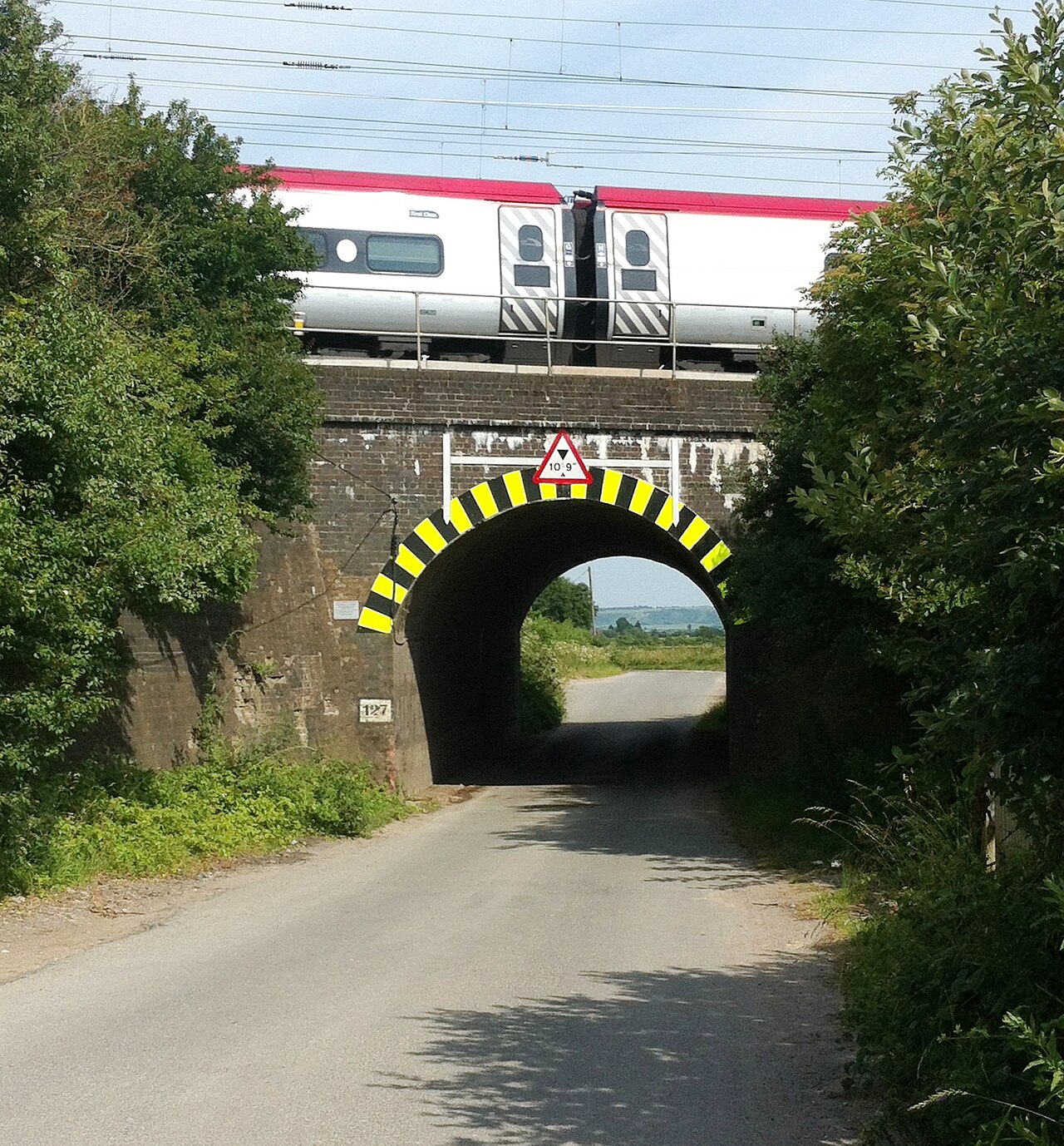
On 8 August 1963 a Glasgow-to-London Royal Mail train was robbed at Bridego Bridge in Buckinghamshire of £2.6 million. Most of the gang were convicted at Aylesbury; Ronnie Biggs later fled.
Also called: 1963 mail train robbery · Bridego Bridge
At a glance
Score intensity
Darker cells mean a higher score for this topic on that metric.
Notoriety88
Mystery25
Scale62
Evidence75
Legal impact50
Culture85
LessMore
Score profile
Each bar is a 0-100 atlas score for this topic, not a timeline.
Notoriety88
Mystery25
Scale62
Evidence75
Legal impact50
Culture85
Evidence
Evidence
75%
Score profile
Mystery
25%
Timeline
Milestones in order. This is history, not a weekly activity grid.
In the early hours of 8 August 1963, the Glasgow-to-Euston Travelling Post Office — a Royal Mail train carrying high-value packets — was stopped at Bridego Bridge (also called Mentmore Bridge) near Ledburn in Buckinghamshire. The gang took 120 mailbags. The official figure recorded at the time was about £2.6 million in used banknotes, then one of the largest cash thefts on the British public record.
Driver Jack Mills and secondman David Whitby were the railway staff on the locomotive. Mills was assaulted and later became a lasting public symbol of the night; this page records that he was injured and does not dwell on wounds. The gang used Leatherslade Farm in Buckinghamshire as a hideout. Buckinghamshire Constabulary and Scotland Yard's Flying Squad found the farm after a tip and a search — a discarded Monopoly set and fingerprints became folklore, but the convictions rested on a wider forensic and witness file.
At Aylesbury in 1964, Mr Justice Edmund Davies sentenced several men, including Ronald 'Buster' Edwards, Charles Wilson, Roy James and others, to terms of up to thirty years. Bruce Reynolds, the planner, was caught in 1968. Ronnie Biggs escaped from Wandsworth in 1965, reached Brazil and became a tabloid exile until he returned in 2001. The case is convicted: names, a sum and a court. Much of the cash was never recovered.
Date8 Aug 1963
Sum taken£2.6 million
PlaceBridego Bridge
CourtAylesbury, 1964
StatusConvicted
TrainGlasgow–London TPO
Dossier scores
Notoriety 88
Mystery 25
Scale 62
Evidence 75
Legal impact 50
Culture 85
Notoriety
88
Mystery
25
Scale
62
Evidence
75
Legal impact
50
Culture
85
A mail train, a farm and a thirty-year tariff
The Great Train Robbery is Britain's most retold cash theft: a dated sum, a named bridge, an Aylesbury dock and a cultural afterlife that outran the missing notes.
What the bags held
The Travelling Post Office moved registered mail and high-value packets between Glasgow and London. The 8 August train carried used notes being returned to London — a fact later used to explain both the size of the haul and why serials were hard to spend. The official £2.6 million is the figure this atlas uses; later inflation comparisons belong in money notes, not in the 1963 line.
Recovery was partial. Police found some money at Leatherslade and in later arrests. Large amounts were never returned to the Royal Mail or the banks. The convicted status of the people and the incomplete recovery of the cash are different columns, as at Antwerp.
From Bridego to Leatherslade
The train was halted at Bridego Bridge in rural Buckinghamshire. After the bags were taken, the gang went to Leatherslade Farm, which they had bought as a temporary base. Neighbours and a land search put police onto the farm days later. This page does not reconstruct how the train was stopped.
Fingerprints, stolen vehicles, witness sightings and the farm debris built the Flying Squad case. Jack Slipper and other Yard officers became English-language characters. The investigation is a 1960s detective story with names, not an unsolved puzzle.
Aylesbury and the long sentences
The 1964 trial at Aylesbury was a national spectacle. Edmund Davies's thirty-year terms for several robbers were meant as deterrence after a night that had injured a driver and humiliated the Post Office. Appeals softened some paths; the tariff still defined a generation of British crime sentencing talk.
Wilson escaped and was recaptured in Canada. Biggs's 1965 escape and Brazilian years turned a convicted robber into a celebrity the BBC and the Sun could not drop. Reynolds's 1968 arrest closed the planner's file. The courts had already decided the case; the tabloids extended it.
Culture larger than statute
No single 'Train Robbery Act' rewrote English criminal law. Postal and railway security practice changed; thirty-year sentences entered political argument. The deeper impact is cultural: Buster, Biggs, the farm, the bridge.
Films, memoirs and a 2013 BBC drama kept the night in English living rooms. That culturalReach score is earned. The mystery score is low because the gang was named and mostly jailed.
Beat weight marks
Mark each timeline beat already on this dossier as supported, contested or unknown, using the public-record claims already filed here. Not a verdict.
Editorial marks on this device only. Public-record encyclopedia — not legal advice, not a how-to, not a private file.
Timeline beat
Supported / Contested / Unknown
8 Aug 1963 — Bridego Bridge
Claim already on file: It was a gentlemanly, victimless crime.
Aug 1963 — Leatherslade found
Claim already on file: The gang were never really caught.
1963–64 — Arrests
Claim already on file: All the money was found at the farm.
In the early hours of 8 August 1963, at Bridego Bridge near Ledburn, Buckinghamshire. The Glasgow-to-Euston Travelling Post Office was stopped and 120 mailbags were taken. The official sum was about £2.6 million in used notes.
Who was convicted?
Most of the gang were convicted at Aylesbury in 1964, including Charles Wilson, Roy James, Ronald 'Buster' Edwards and others, with terms up to thirty years. Bruce Reynolds, the planner, was caught in 1968. Ronnie Biggs was convicted, escaped in 1965 and returned to Britain in 2001.
Was the money recovered?
Only in part. Police found some cash at Leatherslade Farm and in later arrests. A large share of the £2.6 million never came back to the Royal Mail or the banks. Convictions and full restitution are different outcomes.
What happened to Jack Mills?
Mills, the train driver, was assaulted during the stop and became the public victim of the night. He returned to work but was remembered as a man whose health never fully recovered. This atlas records the injury without graphic detail. He died in 1970.
What was Leatherslade Farm?
A Buckinghamshire farm the gang used as a hideout after the robbery. Police found it days later. Debris and fingerprints there became central exhibits. The farm is geography in the case, not a puzzle.
Why is Ronnie Biggs more famous than the others?
Because he escaped from Wandsworth Prison in 1965, reached Brazil and lived as a tabloid exile for decades. He was already a convicted robber. Celebrity attached to the escape, not to a claim of innocence.
Did the robbery change British law?
It hardened sentencing talk and postal-security practice more than it created a named statute. The thirty-year terms were the legal shock. Later memoirs and films did more to shape English memory than any single Act of Parliament.
Is the case still unsolved?
No. The status token is convicted. Peripheral arguments about who else helped, and where leftover cash went, do not reopen the Aylesbury findings on the core gang.