Multilateral orgs
UN system and agencies.
See File history below for details. Denelson83 , Zscout370 ve Madden · Public domainInternational Relations · States, markets and norms across borders — diplomacy, security and global governance.
Darker cells mean a higher score for this topic on that metric.
LessMore
Last reviewed Sources & creditsMedia creditsMethodology
Most bachelor pathways run about 4 years of full-time study, though professionally accredited or longer first degrees can exceed that, and some systems split into 3+2 Bologna structures.
Expect both. Foundations lean theoretical; later years push simulations, language work and IO/embassy internships. The balance depends on accreditation and department culture.
Math intensity on this site is scored 36/100 relative to other majors. That is a signal, not a gate — check the specific programme's calculus and statistics requirements.
Selectivity here is 68/100 relative to the other majors catalogued — a composite of typical grade barriers and competition, not a single exam cut-off.
Start with the departmental society, then look for national student chapters and one serious online forum where practitioners share primary sources rather than memes.
They are editorial composites grounded in common, checkable student and alumni patterns — attributed by role and place, not anonymous star ratings or fabricated celebrities.
Outcomes scatter. The honest pitch for international relations is a cluster of roles and a ladder, not a single job title with a salary guarantee.
Where Tool-Lifes has a matching profession page, links are provided. Otherwise the role is still named so you can research it elsewhere.
Sectors where graduates and research from this field show up most often — plates from Wikimedia Commons.
UN system and agencies.
See File history below for details. Denelson83 , Zscout370 ve Madden · Public domain
Embassies and desks.
Guilhem Vellut from Paris, France · CC BY 2.0
Aid and advocacy abroad.
Kidfly182 · CC BY-SA 4.0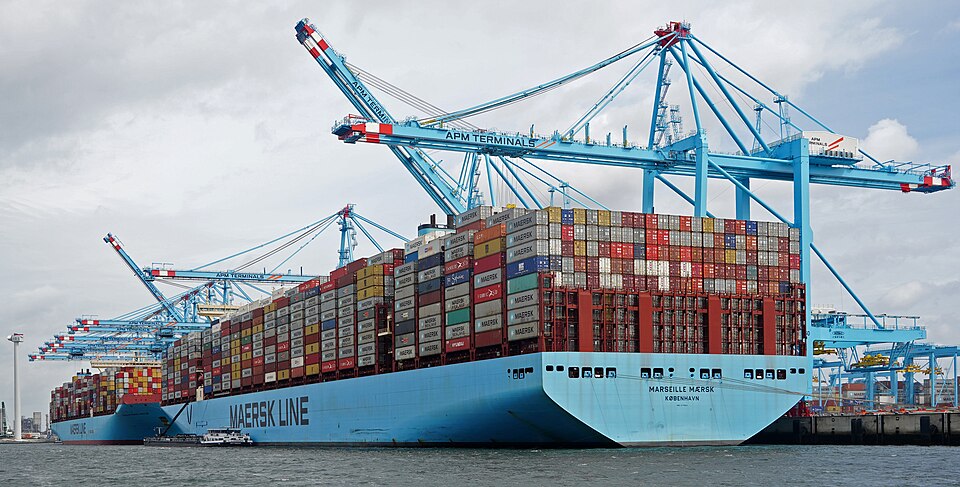
Agreements and commercial diplomacy.
kees torn · CC BY-SA 2.0Checkable figures whose work still frames how the discipline is taught and practised.
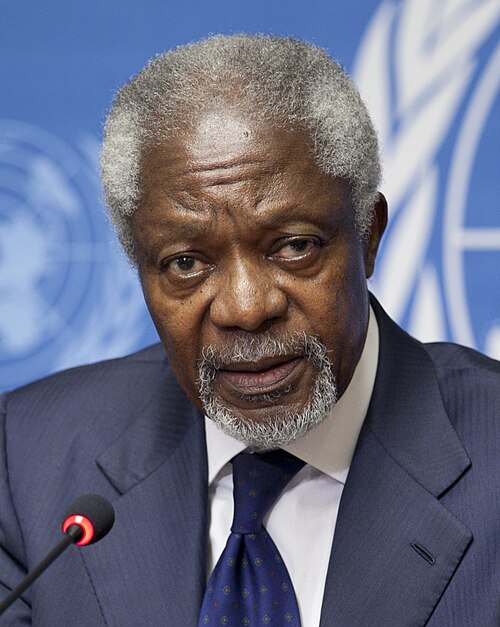
UN Secretary-General
1938–2018
US Mission in Geneva · Public domain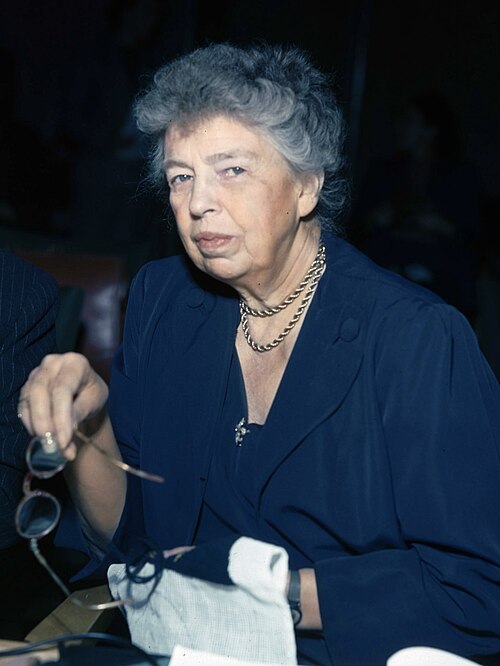
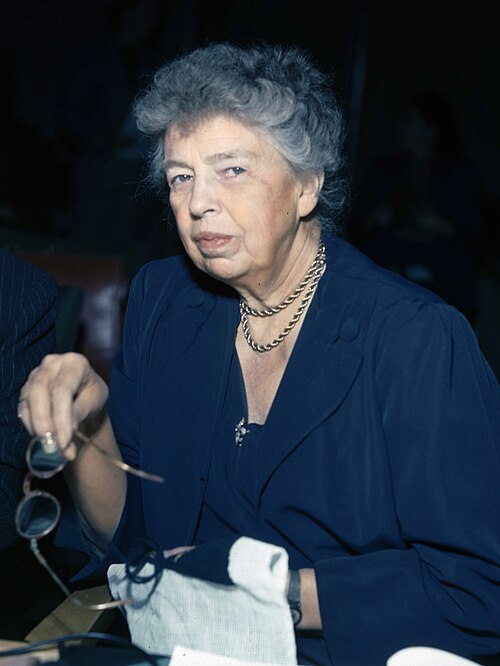
Human rights
1884–1962
FDR Presidential Library & Museum · CC BY 2.0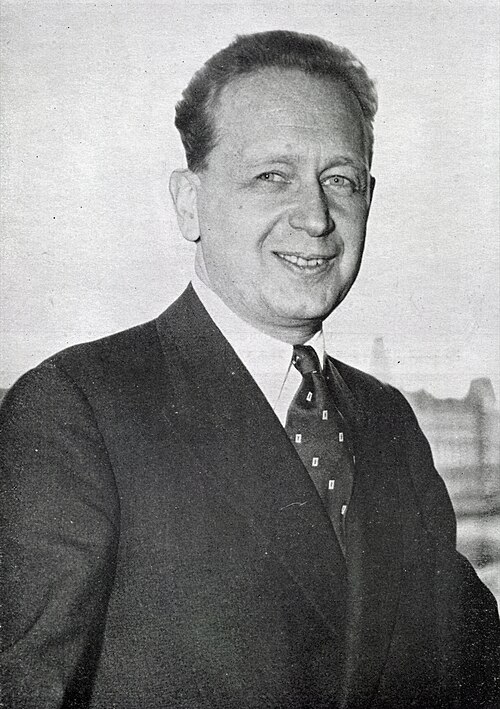
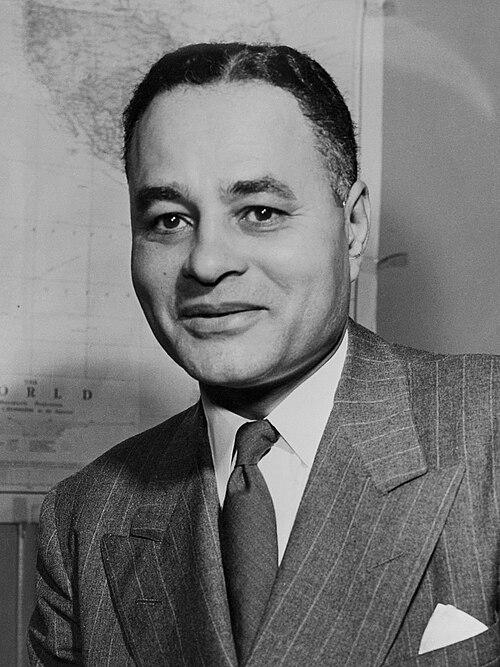
UN diplomacy
1905–1961
Unknown author Unknown author · Public domain
Asia diplomacy
1948–
World Economic Forum from Cologny, Switzerland · CC BY-SA 2.5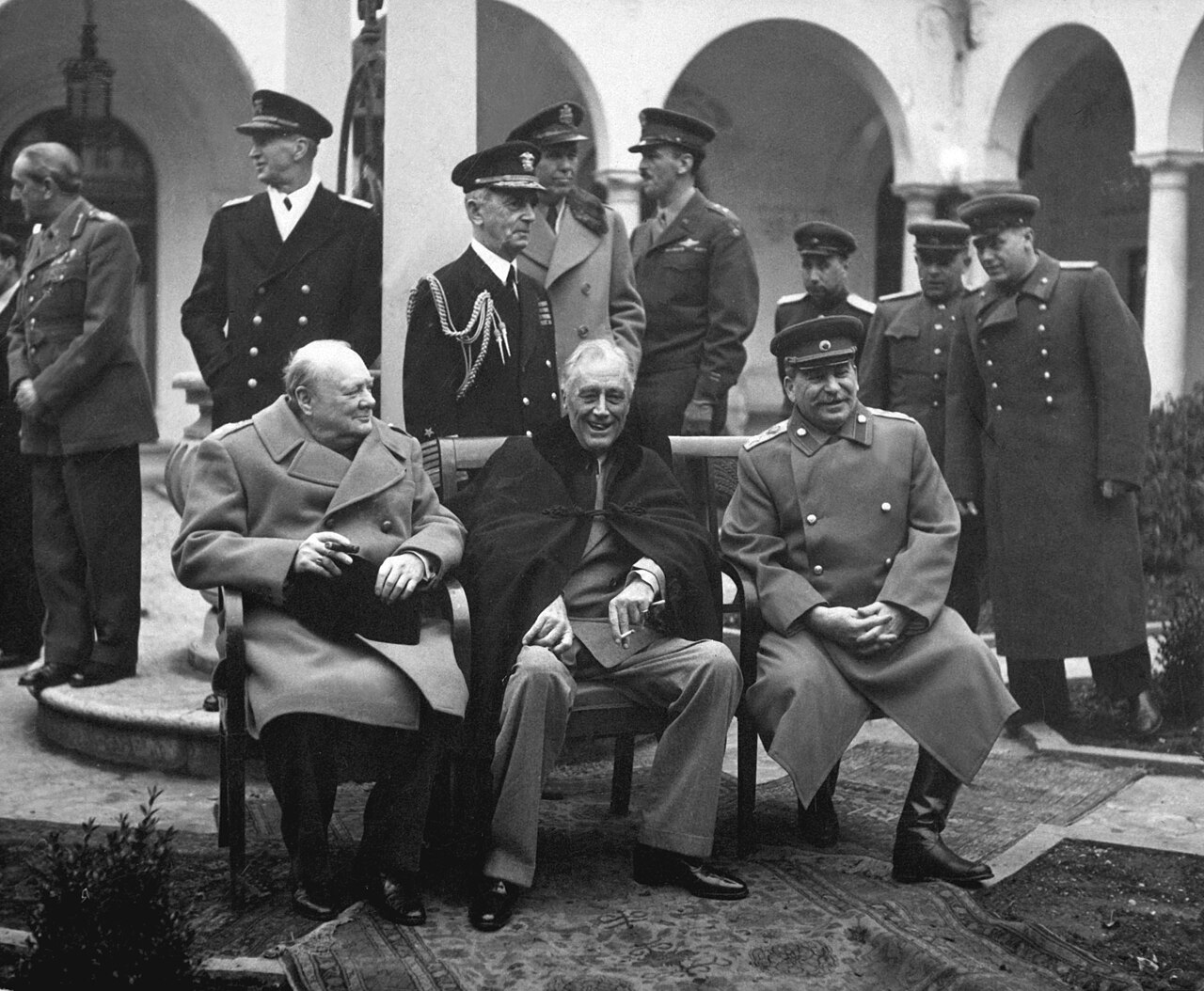
Diplomat is a common outcome cluster for international relations graduates when core fits their elective and placement choices.
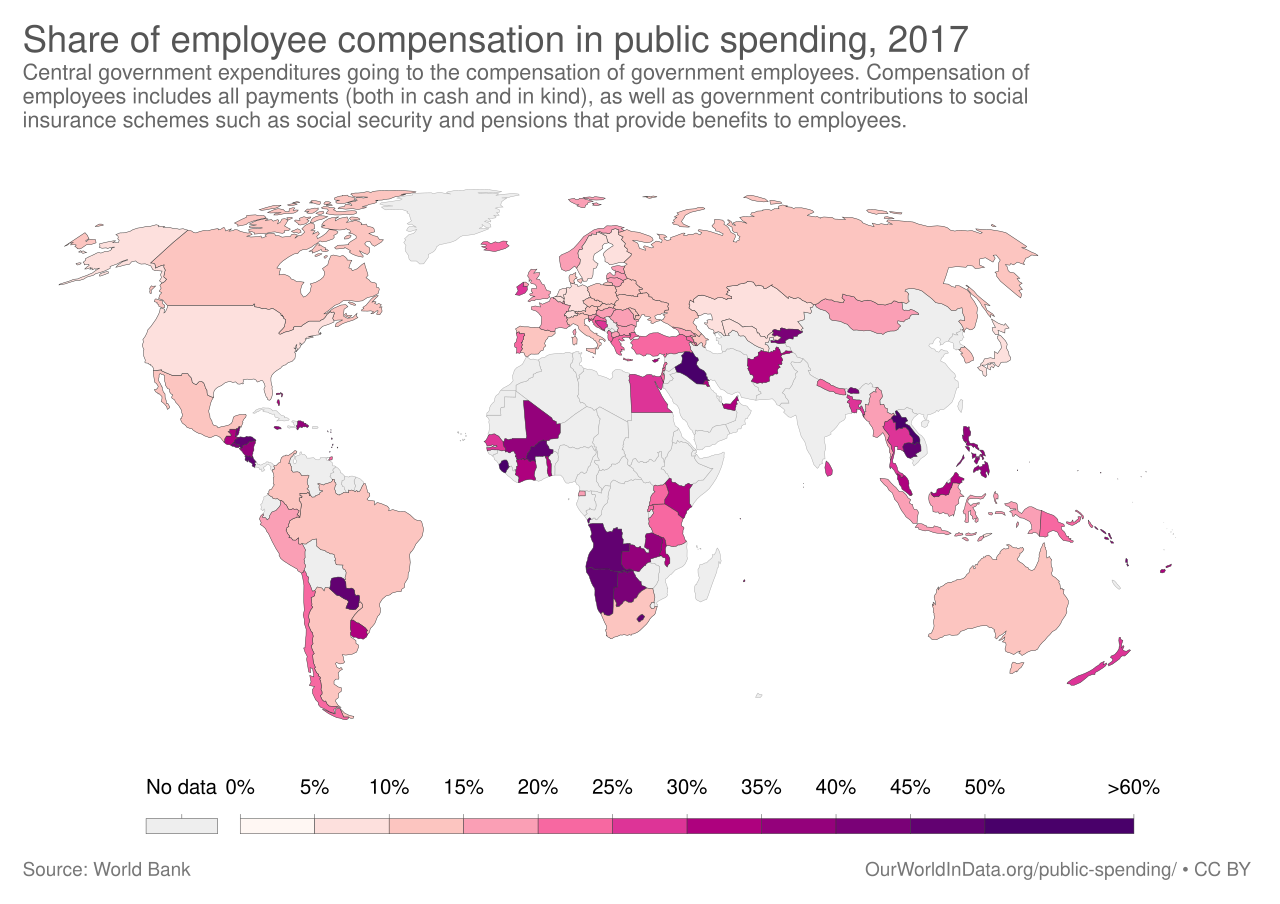
Civil servant is a common outcome cluster for international relations graduates when foreign ministry fits their elective and placement choices.
Journalist is a common outcome cluster for international relations graduates when foreign desk fits their elective and placement choices.
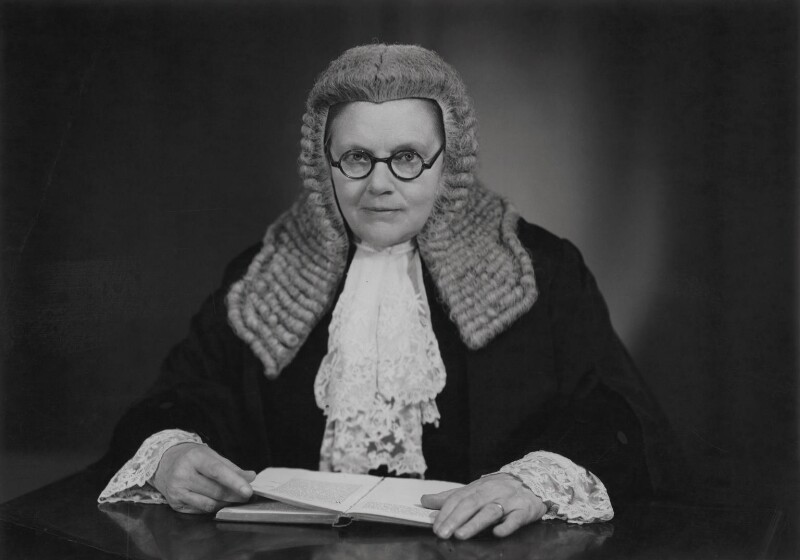
Lawyer is a common outcome cluster for international relations graduates when intl law fits their elective and placement choices.
UN/IO officer is a common outcome cluster for international relations graduates when multilateral fits their elective and placement choices.
Risk analyst is a common outcome cluster for international relations graduates when firms fits their elective and placement choices.
NGO director is a common outcome cluster for international relations graduates when field fits their elective and placement choices.
Intelligence analyst is a common outcome cluster for international relations graduates when security fits their elective and placement choices.
Build vocabulary and habits; seek near-peer tutoring before gaps compound.
Choose a track; collect artefacts (code, essays, clinics, portfolios) employers can inspect.
Public synthesis under supervision; convert into references and a coherent story.
Junior roles, rotations or graduate schemes; learning speed matters more than title.
Licensure, senior ownership or founding — field-dependent gates apply.
School or tutoring paths for those who can explain foundations clearly.
Bridge to postgraduate study when labs or archives have funding.
Translate the field for ministries, NGOs or newsrooms.
Products or services that package a practised skill for a paying niche.
Problem sets, portfolios, essays or auditions that mirror first-year reality — not only entrance exams.
Papers, codes, cases or scores beat summary channels for real vocabulary.
A clinic, newsroom, studio or site visit reveals hours and hierarchy better than brochures.
If you need a licence later, confirm the programme is recognised where you intend to practise.
A major is a training path. A job is a labour-market role. Keep both maps open and update them yearly.
Argument under rules — statutes, cases, procedure and the power to bind strangers.
Employability 74 🏛️Power, institutions and ideas — how states decide, fail and reinvent themselves.
Employability 60 👥How groups make worlds — class, institutions, methods and the politics of categories.
Employability 58 🤝Practice with people under strain — casework, systems, law and the ethics of intervening.
Employability 82