Jomon–Heian
Sea and grain
Foraged coasts and incoming rice built a fish-and-grain pantry.
Japanese cuisine · Dashi, rice and seasonal restraint: washoku from sushi counters to home miso soup.
Milestones in order. This is history, not a weekly activity grid.
Darker cells mean a higher score for this topic on that metric.
LessMore
Last reviewed Sources & creditsMedia creditsMethodology
和食 is the everyday Japanese meal system: rice, soup, pickle and seasonal sides. Sushi is one famous register, not the whole cuisine.
Rarely in the chili sense. Wasabi, sansho, ginger and pickles provide sharpness. Okinawa and some ramen shops are the exceptions.
A stock, usually kombu kelp plus katsuobushi (dried bonito), sometimes shiitake or sardine. It is the umami chassis of soups and simmered dishes.
Fish quality, rice skill, waste and the cook's time. Conveyor and supermarket sushi are different products with different fish.
No. Slurping ramen and soba is ordinary. Sticking chopsticks upright in rice is the actual funeral-adjacent error.
Washoku as an everyday social practice (2013), not a single restaurant style.
Japanese cuisine did not arrive as a single national plate. Its older structure is visible in Sushi, Dashi and the regional kitchens that still disagree.
Court, village and street cooked on different clocks. The ten-point timeline below keeps those clocks in view rather than flattening them into a brand story.
和食 (washoku) grew from rice, fermented soy and a kelp-and-bonito stock (dashi). Edo street sushi and temple shojin ryori are both ancestors of the modern table.
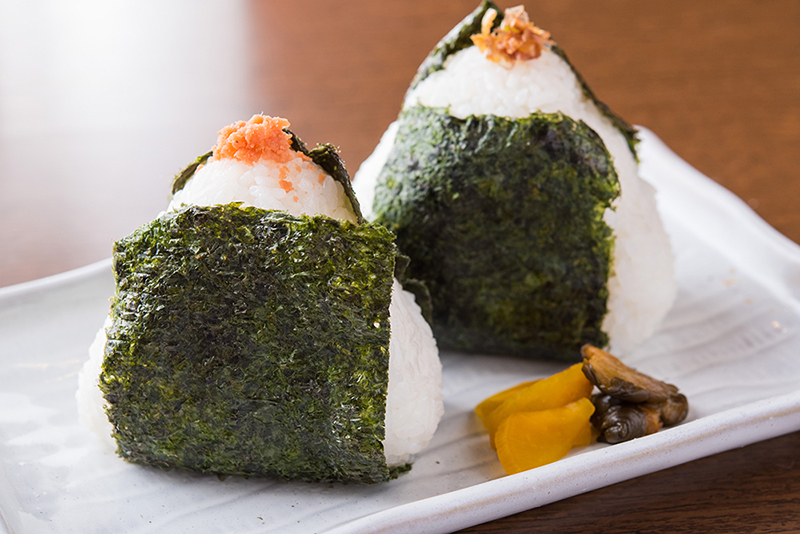
Wet-rice farming spread through the archipelago and made bap/gohan the meal's centre.
Temple cooking and a meat taboo (unevenly kept) pushed fish, pickles and soy ferments forward.
Kelp from the north entered court and temple stocks — the long prehistory of dashi.
Nigiri sushi, soba and tempura stalls fed a huge city on the move.
Iberian fritter technique met Japanese batter and became tempura.
Meiji Western dishes — tonkatsu, curry rice, korokke — were absorbed as Japanese home food.
Kikunae Ikeda isolated glutamate from kombu and named umami.
Momofuku Ando's Chicken Ramen industrialised a Chinese-Japanese noodle into a world pantry item.
US and later European sushi bars turned nigiri into a global luxury-casual hybrid.
The everyday meal system was listed as intangible heritage.
Foraged coasts and incoming rice built a fish-and-grain pantry.
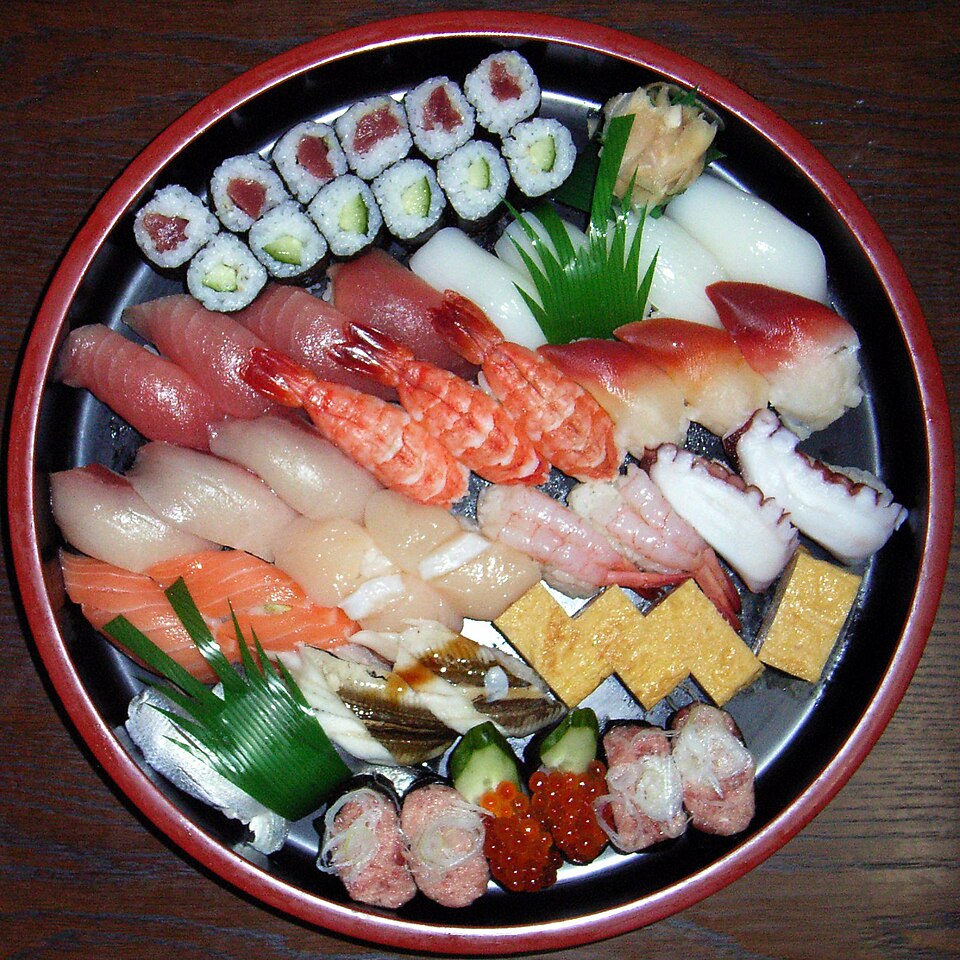
Edo's density invented fast sushi and a street fry culture.
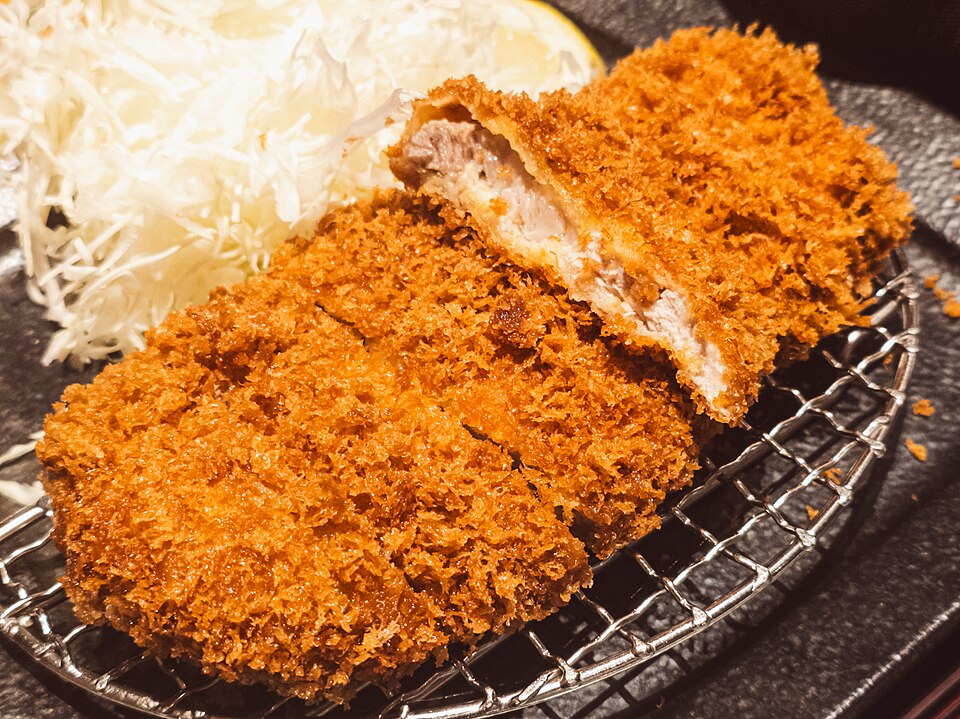
Cutlets, curry and beef entered the home table without erasing miso soup.
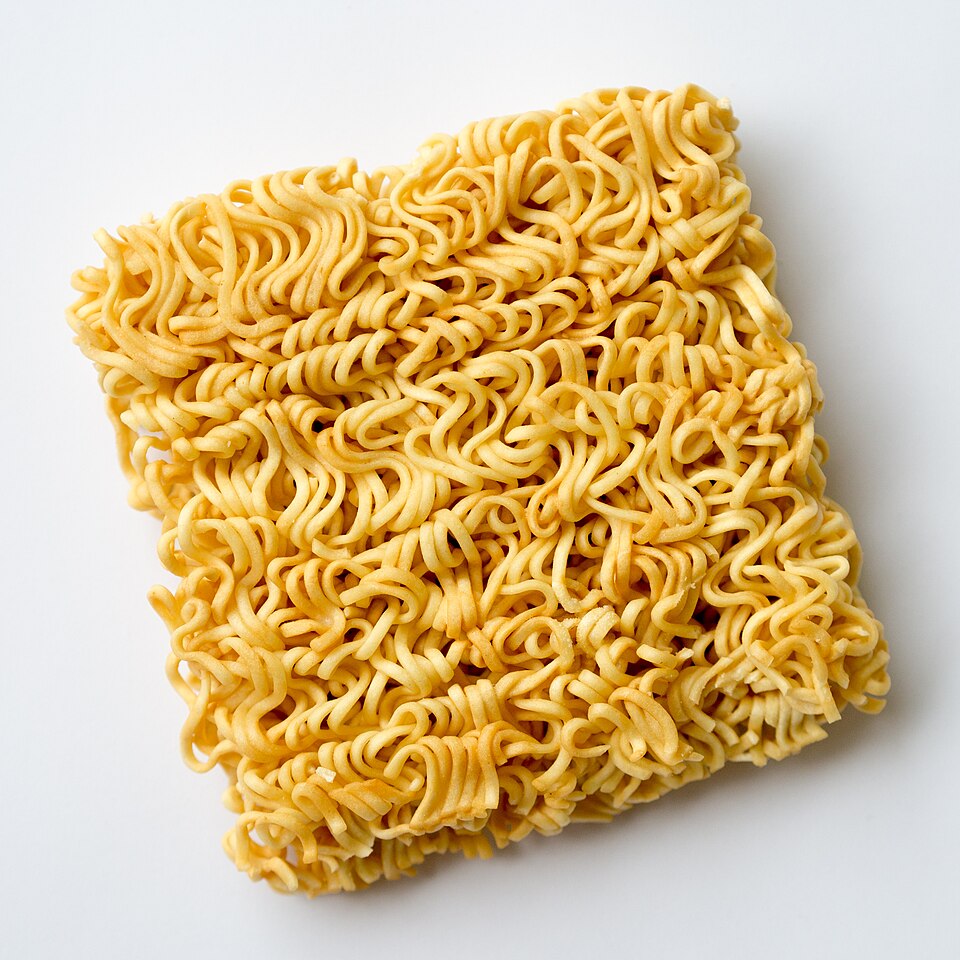
Instant ramen and department-store depachika rebuilt everyday eating.
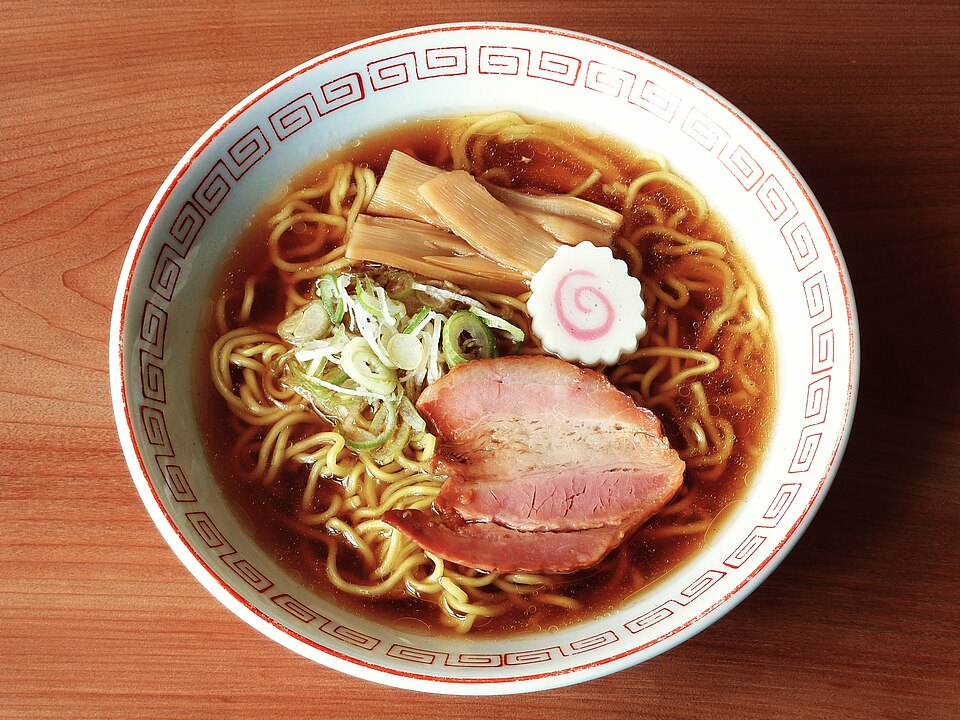
Two dishes came to stand for a much wider home cuisine.
Kombu and katsuobushi extraction became the shared stock of home and restaurant.
A scientific name for what washoku kitchens already tasted.
UNESCO framed the everyday meal, not only kaiseki, as heritage.
A history of Japanese cuisine that starts at the airport restaurant will miss the ferments, markets and labour that actually built the table.
Fermented heat and shared grills: kimchi, gochujang and banchan from the Korean Peninsula.
Overall 76 🥟Eight great traditions, one wok logic: soy, rice, wheat and the regional map behind "Chinese food".
Overall 80 🍲Herbs, nuoc mam and a French-colonial overlay: pho, banh mi and the regional split from Hanoi to the Mekong.
Overall 68 🌶️Hot, sour, salty, sweet: nam prik, fish sauce and the regional map from Bangkok street to Isan grilled chicken.
Overall 77