Skip to content

🍣Taste

Japanese cuisine · Dashi, rice and seasonal restraint: washoku from sushi counters to home miso soup.

The dishes that carry Japanese cuisine are the ones a market cook and a home kitchen would both recognise.

Eight signatures below explain the table to a first-time diner and to a grocer stocking the aisle.

Podium

Ramen
Ramen
Japan
2
Sushi
Sushi
Japan
1
Miso soup
Miso soup
Japan
3

The legends

1
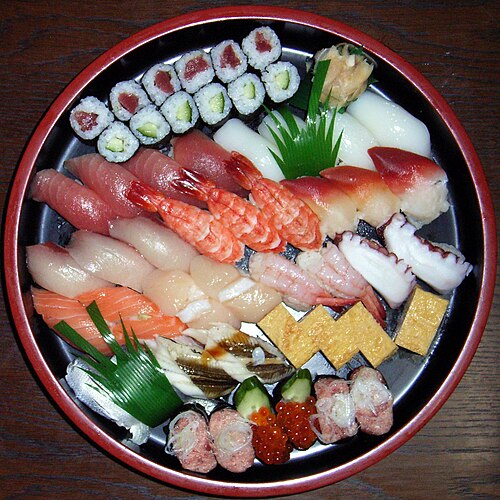
Nigiri sushi chidorian from Japan · CC BY-SA 2.0

Sushi

Japan · Edo–present

Vinegared rice with raw or cured fish. Edo nigiri is the global picture; pressed oshizushi and scattered chirashi are older cousins.

Story

Hanaya Yohei is credited with fast nigiri in nineteenth-century Edo. The modern omakase counter is a postwar luxury form.

“Rice temperature and seasoning matter as much as the fish.”

Reach
global icon
Craft
counter
Heat
wasabi
2
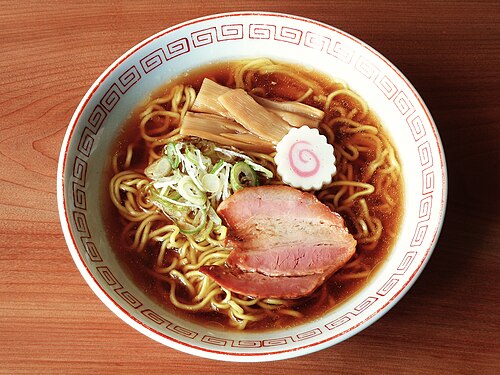
Ramen bowl Quercus acuta · CC BY-SA 4.0

Ramen

Japan · 20th c. staple

Wheat noodles in a broth that may be shoyu, shio, miso or tonkotsu. A Chinese import thoroughly Japanised.

Story

Regional bowls — Sapporo, Hakata, Kitakata — are treated like football clubs.

“Broth labour can be 12 hours; the diner's labour is to slurp before the noodles soften.”

Reach
export
Umami
broth
Street
shops
3
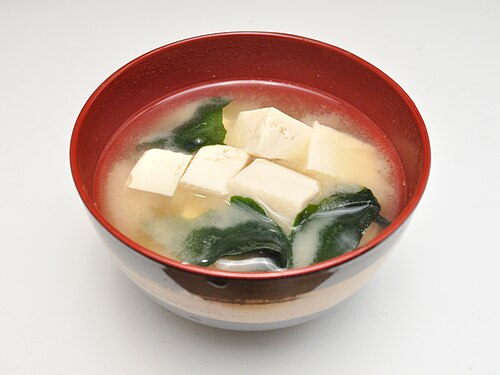
Miso soup bowl Ocdp · CC0

Miso soup

Japan · staple

Dashi plus miso, tofu, wakame or seasonal extras. The daily soup of teishoku.

Story

White, red and mixed miso change the bowl more than any garnish.

“If the soup is an afterthought, the meal is not washoku.”

Reach
daily
Umami
miso+dashi
Heat
none
4
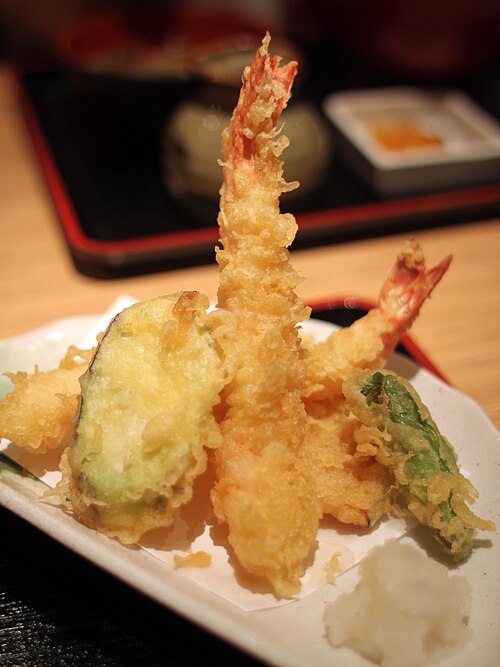
Tempura platter Yaco* · CC BY 2.0

Tempura

Japan · 16th c.–

Items fried in a thin batter, likely influenced by Portuguese peixinhos da horta, then refined into a Japanese craft.

Story

Specialist shops fry one piece at a time; home tempura is a different, oilier animal.

“Oil temperature and batter ice are the whole technique.”

Reach
wide
Craft
fry
Heat
tentsuyu
5
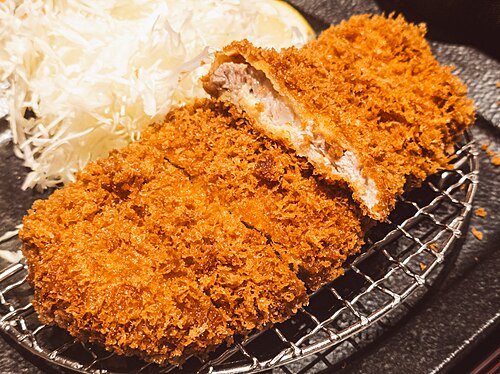
Breaded pork cutlet KoZ · CC BY-SA 4.0

Tonkatsu

Japan · Meiji staple

Panko-breaded pork cutlet, a Meiji-era yoshoku (Western-style) dish that became fully Japanese with shredded cabbage and Worcestershire-like sauce.

Story

Hire vs rosu is the first question a tonkatsu shop asks.

“Yoshoku is Japanese cuisine, not a betrayal of it.”

Reach
lunch
Crunch
panko
Heat
sauce
6
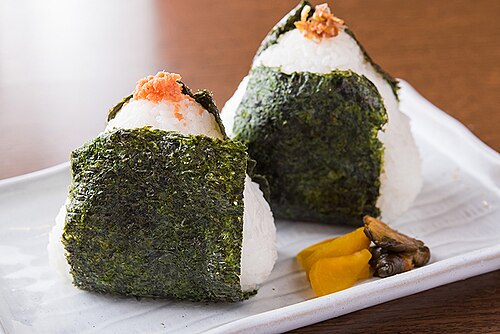
Nori-wrapped rice balls 脇山航 · CC BY-SA 4.0

Onigiri

Japan · staple

Rice balls with umeboshi, salmon or tuna-mayo, wrapped in nori. The convenience-store and picnic form of washoku.

Story

7-Eleven onigiri are a national industrial craft with surprisingly high rice standards.

“A cuisine is serious when its snack rice is still seasoned correctly.”

Reach
everyday
Portable
bento
Heat
none
7
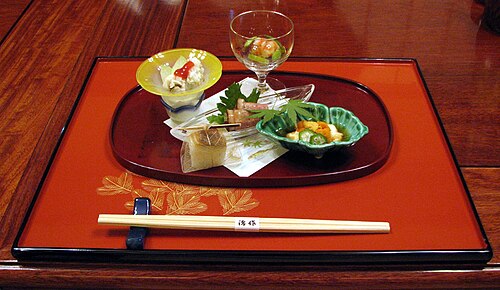
Kaiseki courses Unknown author · CC BY-SA 3.0

Kaiseki

Japan · tea / restaurant

A sequenced seasonal meal from tea-ceremony roots. The high-technique face of washoku.

Story

Kyoto kaiseki and Tokyo counter kaiseki disagree about sweetness, pottery and how much the diner should be lectured.

“Seasonality here is a labour cost, which is why the price spread of Japanese dining is so wide.”

Reach
special
Craft
season
Price
high
8
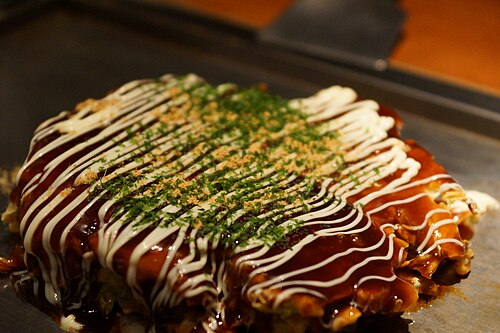
Savoury pancake on a griddle ume-y · CC BY 2.0

Okonomiyaki

Japan · Osaka / Hiroshima

A cabbage-and-batter griddle cake. Osaka mixes everything; Hiroshima layers noodles. Both claim the authentic pile.

Story

Postwar street stalls made it a cheap full meal. Tourist streets now perform the spatulas.

“Kansai comfort food that never needed sushi's prestige.”

Reach
regional
Street
teppan
Heat
mayo+sauce

Stats are relative 0–100 marks within this cuisine, for comparison only.

Comparison Lab

Toggle icons on and off — every bar rescales to the leader of your selection.

5 / 8

Debate

What counts as sushi?

Edomae nigiri versus California rolls — a purity fight that ignores how Edo sushi itself was fast food.

Is ramen Japanese?

Yes, as a Japanised Chinese import — the same way tonkatsu is Japanised European fry.

Keep exploring

More in East Asia