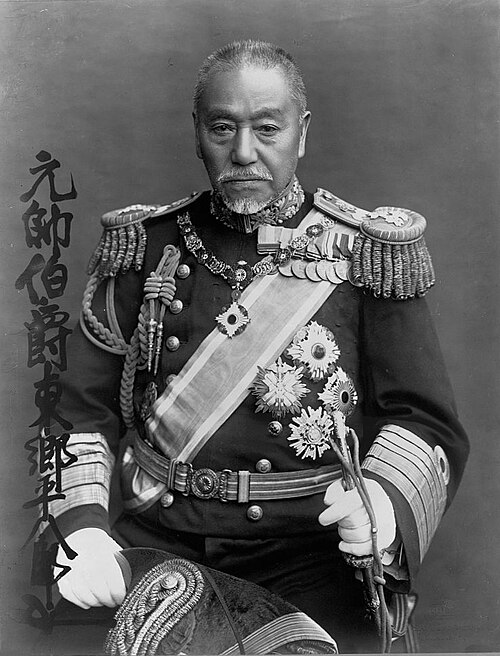
Togo Heihachiro
The Nelson of Japanese (and English naval) memory. His turn is the diagram; his war also enabled a protectorate.
Day
3
Flag
3
After
3
People and debates around Battle of Tsushima.
Educational history. Casualty figures are documented ranges. This is not operational advice, a ranking of nations, or a how-to for weapons or coups.
Darker cells mean a higher score for this topic on that metric.
LessMore
Last reviewed Sources & creditsMedia creditsMethodology
No. Scores are browsing aids inside an era-bounded atlas — not live league tables of countries.
Russian dead and drowned number in the thousands; Japanese dead in the hundreds. Treat published figures as a lopsided band, not a parade integer.
A exhausted fleet after a world cruise, a fresher Japanese fleet on interior lines, better gunnery and tactics that day, and a meeting on Togo's chosen water.
A line-of-battle geometry in which Togo's fleet brought broadsides to bear on the Russian van. It is a 1905 event in the diagrams, not a lesson to apply to modern missiles.
It recognised Japan's paramount interest in Korea. The Eulsa protectorate followed in November 1905; annexation in 1910. The naval victory had a colonial sequel.
Both were short, decisive fleet actions that recast who could use the sea. 1905 was battleships; 1942 was carriers. Do not flatten them into one "decisive battle" brand.
Togo and Mikasa are the Japanese/English pair. Rozhestvensky is the tragic voyage. An Jung-geun is the Korean political icon of the sequel.
Roosevelt at Portsmouth is the US diplomatic icon.
The Nelson of Japanese (and English naval) memory. His turn is the diagram; his war also enabled a protectorate.
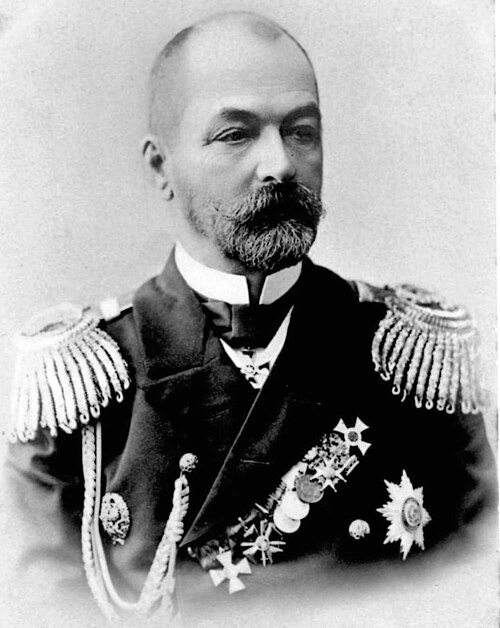
Brought a tired fleet around the world and into a prepared enemy. Wounded and captured.
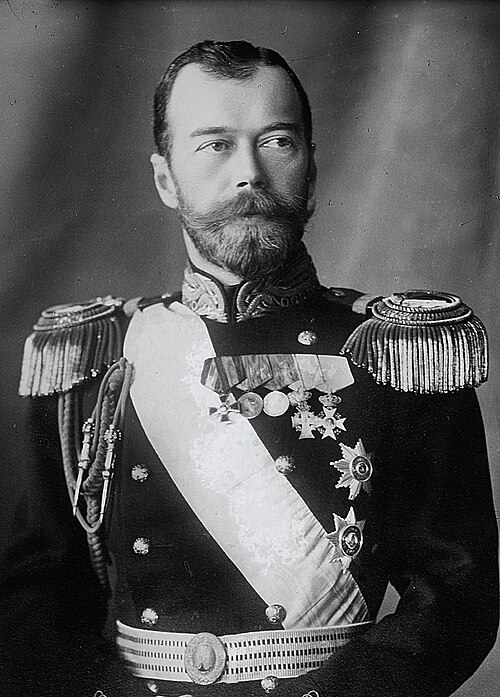
The war and 1905 revolution share a year. Tsushima was a throne shock.
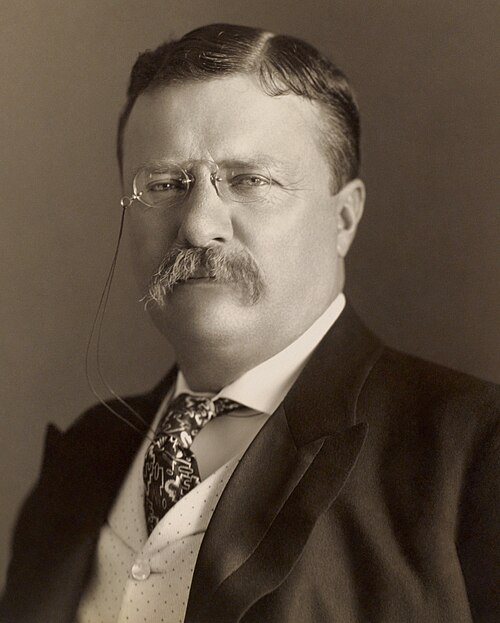
Portsmouth won him a Nobel and wrote Japan into Korea -- a US diplomatic hinge.
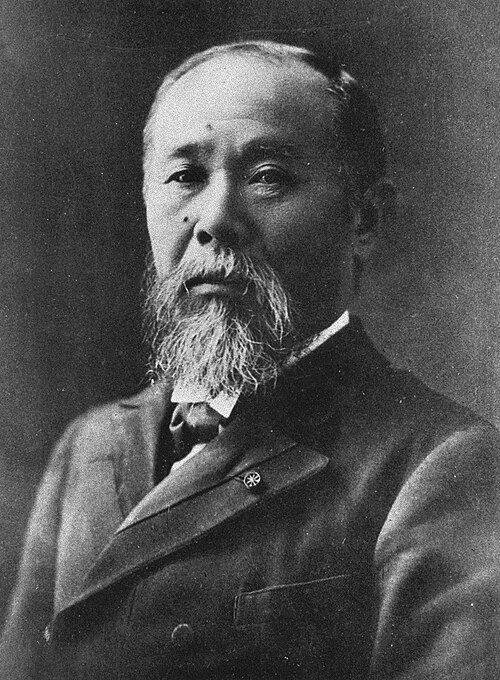
Resident-general in Korea after Eulsa -- the political face of the naval sequel. Assassinated in 1909 by An Jung-geun.
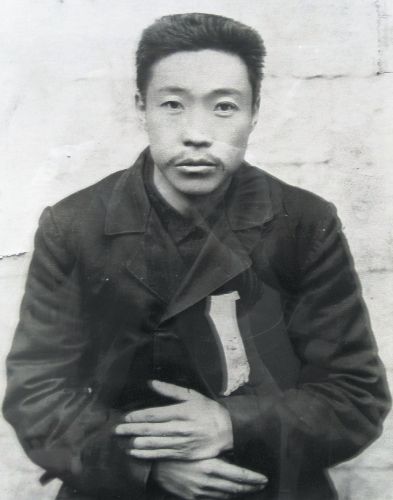
Killed Ito in Harbin in 1909 -- a Korean icon of resistance to the order Tsushima helped make. Teach him beside Togo, not instead of the battle facts.
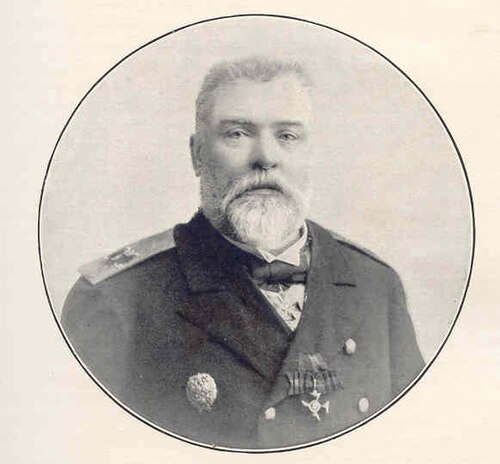
Surrendered remnants on 28 May -- a court-martial name in Russian memory.
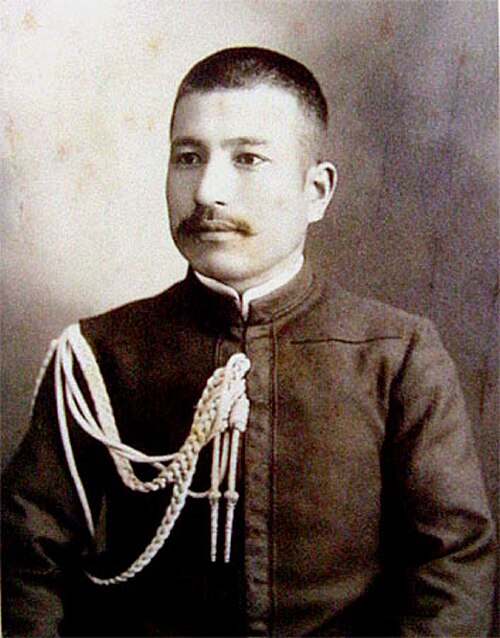
Akiyama Saneyuki is the staff-college name behind Togo in many Japanese accounts.
Both: Togo fought well; Rozhestvensky arrived already half-lost. Serious accounts keep the cruise in the paragraph.
A flattering English analogy that hides the Korean protectorate. Use it only to retire it.
Do not hang Togo without hanging Eulsa.
Trafalgar talk should last one sentence, then return to Busan's water.