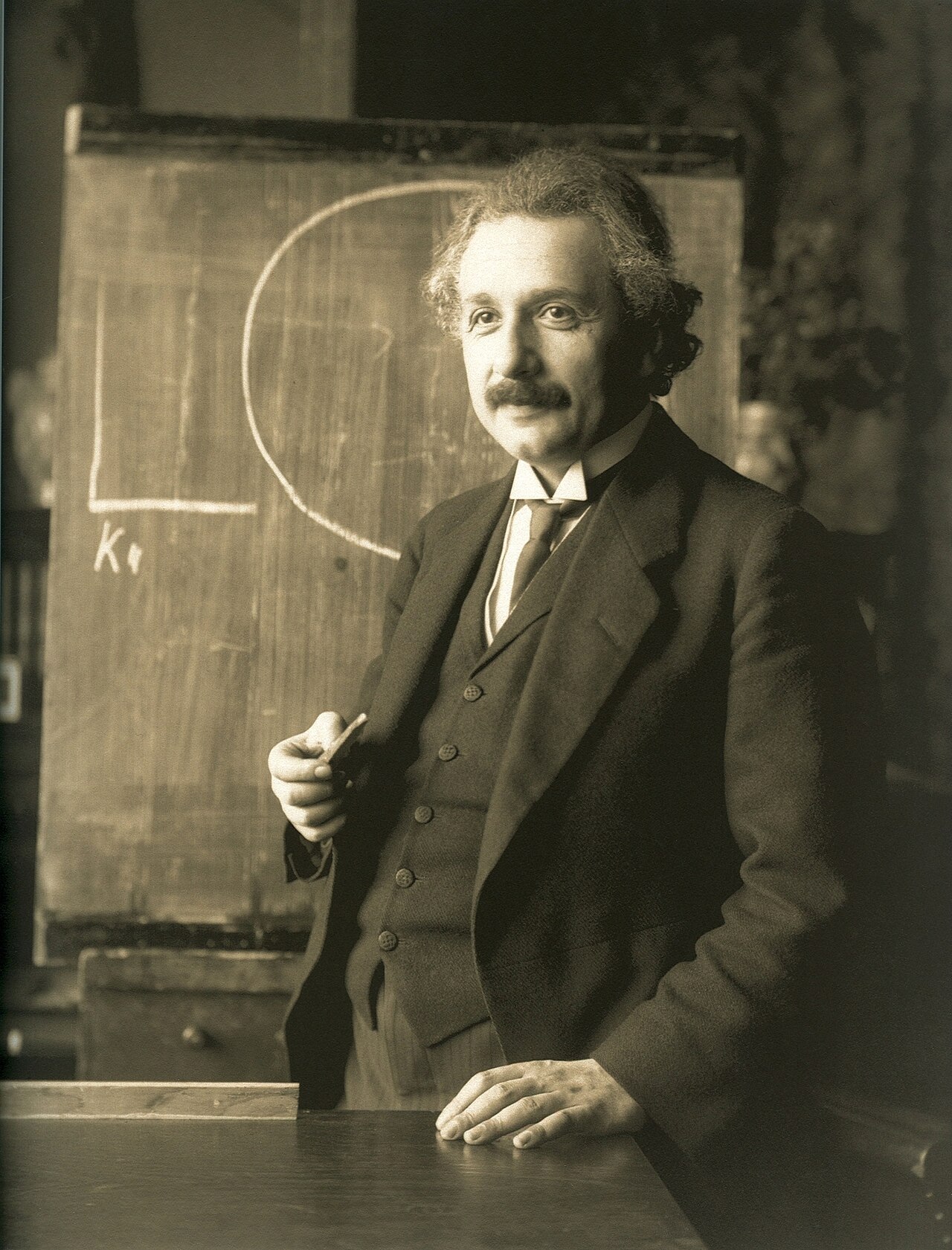
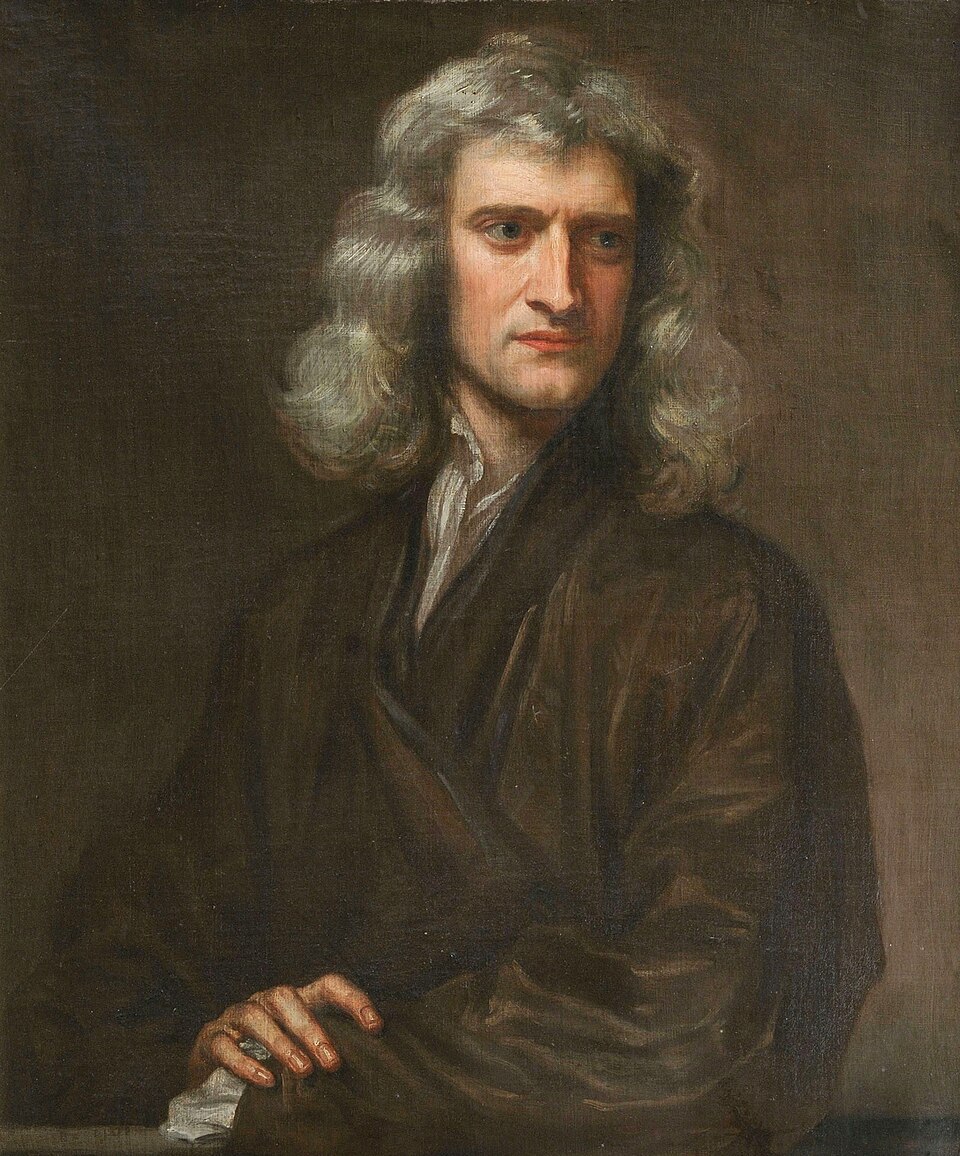
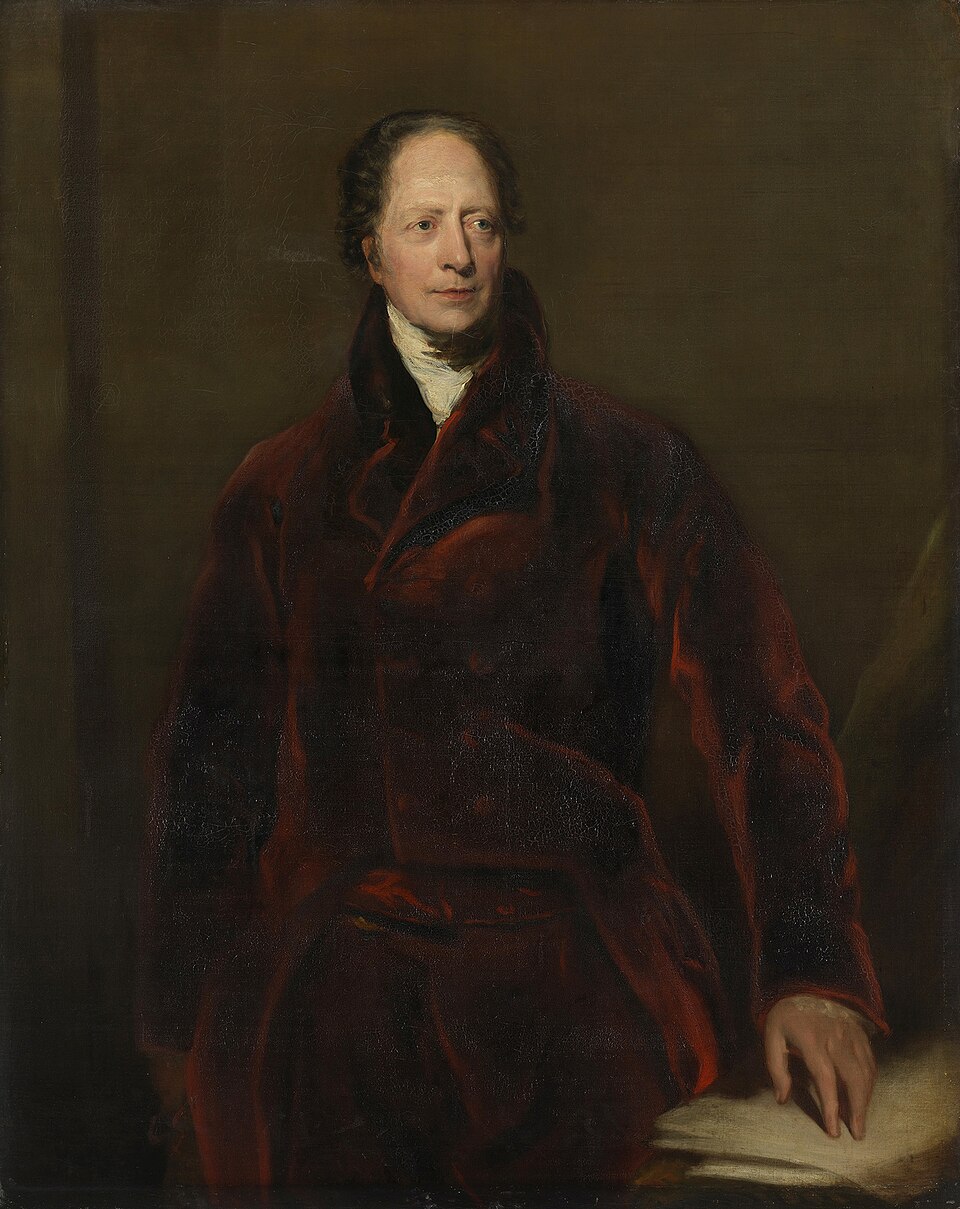
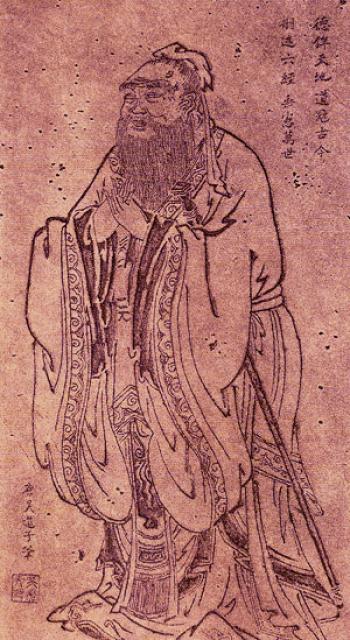
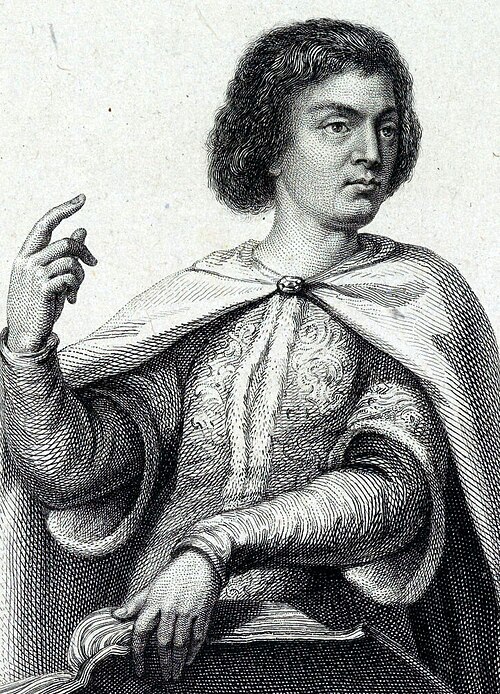
The title comes from the Latin profiteri, "to declare publicly": a professor is someone who professes a subject, openly, for a living. The role is older than the university itself — Plato taught in an Athenian grove for four decades, Confucius accepted any student who could offer a bundle of dried meat, and the scholars of ninth-century Fez and eleventh-century Bologna organized teaching into institutions that still operate today. The modern professor, half teacher and half researcher, is a much younger invention, dating to Berlin in 1810.
There is one standard route in almost everywhere: a doctorate, then years of temporary research posts, then a permanent academic appointment that most doctorate-holders never obtain. The training is long not because the knowledge is dangerous, as in medicine, but because the job demands something rarer — producing knowledge that did not exist before, and defending it in public before rivals who are paid to find its flaws. Selection happens continuously, and mostly through publication.
This page follows the profession from the Academy and the medieval masters' guilds through Humboldt's research university and the postwar boom that multiplied faculties worldwide. It covers how people actually become professors today in different countries, what the working week really contains beyond the lecture, who reached the top of the craft across twenty-five centuries, and how much of the job artificial intelligence can realistically absorb.
Roughly the content-delivery and first-pass-assessment layer of the job is automatable now or soon: recorded and AI-assisted instruction, routine grading, literature triage, administrative reporting. The core — choosing research questions, supervising apprentice researchers, refereeing what enters the canon, and answering for the certification of students — requires accountable expert judgment that no current system can carry. The realistic near-term future is fewer purely teaching roles and more machine leverage per professor, not the disappearance of the chair.
At research universities, almost always: the doctorate is the profession's baseline credential in nearly every country. The main exceptions are professors of practice — distinguished judges, architects, artists or executives appointed to teach their craft — and some conservatoire and fine-arts traditions where a professional reputation substitutes for a doctorate. German-speaking systems historically demanded even more: a second, post-doctoral thesis called the Habilitation.
How long does it take to become a professor?
Typically ten to fifteen years after secondary school: a bachelor's degree of three to four years, a doctorate of four to seven, then two to six years of postdoctoral or fixed-term posts before a first permanent appointment. Tenure or an equivalent permanent status usually arrives in a candidate's mid-to-late thirties, and in German-speaking and some Asian systems often later still.
What is tenure, and why does it matter?
Tenure is an indefinite appointment that can be revoked only for serious cause, designed to protect scholars who publish unpopular findings. The American standard was set by the AAUP's 1940 Statement of Principles, typically after a six-year probation and an up-or-out review. Other systems protect professors differently: German professors are civil servants, while the UK abolished formal tenure in its 1988 Education Reform Act.
What is the difference between assistant, associate and full professor?
In the North American system they are career ranks: assistant professors are on probation for tenure, associate professors have usually just earned it, and full professors have passed a second promotion review. In the UK and much of the Commonwealth, the ladder runs lecturer, senior lecturer, reader, professor — so "professor" there means only the top rank, not any university teacher.
How much do professors earn?
It varies more by country and rank than most people expect. US full professors averaged roughly $150,000–$170,000 in 2024, with Swiss chairs among the world's best paid at over CHF 200,000; UK professors typically earn £75,000–£100,000, and Indian government-university professors around ₹25–35 lakh. At the other pole, US adjuncts teaching per course commonly receive only $3,000–$4,000 per class.
Do professors spend more time teaching or doing research?
It depends entirely on the institution. A research-university post is nominally split roughly 40 percent research, 40 percent teaching and 20 percent service, though grant deadlines routinely bend that. Teaching-focused institutions can assign four or more courses per term, leaving research to evenings. Faculty time-use surveys in several countries consistently report total working weeks of fifty hours or more across both kinds of job.
How hard is it to get a permanent professorship?
Harder than almost any comparison suggests, because doctorates are produced far faster than permanent posts open. In many humanities fields a single tenure-track opening draws several hundred applications, and in most rich countries only a minority of PhD graduates ever hold a permanent academic job. The realistic plan treats the doctorate as preparation for several careers, of which professor is one possibility.
Will AI replace professors?
The exposed parts are content delivery and first-pass assessment: recorded lectures, AI tutors and automated grading already carry real weight, and Georgia Tech ran an AI teaching assistant students didn't detect back in 2016. What resists automation is the rest of the job — choosing which questions are worth asking, supervising apprentice researchers, and taking responsibility for certifying what counts as competence and truth.