16 min read
Open brain atlas →
Quick facts
mood and stress circuitsFocus
66/100Research
43/100Awareness
49/100Complexity
61/100Clinical
61/100Debate
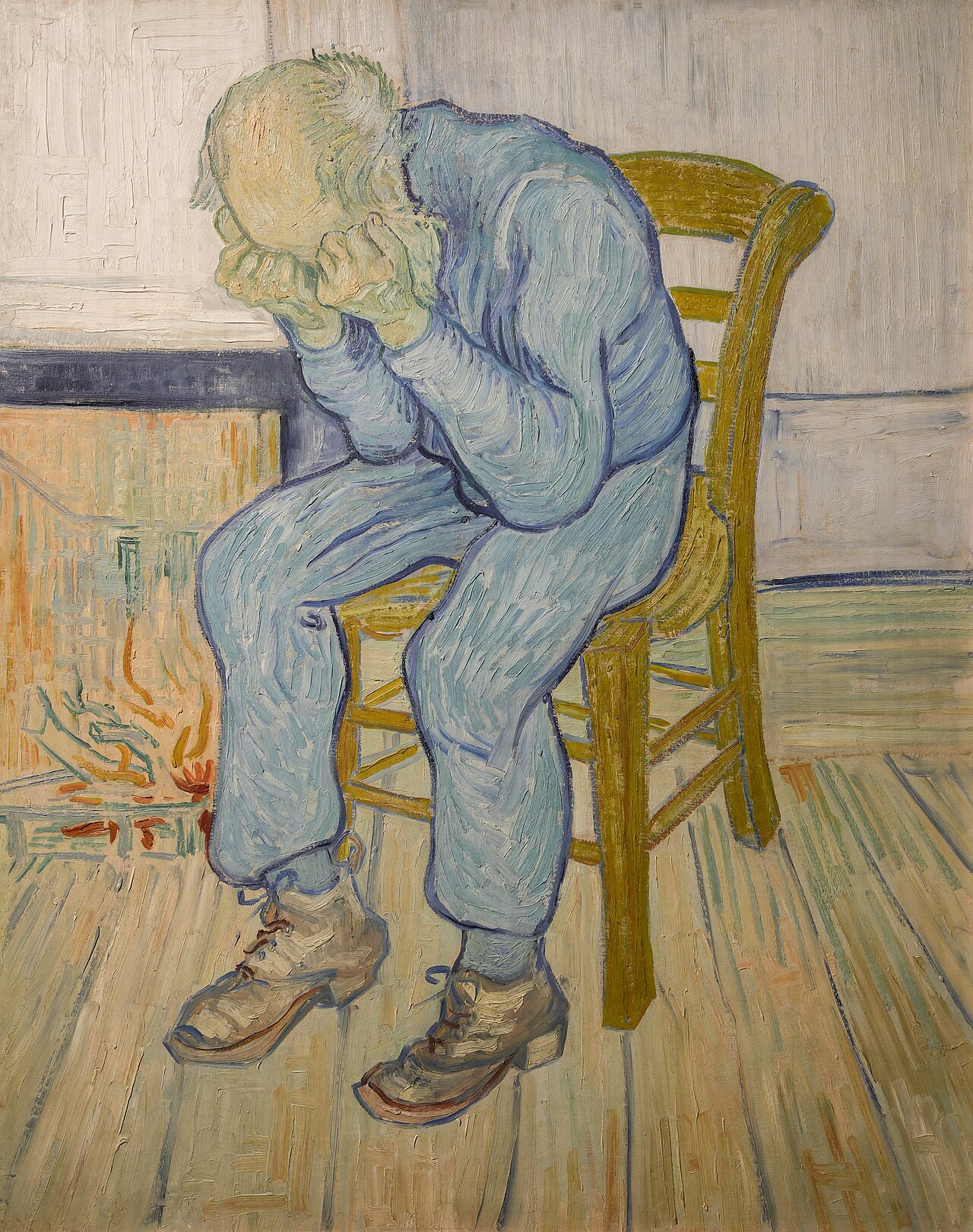
Depression sits at the centre of mood and stress circuits — studied across molecules, circuits, behaviour and clinic.
Scores compare research, awareness, complexity, clinical weight, plasticity and debate across the atlas.
Educational neuroscience context only — not medical advice or diagnosis.
66ResearchEditorial 0–100 browsing aid within this atlas.
43AwarenessEditorial 0–100 browsing aid within this atlas.
49ComplexityEditorial 0–100 browsing aid within this atlas.
61Clinical weightEditorial 0–100 browsing aid within this atlas.
Depression — concrete atlas depth on Tool-Lifes.
Open the brain quiz
Depression — concrete atlas depth on Tool-Lifes.
The profile
- Research66
- Awareness43
- Complexity49
- Clinical weight61
- Plasticity41
- Live debate61
Seven ways into this topic
Frequently asked questions
Where should I start with Depression?
Read Overview → Anatomy → Function, then use compare rails.
Is this page advice for Depression?
Educational atlas — not a diagnosis, treatment plan, or medical advice.
What does the local lens add?
It names everyday desks for Disorders before English norms look universal.
Are the scores a ranking of Depression?
No — editorial 0–100 browsing aids inside this atlas only.
How do I compare Depression to neighbours?
Use related cards and best-of / quiz rails after the first three chapters.
Which chapter is densest?
Anatomy and Function carry mechanisms; skim Overview first.
Can I cite these scores externally?
Treat them as atlas orientation, not certificates or forecasts.
What should I check before acting?
Primary desks for Disorders: clinics, schools and research labs.
More in Disorders
🌫️
Alzheimer's Disease
Progressive dementia driven by protein pathology and network failure.
🤲
Parkinson's Disease
Dopamine circuit loss, movement symptoms and non-motor features.
⚡
Stroke
Sudden vascular injury — time, territory and the race to recover.
⚡
Epilepsy
Hyperexcitable networks, seizures and modern treatment options.
🌀
Schizophrenia
Perception, belief and cognition when predictive models go awry.
💢
Migraine
Sensory gain, aura and the brain’s recurrent pain networks.
📱
ADHD
Attention control, impulsivity and developmental self-regulation.
🧩
Autism Spectrum
Neurodevelopmental diversity in social communication and sensory processing.
🧬
Multiple Sclerosis
Immune attack on myelin — disconnection across white-matter highways.
🩹
Traumatic Brain Injury
Mechanical insult, diffuse injury and the long arc of recovery.
🔁
Addiction
Compulsive seeking when reward prediction and control circuits tip.
😰
Anxiety
Threat circuitry, worry loops and avoidance — how brains over-predict danger and how care can recalibrate risk.
⚖️
Bipolar Disorder
Mania, depression and the networks between — mood-state biology, sleep disruption and evidence-based stabilising care.
🛡️
PTSD
Trauma memory, hyperarousal and avoidance — how threat learning overgeneralises and how evidence-based care supports recovery.