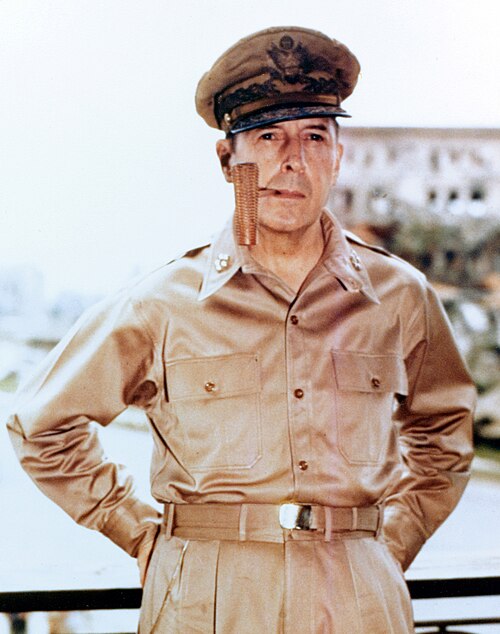
Douglas MacArthur
Forced Chromite through, then overreached north. Relieved 11 April 1951 for a later argument.
Op
3
Ceremony
3
Relieved
3
People and debates around Battle of Inchon.
Educational history. Casualty figures are documented ranges. This is not operational advice, a ranking of nations, or a how-to for weapons or coups.
Darker cells mean a higher score for this topic on that metric.
LessMore
Last reviewed Sources & creditsMedia creditsMethodology
No. Scores are browsing aids inside an era-bounded atlas — not live league tables of countries.
UN/ROK killed in the Inchon-Seoul operation are usually given in the hundreds. KPA dead and captured were much higher. Civilian deaths in Seoul's recapture are part of a wider 1950 urban ledger -- use ranges, not a fake precision.
Surprise, naval/air preparation, KPA overstretch in the south, and a plan fitted to tides. It was not magic and not costless.
Tides, mudflats, channels, and seawalls -- Inchon was a hydrographic nightmare on paper. The sceptics were not cowards; they were sailors who could read a chart.
No. It ended the first campaign. The war continued until 27 July 1953, after Chinese intervention.
MacArthur at UNC; Admiral Doyle afloat; General Almond (X Corps); Marine generals (Smith and others) on the landing force; ROK units under the same operation.
MacArthur in the jeep is the English/US icon. Doyle's tide book should sit beside it. Rhee in the Capitol ruin is the Korean political icon.
Almond vs Smith is the US intramural that still spices Marine memoirs.
Forced Chromite through, then overreached north. Relieved 11 April 1951 for a later argument.
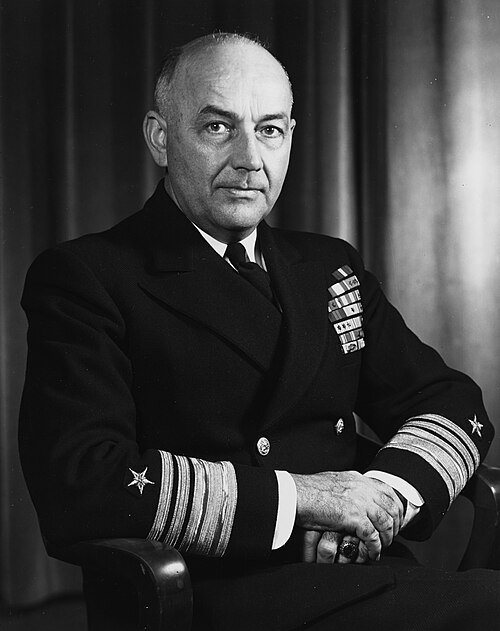
The naval joint commander of the landing -- under-photographed.
The tide-table admiral of the Marine story.
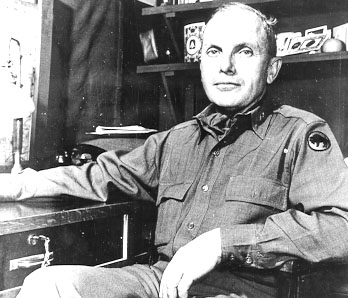
MacArthur's chief of staff given a corps -- a controversial soldier in Marine memory.
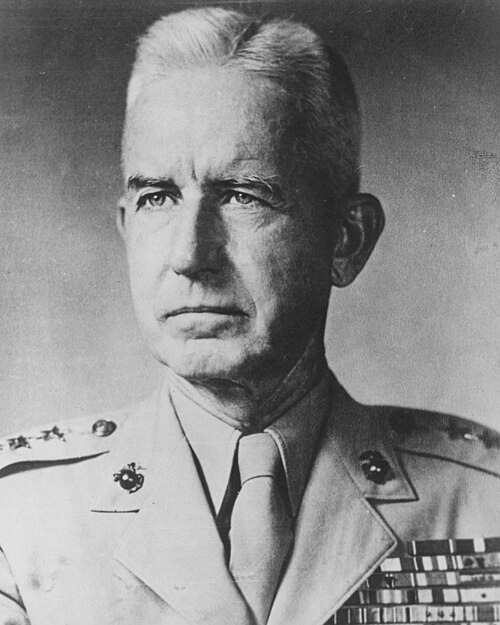
The careful Marine who fought Almond's tempo -- later the Chosin commander.
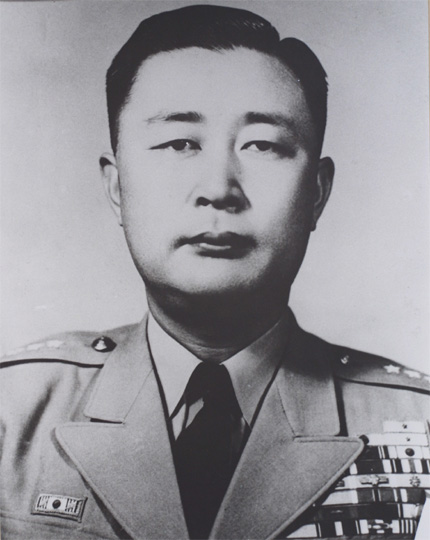
Already a major ROK face of 1950; the recapture of Seoul is a Korean officers' story too.
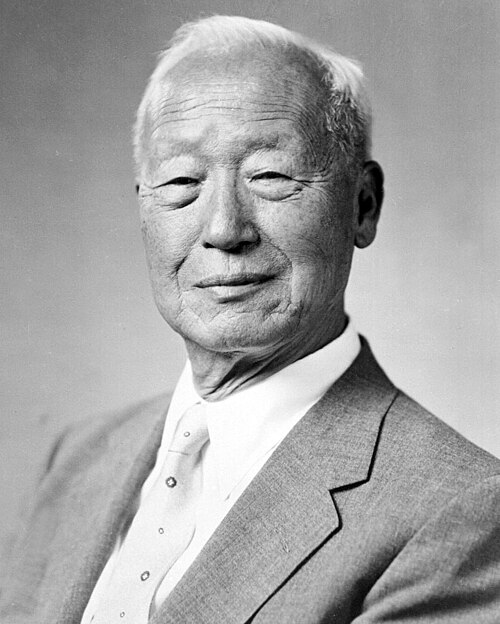
Re-entered a ruined capital as a political act. His war is not only MacArthur's.
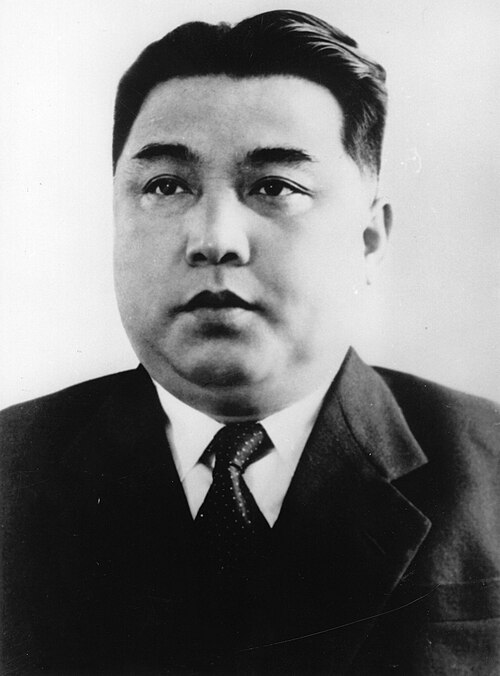
The invasion he launched in June met a rear landing in September -- the first collapse of his war plan.
He forced it; Doyle and the Marines executed a hydrographic plan. Cults of one man hide a staff.
Not inevitable, but it made the northward political choice easy -- and that choice was the disaster.
Do not let a corncob pipe erase ROK infantry in Seoul.
The Yalu is the anti-icon -- the picture Chromite toasts skip.