Skip to content Skip to a section

🏐GOAT Rankings

Volleyball · Three touches, no second chances: the fast, vertical duel fought across a net no one may cross.

At a glance
All-time shape

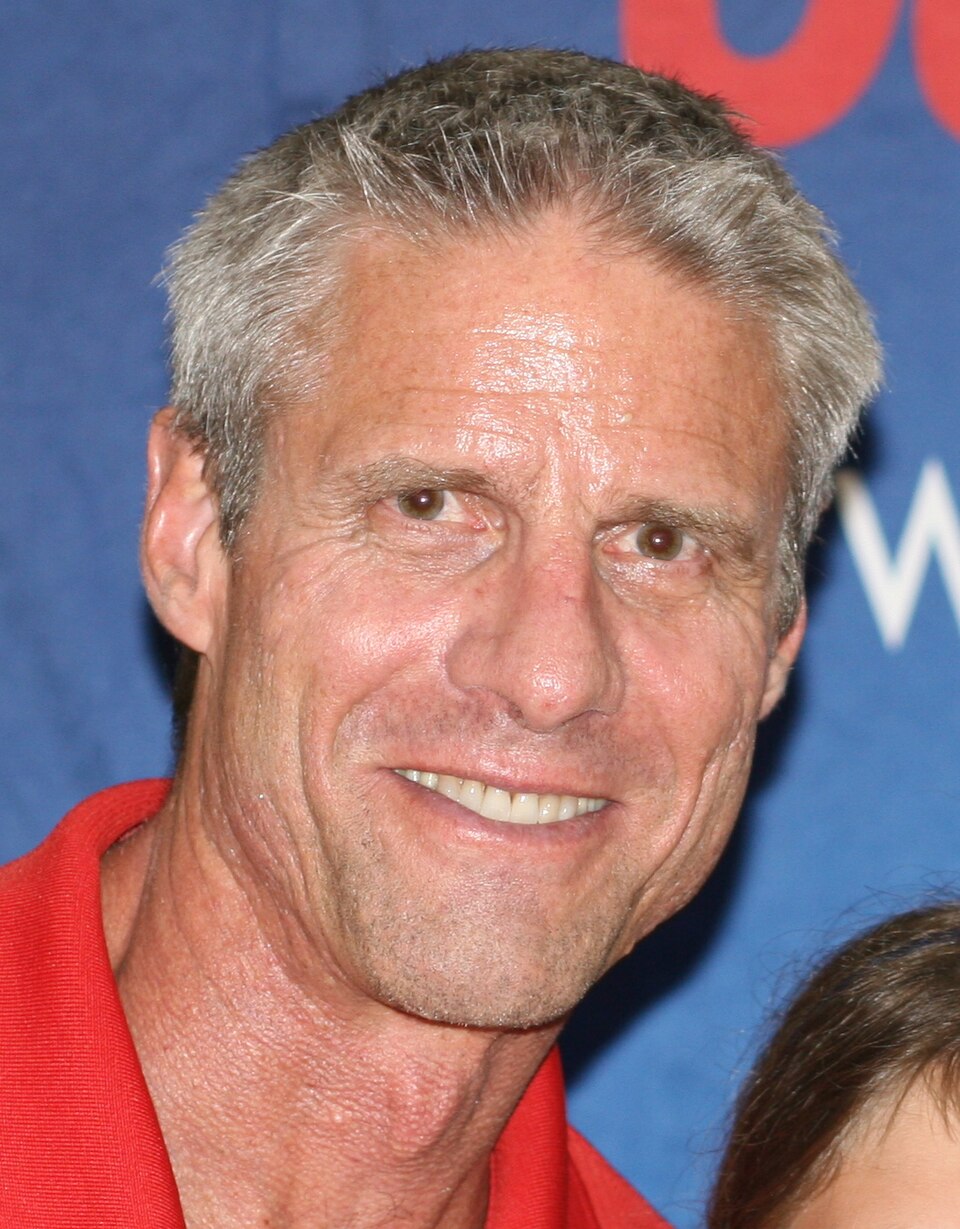
#1 Karch Kiraly

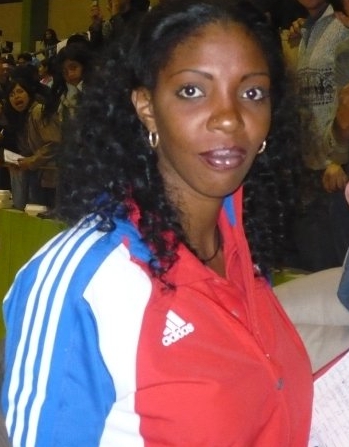
#2 Regla Torres

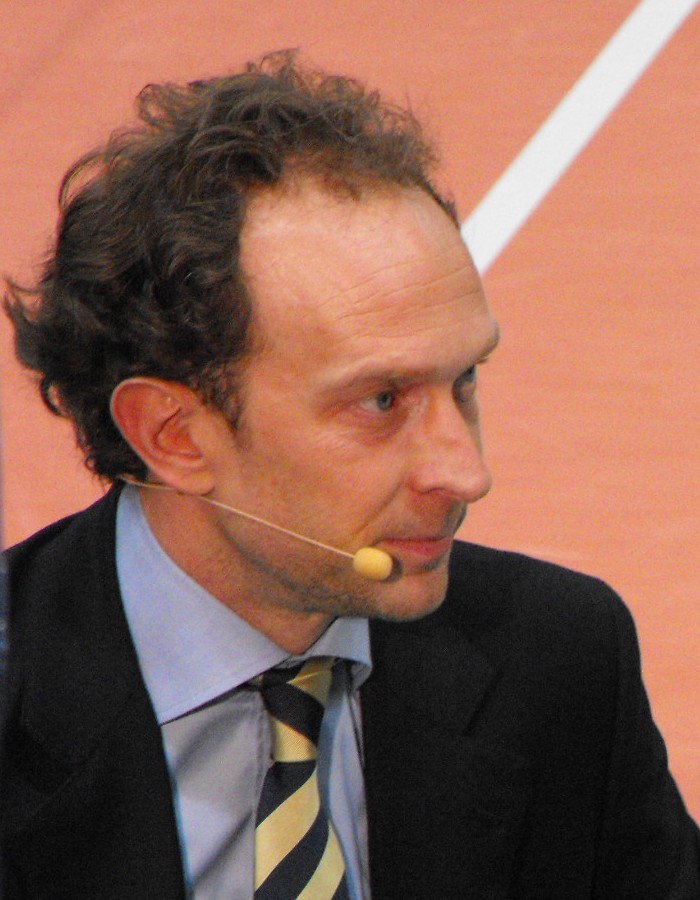
#3 Lorenzo Bernardi

Last reviewed Sources & creditsMedia creditsMethodology

Quick answers

What are the six positions in volleyball?

There are five specialist roles distributed across six on-court players. The setter (S) runs the offence, delivering the second ball to attackers. Outside hitters (OH), also called left-side hitters, attack from the left and lead serve-receive. The middle blocker (MB) hits quick sets and anchors the block at the net. The opposite (OPP), or right-side hitter, attacks from the right and blocks the opponent's outsides. The libero (L) is a back-row defensive specialist in a contrasting jersey who cannot serve, block or attack above net height. Teams may also use a defensive specialist (DS) who substitutes for weaker back-row passers. A standard 5-1 lineup fields one setter, two outsides, two middles, one opposite, and a libero rotating through the back row.

How does volleyball scoring work?

Modern volleyball uses rally-point scoring: a point is awarded on every rally regardless of which team served. Matches are best-of-five sets. The first four sets are played to 25 points and the deciding fifth set to 15, but a team must always win by a two-point margin, so sets can extend beyond the target - 26-24, 30-28 - until someone leads by two. The first team to win three sets takes the match; there are no draws and no clock. Rally scoring, adopted by FIVB around 1999, replaced the older side-out system in which only the serving team could score, making matches faster and easier to schedule for television.

What is the difference between the 5-1 and 6-2 systems?

Both describe how a team organises its setters. In a 5-1, a single setter runs the offence through all six rotations, giving consistency and one dedicated right-side attacker, the opposite. The drawback is that in three rotations the setter is in the front row, leaving only two front-row hitters. In a 6-2, two setters play opposite each other in the rotation, so whichever is in the back row sets while the front-row setter becomes an attacker - meaning the team always has three front-row hitters and a bigger attack. The cost is losing the rhythm of a single playmaker, and each setter must also attack and serve well. Most elite teams favour the 5-1.

Why can't the libero attack or serve?

The libero is a specialised back-row defender, introduced in 1998 to raise the standard of reception and floor defence, and the rules deliberately confine the role to defence. A libero cannot complete an attack on a ball that is entirely above the height of the net, cannot block or attempt to block, and generally cannot serve, though some competitions permit it in one rotation. If the libero uses an overhand finger-set to feed a hitter while standing on or in front of the attack line, that hitter may not attack the ball above net height. In exchange for these limits, the libero enjoys unlimited substitutions for back-row players and wears a contrasting jersey so officials can track the role easily.

How high is a volleyball net?

For indoor competition the net is set at 2.43 metres for men and 2.24 metres for women, measured at the centre of the court; the two ends may sit fractionally higher but within a small tolerance. The men's height dates to the sport's early standardisation and has remained fixed for generations. Youth, seated and some recreational categories use lower nets. In beach volleyball the same 2.43-metre men's and 2.24-metre women's heights apply. The court itself measures 18 by 9 metres, split into two nine-metre squares by the net, with an attack line three metres from the centre dividing each half into front and back zones.

Who is the greatest volleyball player of all time?

Most experts name Karch Kiraly of the United States, the only player to win Olympic gold both indoors, in 1984 and 1988, and on the sand, in 1996, and the figure FIVB honoured as the best male player of the 20th century. In the women's game the equivalent is Cuba's Regla Torres, a three-time Olympic champion whom FIVB named the best female player of the century. Beyond those two the debate is open, with the likes of Giba, Lorenzo Bernardi, Sergey Tetyukhin, Zhu Ting and Paola Egonu all in the conversation. Because volleyball is a team sport without a single career statistic, any ranking blends titles, longevity and individual dominance.

Start with this section - GOAT Rankings

Ranking volleyball's greatest is complicated by the sport's team nature and its lack of a single career stat like goals or home runs. Titles are won by sixes, individual scoring is shaped by a setter's choices, and the game changed rulebooks mid-career for many candidates. Any honest list therefore weighs Olympic and World gold, longevity at the very top, decisive performances on the biggest stages, and the recognition of peers and the FIVB.

The names below span seven decades and both the men's and women's games, from all-court pioneers to the power hitters of the analytics era. Two figures - Karch Kiraly and Regla Torres - sit atop most expert lists as the players their federation formally honoured as the best of the 20th century. Below them, the order is genuinely debatable, and reasonable historians rank them differently.

All-time podium

🥈
Regla Torres
Regla Torres
Cuba
2
🥇
Karch Kiraly
Karch Kiraly
United States
1
🥉
Lorenzo Bernardi
Lorenzo Bernardi
Italy
3

Comparison Lab

Toggle athletes on and off — every bar rescales to the leader of your selection.

Peak keeps each athlete’s strongest metrics; Career averages the full published set. Both stay editorial teaching marks.

5 / 12

Drag only reorders the cosmetic shortlist — it does not change teaching scores.

Default shortlist below works without JavaScript. Toggle chips after load to rebuild bars.

Compare · in selection · Career

  1. 1Karch Kiraly83
  2. 2Regla Torres80
  3. 3Giba67
  4. 4Zhu Ting60
  5. 5Lorenzo Bernardi46

Olympic golds

Karch Kiraly3
Regla Torres3
Giba1
Zhu Ting1
Lorenzo Bernardi0

Major titles

Regla Torres6
Giba6
Karch Kiraly5
Lorenzo Bernardi4
Zhu Ting3

MVP awards

Zhu Ting5
Karch Kiraly3
Regla Torres3
Giba3
Lorenzo Bernardi2

Elite years

Karch Kiraly18
Giba15
Lorenzo Bernardi15
Regla Torres12
Zhu Ting11

The top 10

1
Karch Kiraly

Karch Kiraly

United States · 1978-2007

The consensus greatest player in the sport's history and the only person to win Olympic gold both indoors and on the sand. Kiraly anchored the United States side that won back-to-back Olympic titles in Los Angeles 1984 and Seoul 1988, with the 1986 World Championship and the 1985 World Cup in between - the core of a team that revolutionised the men's game with its power swing. He then switched codes and dominated beach volleyball, winning Olympic gold in Atlanta 1996 and a record 148 career beach tournaments. A flawless all-court player who passed, set, dug and attacked at the highest level, he was named by FIVB the greatest volleyball player of the 20th century. He later coached the United States women to the 2014 World Championship and 2020 Olympic gold, making him a champion in three distinct chapters.
Olympic golds
3
Major titles
5
MVP awards
3
Elite years
18
2
Regla Torres

Regla Torres

Cuba · 1990-2004

The finest women's player of the 20th century, as formally recognised by FIVB, and the engine of Cuba's 'Morenas del Caribe'. A middle blocker of extraordinary reach and mobility, Torres won three consecutive Olympic gold medals - Barcelona 1992, Atlanta 1996 and Sydney 2000 - a feat unmatched in indoor volleyball. She reached the biggest stage as a teenager, becoming one of the youngest Olympic volleyball champions at just 16 in 1992. Cuba also captured the World Championship in 1994 and 1998 and multiple World Cups during her reign, built on athleticism and blocking that overwhelmed taller, more methodical European sides. Torres combined a devastating quick attack with the range to close blocks on both pins, redefining what a middle could do. For most of the 1990s Cuba lost almost nothing that mattered, and Torres was its defining figure - the standard against which every middle blocker since has been measured.

Olympic golds
3
Major titles
6
MVP awards
3
Elite years
12
3
Lorenzo Bernardi

Lorenzo Bernardi

Italy · 1987-2005

The outstanding outside hitter of volleyball's professional dawn and the leader of Italy's golden generation. Bernardi drove the most dominant men's team of the 1990s to three straight World Championships - 1990, 1994 and 1998 - under coach Julio Velasco, alongside a haul of World League titles and European crowns. A complete wing spiker who could side-out under pressure, serve aggressively and defend, he was the emblem of an Italian side that beat everyone except, painfully, at the Olympics, where the team settled for silver in 1996. He spent his club career in Italy's Serie A, then the richest and strongest league in the world, sustaining elite form for the better part of two decades. Widely honoured among the greatest European players ever, Bernardi's near-total dominance in every arena but the Olympic final places him firmly among the sport's all-time elite, and he later coached at the highest club level.

Olympic golds
0
Major titles
4
MVP awards
2
Elite years
15
4
Giba

Giba

Brazil · 1995-2012

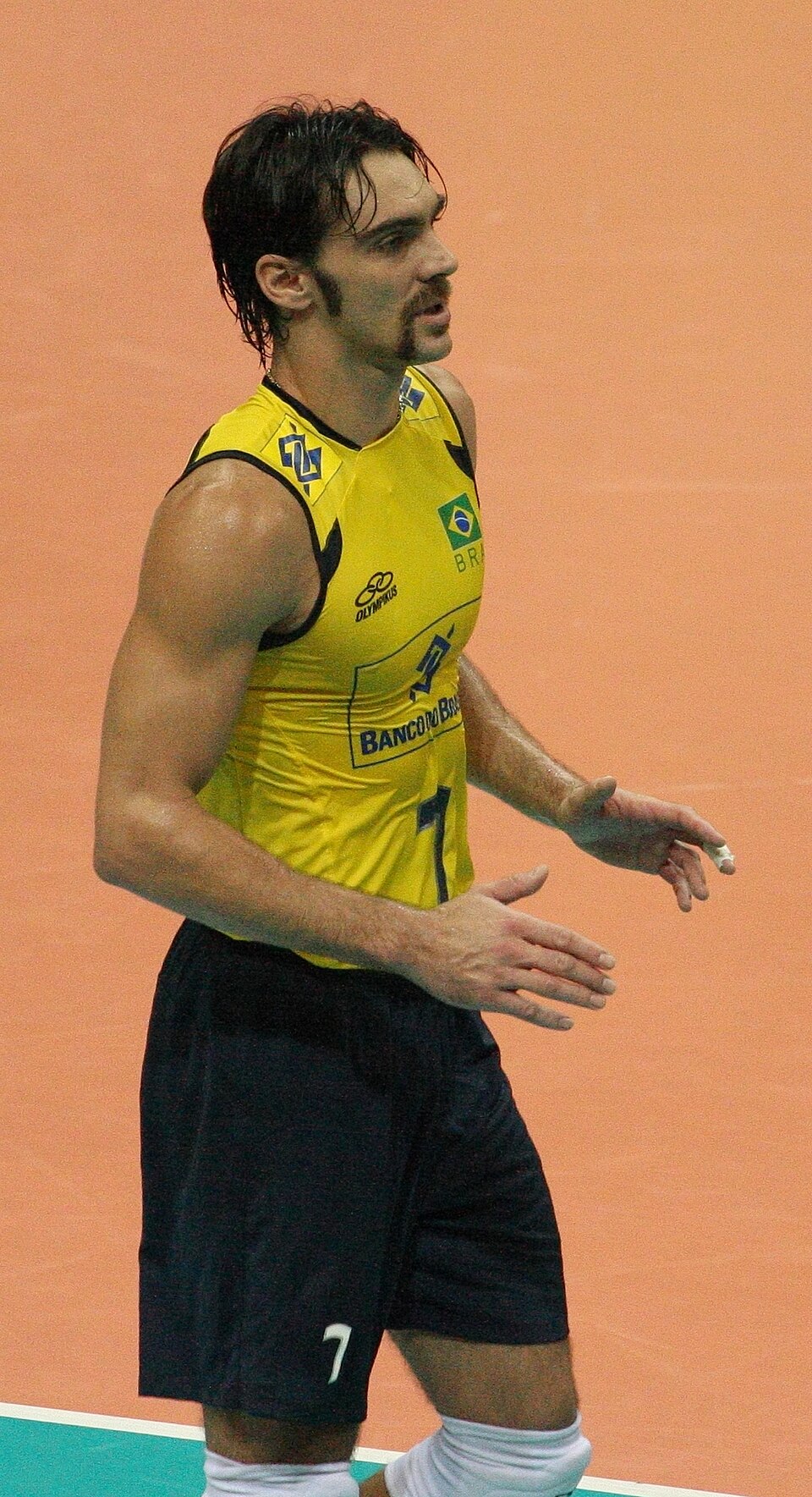
The charismatic captain of Brazil's golden men's era and one of the most decorated outside hitters ever. Gilberto Godoy Filho - universally known as Giba - led Brazil to Olympic gold in Athens 2004 and silver in Beijing 2008 and London 2012, while anchoring World Championship triumphs in 2002, 2006 and 2010 and a long run of World League and World Cup titles under coach Bernardinho. A dynamic, acrobatic wing spiker with elite serve-receive and a flair for the decisive point, he was named MVP of the 2006 World Championship. For roughly a decade Brazil was the sport's benchmark team, and Giba was its heartbeat, blending Brazilian creativity with relentless consistency. His combination of major-title volume, longevity across five World Championship cycles and leadership on the greatest sides of the 2000s makes him one of the very few players to rival the all-time indoor standard set by Kiraly.

Olympic golds
1
Major titles
6
MVP awards
3
Elite years
15
5

Zhu Ting

China · 2013-present

The defining women's player of the late 2010s and one of the most complete attackers the game has seen. Zhu Ting exploded onto the world stage by carrying China to Olympic gold in Rio 2016, winning the tournament MVP, and added World Cup titles and MVP awards in 2015 and 2019. Dominating abroad with Turkey's Vakifbank, she won consecutive CEV Champions League titles and MVPs in 2017 and 2018, plus the Club World Championship, proving herself against the strongest club fields on earth. At over 1.95 metres with a long, whip-fast arm, she combines terminal power with the passing and defence of an outside hitter, giving China a genuine six-rotation superstar. Injuries and China's dip cost her a second Olympic title, but at her peak from roughly 2015 to 2019 she was, by wide agreement, the best player in the world - a modern benchmark for the outside hitter position. As of the 2024-25 season she continued at the elite level.

Olympic golds
1
Major titles
3
MVP awards
5
Elite years
11
6
Sergey Tetyukhin

Sergey Tetyukhin

Russia · 1994-2018

The embodiment of longevity and clutch performance in the men's game. Tetyukhin competed at five Olympic Games from Sydney 2000 to Rio 2016, winning four medals - bronze in 2000, 2004 and 2008 and, at last, gold in London 2012. That final is his monument: Russia, trailing Brazil two sets to none and facing match point, roared back to win 3-2, with the veteran Tetyukhin outstanding in the comeback. A tireless, technically pristine outside hitter with elite reception and defence, he also won the 2011 World Cup and multiple World League titles, and carried Russia's flag at the 2016 opening ceremony. Few players sustained top-level international form for two full decades as he did, and fewer still saved their finest hour for the biggest final of their career. His medal-laden endurance secures his place among the greatest all-round outside hitters the sport has produced.

Olympic golds
1
Major titles
2
MVP awards
1
Elite years
20
7
Lang Ping

Lang Ping

China · 1978-1986 (player)

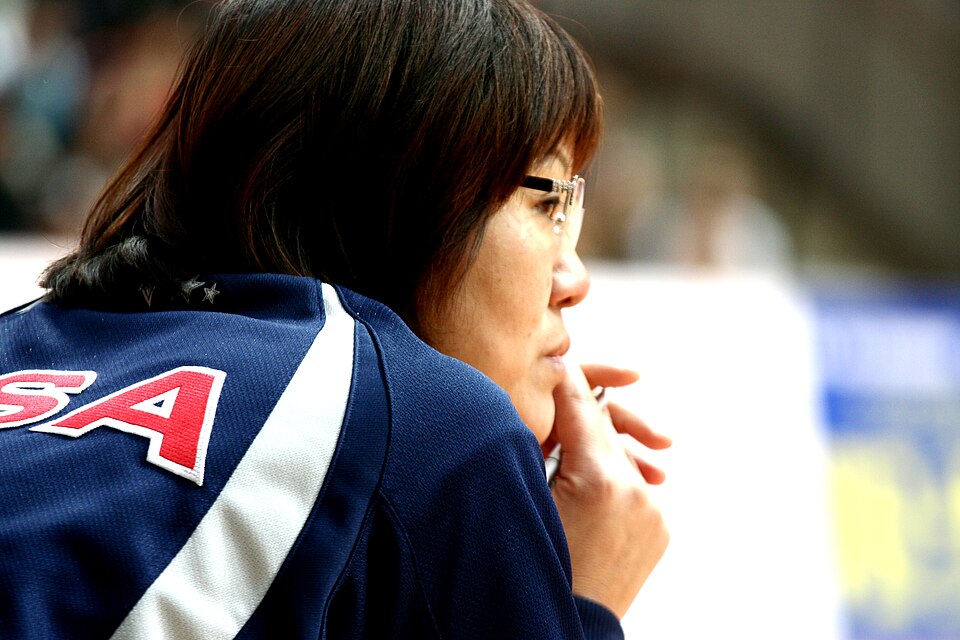
The only person to win Olympic volleyball gold as both a player and a head coach, and one of the sport's towering figures on either side of the net. As a fearsome spiker nicknamed the 'Iron Hammer', Lang Ping led China to the 1981 World Cup, the 1982 World Championship and Olympic gold at Los Angeles 1984, spearheading the country's emergence as a volleyball power. She then built a second, arguably greater legacy in coaching: guiding the United States to silver at Beijing 2008 and returning to steer China to the 2015 World Cup and, most memorably, Olympic gold at Rio 2016. That dual achievement - dominant athlete and championship architect across four decades - is unique in the sport. Her influence on Chinese volleyball, and on the global coaching profession, extends far beyond any single medal, making her a genuine icon whose stature transcends the usual player rankings.

Olympic golds (player)
1
Major titles
3
MVP awards
2
Elite years
8
Olympic golds as coach
1
8
Kim Yeon-koung

Kim Yeon-koung

South Korea · 2005-present

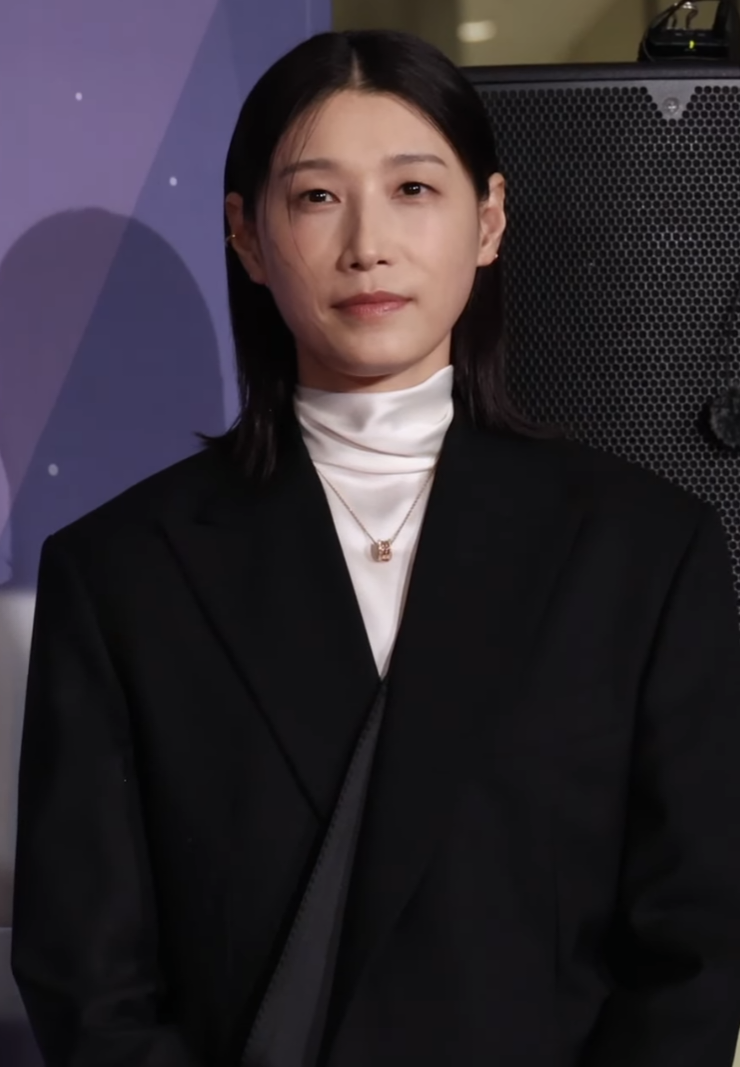
The greatest player her country has produced and one of the finest outside hitters of her generation, remarkable for reaching the summit of individual honours without a powerhouse national team behind her. At the London 2012 Olympics she was the tournament's top scorer and was named Most Valuable Player even though South Korea finished fourth - a rare tribute to individual brilliance. A complete six-rotation outside with terminal attacking, dependable reception and leadership, she starred across the strongest club leagues in Japan, Turkey and China, winning the 2012 CEV Champions League and its MVP with Fenerbahce. She carried Korea to the semi-finals again at Tokyo 2020, routinely shouldering an enormous share of her team's offence. Judged on pure ability and sustained excellence rather than medal count, Kim ranks among the best wing spikers the women's game has known, and her scoring feats are woven through two decades of top-flight volleyball.

Olympic golds
0
Major titles
0
MVP awards
3
Elite years
17
9
Yekaterina Gamova

Yekaterina Gamova

Russia · 1999-2016

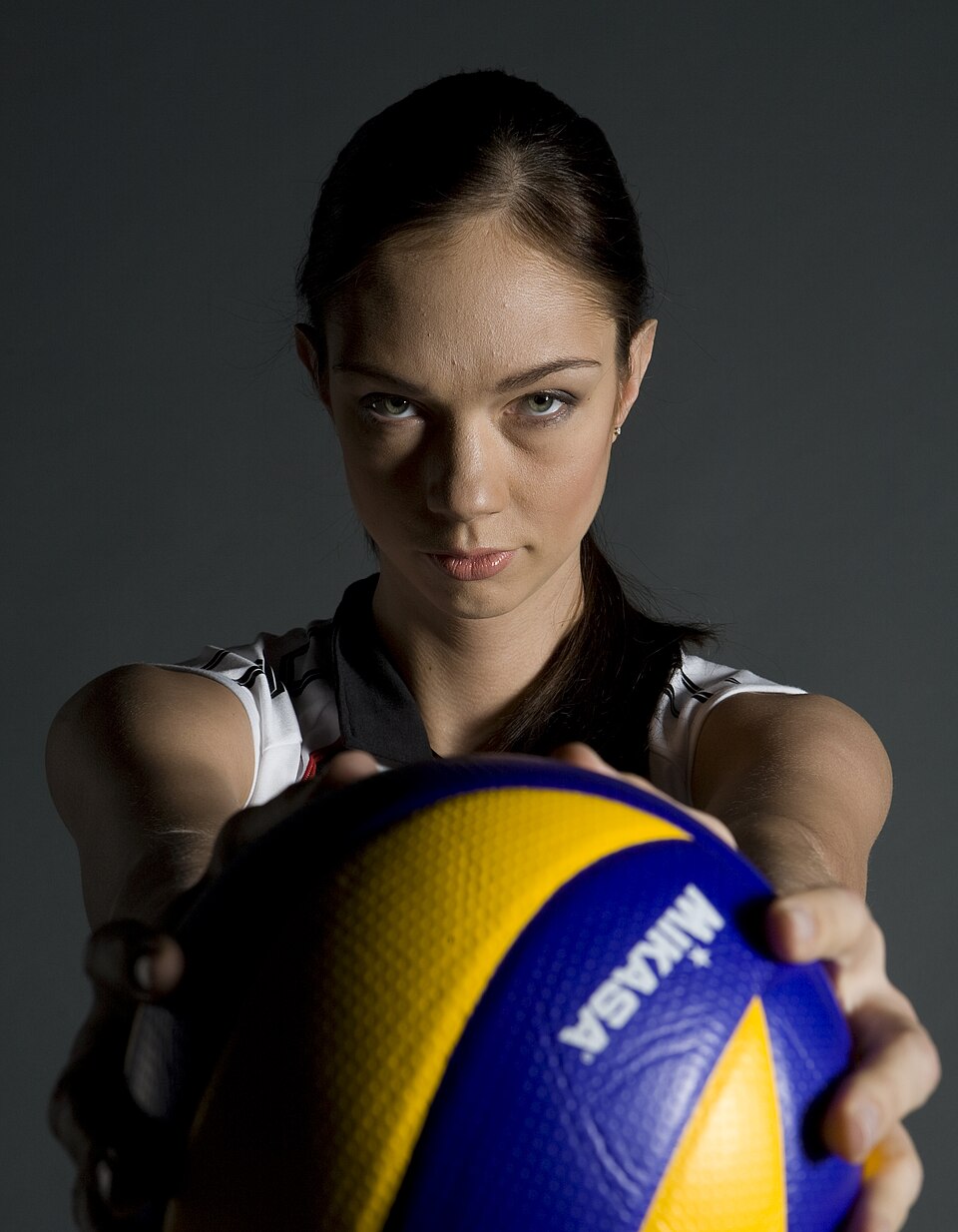
A 2.02-metre opposite whose combination of height and power made her one of the most physically dominant attackers the women's game has seen. Gamova led Russia to World Championship titles in 2006 and 2010, taking MVP honours in 2010, and won Olympic silver in Sydney 2000 and Athens 2004. Hitting down over the block from a standing reach few could match, she was for a decade the go-to scorer whenever Russia needed a point, thriving in the era just after rally scoring rewarded terminal firepower. She also collected multiple European and club titles across a long career in Russia and abroad. Gamova never captured the Olympic gold her talent deserved, but her twin World Championships, imposing presence and sustained production place her firmly among the greatest opposites of all time and a template for the tall, powerful right-side attackers who followed, up to and including Paola Egonu.

Olympic golds
0
Major titles
2
MVP awards
2
Elite years
13
10
Wilfredo Leon

Wilfredo Leon

Cuba / Poland · 2007-present

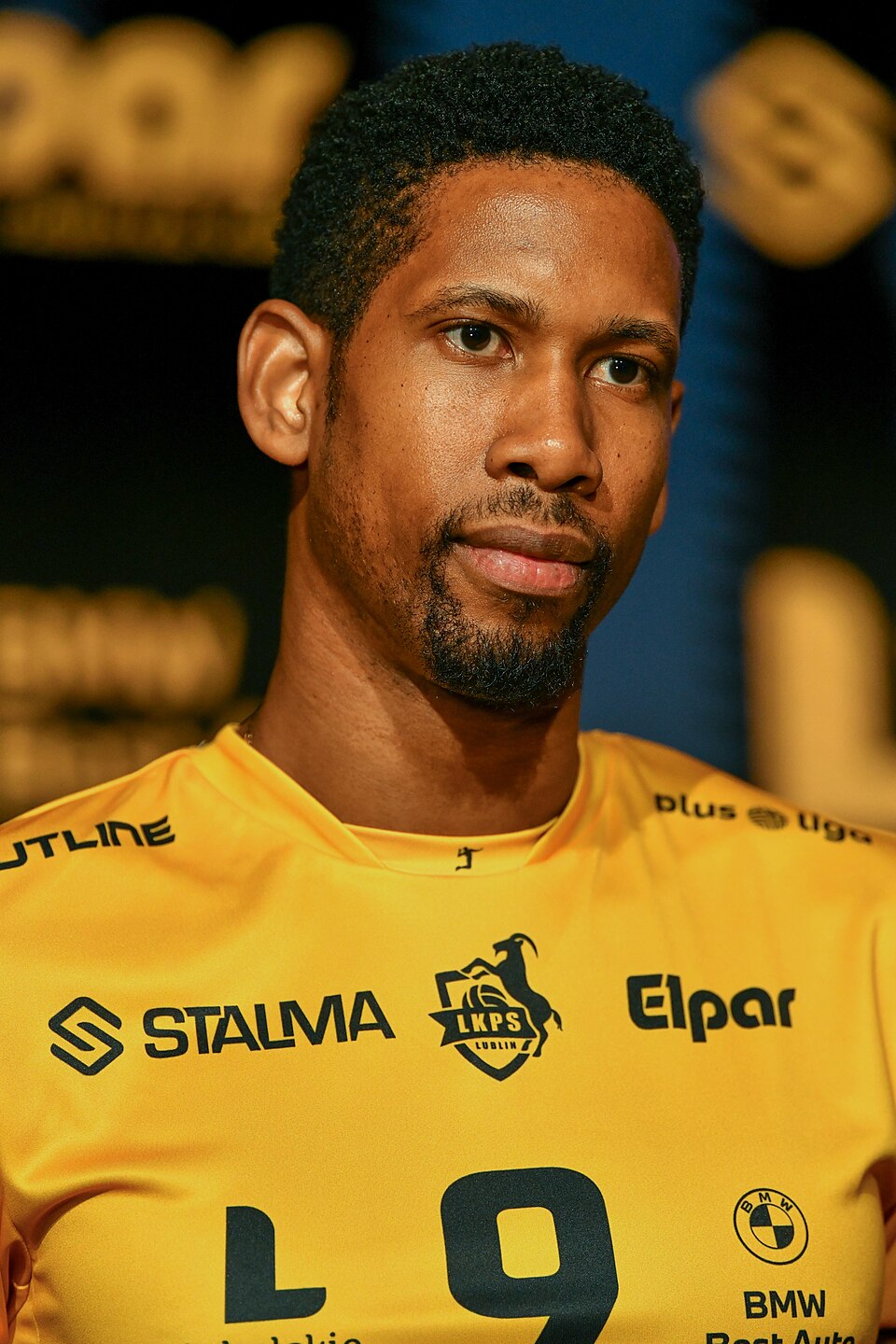
A generational talent and one of the most physically gifted attackers ever to play, Leon became the youngest man to appear at a senior World Championship at just 14 for Cuba. After leaving the Cuban programme he adopted Polish citizenship and joined one of the world's strongest national teams. His trademark is a colossal jump serve, among the hardest ever recorded at well over 130 kilometres per hour, that can dismantle a reception single-handedly, allied to explosive outside attacking. At club level he won consecutive CEV Champions League titles with Russia's Zenit Kazan in 2015, 2016 and 2017, dominating the strongest club competition on earth. International gold with Poland has proved elusive amid fierce competition, but on raw ability, serving power and highlight-reel athleticism, Leon stands among the most dangerous players of the modern era, a fixture in every conversation about the best current outside hitters. As of the 2024-25 season he remained a leading force.

Olympic golds
0
Major titles
0
MVP awards
2
Elite years
14
11

Paola Egonu

Italy · 2015-present

The most explosive scorer in the contemporary women's game and the face of Italian volleyball. A left-handed opposite of exceptional power, Egonu combines a towering standing reach with one of the heaviest arms in the sport, routinely posting 30-plus points in a single match and setting scoring records in Italy's Serie A. She drove Italy to a silver medal at the 2018 World Championship and bronze in 2022, then to the crowning achievement of Olympic gold at Paris 2024 - Italy's first Olympic women's volleyball title - as one of the tournament's decisive attackers. She has also won multiple Nations League titles and European medals, and starred for elite clubs in Italy and Turkey. Still in her mid-twenties, Egonu has already reshaped expectations of what an opposite can score, and her blend of raw power and improving all-round play makes her the benchmark for the current generation. As of the 2024-25 season she remained at the pinnacle.

Olympic golds
1
Major titles
1
MVP awards
2
Elite years
9
12

Earvin N'Gapeth

France · 2009-present

The creative, unpredictable talisman who lifted France to the top of the men's game. An outside hitter with dazzling improvisation - trick sets, one-handed digs and audacious tips - N'Gapeth was the driving force and Most Valuable Player as France won their first-ever Olympic gold at Tokyo 2021, beating the Russian Olympic Committee in a five-set final. He earlier steered France to the 2015 European Championship, taking MVP honours, and to Nations League and World League success, forming the core of a golden French generation. At club level he collected Italian and Russian league and Champions League honours, thriving as a big-match performer whose flair masked elite fundamentals in reception and attack. Capable of turning a rally with a single moment of invention, N'Gapeth combined showmanship with genuine substance, and his leadership of France's rise from perennial contenders to Olympic champions secures his place among the outstanding outside hitters of the modern era.

Olympic golds
1
Major titles
1
MVP awards
2
Elite years
13

Bars are scaled to the leader in this list.

The debate

The top two are close to settled - Kiraly and Torres are the players their federation formally crowned as the best of the century, and Kiraly's unique treble of indoor, beach and coaching gold gives him the edge. After that, every ordering is contestable. Do you reward Giba's and Bernardi's mountain of team titles, Tetyukhin's two decades of medals, or the sheer individual dominance of Zhu Ting and Egonu in eras of deeper competition?

The deepest divide is how to value players who never won the biggest prize. Bernardi and Leon were arguably the finest of their day yet lack Olympic gold; Kim Yeon-koung won an Olympic MVP without a medal to match. Weighting peak brilliance against trophy cabinets, and comparing a 1990s middle to a 2020s opposite across rule changes and rising athleticism, means any list like this is an argument, not a verdict - which is exactly why the debate never ends.

Embed this ranking

Paste this code into your blog or site — the ranking stays up to date.

Keep exploring

More in this category