
Skip to content Skip to a section

🥋GOAT Rankings

MMA · Combat's most complete test — striking, wrestling and submission grappling settled inside a single cage.

At a glance
All-time shape

#1 Jon Jones

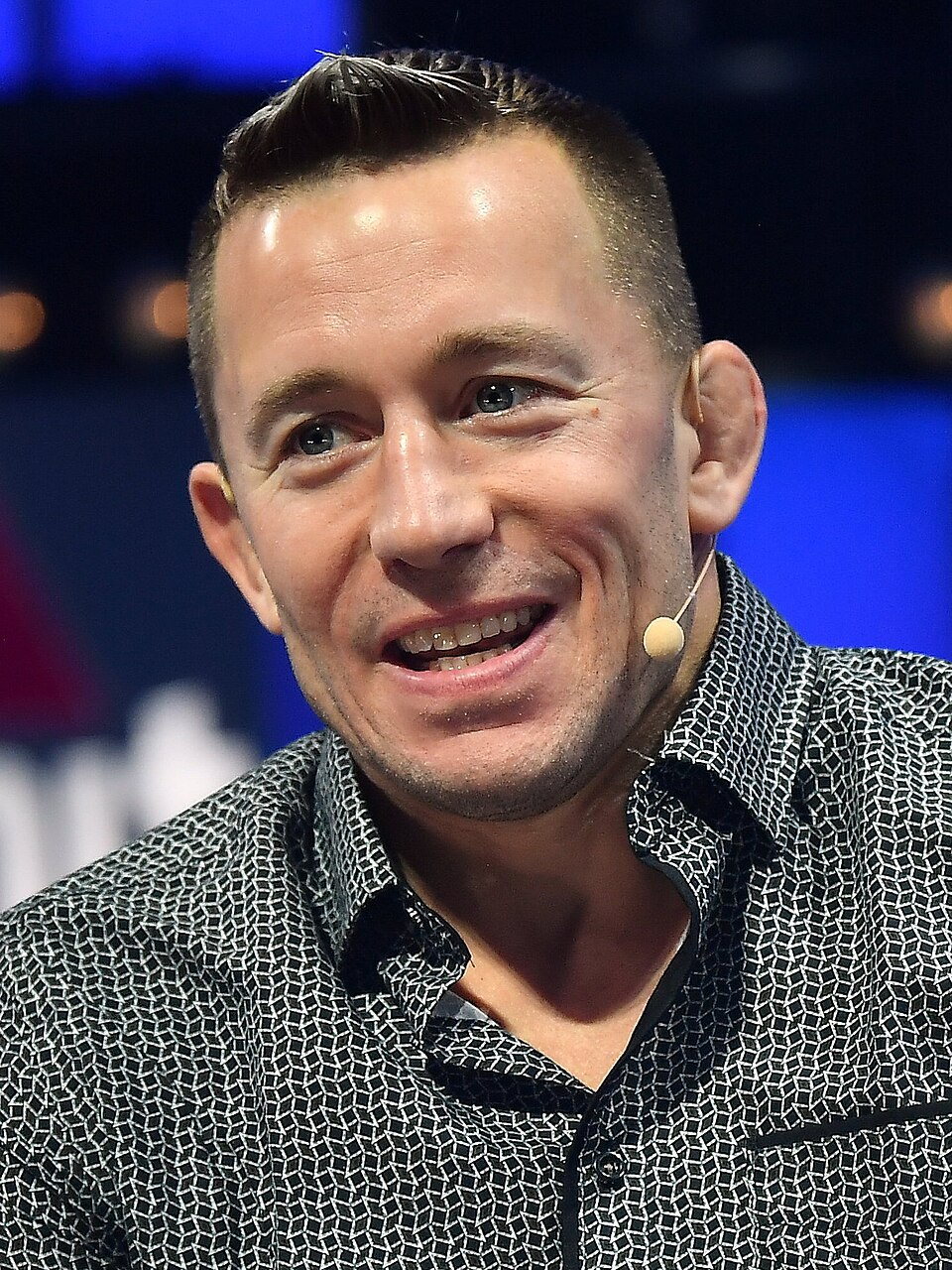
#2 Georges St-Pierre

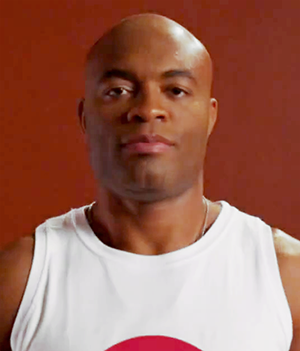
#3 Anderson Silva

Last reviewed Sources & creditsMedia creditsMethodology

Quick answers

What does MMA stand for?

MMA stands for mixed martial arts, a full-contact combat sport that combines techniques from multiple disciplines — boxing, Muay Thai, kickboxing, wrestling, Brazilian jiu-jitsu, judo and more — into a single ruleset. Rather than restricting fighters to one style, MMA lets them strike standing, clinch, take the fight to the ground and use submissions, all within one contest. The sport grew out of style-versus-style challenge matches designed to test which martial art was most effective in a real fight. The modern answer is that no single art dominates; the best competitors blend striking, wrestling and grappling into a seamless, complete skill set.

Is MMA the same as the UFC?

No. MMA is the sport; the UFC (Ultimate Fighting Championship) is a promotion — a private company that organizes events and crowns its own champions within that sport. The relationship is like the one between basketball and the NBA. Because the UFC is by far the largest and most prestigious promotion, signing most of the world's best fighters, the two terms are often used interchangeably in casual conversation, but they are not the same. Other MMA promotions include ONE Championship in Asia, the PFL, Bellator and Japan's RIZIN, and historically PRIDE and Strikeforce. A fighter can compete in MMA without ever fighting in the UFC.

What martial arts are used in MMA?

MMA draws on a wide range of disciplines, generally grouped by range. For striking, fighters use boxing (punches and head movement), Muay Thai (kicks, knees, elbows and clinch work), kickboxing and karate (kicking and footwork). For taking the fight to the ground, freestyle and Greco-Roman wrestling supply takedowns and takedown defense, and judo adds throws. On the ground, Brazilian jiu-jitsu governs positional control and submissions like chokes and joint locks. Elite fighters do not practice these as separate arts but blend them into one continuous system, transitioning fluidly from a punch to a takedown to a submission depending on where the fight goes.

How do you win an MMA fight?

There are four main ways to win. A knockout (KO) ends the fight when a legal strike renders an opponent unconscious. A technical knockout (TKO) comes when the referee, a doctor or the opponent's corner stops the bout because a fighter can no longer intelligently defend himself. A submission ends things when a fighter taps out to a choke or joint lock, verbally quits, or is choked unconscious. If no finish occurs, the fight goes to the judges' scorecards and is decided by decision — unanimous, split or majority — under the 10-Point Must System. Fights can also end in a draw, a disqualification for fouls, or a no-contest.

Is MMA more dangerous than boxing?

Research suggests MMA produces more visible injuries — cuts, bruises and minor damage — but potentially fewer catastrophic brain injuries than boxing. The key reason is the finish: MMA fighters can win by submission or ground-and-pound, and referees tend to stop fights quickly, so a competitor takes fewer repeated head blows than a boxer who is knocked down, given a standing eight-count and allowed to continue over 12 rounds. MMA's lighter gloves cause more surface cuts but transfer less repeated concussive force than boxing's heavily padded gloves, which let fighters absorb more head trauma over time. Both are inherently risky combat sports, and long-term brain-health concerns apply to each; no combat sport is truly safe.

What are the weight classes in MMA?

The UFC uses eight men's divisions: flyweight (125 lb), bantamweight (135 lb), featherweight (145 lb), lightweight (155 lb), welterweight (170 lb), middleweight (185 lb), light heavyweight (205 lb) and heavyweight (up to 265 lb). There are four women's divisions: strawweight (115 lb), flyweight (125 lb), bantamweight (135 lb) and featherweight (145 lb). Fighters must make their division's limit at an official weigh-in, usually the day before the fight, and title bouts allow no extra weight while non-title fights permit a one-pound allowance. Bouts contested at a weight between divisions, or where a fighter misses weight, are called catchweight fights.

Start with this section - GOAT Rankings

Ranking the greatest mixed martial artists means weighing incompatible things: an undefeated record against a longer, tougher run of title defenses; dominance in a shallow early division against survival in a deep modern one; a highlight-reel finisher against a machine-like decision winner. No two eras faced the same competition or the same rules, which is what makes the debate endless.

This list balances peak dominance, longevity, quality of opposition, championship résumé and historical impact. It leans on hard numbers — win-loss records, title reigns and defense counts — while acknowledging that the men and women who defined their divisions did so under conditions that resist tidy comparison. Reasonable fans will reorder the top five forever.

All-time podium

🥈
Georges St-Pierre
Georges St-Pierre
Canada
2
🥇
Jon Jones
Jon Jones
United States
1
🥉
Anderson Silva
Anderson Silva
Brazil
3

Comparison Lab

Toggle athletes on and off — every bar rescales to the leader of your selection.

Peak keeps each athlete’s strongest metrics; Career averages the full published set. Both stay editorial teaching marks.

5 / 12

Drag only reorders the cosmetic shortlist — it does not change teaching scores.

Default shortlist below works without JavaScript. Toggle chips after load to rebuild bars.

Compare · in selection · Career

  1. 1Jon Jones85
  2. 2Anderson Silva79
  3. 3Georges St-Pierre76
  4. 4Demetrious Johnson72
  5. 5Khabib Nurmagomedov69

Pro wins

Anderson Silva34
Khabib Nurmagomedov29
Jon Jones28
Georges St-Pierre26
Demetrious Johnson25

Win rate

Khabib Nurmagomedov100%
Jon Jones97%
Georges St-Pierre93%
Demetrious Johnson83%
Anderson Silva76%

Title-fight wins

Jon Jones16
Georges St-Pierre13
Demetrious Johnson12
Anderson Silva11
Khabib Nurmagomedov4

Finish rate

Anderson Silva~74%
Khabib Nurmagomedov~66%
Jon Jones~61%
Demetrious Johnson~56%
Georges St-Pierre~54%

The top 10

1
Jon Jones

Jon Jones

United States · 2008-present

Widely regarded as the most complete fighter the sport has produced, Jones holds a record of 28-1 with the lone loss a controversial 2009 disqualification for illegal downward elbows against Matt Hamill — a fight he was dominating. He became the youngest UFC champion in history at 23 by stopping Shogun Rua at UFC 128 in 2011, then ruled light heavyweight for nearly a decade, beating Daniel Cormier, Alexander Gustafsson, Lyoto Machida, Vitor Belfort, Glover Teixeira, Thiago Santos and Dominick Reyes. In 2023 he moved up to heavyweight and submitted Ciryl Gane for the vacant title at UFC 285, then stopped former champion Stipe Miocic with a spinning back kick to the body at UFC 309 in 2024. His unmatched reach, creativity and fight IQ are shadowed only by suspensions and legal issues outside the cage.
Pro wins
28
Win rate
97%
Title-fight wins
16
Finish rate
~61%
2
Georges St-Pierre

Georges St-Pierre

Canada · 2002-2019

The most dominant welterweight in history and a paragon of preparation, GSP retired at 26-2 having avenged both losses. He first won the welterweight title from Matt Hughes at UFC 65 in 2006, suffered a stunning upset knockout by Matt Serra in 2007, then reclaimed the belt and never lost again, defending it nine consecutive times against a murderer's row that included B.J. Penn, Jon Fitch, Thiago Alves, Jake Shields and Nick Diaz. Famous for tailoring a specific game plan to every opponent — wrestling strikers and out-striking wrestlers — he combined an elite jab with suffocating top control. After a four-year hiatus he returned at UFC 217 in 2017 to submit middleweight champion Michael Bisping, becoming a two-division titleholder, then retired on top. His run of 13 title-fight wins stood as a record and his professionalism reshaped the sport.

Pro wins
26
Win rate
93%
Title-fight wins
13
Finish rate
~54%
3
Anderson Silva

Anderson Silva

Brazil · 1997-2020

For seven years 'The Spider' was untouchable, holding the longest title reign in UFC history at 2,457 days and a record 16 consecutive victories with 10 straight middleweight title defenses. His striking looked like something from another sport: the front-kick knockout of Vitor Belfort at UFC 126 in 2011, the matrix-like head movement, the finishes of Rich Franklin, Forrest Griffin, Chael Sonnen and Chris Leben. He fought with his hands down and made elite opponents miss by inches before countering with fight-ending precision, and he twice moved up to light heavyweight and won. His aura finally cracked when Chris Weidman knocked him out at UFC 162 in 2013, and the 2013 rematch ended horrifically when Silva broke his leg on a checked kick. He retired 34-11, but at his peak he was the most artistic finisher the sport has seen.

Pro wins
34
Win rate
76%
Title-fight wins
11
Finish rate
~74%
4
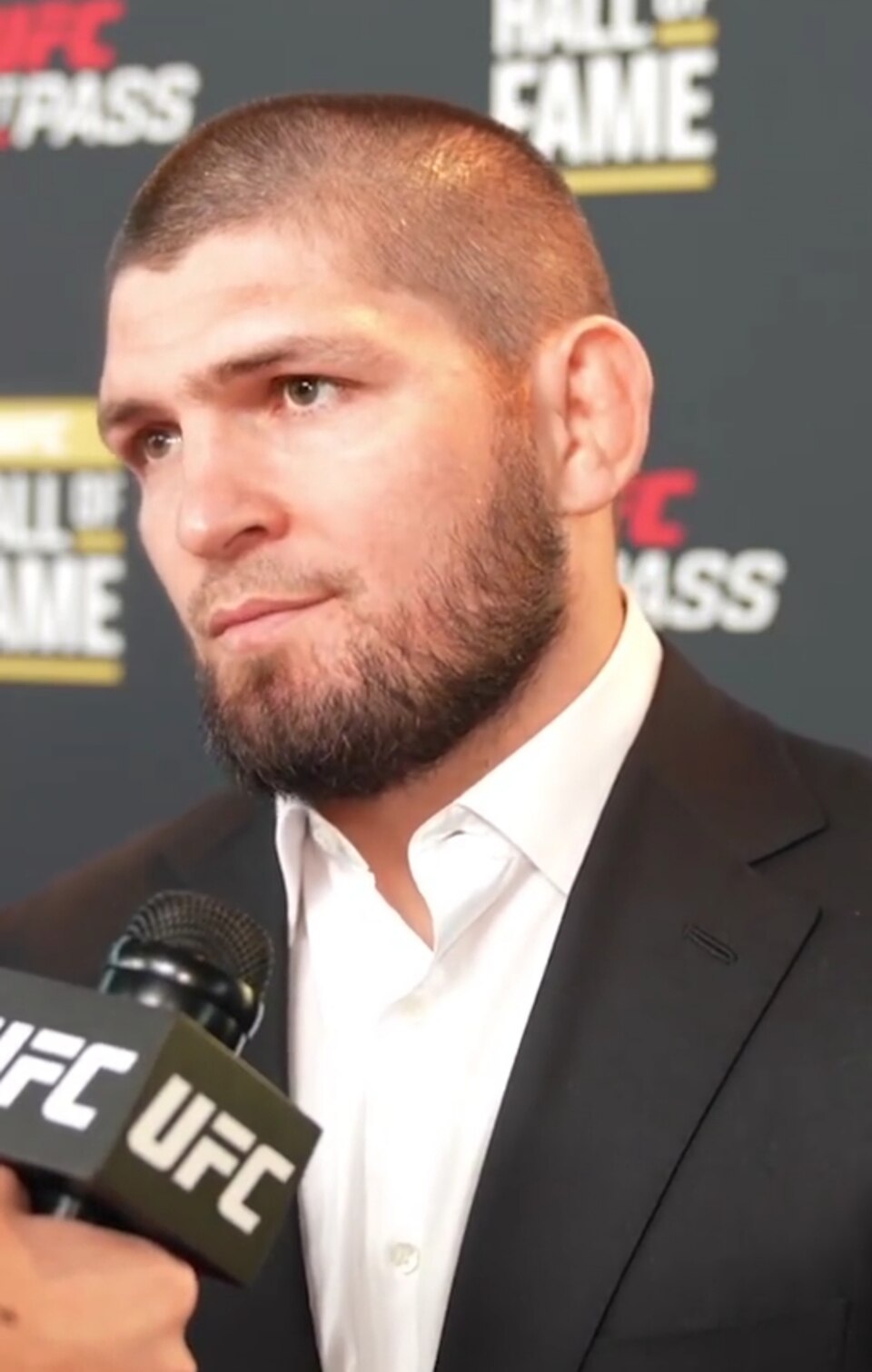
Khabib Nurmagomedov

Khabib Nurmagomedov

Russia · 2008-2020

The most dominant grappler the sport has known, Khabib retired flawless at 29-0, having barely lost a round across his entire career. A multiple-time combat sambo world champion from Dagestan, he built a smothering, cage-crushing wrestling style — 'send them off,' as his father put it — that no opponent solved. He won the vacant lightweight title against Al Iaquinta at UFC 223 in 2018, then defended it in the biggest fight in company history, submitting Conor McGregor by neck crank in the fourth round at UFC 229 before roughly 2.4 million pay-per-view buyers. He followed with submissions of Dustin Poirier and, in his final bout, a third-round triangle choke of Justin Gaethje at UFC 254 in 2020. He retired immediately afterward, honoring a promise to his mother following his father's death, walking away perfect.

Pro wins
29
Win rate
100%
Title-fight wins
4
Finish rate
~66%
5
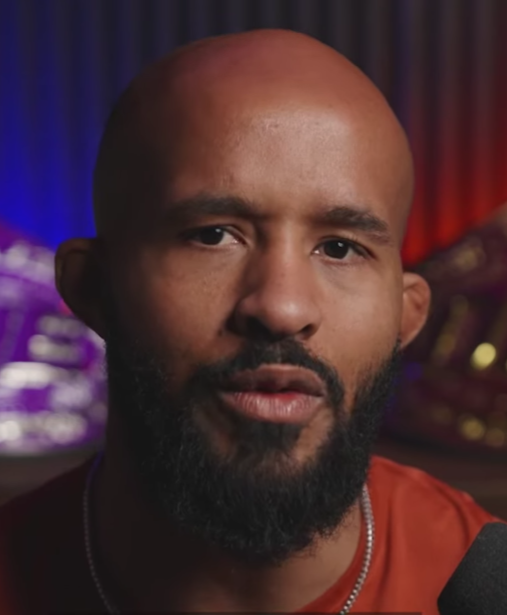
Demetrious Johnson

Demetrious Johnson

United States · 2007-2024

'Mighty Mouse' is arguably the most technically complete fighter of all time, a flyweight who mastered every phase without a defining weakness. As the inaugural UFC flyweight champion he set the record for most consecutive title defenses with 11, a run of dominance from 2013 to 2018 in which he blended world-class striking, wrestling and submissions into a seamless whole. His suplex directly into an armbar against Ray Borg at UFC 216 in 2017 is one of the most spectacular finishes in history. Because he competed in the sport's lightest and least-promoted division, his brilliance was often underappreciated relative to bigger names. Traded to ONE Championship in 2018, he won that promotion's flyweight grand prix and title and delivered a flying-knee knockout of Adriano Moraes in 2022. He retired around 25-4-1, revered by peers as a fighter's fighter and a technician without equal.

Pro wins
25
Win rate
83%
Title-fight wins
12
Finish rate
~56%
6
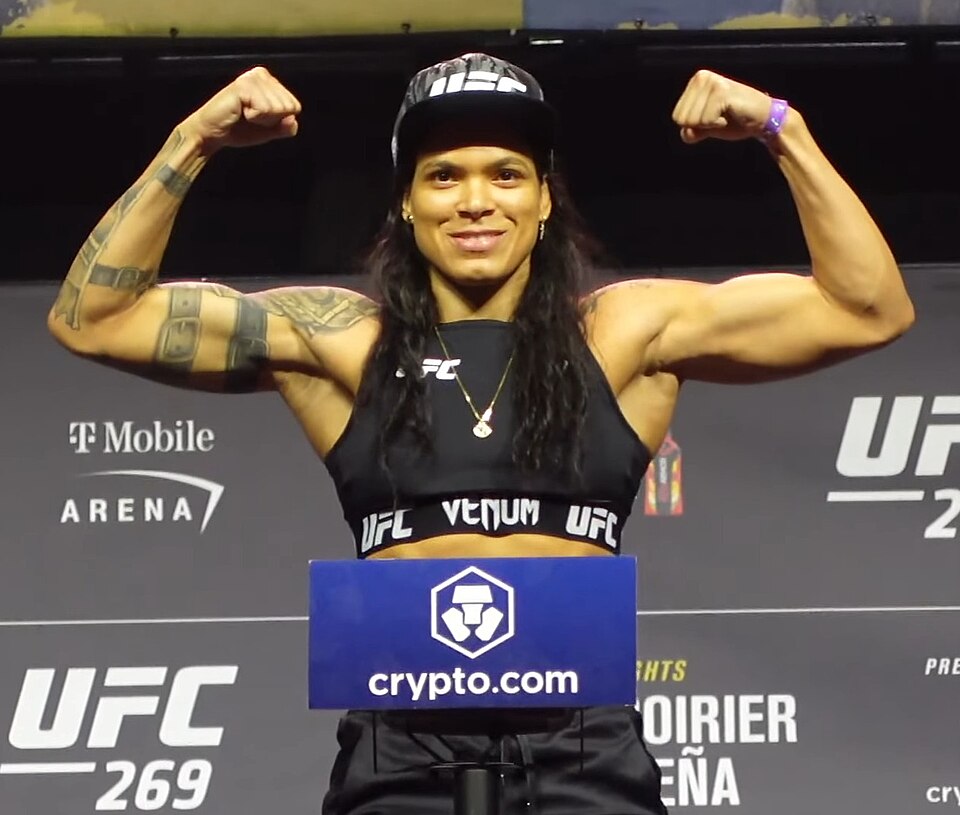
Amanda Nunes

Amanda Nunes

Brazil · 2008-2023

The greatest female fighter in history, 'The Lioness' is the first woman to hold two UFC titles simultaneously, reigning over both bantamweight and featherweight. She dismantled an entire generation of stars: a 48-second knockout of Ronda Rousey at UFC 207 in 2016, a 51-second knockout of the previously unbeaten Cris Cyborg at UFC 232 in 2018, plus wins over Miesha Tate, Holly Holm, Germaine de Randamie and two victories over Valentina Shevchenko. The only blemish in her prime was a shocking submission loss to Julianna Peña at UFC 269 in 2021, which she emphatically avenged with a one-sided decision at UFC 277 in 2022. She retired as the reigning double champion at 23-5, having beaten more current or former champions than any woman in the sport and settling the female GOAT debate for a generation.

Pro wins
23
Win rate
82%
Title-fight wins
10
Finish rate
~65%
7
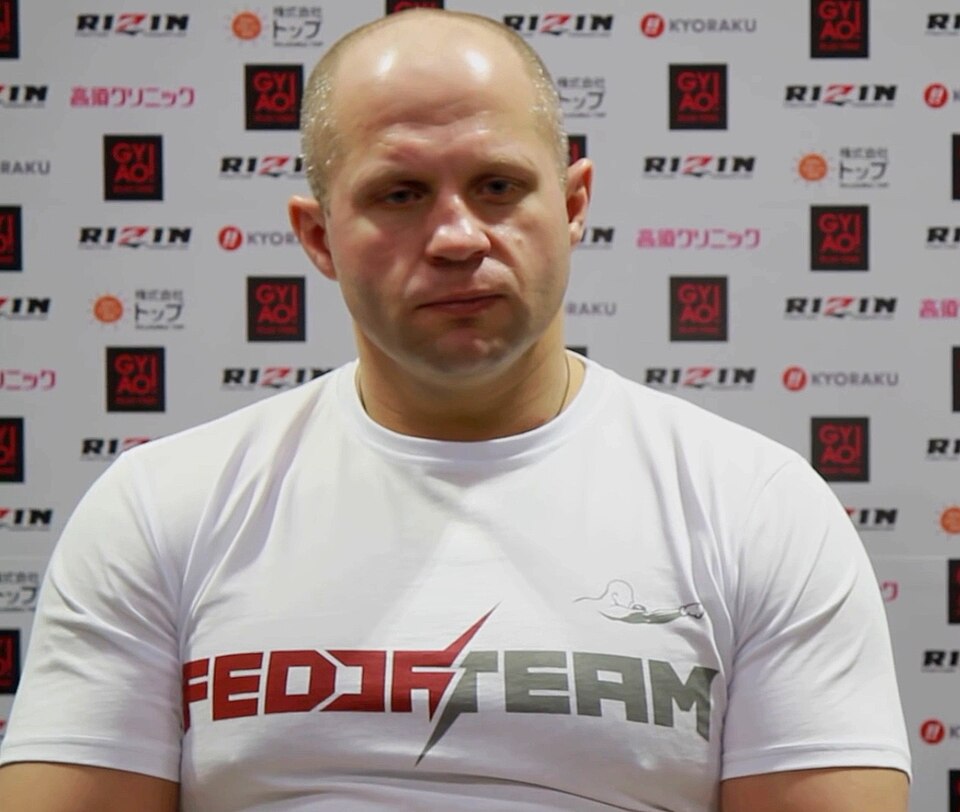
Fedor Emelianenko

Fedor Emelianenko

Russia · 2000-2023

'The Last Emperor' was the consensus best heavyweight in the world through the mid-2000s and the defining icon of Japan's PRIDE era. A master of combat sambo, he combined unorthodox looping punches with slick submissions and an unshakable calm, going undefeated for nearly a decade — a run of 28 fights without a legitimate loss from 2000 to 2010. As PRIDE heavyweight champion he beat Antonio Rodrigo Nogueira, Mirko Cro Cop, Mark Coleman and a young Andrei Arlovski, whom he stopped with a flying-punch knockout. He never competed in the UFC, which fuels endless debate about his placement, and his level of competition in some later fights is questioned. But at his peak, against the best heavyweights alive, he was untouchable, and he retired around 40-7 as one of the most beloved and mythologized figures the sport has produced.

Pro wins
40
Win rate
85%
Title-fight wins
5
Finish rate
~80%
8
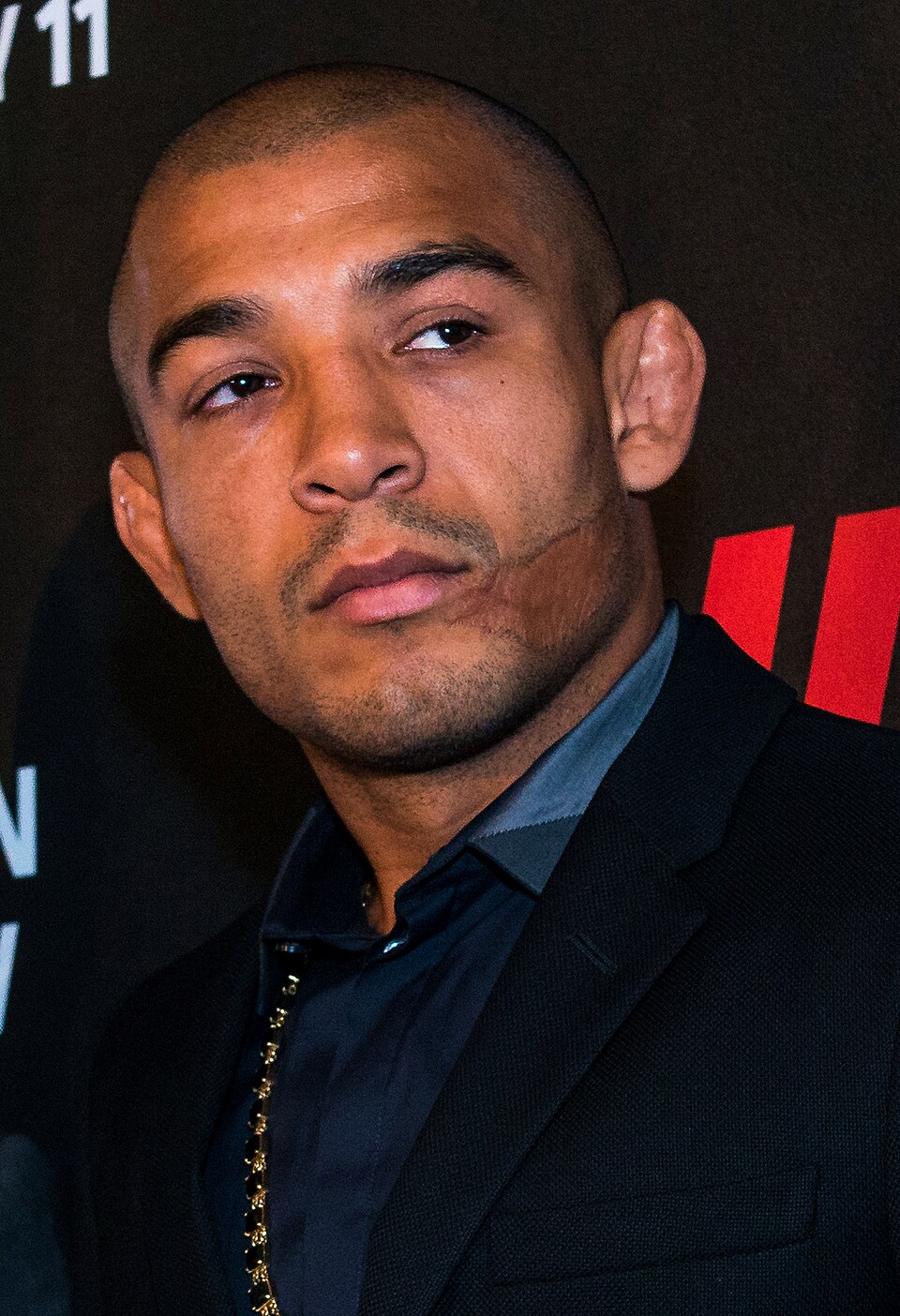
José Aldo

José Aldo

Brazil · 2004-2022

The greatest featherweight of all time, Aldo went undefeated for roughly a decade — an 18-fight win streak from 2005 to 2015 — while reigning as WEC and then inaugural UFC featherweight champion. His leg kicks were the most feared in the sport, memorably crumpling Urijah Faber and reducing opponents to hobbling targets, and he paired them with sharp boxing and elite takedown defense. He defended the featherweight crown repeatedly against the division's best before Conor McGregor stunned him with a 13-second knockout at UFC 194 in 2015, one of the most shocking moments in MMA history. He rebuilt himself as a top bantamweight contender in his thirties, challenging for that title too, and retired from MMA around 31-8. For pure divisional dominance over a sustained period, few careers rival his prime.

Pro wins
31
Win rate
80%
Title-fight wins
9
Finish rate
~66%
9
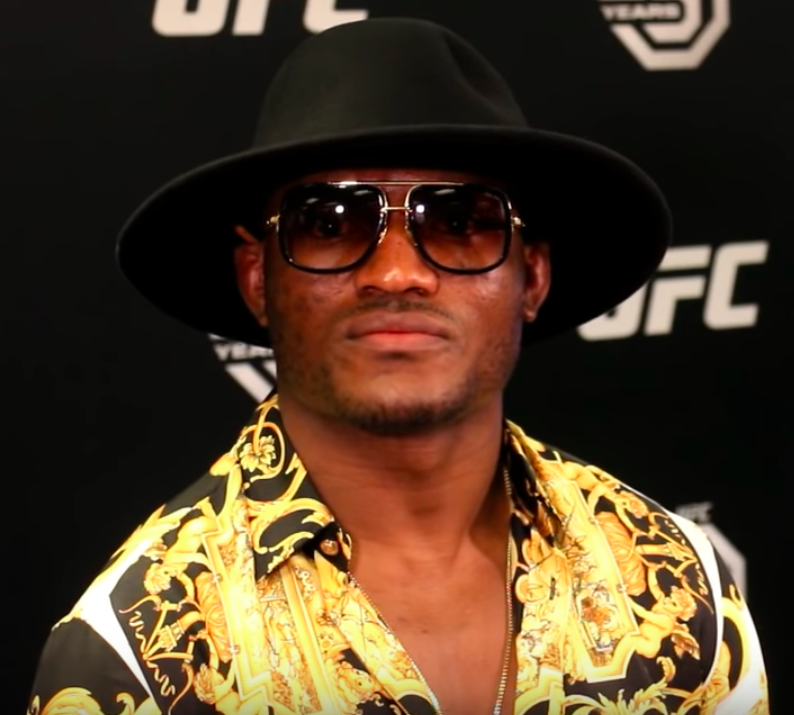
Kamaru Usman

Kamaru Usman

Nigeria / United States · 2012-present

'The Nigerian Nightmare' built one of the most dominant welterweight reigns in history on a base of relentless, high-level wrestling that evolved into genuine knockout power. He put together a 15-fight UFC winning streak — among the longest ever — and won the welterweight title from Tyron Woodley at UFC 235 in 2019, then defended it five times. He beat Colby Covington twice in grueling wars, avenged an early loss to Jorge Masvidal with a highlight-reel knockout, and outpointed Gilbert Burns and Leon Edwards. His reign ended dramatically when Edwards landed a head kick with under a minute left in their UFC 278 rematch in 2022, erasing a fight Usman was winning. He sits around 20-4, a wrestler who became a finisher and headlined the sport's African golden age alongside Israel Adesanya and Francis Ngannou.

Pro wins
20
Win rate
83%
Title-fight wins
6
Finish rate
~45%
10
Daniel Cormier

Daniel Cormier

United States · 2009-2020

A two-time Olympic wrestler and 2008 U.S. team captain, 'DC' translated elite grappling into a two-division championship career, holding both the light heavyweight and heavyweight belts. He captured the vacant light heavyweight title against Anthony Johnson at UFC 187 in 2015, defended it against Johnson again and Alexander Gustafsson, then moved up and knocked out the great Stipe Miocic to take the heavyweight crown at UFC 226 in 2018. His stellar record of 22-3 carries an asterisk that defines his career: every one of his losses came against Jon Jones, and one of those was overturned to a no-contest after Jones failed a drug test. Endlessly durable, technical and cerebral, Cormier would likely be remembered as an all-time great champion in any era that did not also contain his one impossible rival.

Pro wins
22
Win rate
88%
Title-fight wins
5
Finish rate
~59%
11

Conor McGregor

Ireland · 2008-present

The biggest star the sport has ever produced, McGregor changed MMA's economics and reach while backing it up in the cage during his prime. He became the first fighter to hold two UFC titles simultaneously, knocking out featherweight king José Aldo in a record 13 seconds at UFC 194 in 2015 and stopping Eddie Alvarez for the lightweight belt at UFC 205 in 2016. His left hand was one of the most feared weapons in the sport, and his self-promotion filled arenas and drove the two biggest pay-per-views in company history. He also crossed into boxing for a blockbuster loss to Floyd Mayweather in 2017. Injuries, inactivity and losses to Nate Diaz and Khabib Nurmagomedov, plus a leg break against Dustin Poirier in 2021, clouded his later years. He sits around 22-6, but his peak dominance and cultural impact are undeniable.

Pro wins
22
Win rate
79%
Title-fight wins
2
Finish rate
~86%
12

Stipe Miocic

United States · 2010-present

The most accomplished heavyweight in UFC history, Miocic set the record for most consecutive successful heavyweight title defenses with three, a mark that stood alone in the sport's most volatile division. A working firefighter and paramedic, he won the title by knocking out Fabricio Werdum in Brazil at UFC 198 in 2016, then defended against Alistair Overeem, Junior dos Santos and Francis Ngannou. After dropping the belt to Daniel Cormier he reclaimed it in their 2019 rematch at UFC 241, avenging the loss. Built on crisp boxing, an underrated clinch and championship-round cardio, his reign gave heavyweight a rare stretch of stability. His career sits around 20-5, with the closing chapters — a knockout loss to Ngannou in 2021 and a stoppage by Jon Jones at UFC 309 in 2024 — coming against two of the hardest hitters the division has ever seen.

Pro wins
20
Win rate
80%
Title-fight wins
5
Finish rate
~80%

Bars are scaled to the leader in this list.

The debate

The heart of the GOAT argument is Jones versus Khabib versus St-Pierre, and it comes down to what you value. Jones has the deepest résumé and beat the most elite competition across two divisions, but his outside-the-cage record — failed drug tests, a disqualification, legal troubles — complicates a clean legacy. Khabib offers the only thing no one else has: a perfect 29-0, never seriously threatened, retired at the top. St-Pierre offers the most sustained, professional dominance and a return-from-retirement title in a second division. Each answer is defensible; none is definitive.

The list also exposes how impossible cross-era and cross-division comparison really is. Fedor ruled a heavyweight landscape that never existed in the UFC; Aldo and Demetrious Johnson dominated lighter divisions that get a fraction of the promotion; Amanda Nunes cleaned out two women's classes that did not exist when the men's greats debuted. What unites all twelve is a period of clear, measurable supremacy over the best competition available to them — and that, more than any single statistic, is the truest marker of greatness in a sport that keeps reinventing itself.

Embed this ranking

Paste this code into your blog or site — the ranking stays up to date.

Keep exploring

More sports