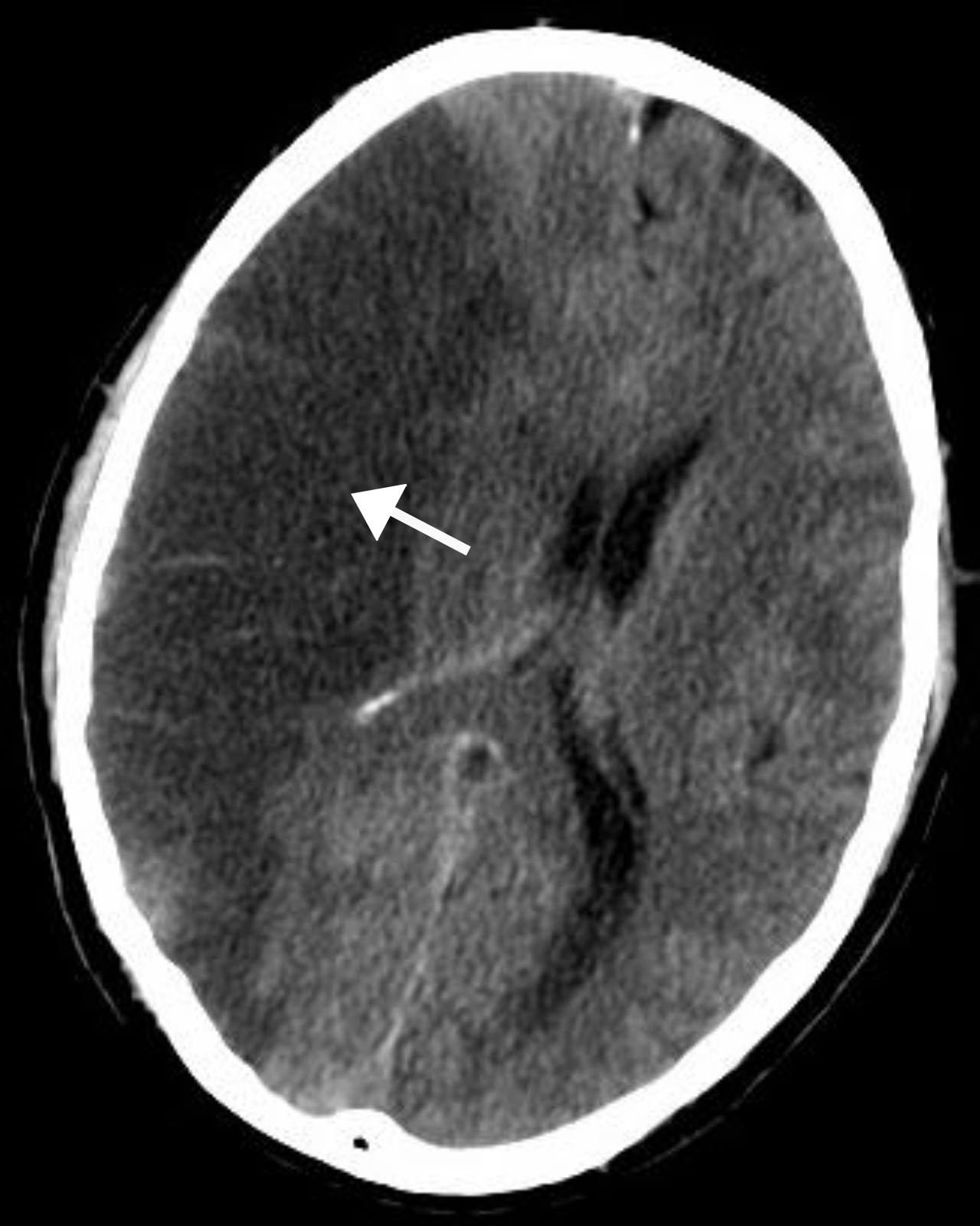
Stroke recovery relies on the brain's capacity for neuroplasticity to relearn movement, communication, and daily function, often over a rehabilitation process spanning many months.
Also called: Stroke Rehabilitation · Post-Cerebrovascular Accident Recovery
Interrupted blood flow to the brainUnderlying event
Hemiparesis, spasticity, gait and speech changesCommon effects
Neuroplasticity-driven relearningKey mechanism
Months to years, most gains in first 3–6 monthsTypical timeline
Physical, occupational, and speech therapyCore team
New stroke symptoms (FAST warning signs)Red-flag signs
A stroke occurs when blood flow to part of the brain is interrupted, either by a blockage (ischemic stroke) or bleeding (hemorrhagic stroke), depriving brain tissue of oxygen and causing damage that can affect movement, sensation, speech, cognition, or a combination of these functions depending on the brain area involved.
Rehabilitation after stroke relies heavily on neuroplasticity — the brain's capacity to reorganize and form new connections — to relearn movement patterns and compensate for damaged areas. The most rapid gains are typically seen in the first three to six months, though meaningful improvement can continue well beyond this window with continued, structured practice.
Because stroke can affect so many different functions depending on its location and severity, rehabilitation is highly individualized and typically involves a multidisciplinary team including physical, occupational, and speech therapists. This page focuses on the physical rehabilitation dimension — anatomy and mechanisms, common physical effects, assessment, and general exercise and recovery patterns.
The profile
Pain frequency45
Recovery length95
Exercise load80
Clinician need95
Self-care fit20
Recurrence risk50
Clinician need
Stroke recovery relies on the brain's capacity for neuroplasticity to relearn movement, communication, and daily function, often over a rehabilitation process spanning many months.
A stroke occurs when blood flow to part of the brain is interrupted, either by a blockage (ischemic stroke) or bleeding (hemorrhagic stroke), depriving brain tissue of oxygen and causing damage that can affect movement, sensation, speech, cognition, or a combination of these functions depending on the brain area involved.
When should I stop and seek care for Post-Stroke?
New sudden weakness, facial drooping, or speech difficulty — These are classic warning signs of a new or recurrent stroke (often remembered by the FAST acronym) and require immediate emergency medical attention.
What is a starter exercise for Post-Stroke?
Passive range-of-motion exercise — 2 × 10 per joint — Gently move the affected limb's joints through a comfortable range, often assisted by a caregiver or therapist in early stages.
How does Post-Stroke load progression usually start?
Acute and early rehabilitation — 0–4 weeks — Rehabilitation typically begins as soon as medically stable, focusing on basic mobility, positioning, and preventing complications from inactivity.
What should I avoid with Post-Stroke?
Practicing advanced mobility tasks without appropriate supervision — Attempting standing, transfers, or walking tasks beyond the currently cleared level of independence without supervision is generally discouraged given elevated fall risk.
What is the difference between an ischemic and hemorrhagic stroke?
An ischemic stroke results from a blocked blood vessel reducing blood flow to part of the brain, while a hemorrhagic stroke results from bleeding into or around brain tissue; ischemic strokes account for the large majority of cases.
What is hemiparesis?
Hemiparesis refers to weakness affecting one side of the body, a common effect of stroke depending on which side of the brain was affected, since each brain hemisphere primarily controls the opposite side of the body.
How much recovery is possible after a stroke?
The degree of recovery varies widely depending on stroke severity, location, and how quickly rehabilitation begins, with many people making significant functional gains, though some degree of lasting impairment is common, particularly after more severe strokes.